How big do flamingos get?
Short answer
Flamingos vary significantly in size depending on the species, ranging from the Lesser Flamingo, which stands about 3 feet tall, to the Greater Flamingo, which can reach heights of 5 feet. Their weight typically fluctuates between 3 and 9 pounds, with males generally being larger and heavier than their female counterparts.
On this page
How big are the different flamingo species
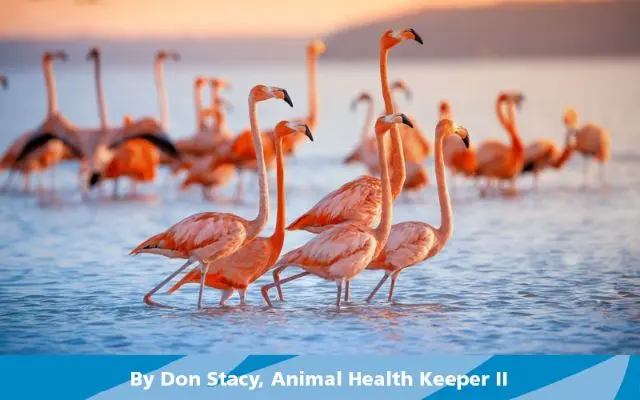
There are six distinct species of flamingos, each with unique physical dimensions. The Greater Flamingo is the largest and most widespread, often standing between 4 and 5 feet tall with a wingspan reaching up to 5 feet. In contrast, the Lesser Flamingo is the smallest member of the family, typically measuring only 2.5 to 3 feet in height. Other species, such as the Chilean, Andean, James’s, and American flamingos, fall between these two extremes in terms of overall size.
While height is the most noticeable metric, weight is equally variable across the genus. These birds have evolved long, slender legs and necks that contribute significantly to their height, but their bodies remain relatively light to facilitate flight and wading. Understanding the specific differences between these species requires looking at their native habitats, as the size of a flamingo is often an evolutionary adaptation to the depth of the water in their specific environment.
How to measure a flamingo's size
Measuring a wild flamingo requires non-invasive techniques to ensure the safety of the animal. Researchers typically use photographic analysis or remote sensing equipment to estimate height and wingspan without physical contact. If you are observing flamingos in a sanctuary or zoo, you can estimate their size by comparing them to known markers in their enclosure, such as fence posts or feeding stations.
When attempting to gauge the size of a flamingo, follow these simple steps to ensure accuracy:
- Identify the species first, as size ranges vary drastically between the Greater and Lesser varieties.
- Observe the bird while it is standing on two legs, as one-legged resting positions make height estimation difficult.
- Use a reference object in the background, such as a rock or a plant, to establish a scale for your visual estimate.
- Note the gender if possible, as males are usually slightly larger and possess a more robust build than females.
Why do flamingos have such long legs
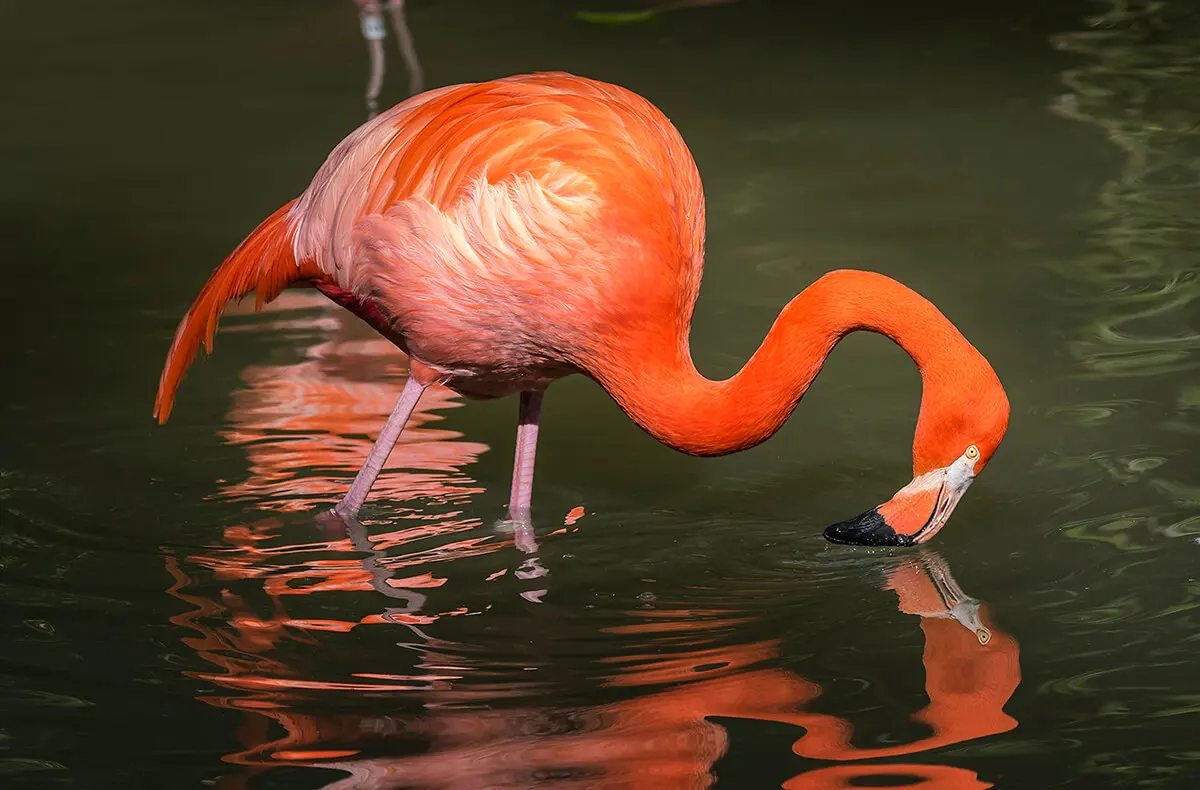
The extraordinary length of a flamingo’s legs is a specialized adaptation for their unique feeding lifestyle. By standing on long, stilt-like limbs, these birds can wade into deeper waters than most other shorebirds, allowing them to access food sources that are out of reach for competitors. This height also provides a significant advantage in predator detection, as it elevates the bird's head, granting a wider field of vision across the flat, open landscapes of salt lakes and lagoons.
Beyond foraging, these long legs are essential for the bird's takeoff. Because flamingos are relatively heavy, they require a running start to gain enough momentum for flight. Their long legs allow them to stride rapidly through shallow water, building the necessary speed to lift their bodies into the air. This combination of height and agility is a masterclass in evolutionary biology, perfectly balancing the needs of a wading bird with the requirements of a migratory flyer.
Common mistakes when estimating flamingo size
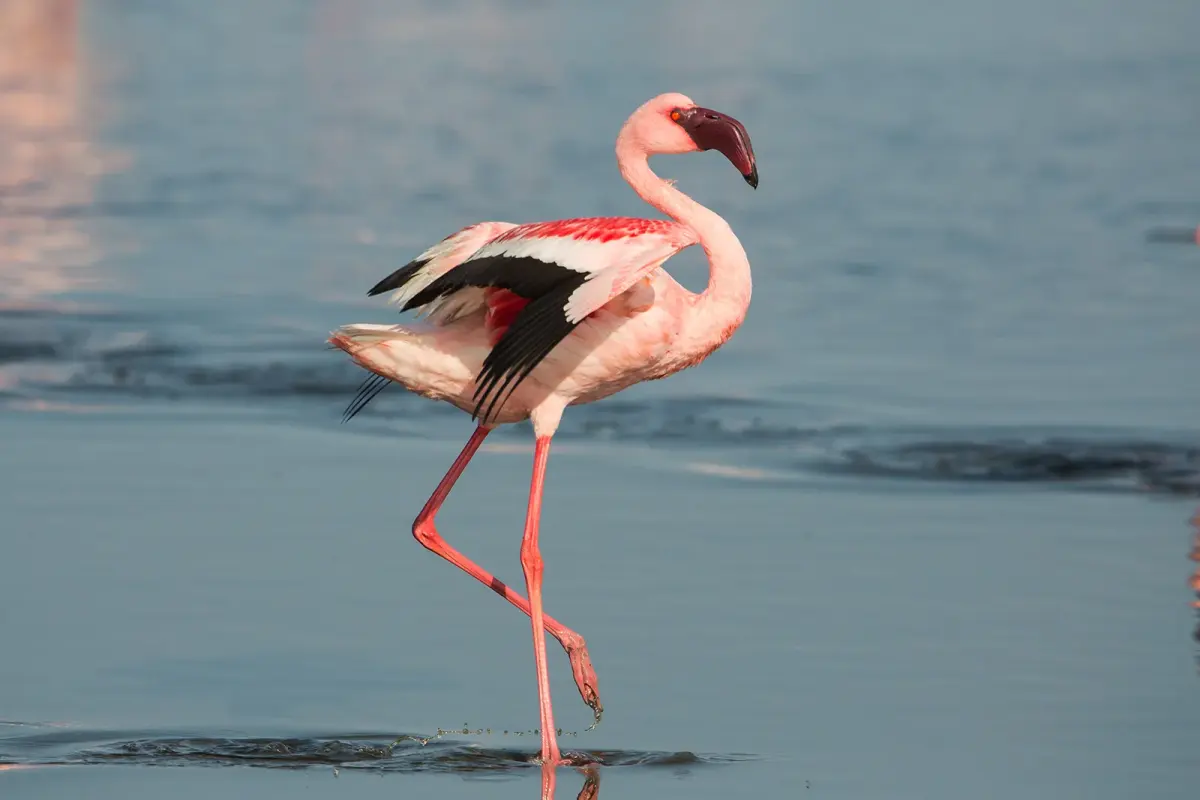
A frequent error when observing flamingos is misjudging their size due to their posture. Because these birds frequently tuck one leg into their feathers to conserve body heat, they often appear significantly shorter than they actually are. Observers who do not wait for the bird to stand on both legs often underestimate the height of the individual by several inches. Additionally, the bulky appearance of their feathers can sometimes hide their true, slender frame, leading to incorrect weight estimates.
To avoid these common pitfalls, keep the following guidance in mind:
- Never judge the height of a bird while it is resting or sleeping, as their tucked-in posture is misleading.
- Avoid comparing a juvenile bird to an adult, as young flamingos are smaller and often lack the full height and coloration of their parents.
- Account for the angle of your view, as looking down at a bird from a boardwalk or hill can make it appear smaller than it is at eye level.
- Remember that the neck is highly flexible; a bird with its neck retracted will appear much shorter than one fully extended.
How does age affect flamingo growth
Flamingos undergo a clear developmental progression, starting as small, fluffy chicks and reaching their full adult size within a few years. At birth, a flamingo chick is covered in grey or white down and has a straight, short beak. Over the first few months, the bird grows rapidly, fueled by a nutrient-rich crop milk produced by both parents. By the time the chick is a few weeks old, it begins to resemble a miniature version of the adult, though its legs and neck are not yet fully elongated.
The transition to full adult proportions typically occurs between two and three years of age. During this period, the bird reaches its maximum height and begins to develop the characteristic pink or reddish plumage associated with its diet of algae and crustaceans. While they may reach their full physical stature relatively quickly, their social maturity and breeding capability often take longer to develop. Understanding this growth cycle is vital for conservationists who track the health of flamingo colonies and ensure that populations are thriving in their natural, protected environments across the globe.
Key facts
- The Greater Flamingo is the tallest species, reaching heights of 4 to 5 feet.
- The Lesser Flamingo is the smallest, typically standing between 2.5 and 3 feet tall.
- Despite their height, most flamingos weigh between 4 and 9 pounds due to their hollow bones.
- Wingspans vary by species, with the Greater Flamingo reaching a width of up to 5 feet.
- Male flamingos are generally larger and heavier than females of the same species.
- When observing flamingos, avoid approaching them, as they are easily startled and may abandon their nests.
The bottom line
Flamingos exhibit significant size variation, ranging from the petite Lesser Flamingo to the towering Greater Flamingo. While their height is impressive, their lightweight, hollow-boned frames allow them to remain agile and capable of long-distance flight. Understanding their dietary needs and environmental preferences is essential for appreciating these unique birds, which rely on specific wetland ecosystems to maintain their vibrant health and distinct physical stature.
People also ask
Why are flamingos pink?
Flamingos derive their pink or orange coloration from carotenoid pigments found in the algae, larvae, and crustaceans they consume. If a flamingo does not eat a diet rich in these pigments, its feathers will gradually turn white.
How long do flamingos live?
In the wild, flamingos typically live between 20 and 30 years. When kept in protected environments like zoos, they have been known to live for over 50 years.
Why do flamingos stand on one leg?
Scientists believe this behavior helps the birds conserve body heat and reduce muscle fatigue. By tucking one leg into their feathers, they minimize heat loss in cooler water and maintain balance more efficiently.
Do all flamingos live in tropical climates?
While many species prefer tropical or subtropical wetlands, some flamingos inhabit high-altitude Andean lakes. These environments can be quite cold, requiring the birds to be highly resilient to temperature fluctuations.
What do flamingos eat?
Flamingos are filter feeders that use their specialized beaks to strain food from water and mud. Their diet primarily consists of brine shrimp, blue-green algae, and small aquatic insects.
Can flamingos fly?
Yes, flamingos are strong fliers capable of traveling long distances between feeding grounds. They often fly in large flocks, reaching speeds of up to 35 miles per hour during migration.
This answer was created with the help of AI research tools and reference sources. Spotted an error? Let us know — we correct mistakes quickly. See our editorial policy.