How is sugar made?
Short answer
Sugar is produced by extracting juice from sugarcane or sugar beets, which is then purified, concentrated, and crystallized. The process involves crushing the raw plant material, boiling the resulting syrup to remove water, and using centrifuges to separate pure sugar crystals from the remaining liquid molasses. This creates refined sucrose.
On this page
How is sugar extracted from plants?
Sugar production begins with the harvest of sugarcane stalks or sugar beets. Sugarcane is typically harvested by large mechanical harvesters that cut the stalks near the ground. Sugar beets, which grow underground, are lifted from the soil and cleaned to remove dirt and debris. These raw materials contain high concentrations of sucrose, which is the chemical name for table sugar.
Once harvested, the plants are transported to a processing facility. For sugarcane, the stalks are shredded and passed through heavy rollers that crush them to squeeze out the sweet juice. For sugar beets, the roots are sliced into thin strips called cossettes and soaked in hot water to diffuse the sugar out of the plant cells. This initial extraction phase is critical because it determines the total yield of the entire production cycle.
- Harvest the sugarcane or sugar beets at peak maturity.
- Clean the raw material to remove soil and foreign matter.
- Shred the material to increase surface area for extraction.
- Use rollers or hot water diffusion to release the sugar-rich juice.
- Filter the raw juice to remove plant fibers and impurities.
How is raw sugar juice purified?
After extraction, the raw juice contains impurities such as soil, plant fibers, and minerals. To purify it, processors use a process called clarification. They add lime, a form of calcium hydroxide, to the juice to adjust the pH level. This causes impurities to clump together and settle at the bottom of large tanks, leaving a clearer liquid on top.
The clarified juice is then filtered to remove any remaining sediment. The resulting liquid is a thin, golden syrup that contains sugar and water. This stage is vital for ensuring the final product is white and pure. If the juice is not properly clarified, the final sugar crystals will retain a dark color and an unpleasant flavor profile, which is why technicians monitor the chemical reactions closely during every batch.
How is sugar crystallized and dried?
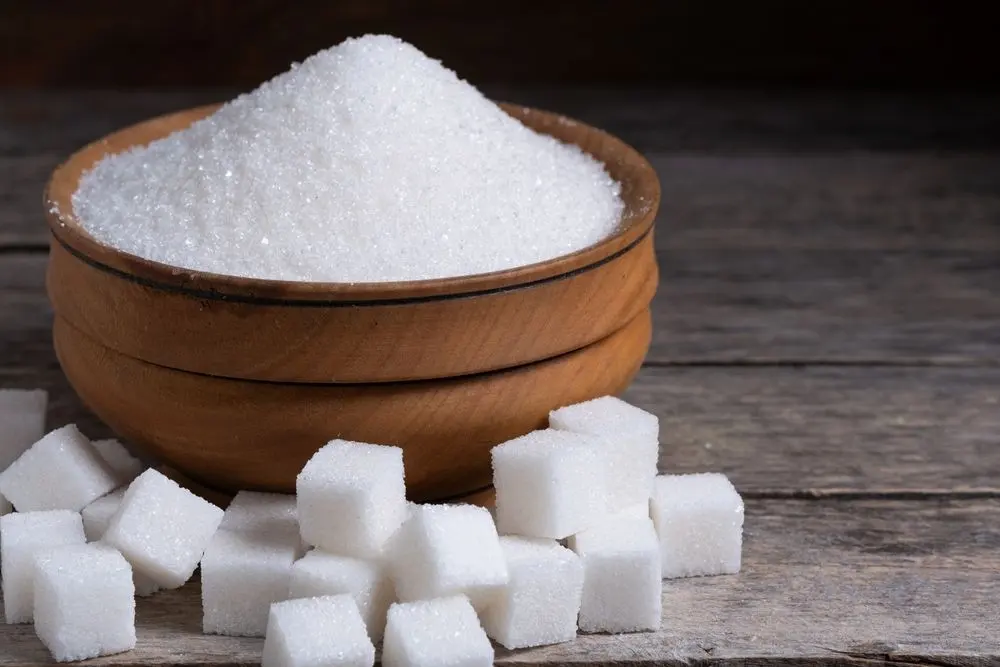
Concentrating the juice is the next step in the journey toward crystalline sugar. The thin syrup is pumped into large vacuum pans where it is boiled at low temperatures to evaporate the excess water. As the water evaporates, the syrup becomes supersaturated, meaning it can no longer hold all the sugar in liquid form. Tiny "seed" crystals are added to the mixture to encourage the sugar to form solid structures.
Once the crystals have grown to the desired size, the mixture is called massecuite. This thick slurry is moved into a centrifuge, a high-speed spinning machine. The centrifuge forces the liquid molasses through a screen while holding the solid sugar crystals inside. The crystals are then washed with water to remove any remaining molasses film. Finally, the sugar is dried using hot air to prevent clumping during packaging and storage.
- Vacuum pans allow boiling at lower temperatures to prevent sugar burning.
- Seed crystals act as a template for larger crystal growth.
- Centrifuges spin at high speeds to separate solids from liquids.
- Hot air dryers remove moisture to ensure a free-flowing product.
Why does sugar refining vary by source?
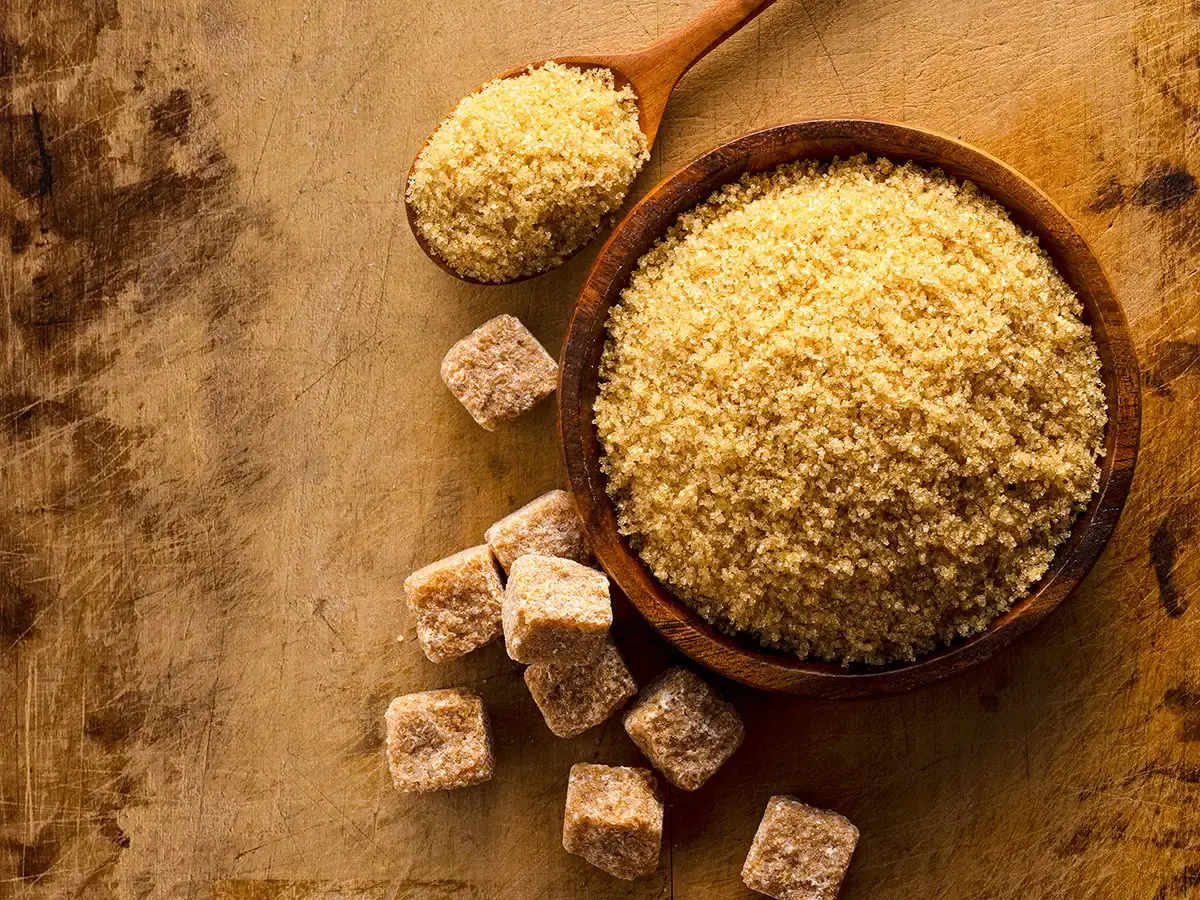
While the basic chemistry remains the same, the refining process differs slightly depending on whether the source is sugarcane or sugar beets. Sugarcane juice is often processed into raw brown sugar first, which may be shipped to a separate refinery for final bleaching and processing. Sugar beets, however, are almost always processed into white sugar in a single, continuous operation at the site of the harvest.
Sugarcane refining often involves the use of bone char or activated carbon to remove color pigments. This ensures the sugar reaches the high level of whiteness expected by consumers. Beet sugar, conversely, is naturally white after the initial purification and does not require the same level of decolorization. Despite these differences in the supply chain, the end product is chemically identical sucrose, and both types perform exactly the same way in baking and cooking applications.
Common mistakes when processing sugar
One of the most frequent errors in sugar production is failing to manage the temperature during the evaporation stage. If the syrup gets too hot, the sugar molecules can caramelize or burn, which ruins the flavor and color of the entire batch. Another common mistake is improper filtration, which leaves behind organic matter that can cause the sugar to spoil or ferment during storage.
Processors must also carefully control the speed of the centrifuge. If it spins too slowly, the molasses is not effectively separated, resulting in "wet" sugar that is difficult to store. If it spins too fast, the delicate crystals may shatter, creating a fine powder rather than the desired granular texture. Maintaining precise equipment calibration and consistent chemical testing at every stage is the only way to ensure a high-quality, shelf-stable product that meets global food safety standards for consumers.
Key facts
- Sugar is primarily extracted from two crops: sugarcane, a tall tropical grass, and sugar beets, a root vegetable.
- Sugarcane accounts for approximately 80 percent of global sugar production, while sugar beets account for the remaining 20 percent.
- The extraction process involves crushing or slicing the plant material to release raw juice, which is then purified and boiled.
- Raw sugar is brown because of the presence of molasses; refining it removes these impurities to create white, crystalline sucrose.
- Sugar acts as a natural preservative by drawing moisture out of bacteria cells, effectively dehydrating and killing them.
- To prevent clumping in home storage, keep sugar in an airtight container in a cool, dry place to avoid moisture absorption.
The bottom line
Sugar production is a sophisticated industrial process that transforms raw plant juices into pure, crystalline sucrose. Whether sourced from sugarcane or sugar beets, the refining process ensures consistency and shelf stability. Understanding how sugar interacts with moisture and heat allows for better culinary results. Ultimately, sugar serves as both a versatile sweetener and a functional ingredient that influences the texture, preservation, and flavor of food.
People also ask
Is brown sugar just white sugar with molasses added back in?
Yes, most commercial brown sugar is produced by blending refined white sugar with a specific amount of molasses. This process ensures a consistent flavor profile and moisture level, unlike natural brown sugar which retains molasses from the initial extraction.
Why does sugar turn into caramel when heated?
Caramelization occurs when sugar is heated to high temperatures, causing the molecules to break down and reform into new flavor compounds. This chemical reaction produces the characteristic golden-brown color and nutty, complex aroma associated with cooked sugar.
Does sugar have an expiration date?
Granulated sugar does not technically expire because it is an inhospitable environment for microbial growth. If stored properly, it can remain safe and effective for an indefinite period, though it may harden over time if exposed to humidity.
What is the difference between beet sugar and cane sugar?
Chemically, refined beet and cane sugars are identical sucrose molecules and function the same in baking. However, some professional bakers prefer cane sugar because trace impurities in beet sugar can occasionally cause subtle differences in foaming or browning.
Is raw sugar healthier than white sugar?
Raw sugar contains trace amounts of minerals like calcium and iron from the molasses, but these amounts are nutritionally insignificant. Both types are processed by the body in the same way, providing identical caloric content and blood sugar impact.
How can I soften hardened brown sugar?
You can soften hardened sugar by placing it in a microwave-safe bowl with a damp paper towel and heating it for 20 seconds. Alternatively, placing a slice of bread or a terracotta sugar saver in the container overnight will rehydrate the molasses.
This answer was created with the help of AI research tools and reference sources. Spotted an error? Let us know — we correct mistakes quickly. See our editorial policy.