What is a biome?
Short answer
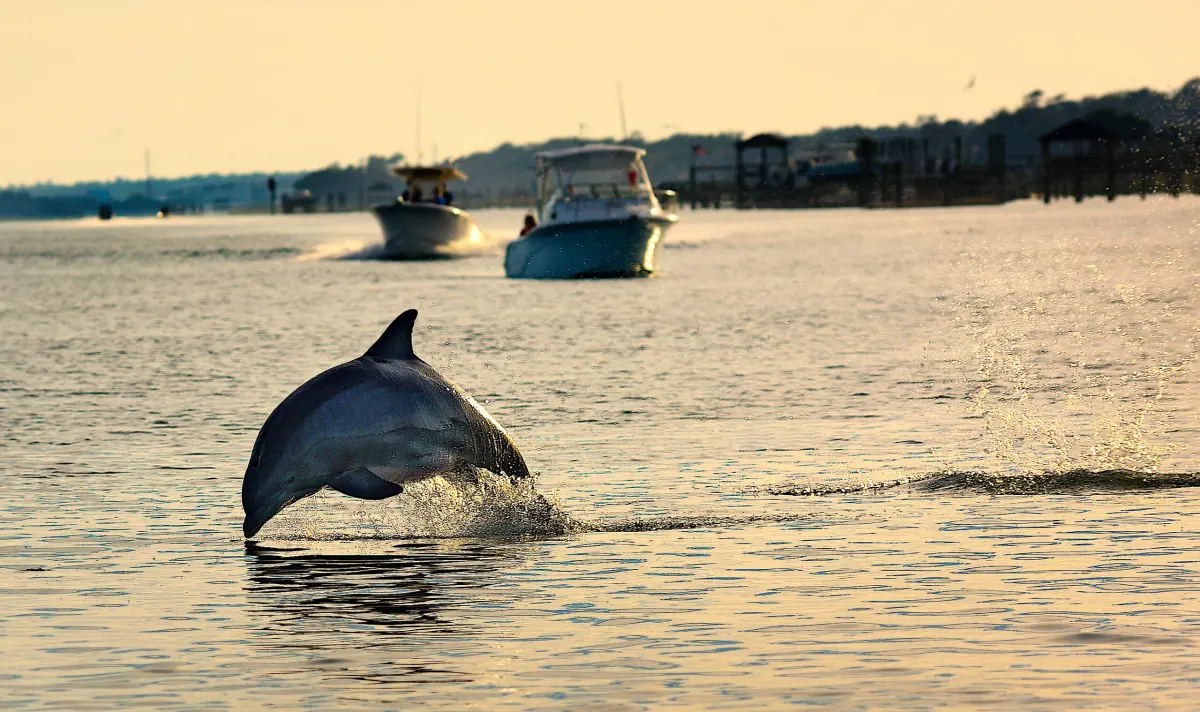
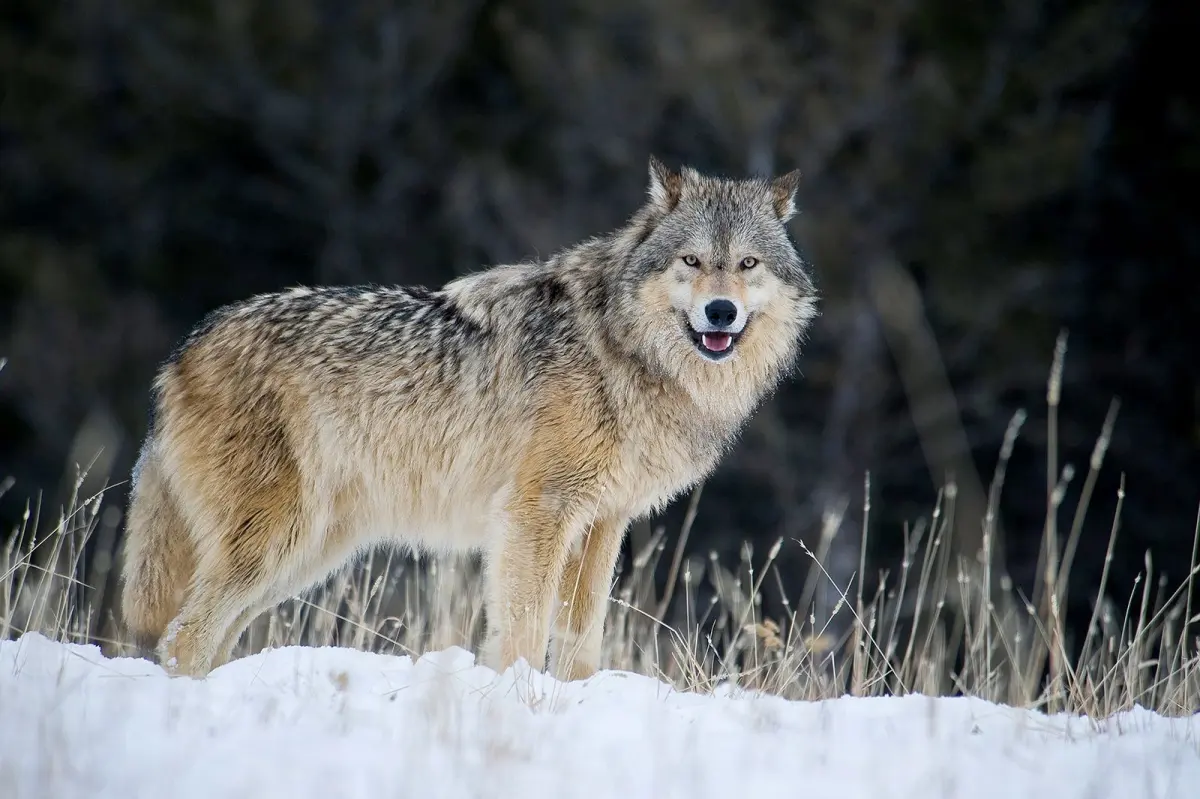
A biome is a large-scale geographical area characterized by its distinct climate, soil conditions, and the specific communities of plants and animals that have adapted to those environments. These regions, such as deserts, forests, and grasslands, function as the primary ecological divisions of the Earth’s surface, shaped by temperature and precipitation.
On this page
How are biomes classified?
Scientists classify biomes primarily based on abiotic factors, which are the non-living components of an environment. The two most significant drivers of biome formation are average annual temperature and the amount of precipitation an area receives. These variables dictate which types of vegetation can survive in a region, which in turn determines the animal life that can be supported.
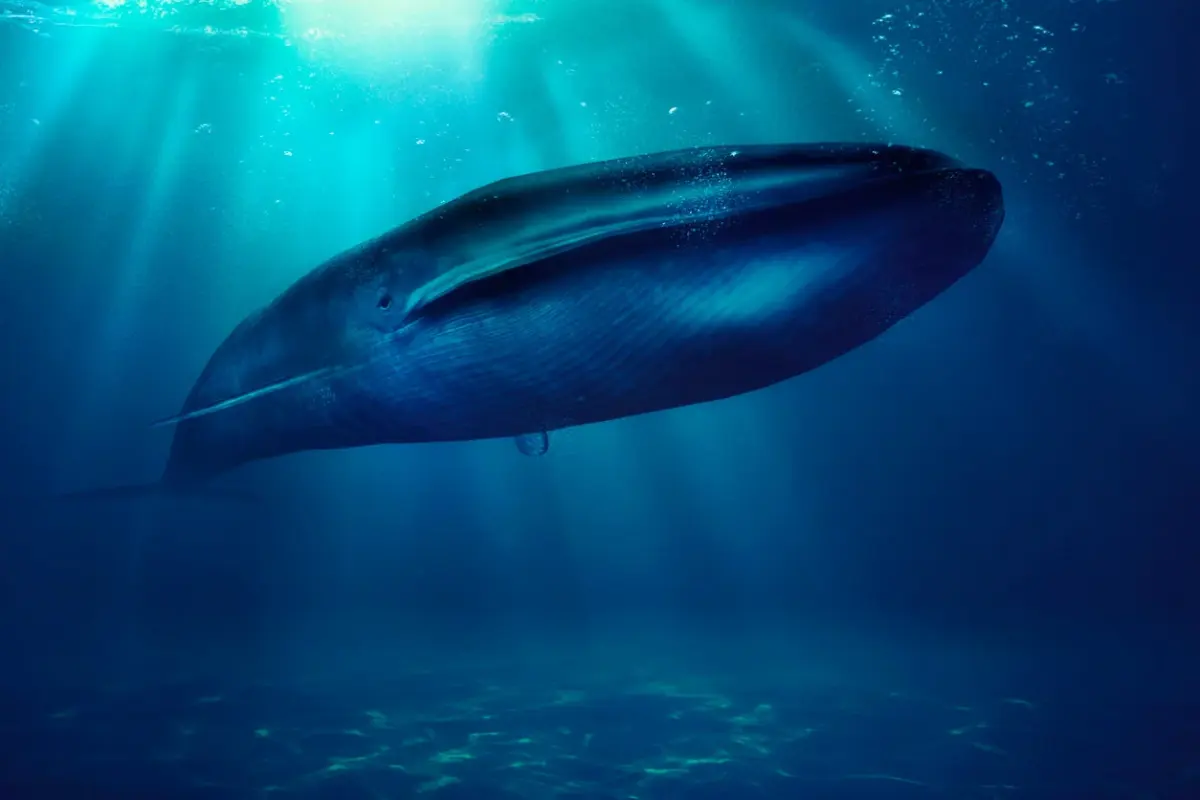
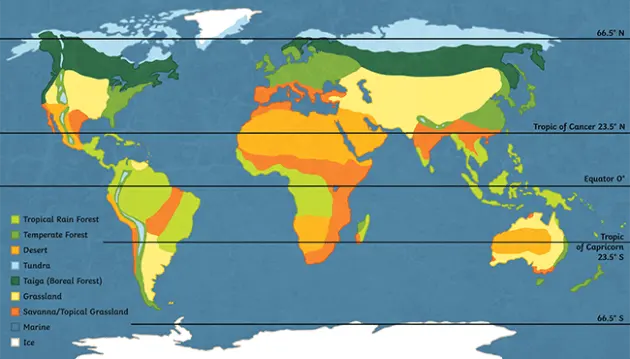
While there is no single universally accepted map of all biomes, researchers generally categorize them into two broad groups: terrestrial and aquatic. Terrestrial biomes are categorized by their dominant plant life, such as trees, shrubs, or grasses. Aquatic biomes are defined by their salinity, depth, and water flow. The following list outlines the primary terrestrial categories used by ecologists:
- Tropical Rainforest: High rainfall and consistent warmth year-round.
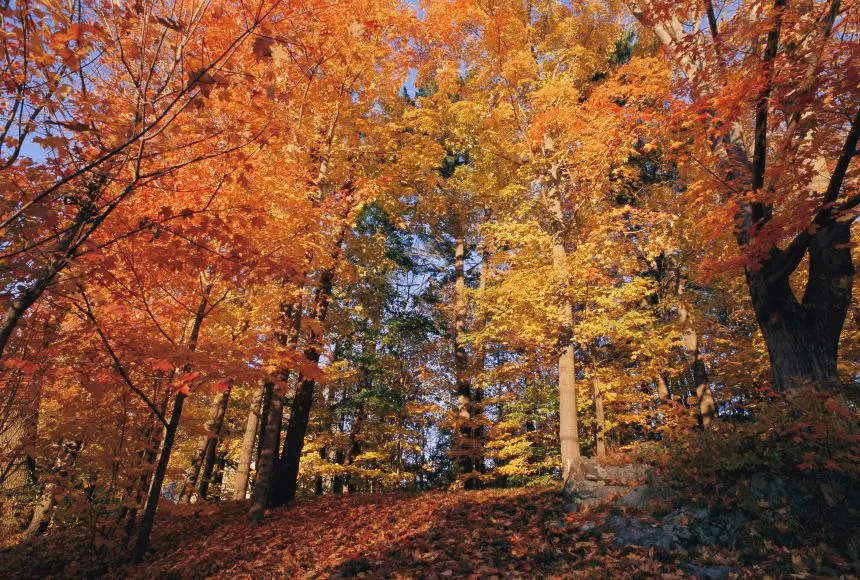
- Temperate Deciduous Forest: Four distinct seasons with trees that shed leaves.
- Grassland: Vast open areas dominated by grasses with few trees.
- Desert: Extremely low precipitation with specialized, drought-resistant flora.
- Tundra: Cold, treeless regions with a permanently frozen subsoil layer.
- Taiga (Boreal Forest): Coniferous forests found in cold, northern climates.
Why do biomes exist across the globe?
Biomes exist because of the uneven heating of the Earth by the sun and the resulting global circulation patterns of the atmosphere. Because the Earth is a sphere, sunlight hits the equator directly, creating intense heat, while the poles receive slanted rays that result in much colder temperatures. This thermal gradient creates massive air currents that move moisture around the planet, leading to the wet tropics and the dry bands of deserts found at specific latitudes.
Topography also plays a vital role in creating localized biome variations. Mountains can act as barriers to moisture, forcing air to rise and cool, which creates a wet environment on one side and a dry "rain shadow" on the other. Additionally, the Earth's tilt causes seasonal changes, forcing plants and animals to adapt to shifting conditions throughout the year. These complex interactions ensure that life is distributed in predictable patterns rather than being scattered randomly across the globe.
How to identify a biome in the field
Identifying a biome requires observing the structural characteristics of the landscape rather than just listing individual species. When you are in the field, look for the dominant growth forms of the plants, such as whether they are broad-leafed trees, needle-leafed conifers, or perennial grasses. These physical traits are evolutionary responses to the local climate and provide the most accurate clue about the biome type.
To determine which biome you are visiting, follow these steps:
- Observe the density and height of the vegetation to see if it is a forest, shrubland, or grassland.
- Check the soil moisture and look for signs of recent precipitation or long-term drought.
- Note the presence of specialized adaptations, such as succulent leaves in deserts or thick bark in fire-prone savannas.
- Consult a climate chart for the region to verify if the temperature and rainfall patterns match the expected profile of that biome.
Common mistakes when studying biomes
One frequent error is confusing an ecosystem with a biome. While the terms are often used interchangeably in casual conversation, they represent different scales of ecological organization. An ecosystem refers to a specific community of interacting organisms and their physical environment in a localized area, such as a single pond or a specific hillside. A biome is a much larger, global-scale classification that encompasses many different ecosystems sharing similar climate characteristics.
Another common mistake is assuming that biomes have sharp, clearly defined boundaries. In reality, biomes often transition into one another through a zone known as an ecotone. These transitional areas can be highly biodiverse, as they contain species from both adjacent biomes. Expecting to see a sudden, dramatic shift from one biome to another is rarely accurate; instead, you should anticipate a gradual change in species composition as environmental conditions shift over distance.
Why biomes are important for conservation
Biomes provide essential ecosystem services that sustain life on Earth, including carbon sequestration, water purification, and climate regulation. For example, tropical rainforests act as massive carbon sinks, while wetlands filter pollutants from water before it reaches larger bodies. Protecting these large-scale regions is critical because they maintain the genetic diversity necessary for species to adapt to changing environmental conditions.
Conservation efforts often focus on "biome-level" planning to ensure that large, contiguous habitats remain intact. This is vital for migratory animals that require vast territories to survive throughout the year. If a biome is fragmented by human development, the specialized species that depend on those specific conditions may face extinction. By understanding the unique requirements of each biome, policymakers can better prioritize land use and establish protected areas that effectively preserve the complex natural processes that keep our planet functioning.
Key facts
- A biome is a large geographical area characterized by specific climate conditions, vegetation, and animal life.
- Scientists generally categorize Earth into five major biome types: aquatic, grassland, forest, desert, and tundra.
- Temperature and precipitation are the two primary factors that determine which biome exists in a particular region.
- Biomes are not defined by political borders but by ecological similarities that span across continents.
- Aquatic biomes are the largest, covering approximately 75 percent of the Earth's surface.
- Avoid confusing biomes with ecosystems; a biome is a broad category, while an ecosystem is a smaller, specific interaction of organisms within that biome.
The bottom line
Biomes serve as the fundamental framework for understanding the distribution of life across our planet. By grouping regions based on shared climates and biological communities, we can better study how nature functions on a global scale. Recognizing these patterns helps us appreciate the environmental complexity of the Earth and underscores the importance of protecting these diverse habitats from the rapid changes currently threatening their delicate biological balance.
People also ask
How do climate change and global warming affect different biomes?
Climate change shifts temperature and rainfall patterns, forcing species to migrate or face extinction if they cannot adapt. For example, warming in the tundra causes permafrost to melt, fundamentally altering the landscape and the habitats of native animals.
Can a single country contain multiple biomes?
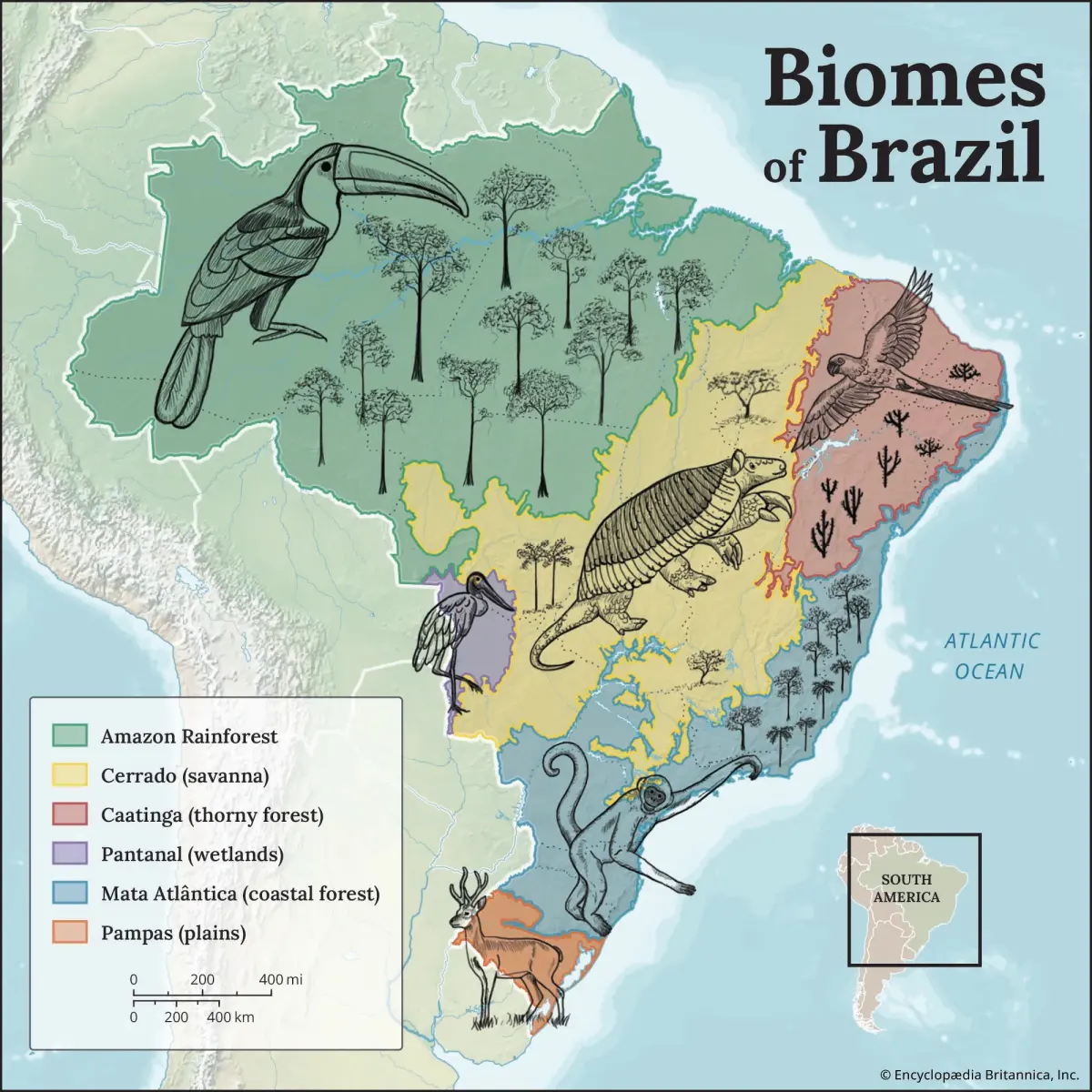
Yes, large countries often span several biomes due to variations in latitude, altitude, and proximity to oceans. The United States, for instance, contains everything from temperate rainforests in the Pacific Northwest to arid deserts in the Southwest.
What is the difference between a terrestrial and an aquatic biome?
Terrestrial biomes are defined by land-based vegetation and climate, such as forests or savannas. Aquatic biomes are defined by water salinity and depth, including both freshwater systems like rivers and marine systems like coral reefs.
Why are tropical rainforests considered the most biodiverse biomes?
Tropical rainforests receive consistent warmth and high rainfall throughout the year, supporting a vast array of plant growth. This vertical structure provides diverse niches for insects, birds, and mammals, allowing more species to coexist in a smaller area than in other biomes.
How do humans impact the stability of biomes?
Human activities like deforestation, urbanization, and pollution disrupt the natural balance of biomes. These actions often lead to habitat fragmentation, which reduces the ability of species to find food and reproduce, ultimately lowering the biome's overall resilience.
Is it possible for a biome to transition into another?
Yes, through a process called ecological succession, a biome can gradually change over long periods. Natural events like wildfires or long-term climate shifts can cause a forest to transition into a grassland or a desert.
This answer was created with the help of AI research tools and reference sources. Spotted an error? Let us know — we correct mistakes quickly. See our editorial policy.