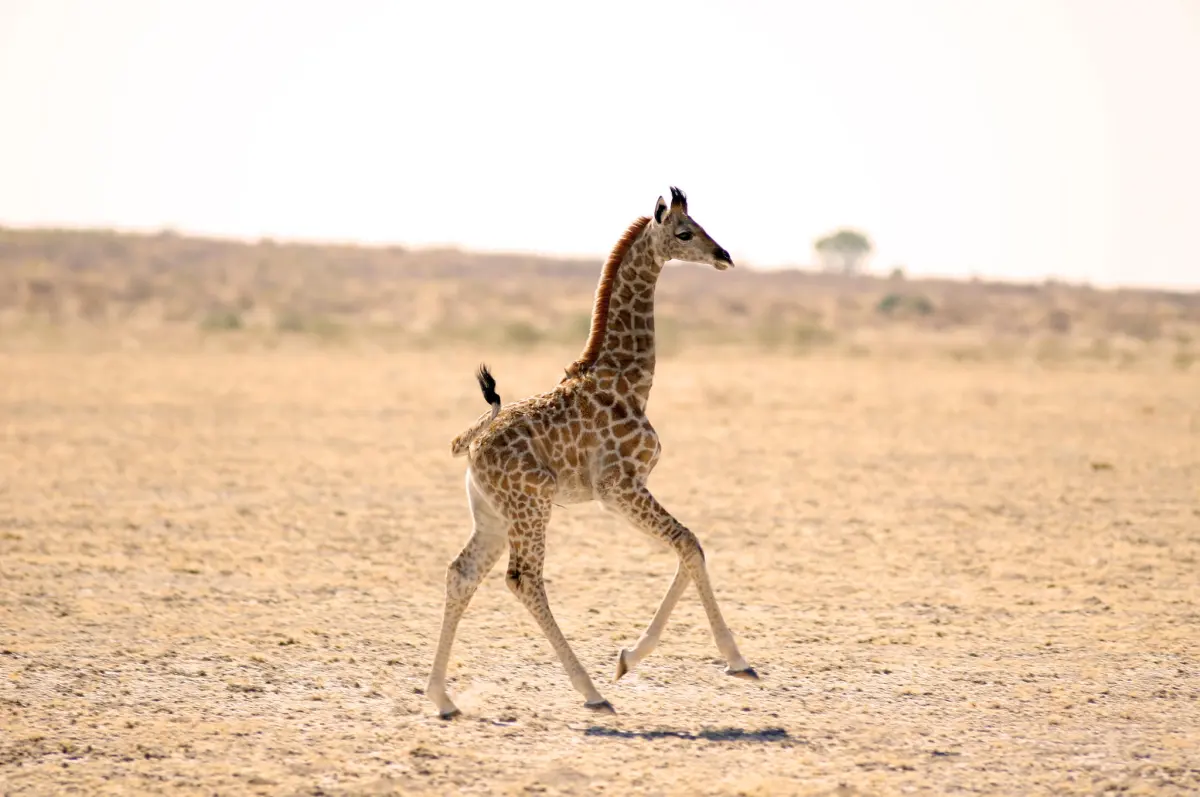
What do giraffes eat?
Short answer
Giraffes are specialized herbivores that primarily consume leaves, fruits, and flowers from woody plants. Their diet is dominated by acacia trees, which they strip using long, prehensile tongues. An adult giraffe requires approximately 75 pounds of vegetation daily to maintain its massive body weight and support its high-energy lifestyle in the savanna.
On this page
What is the primary diet of a giraffe?
Giraffes are classified as browsers, meaning they focus their feeding efforts on the upper canopy of trees and shrubs rather than grazing on grasses. Their anatomy is perfectly adapted for this high-altitude foraging, allowing them to reach foliage that is inaccessible to most other herbivores in their habitat. While they exhibit a strong preference for specific plant species, they are opportunistic feeders that will consume a wide variety of vegetation depending on seasonal availability.
The acacia tree is the most iconic and essential component of the giraffe's diet. These trees provide a nutrient-dense food source, though they are protected by long, sharp thorns. Giraffes have evolved specialized physical traits to bypass these defenses effectively:
- A thick, leathery tongue that reaches up to 20 inches in length.
- Tough, saliva-coated lips that protect against punctures.
- A narrow muzzle designed to navigate between thorny branches.
- A complex digestive system capable of processing fibrous plant material.
How do giraffes forage for food?
Foraging is a time-consuming activity that occupies the majority of a giraffe’s daylight hours. Because they must consume such a large volume of food to meet their metabolic needs, they spend between 10 and 12 hours every day actively feeding. They typically feed most intensely during the early morning and late evening, resting and ruminating during the heat of the midday sun.
When feeding, giraffes use their tongues to grasp branches and pull leaves into their mouths with a sweeping motion. They are highly selective feeders, often choosing the most nutrient-rich, young leaves at the very tips of branches. This selectivity ensures they receive optimal protein and mineral intake. During the dry season, when food becomes scarce, they may broaden their diet to include:
- Seed pods and flowers.
- Bark stripped from branches.
- Succulent plants that provide moisture.
- Fruit that has fallen to the ground.
Why do giraffes eat bones and soil?
While giraffes are herbivores, they occasionally engage in a behavior known as osteophagia, which involves chewing on animal bones. This may seem unusual for a plant-eater, but it serves a critical biological purpose. By gnawing on sun-bleached bones, giraffes ingest essential minerals, particularly calcium and phosphorus, which are necessary for maintaining their massive skeletal structure.
In addition to bone-chewing, giraffes are sometimes observed consuming soil or clay. This behavior, known as geophagy, is common among many ungulates and provides vital trace minerals that may be lacking in their primary diet of leaves. These supplemental feeding habits highlight the complex nutritional requirements of such a large mammal. By seeking out these non-plant sources, giraffes ensure they remain healthy even when the local vegetation lacks specific micronutrients required for long-term physiological maintenance and bone density.
Common mistakes when observing giraffe feeding
Many observers mistakenly believe that giraffes are constantly eating grass from the ground. While they can reach the ground by spreading their front legs—a posture known as "straddling"—this position is physically vulnerable and is primarily used for drinking water. Attempting to feed from the ground is difficult for an adult giraffe due to its long neck, and they generally avoid it unless absolutely necessary.
Another common error is assuming that giraffes are indiscriminate eaters. In reality, they are highly discerning and will frequently move between trees to find the best foliage. If you are observing giraffes in a natural or managed setting, avoid these common misconceptions:
- Do not assume a giraffe will eat any plant; they have strong preferences for specific species like acacia or mimosa.
- Do not interfere with feeding patterns by offering human food, which can cause severe digestive distress.
- Do not mistake the act of rumination—chewing cud—for active feeding, as this is a vital part of their digestion.
How do giraffes stay hydrated through food?
Water is a precious resource in the African savanna, and giraffes have adapted to survive for long periods without visiting a water hole. They obtain the majority of their required hydration directly from the moisture content found in the fresh leaves they consume. This biological efficiency allows them to inhabit arid regions where standing water is rare or seasonal.
When they do drink, it is a calculated risk, as the straddling position leaves them exposed to predators like lions. Consequently, they often drink in groups, with some individuals keeping watch while others lower their heads to the water. Their ability to extract moisture from vegetation is a testament to their evolutionary success in harsh environments. By relying on high-moisture foliage, giraffes minimize their need for dangerous trips to water sources, ensuring they can thrive in diverse landscapes ranging from dry woodlands to open, semi-arid plains.
Key facts
- Giraffes are browsers, primarily feeding on leaves, fruits, and flowers of woody plants.
- The acacia tree is their favorite food source, as its leaves are highly nutritious and accessible.
- An adult giraffe can consume up to 75 pounds of vegetation in a single day.
- Their prehensile, dark-colored tongues can reach up to 20 inches to grasp foliage.
- Giraffes spend approximately 16 to 20 hours a day feeding to meet their high caloric needs.
- They possess specialized salivary glands to coat sharp acacia thorns in thick mucus for safe digestion.
The bottom line
Giraffes are specialized browsers that dedicate most of their waking hours to consuming massive quantities of leaves, particularly from acacia trees. By utilizing their long, dexterous tongues and unique digestive adaptations, they efficiently navigate thorny vegetation to meet their high nutritional requirements. Understanding their feeding habits highlights how these gentle giants have evolved to thrive in the challenging environment of the African savanna by maximizing available resources.
People also ask
Do giraffes drink water often?
Giraffes only need to drink water every few days because they obtain most of their hydration from the moisture in fresh leaves. When they do drink, they must splay their front legs awkwardly to reach the water, making them vulnerable to predators.
How do giraffes avoid the thorns on acacia trees?
They use their long, muscular tongues to carefully maneuver around thorns and strip leaves from branches. Their tough, thick lips and saliva also provide protection against the sharp spikes found on many savanna plants.
Do giraffes eat grass?
While they prefer browsing from trees, giraffes will eat grass if food is scarce or if they require specific minerals. However, grazing is difficult for them due to their long necks and legs, so they rarely do it.
How much do giraffes weigh?
Adult male giraffes can weigh up to 3,000 pounds, while females typically weigh around 1,800 pounds. Their massive size requires a constant intake of leaves to maintain their energy levels throughout the day.
Do giraffes eat the same food all year?
Their diet changes based on the season, as they shift between different tree species depending on which ones are budding or fruiting. During the dry season, they rely heavily on evergreen trees to survive when other vegetation disappears.
Can giraffes eat poisonous plants?
Giraffes are selective eaters and have evolved to avoid many toxic plants that would harm other animals. Their keen sense of smell and taste helps them identify which leaves are safe to consume in their diverse habitat.
This answer was created with the help of AI research tools and reference sources. Spotted an error? Let us know — we correct mistakes quickly. See our editorial policy.