What colors can cats see?
Short answer
Cats see the world primarily in shades of blue, gray, and yellow. While they are not colorblind in the traditional sense, their vision lacks the receptors to distinguish reds, oranges, and browns. Their color spectrum is much more limited than a human’s, appearing somewhat like a muted, desaturated version of our vibrant world.

On this page
How do cats perceive color?
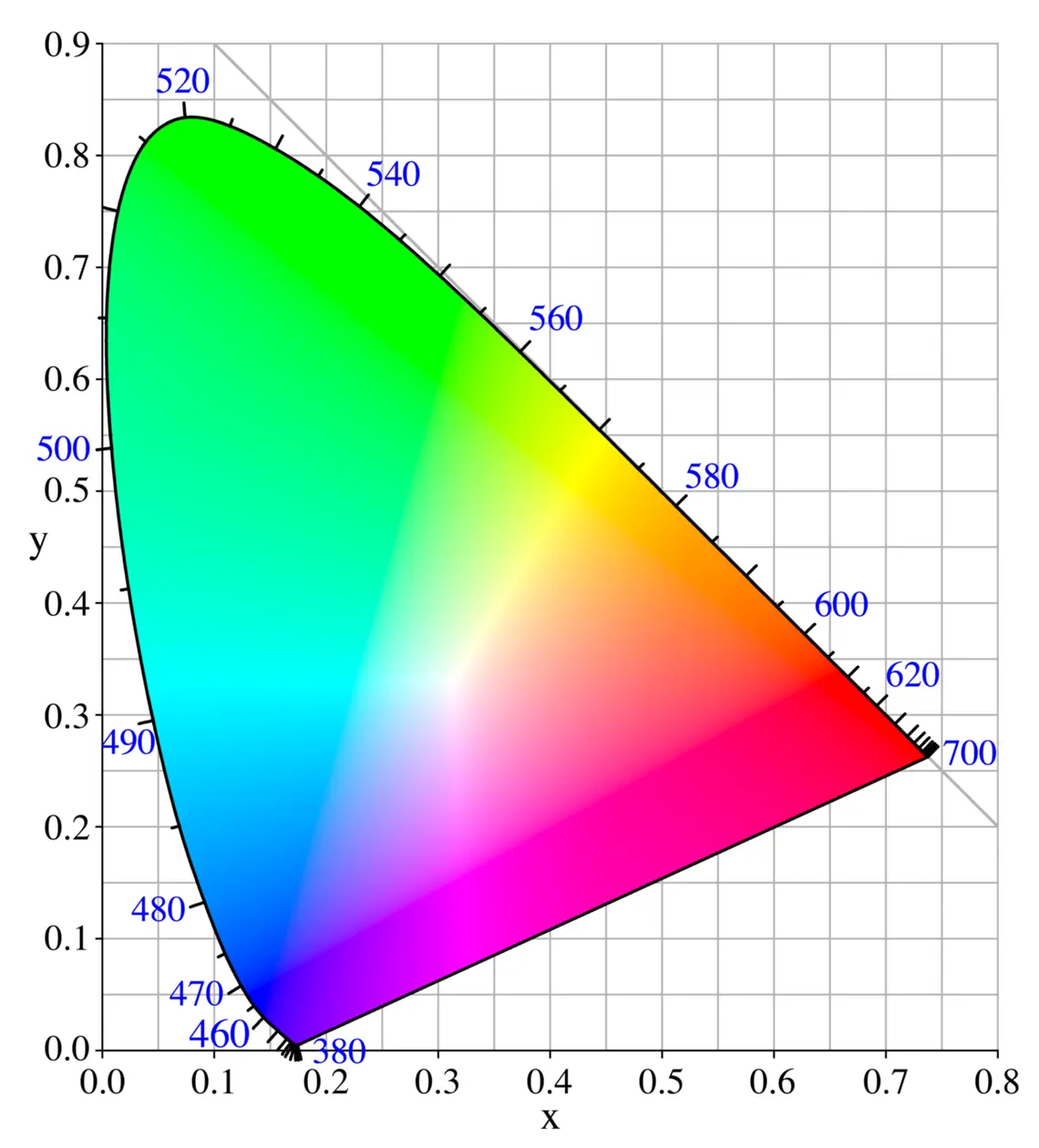
Cats possess a unique ocular anatomy that dictates how they process light and color. Within the retina, humans have three types of cone cells—photoreceptors responsible for color vision—that are sensitive to red, green, and blue light. Cats, conversely, have only two types of functional cones, which are primarily sensitive to blue and yellow wavelengths. This physiological limitation means that a cat’s brain cannot process the complex combinations of light that create the full spectrum of colors humans enjoy.
Because they lack the specific receptors for red, these colors likely appear as dark gray or black to a cat. Greens often appear as a washed-out white or a dull yellow. While a cat might not be able to tell the difference between a red toy and a green toy, they are highly sensitive to movement and low-light conditions. Their vision is optimized for detecting the slight motions of prey rather than distinguishing the nuanced hues of a garden or a living room.
Why do cats have different vision than humans?
The evolutionary history of the cat explains why their vision is structured the way it is. As crepuscular hunters, cats evolved to be most active during the dim light of dawn and dusk. To support this lifestyle, their eyes are packed with a high density of rod cells, which are sensitive to motion and light intensity rather than color. This adaptation allows them to navigate and hunt in environments where a human would be effectively blind, though it comes at the cost of color depth.
In addition to their rod-heavy retina, cats have a reflective layer behind the retina called the tapetum lucidum. This layer acts like a mirror, reflecting light back through the retina to give the photoreceptors a second chance to absorb photons. This feature significantly enhances their night vision but contributes to the "glow" seen in a cat's eyes when photographed with a flash. Their vision is a trade-off: they sacrifice the vibrant, color-rich world of a diurnal primate for the superior motion detection and low-light performance required by a stealthy predator.

How to choose the best toys for cats
Since cats struggle to distinguish between many colors, selecting toys based on color alone is often ineffective. Instead, you should focus on features that cater to their natural predatory instincts, such as texture, sound, and movement. If you want to select toys that are visually appealing to your pet, prioritize shades of blue and yellow, as these are the colors they can perceive most clearly.
When shopping for cat supplies, keep these practical tips in mind:
- Choose toys in bright blue or yellow to ensure they stand out against neutral backgrounds.
- Avoid red or orange toys if you want your cat to see them clearly, as these will likely blend into the background.
- Look for toys that incorporate feathers, fur, or crinkling materials to engage their sense of touch and hearing.
- Use laser pointers sparingly, as the red dot can be frustrating for cats because they cannot physically catch it or clearly perceive its color.

Common mistakes when testing cat vision
Many owners make the mistake of assuming that because a cat ignores a colorful object, it must be disinterested. In reality, the cat may simply be unable to perceive the object clearly against its surroundings. Another frequent error is testing a cat's vision by moving objects in a straight line at high speeds. Cats are biologically programmed to notice erratic, sudden movements; a toy that moves slowly or predictably may be ignored, even if the cat is looking directly at it.
To correctly observe your cat's visual capabilities, follow these steps:
- Place a yellow or blue object on a floor that is a contrasting shade, such as a dark hardwood or carpet.
- Move the object in short, jerky motions to mimic the behavior of a small rodent or insect.
- Observe if your cat’s pupils dilate or if they crouch into a hunting posture, which indicates they have successfully tracked the item.
- Avoid sudden, loud noises during the test, as these can trigger a startle response that overrides their visual focus.
What is the range of a cat’s vision?
Beyond color, a cat's field of view is significantly wider than that of a human. While humans have a field of view of about 180 degrees, cats possess a field of view of approximately 200 degrees. This extra peripheral vision allows them to monitor their surroundings for threats or prey without needing to move their heads. However, this comes with a trade-off in depth perception. Because their eyes are set forward but have a smaller overlap in their visual fields compared to humans, their ability to judge exact distances is slightly less precise, particularly for objects very close to their faces.
Furthermore, cats are naturally nearsighted. They see objects clearly at a distance of about one to two feet, which is the perfect range for inspecting prey they have just captured. Objects located beyond twenty feet tend to become blurry, regardless of color. Understanding these limitations helps owners provide a more stimulating environment. By placing interactive elements within their "sweet spot" of focus and utilizing colors they can actually perceive, you can significantly enhance your cat’s quality of life and engagement with their indoor world.
Key facts
- Cats possess dichromatic vision, meaning they primarily perceive the world through blue and yellow color receptors.
- They lack the red-sensitive cones found in human eyes, making red, orange, and pink appear as shades of gray or brown.
- A cat’s color vision is comparable to a human with red-green color blindness.
- Cats have a higher density of rod cells, which allows them to see movement and detail in low-light conditions far better than humans.
- When choosing toys, select blue or yellow items, as these colors are the most vibrant and easily distinguishable for your cat.
- Avoid buying red toys or laser pointers based on color, as your cat is likely tracking the movement rather than the hue of the light.
The bottom line
While cats do not experience the vivid, multi-colored world that humans do, their vision is highly specialized for survival. By focusing on blue and yellow shades, they navigate their environment effectively. Understanding that your cat views the world through a limited color spectrum allows you to choose toys and training tools that better align with their natural sensory strengths, ultimately enhancing their daily enrichment and play.
People also ask
Can cats see in total darkness?
No, cats cannot see in absolute pitch-black darkness. They require at least a small amount of ambient light to activate their highly sensitive retinas and tapetum lucidum.
Do cats prefer certain colors for their toys?
Cats generally show a preference for blue and yellow toys because these colors stand out clearly against their surroundings. Red, green, and brown objects often blend into a dull, monochromatic background for them.
How does a cat's vision compare to a human's?
Humans are trichromats, meaning we see a broad spectrum of colors, while cats are dichromats with a limited palette. However, cats compensate for this with superior motion detection and a wider field of view.
Is a cat's color vision affected by its breed?
No, color vision is a biological trait shared across all domestic cat breeds. While individual eye health can vary, the fundamental way their cones process light remains consistent across the species.
Why do cats stare at things that seem invisible to me?
Cats often track movement or detect light reflections that are too subtle for human eyes to notice. Their vision is optimized to perceive rapid motion, which helps them identify potential prey or environmental changes.
Should I worry if my cat seems to ignore colorful objects?
It is normal for cats to ignore certain colors because they simply cannot perceive them as distinct hues. If your cat ignores a toy, try moving it quickly to engage their natural hunting instinct rather than relying on the color.
This answer was created with the help of AI research tools and reference sources. Spotted an error? Let us know — we correct mistakes quickly. See our editorial policy.