How big do raccoons get?
Short answer
Raccoons typically weigh between 10 and 20 pounds, though their size varies significantly based on habitat and food availability. Adults usually measure 24 to 38 inches in total length, including their bushy tails. While some northern specimens can exceed 30 pounds during autumn, most raccoons remain within the standard weight range.

On this page
How much do raccoons weigh on average
The average adult raccoon generally weighs between 10 and 20 pounds. However, this weight is highly dependent on the animal’s geographic location and the time of year. Raccoons living in northern climates, such as Canada or the northern United States, often grow larger than their southern counterparts to better survive harsh winters. These northern individuals may reach weights of 25 to 30 pounds as they accumulate thick layers of fat before the onset of cold weather.
Food availability plays the most significant role in determining a raccoon's final size. In urban environments, where access to human trash and pet food is abundant, raccoons often exceed the average weight of wild forest-dwelling populations. These "city" raccoons frequently reach the upper limits of their species' size range due to a high-calorie diet. Conversely, raccoons in resource-scarce habitats remain leaner and smaller, often struggling to maintain the weight necessary for optimal reproductive health.
How long is a full-grown raccoon
A typical adult raccoon measures between 24 and 38 inches from the tip of its nose to the end of its tail. The tail alone accounts for a significant portion of this length, often measuring 8 to 16 inches long. This tail is characterized by its distinctive black rings and dense fur, which serves as both a balance aid and a fat storage organ. The body itself is stout and muscular, designed for climbing and scavenging.
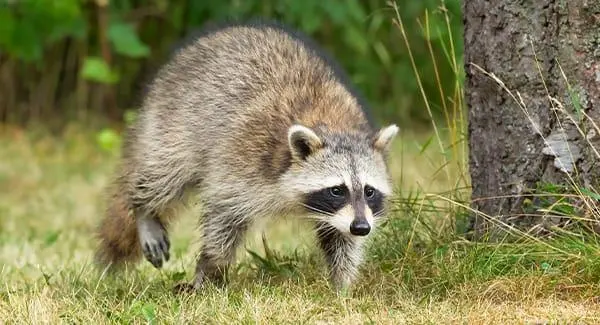
When observing a raccoon, it is easy to overestimate its size due to its thick, coarse coat. The fur creates a rounded, bulky silhouette that makes the animal appear larger than its skeletal structure suggests. If you are attempting to estimate the size of a raccoon in your yard, consider these physical markers:
- The head is broad with a pointed muzzle and a distinct black "mask" pattern.
- The legs are relatively short but strong, ending in dexterous, hand-like paws.
- The posture is often hunched, which can make the animal look shorter than its actual measured length.
Why do raccoons get so fat in autumn
Raccoons undergo a physiological shift as autumn approaches to prepare for the winter months. While they do not hibernate in the true sense, they do enter a state of lethargy during extreme cold, relying on stored body fat to survive when food is scarce. During the late summer and fall, raccoons enter a phase known as hyperphagia, where they consume vast quantities of calories to pack on weight. This is a survival mechanism that allows them to endure periods where they might not leave their dens for several days or weeks.
This rapid weight gain is a natural process, but it can lead to health issues in urban areas. When raccoons have unlimited access to human waste, they may gain excessive weight that exceeds what is biologically necessary for survival. This can lead to mobility issues and a higher susceptibility to diseases. If you are managing property, it is important to understand that this seasonal weight gain is normal and not necessarily an indication of an infestation or a sick animal.
Common mistakes when estimating raccoon size
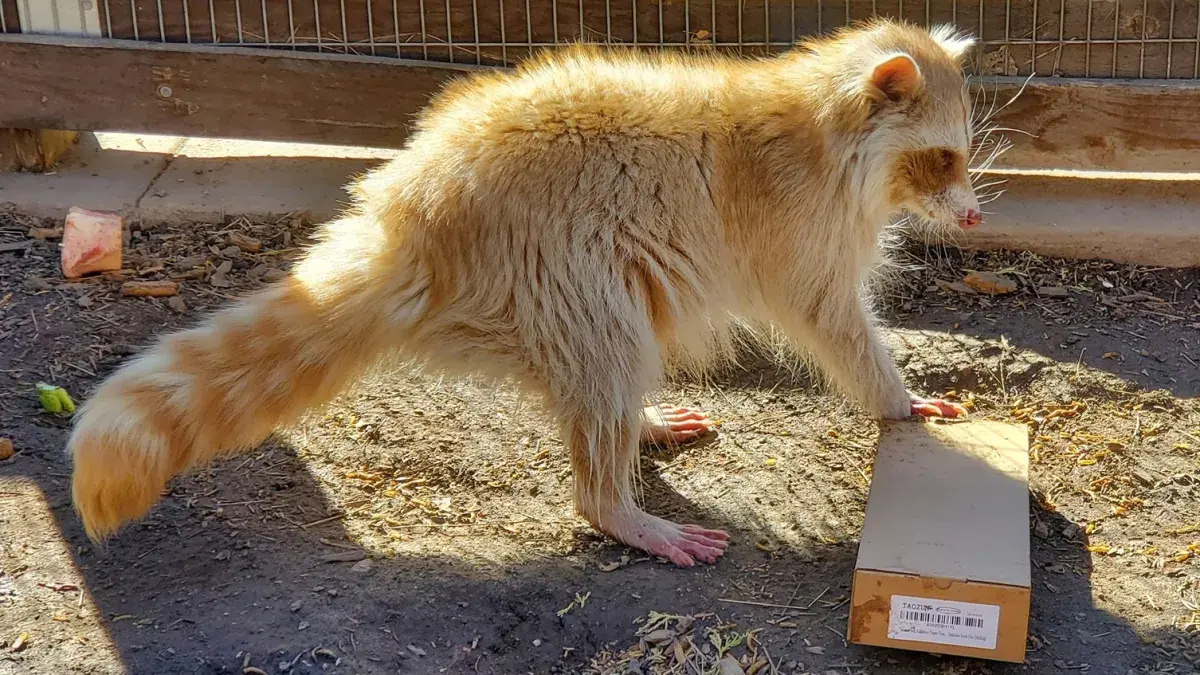
Many people struggle to accurately judge the size of a raccoon, often leading to exaggerated reports of "giant" animals. One common mistake is failing to account for the animal’s defensive posture. When a raccoon feels threatened, it will arch its back, puff out its fur, and growl, which can make it appear twice its actual size. This is a bluffing tactic designed to deter predators, and it is highly effective at deceiving human observers who may perceive the animal as a massive threat.
Another error involves confusing a raccoon with other wildlife, such as groundhogs or opossums. Because raccoons are nocturnal, sightings often occur in low-light conditions, making it difficult to distinguish features. To avoid misidentification, look for these specific traits:
- Check for the black mask around the eyes, which is unique to raccoons.
- Observe the tail; a raccoon’s tail is ringed, whereas an opossum’s tail is hairless.
- Note the movement; raccoons have a distinct, waddling gait and are excellent climbers, unlike groundhogs which primarily stay on the ground.
How to manage raccoons on your property
If you are concerned about the size or presence of raccoons near your home, the most effective strategy is to reduce attractants. Raccoons are opportunistic scavengers that will return to any location providing a reliable food source. By securing your property, you can discourage them from settling in your attic or under your porch. Follow these steps to make your home less appealing to these intelligent animals:
- Secure all trash cans with heavy-duty bungee cords or locking lids to prevent access.
- Remove pet food bowls from porches or decks at night to eliminate easy calories.
- Seal any openings in your roofline or foundation that are larger than four inches.
- Install motion-activated lights or sprinklers, which can startle raccoons and discourage them from lingering.
Do not attempt to feed raccoons, as this encourages them to lose their natural fear of humans and can lead to aggressive behavior. If you find a raccoon that appears unusually large or lethargic, do not approach it, as this may be a sign of illness or injury. Instead, contact a local wildlife professional who can safely assess the situation and provide appropriate guidance for removal or relocation if necessary.
Key facts
- Adult raccoons typically weigh between 10 and 20 pounds, though individuals in northern climates can reach 30 pounds or more before winter.
- An average raccoon measures 24 to 38 inches in length, including their distinctive bushy tail which accounts for about 10 inches of that total.
- Males are generally larger and heavier than females, often weighing 10 to 15 percent more than their counterparts.
- Raccoons reach their full adult size and weight within their first year of life, usually by the end of their first winter.
- Weight fluctuations are common; raccoons gain significant fat stores in the autumn to survive food shortages during colder months.
- Avoid feeding raccoons to encourage growth, as supplemental human food often leads to obesity, health issues, and dangerous habituation to humans.
The bottom line
Raccoons are highly adaptable mammals that typically weigh between 10 and 20 pounds, though seasonal fat storage and habitat quality can cause significant variations. While they reach their full skeletal size within a year, their weight fluctuates based on food availability and climate. Understanding their natural growth patterns helps in identifying healthy individuals and emphasizes the importance of not providing supplemental food to these wild animals.
People also ask
Do raccoons grow larger in urban environments?
Yes, urban raccoons often grow larger than their rural counterparts because they have consistent access to high-calorie human waste and pet food. This abundance of food allows them to maintain higher body mass throughout the year.
How can you tell if a raccoon is overweight?
An overweight raccoon will appear rounded or "barrel-shaped" rather than having a defined waistline. If the animal struggles to climb trees or moves with noticeable difficulty, it is likely carrying excess body fat.
Is there a significant size difference between subspecies?
Raccoons living in northern regions, such as Canada, tend to be larger and heavier than those living in tropical areas like Florida. This follows Bergmann's rule, which suggests animals in colder climates evolve larger bodies to conserve heat.
Do raccoons stop growing after they become adults?
Once a raccoon reaches sexual maturity around 10 to 12 months, its skeletal growth stops. While they may still fluctuate in weight due to seasonal changes, they do not continue to increase in length or height.
How large are raccoon kits when they are born?
Newborn kits are tiny, weighing only about 2 to 3 ounces. They grow rapidly, reaching roughly 10 to 12 pounds by the time they are six months old.
Can a raccoon's size affect its lifespan?
While being well-fed helps them survive winter, extreme obesity can lead to heart disease and diabetes in raccoons. Most wild raccoons only live 2 to 3 years due to predators, disease, and vehicle collisions, regardless of their size.
This answer was created with the help of AI research tools and reference sources. Spotted an error? Let us know — we correct mistakes quickly. See our editorial policy.