How do you make pesto?
Short answer
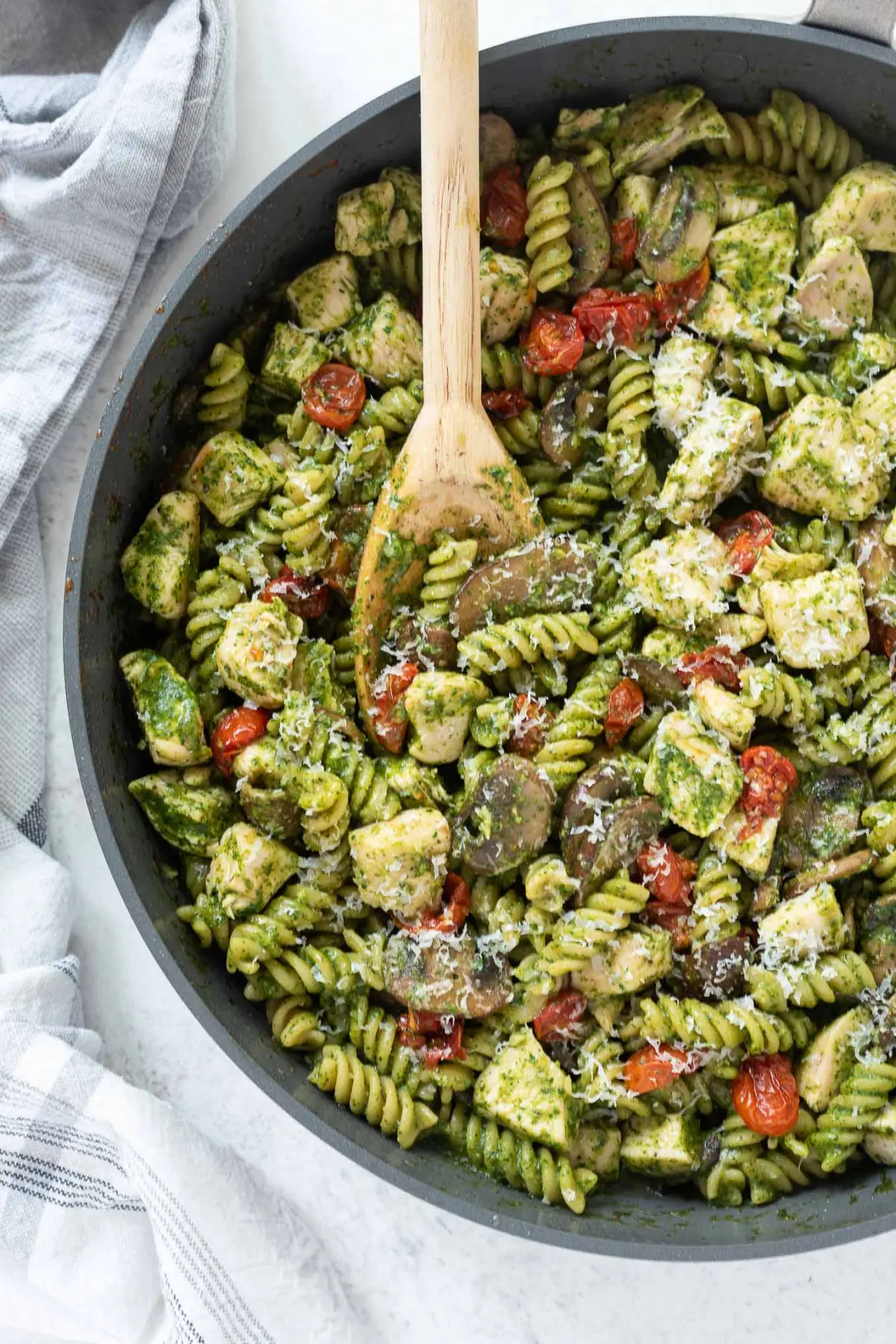
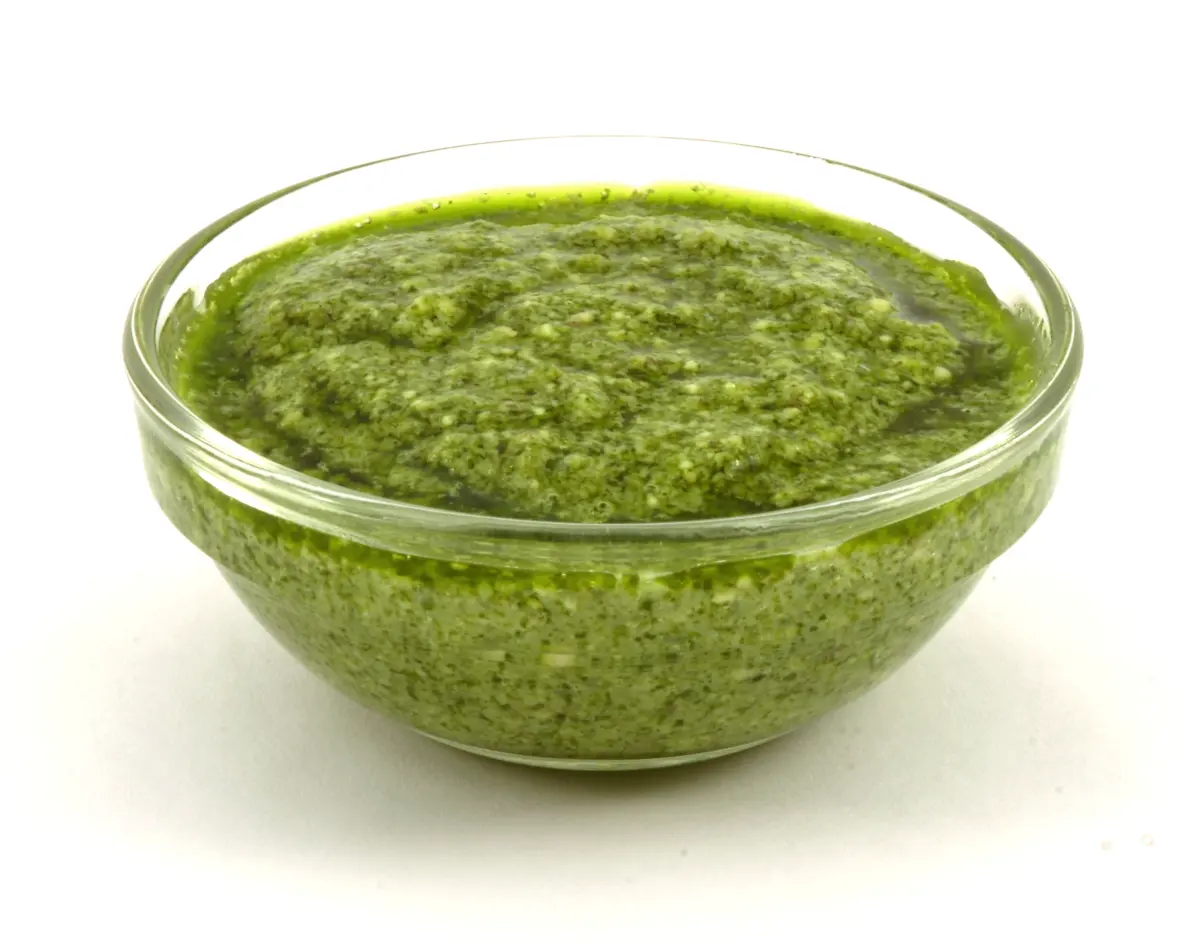
Pesto is a traditional Italian sauce made by blending fresh basil, pine nuts, garlic, hard cheese, and olive oil. To make it, combine these ingredients in a food processor or mortar and pestle until a coarse paste forms. It is a versatile, no-cook condiment perfect for pasta, sandwiches, or roasted vegetables.
On this page
What are the ingredients in pesto?
Authentic pesto alla genovese relies on high-quality, fresh components to achieve its signature vibrant flavor. The foundation is fresh basil leaves, which should be bright green and free of dark spots. Pine nuts provide a creamy, nutty base, while garlic adds a sharp, aromatic punch. Hard cheeses like Parmigiano-Reggiano or Pecorino Sardo contribute a necessary salty, savory depth. Finally, extra-virgin olive oil acts as the emulsifier that binds the ingredients into a cohesive, luxurious sauce.
To ensure the best results, source the freshest ingredients available. Using high-quality olive oil is particularly important, as its flavor will be prominent in the final product. Avoid pre-grated cheeses, as they often contain anti-caking agents that can affect the texture and melt of your pesto. If pine nuts are unavailable or too expensive, walnuts or almonds serve as acceptable, though slightly different, substitutes.
How to make pesto step by step
Making pesto is a straightforward process that requires minimal equipment. A food processor is the most common tool for modern kitchens, though a traditional mortar and pestle offers better control over the texture. Regardless of the method, the goal is to create a consistent, emulsified paste that maintains some texture rather than becoming a thin liquid.
- Toast the pine nuts in a dry pan over medium heat until golden brown, then let them cool completely.
- Pulse the garlic and pine nuts in a food processor until they are finely minced.
- Add the basil leaves and a pinch of sea salt, pulsing repeatedly while drizzling in the olive oil.
- Once the mixture is combined, fold in the grated cheese by hand or with a final quick pulse.
- Taste the sauce and adjust the salt or oil levels as needed to reach your preferred consistency.
How long does it take to make pesto?
The actual preparation time for pesto is remarkably short, typically taking no more than 10 to 15 minutes from start to finish. Most of this time is spent washing and drying the basil leaves and measuring your ingredients. If you choose to toast your pine nuts, add an extra three minutes to your preparation schedule. Because the process involves no cooking, it is one of the fastest ways to elevate a meal.
Efficiency in the kitchen can be improved by prepping all your ingredients before turning on the processor. Ensure your basil is thoroughly dried after washing, as excess water can prevent the oil and cheese from emulsifying properly. If you are using a mortar and pestle, the process will take slightly longer, perhaps 20 minutes, as you must grind the ingredients manually. This extra effort often results in a more aromatic sauce, as the physical crushing releases more essential oils from the basil.
Common mistakes when making pesto
One of the most frequent errors is over-processing the ingredients. When a food processor runs for too long, the friction generates heat, which can turn the bright basil leaves a dull, brownish color. Furthermore, excessive blending can turn the sauce into an overly smooth puree, stripping away the pleasant, rustic texture that defines traditional pesto. Always pulse the machine in short bursts rather than running it continuously.
Another common mistake involves the order of operations. Adding the cheese too early can lead to a grainy texture, as the cheese may break down too much or become oily. It is best to add the cheese at the very end of the process. Additionally, failing to toast the nuts can result in a raw, flat flavor profile. Taking the time to lightly toast your pine nuts or walnuts unlocks their natural oils, providing a much richer and more complex base for the sauce.
Best ways to store pesto
Pesto is highly perishable and begins to oxidize as soon as it is exposed to air. To keep it fresh, store it in an airtight container in the refrigerator for up to three days. To prevent the surface from darkening, pour a thin layer of olive oil over the top of the pesto before sealing the container. This creates a barrier against the air, which helps maintain the vibrant green color of the basil.
For longer storage, pesto freezes exceptionally well. You can portion the sauce into ice cube trays, freeze them solid, and then transfer the cubes to a freezer-safe bag. This allows you to pull out small, single-serving portions whenever you need them. When you are ready to use the frozen pesto, let it thaw in the refrigerator or stir it directly into hot pasta, where the residual heat will melt it into a perfect, fresh-tasting sauce.
Key facts
- Pesto alla Genovese originated in Genoa, Italy, and traditionally relies on Genovese basil for its signature sweet, peppery flavor.
- Use a mortar and pestle for the best texture, as the crushing motion releases aromatic oils without bruising the herbs like a metal blade.
- Toast pine nuts lightly in a dry pan until golden to enhance their natural nuttiness before blending.
- High-quality extra virgin olive oil is essential, as its flavor profile significantly impacts the final taste of the sauce.
- Add the cheese last to prevent it from overheating and becoming stringy or clumpy during the blending process.
- To prevent oxidation, press a thin layer of olive oil over the surface of the pesto or place plastic wrap directly against it before refrigerating.
The bottom line
Making authentic pesto is a simple process of emulsifying fresh basil, pine nuts, garlic, hard cheese, and olive oil. By focusing on high-quality ingredients and avoiding the heat generated by high-speed blenders, you can achieve a vibrant, aromatic sauce. Whether served over pasta, spread on crusty bread, or used as a marinade, homemade pesto offers a fresh, flavorful versatility that far surpasses store-bought alternatives.
People also ask
Can I substitute pine nuts with other nuts?
Yes, walnuts, almonds, or pistachios are common alternatives that provide a similar creamy consistency. Keep in mind that these nuts have distinct flavor profiles that will slightly alter the traditional taste of the pesto.
Why does my pesto turn brown?
Pesto browns when the basil leaves are exposed to oxygen, a process known as oxidation. To keep it bright green, blanch the basil in boiling water for ten seconds and shock it in an ice bath before blending.
How long can I keep homemade pesto in the fridge?
Homemade pesto typically stays fresh in an airtight container for three to five days. Ensure the top is covered with a thin layer of oil to create a barrier against air.
Can I freeze pesto?
Pesto freezes exceptionally well for up to six months. Freeze it in ice cube trays for easy portioning, then transfer the frozen cubes into a freezer-safe bag.
Should I wash the basil before making pesto?
Yes, wash the leaves gently and dry them thoroughly using a salad spinner or paper towels. Excess water will dilute the sauce and prevent the oil and cheese from emulsifying properly.
Is it necessary to use Parmesan cheese?
Traditionally, a mix of Parmigiano-Reggiano and Pecorino Sardo is used for a balance of saltiness and depth. You can use any hard, aged cheese, but these classic choices provide the most authentic flavor.
This answer was created with the help of AI research tools and reference sources. Spotted an error? Let us know — we correct mistakes quickly. See our editorial policy.