Where do bobcats live?
Short answer
Bobcats are highly adaptable predators native to North America, ranging from southern Canada through the contiguous United States to central Mexico. They thrive in diverse environments, including forests, swamps, deserts, and suburban areas. Because they are elusive and solitary, they inhabit territories spanning several square miles to secure sufficient prey and shelter.
On this page
Where do bobcats live geographically?
Bobcats (Lynx rufus) possess one of the most extensive geographic distributions of any North American feline. Their range stretches across nearly the entire continental United States, reaching north into the southern provinces of Canada and south into the tropical forests of Oaxaca, Mexico. Unlike many other wild cats that require specific, undisturbed wilderness, bobcats have demonstrated a remarkable ability to survive in almost every state except perhaps for parts of the Midwest where intensive agriculture has removed necessary cover.
Their adaptability allows them to occupy a variety of biomes, though they show a preference for areas that provide a mix of dense cover and open hunting grounds. You can find them in the following regions:
- The coniferous and mixed forests of the Pacific Northwest and the Appalachian Mountains.
- The arid desert scrublands of the American Southwest, including Arizona and Nevada.
- The expansive swamplands of the Florida Everglades and the Louisiana bayous.
- The brush-filled transition zones between grasslands and woodlands throughout the Great Plains.
What kind of habitats do bobcats prefer?
A bobcat’s choice of home is primarily dictated by the availability of prey and the presence of den sites. They are not strictly tied to one type of terrain, but they do require "edge" habitats—areas where two different types of ecosystems meet, such as where a forest transitions into a meadow. These zones offer the best of both worlds: thick vegetation for stalking and hiding, and open spaces where small mammals like rabbits and rodents are most active.
When selecting a home range, bobcats look for specific structural features:
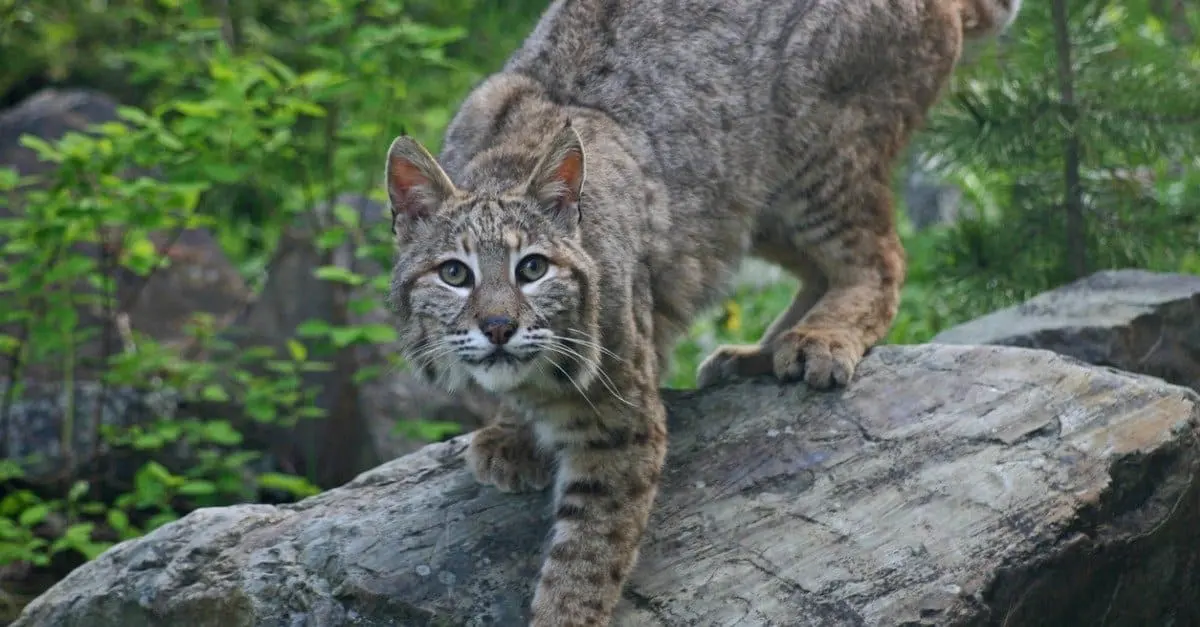
- Dense underbrush or rocky outcrops that provide concealment from larger predators and humans.
- Proximity to reliable water sources, such as streams, ponds, or lakes, which attract prey.
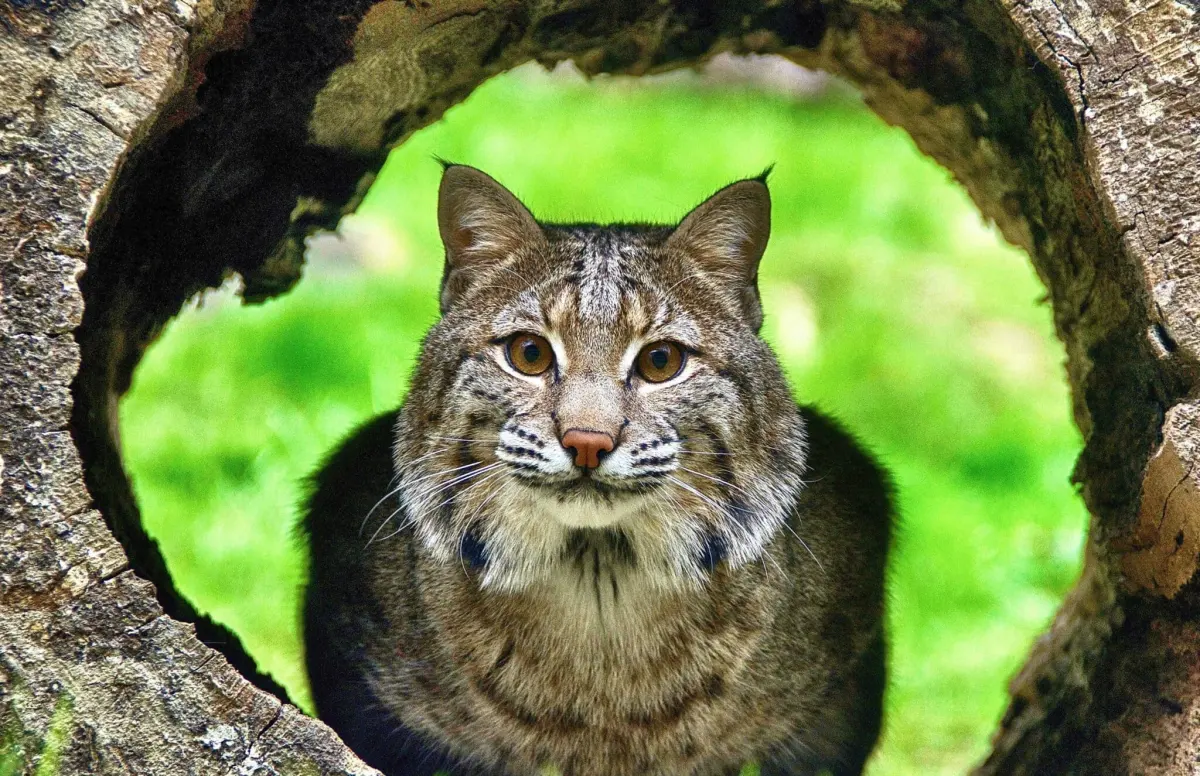
- Elevated areas or hollow logs that serve as secure dens for raising kittens.
- Sufficient distance from high-traffic roads or industrial zones to minimize the risk of vehicle collisions.
How large is a bobcat’s home range?
The size of a bobcat’s territory is highly variable and depends largely on the abundance of food in the area. In regions where prey is plentiful, a bobcat may only need a few square miles to sustain itself. Conversely, in harsher environments like deserts or high-altitude mountains where food is scarce, an individual bobcat may roam over 50 to 100 square miles to meet its caloric needs. Males typically maintain larger territories than females, and their ranges often overlap with those of several females.
These territories are not strictly defended like those of some other carnivores, but bobcats are solitary animals that generally avoid direct contact with others of their species. They mark their boundaries using scent, such as urine or feces, and by scratching trees. This chemical signaling serves as a "keep out" sign to other bobcats, reducing the need for physical confrontation. If you are tracking them, you will rarely see two adults together unless it is during the mating season or a mother is with her kittens.
Can bobcats live near humans?
Bobcats are increasingly common in suburban and semi-rural environments, a phenomenon known as urban adaptation. As human development expands into previously wild areas, bobcats have learned to navigate these fragmented landscapes. They are nocturnal or crepuscular, meaning they are most active at dawn and dusk, which helps them avoid human activity during the day. While they are generally shy and will flee if detected, they are opportunistic hunters and may visit residential yards if they find bird feeders that attract rodents or unsecured pet food.
Living near bobcats requires awareness and a few practical adjustments to avoid conflict:
- Secure all trash cans with locking lids to prevent attracting small animals that bobcats hunt.
- Keep small pets indoors, especially from dusk until dawn, when bobcats are most active.
- Remove piles of brush or wood near your home, as these serve as ideal hiding spots for bobcats.
- Install motion-activated lights, which can startle a bobcat and encourage it to move to a different area.
Common mistakes when looking for bobcats
One of the most frequent errors people make is assuming that bobcats are easy to spot because they live in suburban areas. In reality, their camouflage is exceptional; their spotted coats blend perfectly with dappled light and shadows in the brush. People often look for them in the middle of the day, which is when these cats are most likely to be sleeping in a hidden den. If you are hoping to observe them, you must be patient, remain quiet, and look for movement during the low-light hours of the early morning or late evening.
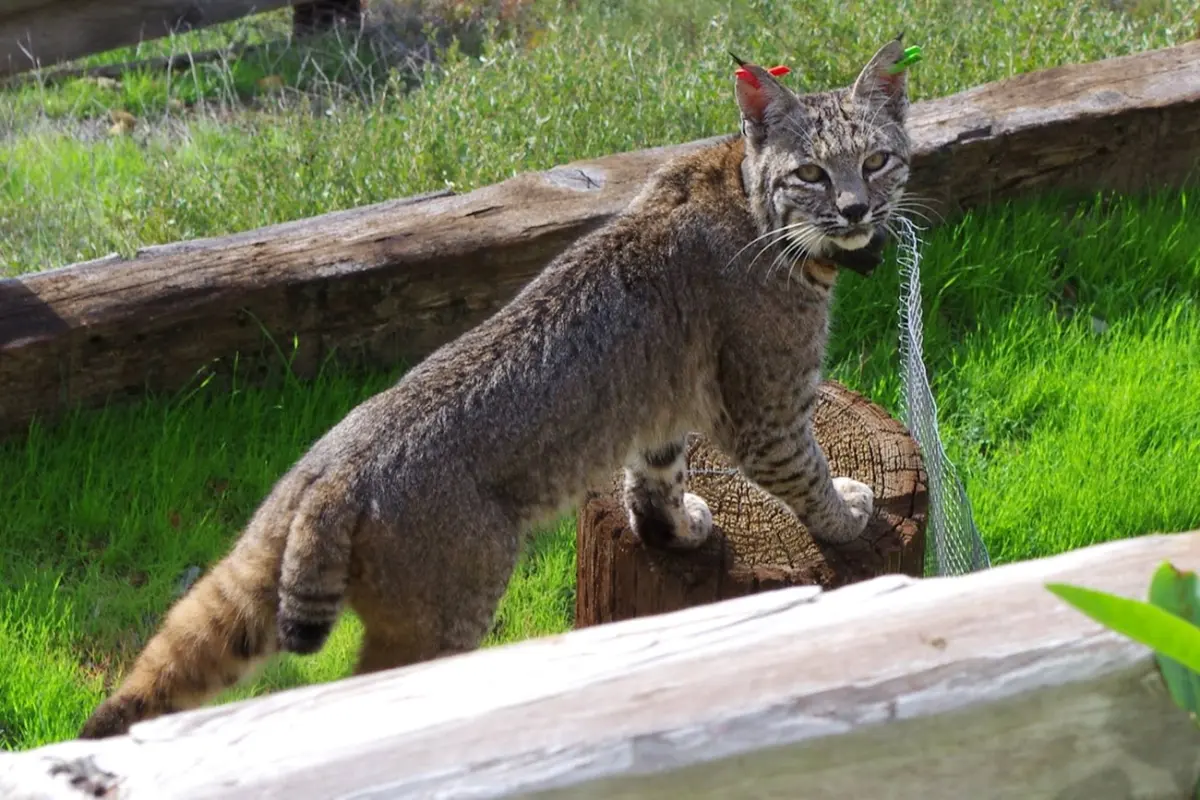
Another mistake is misidentifying other animals as bobcats. Domestic cats, especially large breeds or feral tabbies, are often mistaken for bobcats by casual observers. To distinguish a bobcat, look for these specific physical markers:
- A very short, "bobbed" tail, usually 4 to 6 inches long, often with a black tip.
- Distinctive ear tufts, though these can be small and hard to see from a distance.
- Large, muscular hind legs that give them a slightly crouched, powerful appearance.
- A ruff of fur on the sides of the face that resembles mutton-chop sideburns.
Key facts
- Bobcats are native to North America, ranging from southern Canada through the United States and down into central Mexico.
- They are highly adaptable and thrive in diverse environments including forests, swamps, deserts, and even suburban areas.
- A bobcat’s home range typically spans 5 to 20 square miles, depending on the availability of prey and local terrain.
- These solitary hunters prefer areas with dense underbrush or rocky outcrops to provide cover for stalking and resting.
- They avoid extreme northern regions with deep, persistent snow because their relatively small paws are not adapted for walking on top of drifts.
- To avoid bobcats in your yard, secure pet food, remove brush piles, and ensure trash cans are tightly sealed to prevent attracting their prey.
The bottom line
Bobcats are incredibly resilient predators that occupy a vast range across the North American continent. By favoring habitats with dense cover, they successfully integrate into both wild landscapes and suburban fringes. While they are masters of stealth and rarely interact with humans, understanding their need for prey and shelter helps residents coexist peacefully with these elusive cats by securing food sources and maintaining clear property boundaries.
People also ask
Are bobcats dangerous to humans?
Bobcats are generally shy and avoid human contact whenever possible. They pose very little threat to people, though they may act defensively if cornered or if they are protecting kittens.
How can I tell if a bobcat is living near my property?
You might notice tracks that are roughly two inches wide with no visible claw marks, as bobcats retract their claws while walking. Other signs include scat left on trails or scratch marks on tree trunks used for scent marking.
Do bobcats hunt domestic pets?
While they primarily hunt rabbits, rodents, and birds, bobcats may occasionally target small outdoor pets like cats or small dogs. Keeping pets indoors at night is the most effective way to prevent these encounters.
How do bobcats choose their dens?
They select secluded locations such as hollow logs, rock crevices, or dense thickets to raise their young. These sites are chosen specifically for their ability to provide protection from the elements and larger predators.
Do bobcats migrate during the winter?
No, bobcats are non-migratory animals that maintain the same home range throughout the year. They simply adjust their activity patterns to focus on areas where prey remains active during colder months.
Can bobcats climb trees?
Yes, bobcats are excellent climbers and frequently use trees to escape danger or gain a vantage point for hunting. They are also capable swimmers, though they typically avoid water unless necessary.
This answer was created with the help of AI research tools and reference sources. Spotted an error? Let us know — we correct mistakes quickly. See our editorial policy.