How do you make pumpkin pie?
Short answer
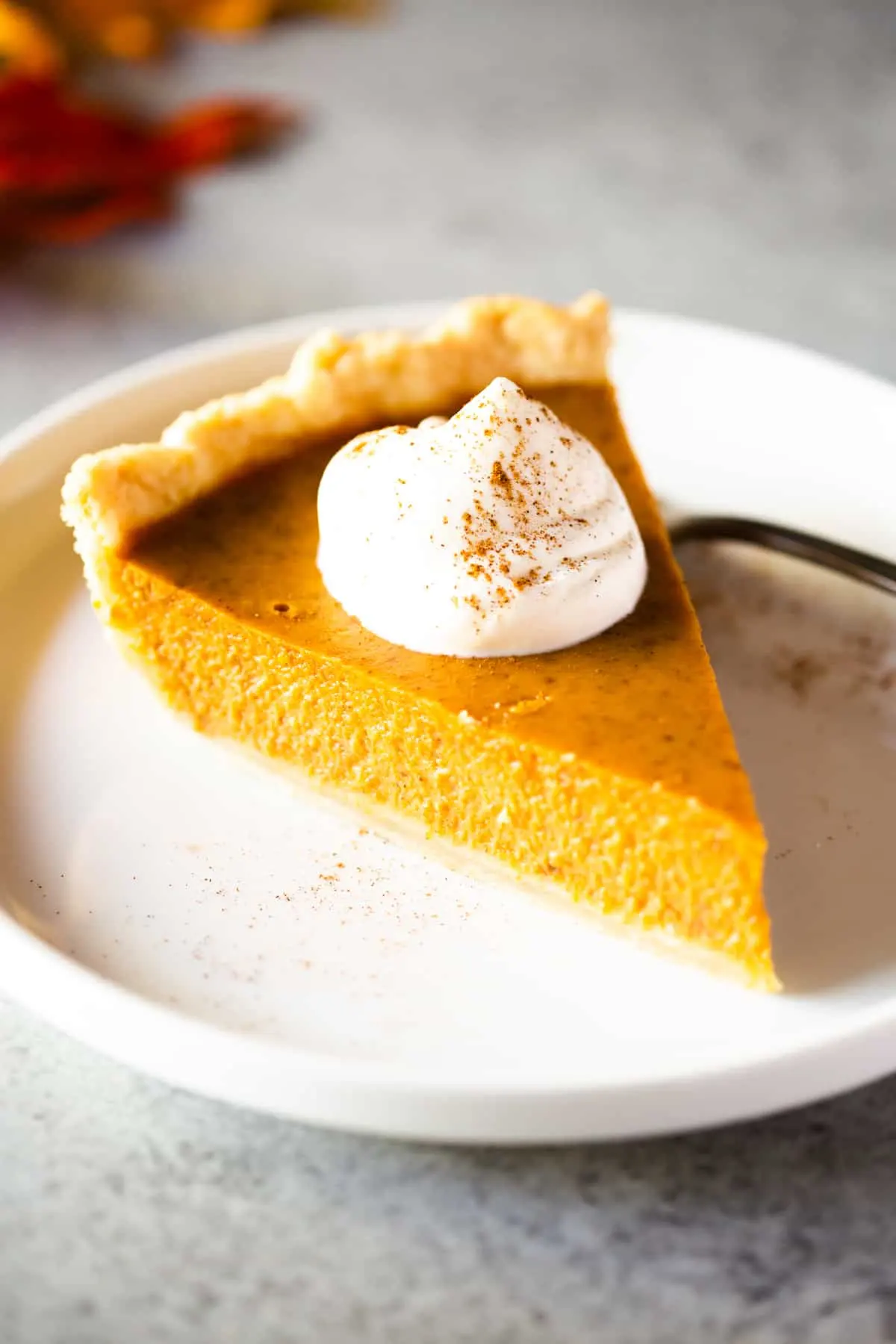
Making pumpkin pie involves whisking canned or roasted pumpkin purée with eggs, sugar, spices, and evaporated milk or cream. This custard mixture is poured into a pre-baked or raw pie crust and baked at 350°F to 425°F until the center is set but slightly jiggly. Cool completely before serving.
On this page
How to prepare the pumpkin filling
The foundation of a successful pumpkin pie is the custard base. Start by whisking together 15 ounces of pumpkin purée, 3/4 cup of granulated sugar, and 1/2 cup of packed brown sugar. Incorporate two large eggs, which provide the structure for the pie as it sets in the oven. For the signature flavor profile, add a blend of spices: 1 teaspoon ground cinnamon, 1/2 teaspoon ground ginger, 1/4 teaspoon ground cloves, and 1/2 teaspoon salt.
Gradually stir in 12 ounces of evaporated milk or heavy cream. Using evaporated milk is a classic choice because its lower water content prevents the custard from becoming soggy. Whisk the mixture until it is entirely smooth and uniform in color. If you prefer a more refined texture, you can strain the mixture through a fine-mesh sieve to remove any fibrous pumpkin strands before pouring it into your prepared crust.
How to choose the best crust
You can use a homemade butter crust or a high-quality store-bought version. A butter-based crust offers a superior, flaky texture compared to shortening-based alternatives. If you are making the dough from scratch, ensure your butter is cubed and chilled to the point of being rock-hard. This creates small pockets of fat that expand during baking, resulting in distinct, crisp layers.
- Roll your dough out on a lightly floured surface to a 12-inch circle.
- Carefully drape the dough over a 9-inch pie plate, pressing it gently into the bottom and sides.
- Trim the excess dough and crimp the edges using your fingers or a fork for a decorative finish.
- For a crispier bottom, consider "blind baking" the crust for 10 minutes at 375°F before adding the filling.
How long does it take to bake
Baking times vary based on the temperature used and your specific oven calibration. A common method is to start the pie at a higher heat of 425°F for the first 15 minutes to set the crust, then reduce the temperature to 350°F for the remaining 40 to 50 minutes. This two-stage process ensures the crust stays crisp while the custard cooks gently without cracking.
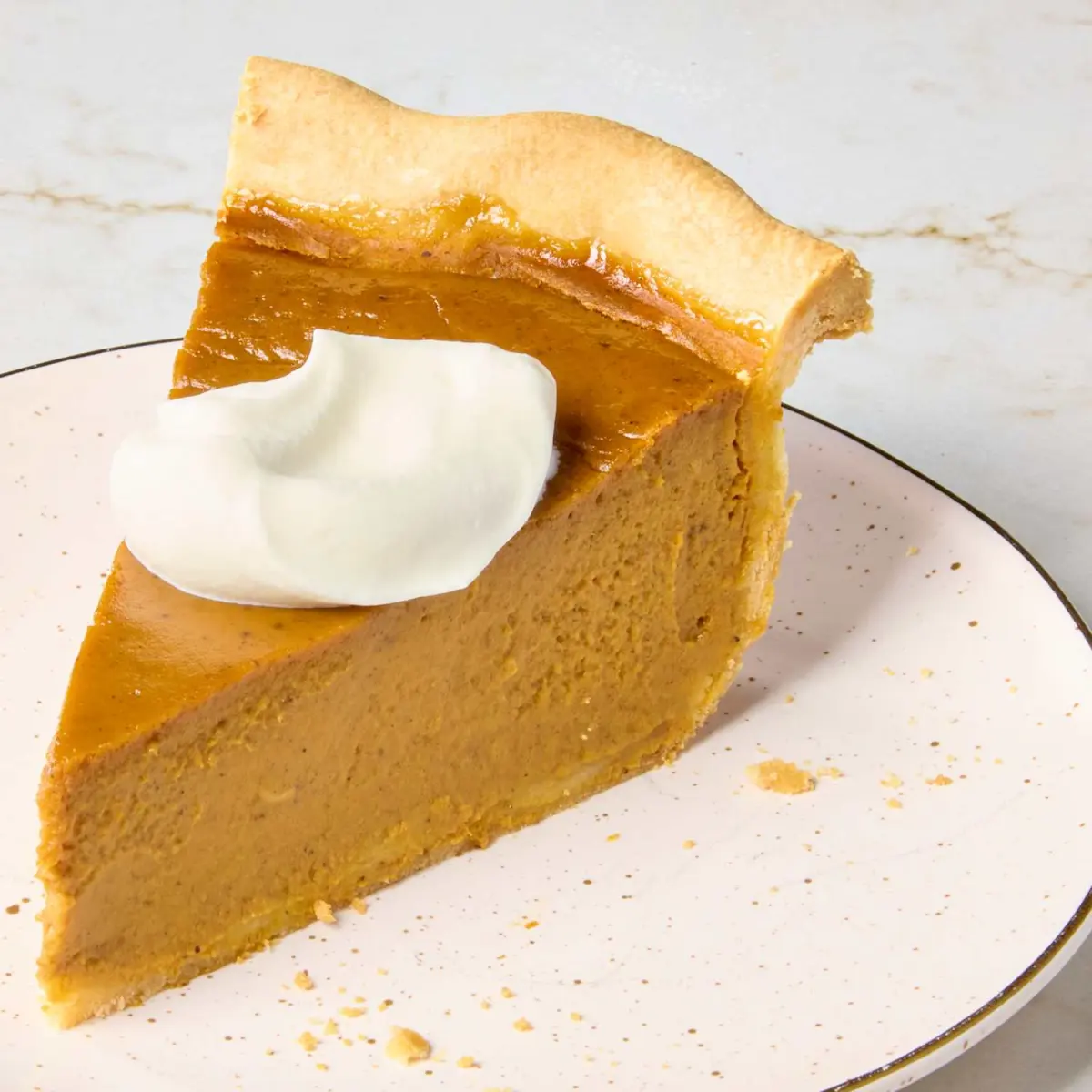
You can determine if the pie is done by observing the edges and the center. The edges should look slightly puffed and firm, while the center should still have a slight, uniform jiggle when the pan is nudged. If the center looks liquid or sloshes aggressively, it requires more time. Avoid overbaking, as this causes the proteins in the eggs to tighten too much, which leads to a cracked surface and a grainy, unpleasant texture.
Common mistakes when making pumpkin pie
The most frequent error is neglecting to cool the pie properly. Because pumpkin pie is a custard, it continues to set as it drops to room temperature. Cutting into the pie while it is still warm will result in a runny, messy slice that fails to hold its shape. Always allow the pie to rest on a wire rack for at least three to four hours before slicing.
Another common mistake is using pumpkin pie filling instead of pure pumpkin purée. Canned pumpkin pie filling is pre-sweetened and spiced, which will throw off the balance of your recipe if you add additional ingredients. Always check the label to ensure the ingredient list contains only pumpkin. Additionally, avoid using high-speed blenders to mix your custard, as this incorporates too much air into the base, which can cause the pie to rise and then collapse during the cooling process.
Why the filling cracks
Cracking is a common frustration caused by temperature fluctuations or overcooking. When the custard is heated past the point of coagulation, the egg proteins contract and squeeze out liquid, causing the surface to split. To prevent this, monitor the internal temperature of the pie; it is perfectly cooked when the center reaches approximately 175°F. Using a digital thermometer is the most accurate way to avoid the guesswork associated with visual cues.
If you find that your pie is browning too quickly on the edges before the center is set, use a pie shield or a ring of aluminum foil to cover the crust. This protects the delicate edges from burning while the center continues to cook. Once the pie is finished, let it cool in a draft-free area, as sudden temperature changes can also contribute to structural cracks. Following these precise steps will ensure a smooth, professional-looking dessert every time you bake.
Key facts
- Use canned pumpkin purée rather than pumpkin pie filling, as the latter contains pre-added sugar and spices.
- Blind-bake your pie crust for 10 to 15 minutes before adding the filling to prevent a soggy bottom.
- Evaporated milk provides a creamier, more stable texture than standard dairy milk or heavy cream.
- A standard 9-inch pie typically requires 15 ounces of pumpkin purée and two large eggs.
- Freshly grated nutmeg and cinnamon offer a more potent, aromatic flavor profile than pre-ground spices.
- The pie is fully cooked when the edges are set but the center still has a slight, gelatinous jiggle.
The bottom line
Creating the perfect pumpkin pie requires balancing moisture and structure through precise ingredients like evaporated milk and fresh spices. By blind-baking your crust and carefully monitoring the oven temperature to avoid overcooking, you ensure a smooth, professional-grade custard. Patience is essential, as allowing the pie to cool completely is the final step in achieving the ideal consistency for a classic, crowd-pleasing holiday dessert.
People also ask
Can I use a fresh pumpkin instead of canned purée?
Yes, but you must roast and strain the pumpkin thoroughly to remove excess water. Fresh pumpkins vary in moisture content, which can prevent the custard from setting properly.
Why did my pumpkin pie crack on top?
Cracking usually occurs due to overbaking or cooling the pie too quickly. Remove the pie from the oven as soon as the center is set and let it cool gradually at room temperature.
Is it necessary to use a blind-baked crust?
While not strictly required, blind-baking ensures the crust remains crisp under the heavy, moist custard. It is the most effective technique to avoid an undercooked, doughy bottom layer.
How do I know when the pie is finished baking?
Insert a knife one inch from the edge; it should come out clean. The center should remain slightly wobbly, as the residual heat will finish the setting process during cooling.
Can I prepare the pie a day in advance?
Pumpkin pie is best served after chilling for at least four hours, making it an ideal make-ahead dessert. Store it in the refrigerator to maintain the integrity of the custard.
What is the purpose of adding eggs to the filling?
Eggs act as the primary binding agent that transforms the liquid pumpkin and milk mixture into a sliceable custard. Without sufficient eggs, the pie will remain runny or fail to hold its shape.
This answer was created with the help of AI research tools and reference sources. Spotted an error? Let us know — we correct mistakes quickly. See our editorial policy.