How do you make chocolate chip cookies?
Short answer
Making chocolate chip cookies involves creaming butter and sugars, incorporating eggs and vanilla, then mixing in flour, baking soda, and chocolate chips. Bake the dough portions at 350°F (175°C) for 10 to 12 minutes until the edges are golden. Proper ingredient ratios and temperature control are essential for achieving the perfect texture.
On this page
How to prepare the dough
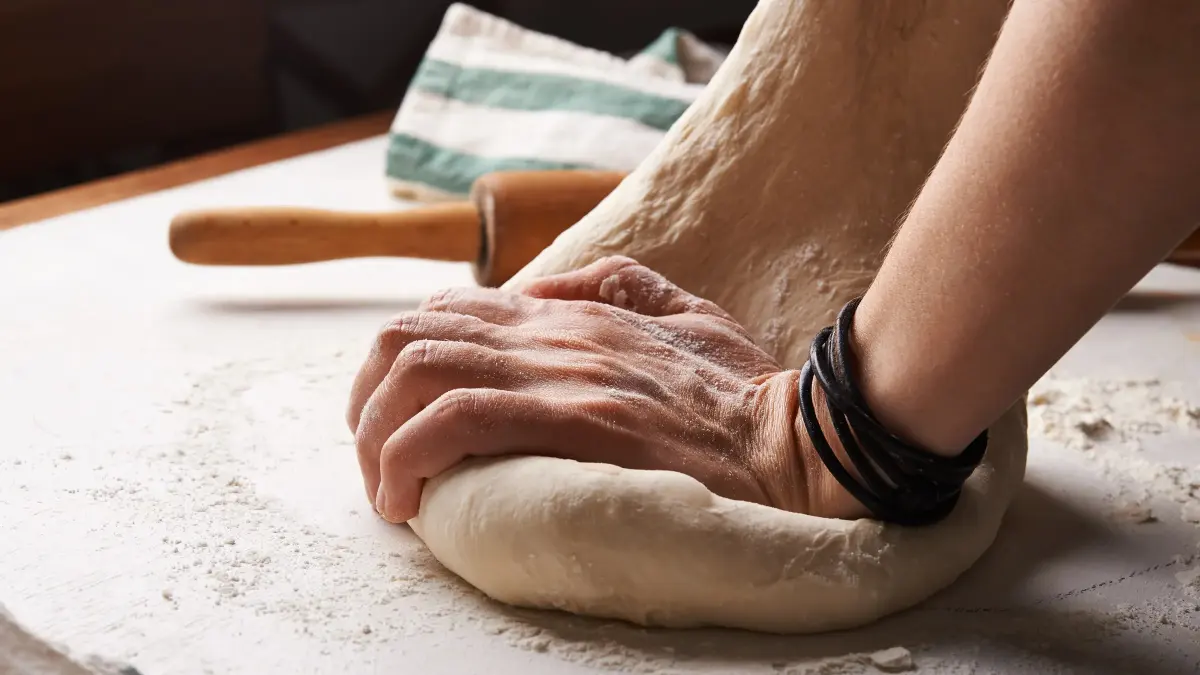
The foundation of a classic chocolate chip cookie is the creaming method. Begin by beating softened unsalted butter with granulated sugar and packed brown sugar until the mixture is light and fluffy. This process incorporates air into the fat, which helps the cookies rise and creates a tender crumb. Add eggs one at a time, followed by vanilla extract, ensuring each is fully integrated before adding the next.
Once the wet ingredients are combined, gradually stir in the dry components: all-purpose flour, baking soda, and a pinch of salt. It is vital not to overmix the dough at this stage, as excessive agitation develops gluten, resulting in a tough cookie. Finally, fold in high-quality semi-sweet chocolate chips or chunks by hand. For the best flavor and texture, chill the finished dough in the refrigerator for at least 30 minutes before baking to allow the fats to solidify.
How long does it take to bake
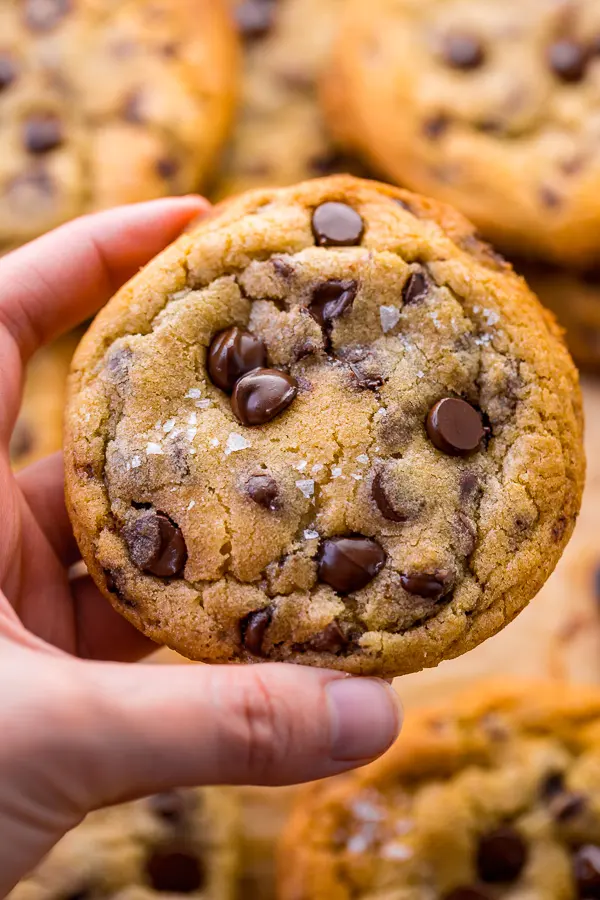
Most standard-sized chocolate chip cookies require between 10 and 12 minutes in a preheated oven set to 350°F (175°C). The exact timing depends on the size of the dough balls and the desired final texture. For a chewy center and crisp edges, remove the cookies when the edges appear set and golden, even if the centers look slightly underdone. The residual heat on the baking sheet will finish cooking the middle.
- Preheat your oven to 350°F (175°C) and line a baking sheet with parchment paper.
- Scoop rounded tablespoons of dough onto the sheet, spacing them two inches apart.
- Bake for 10 to 12 minutes, rotating the pan halfway through for even browning.
- Let the cookies cool on the baking sheet for five minutes before transferring them to a wire rack.
Best ingredients for beginners
Using high-quality ingredients significantly impacts the final result. Select room-temperature butter, as cold butter will not cream properly with the sugar, leading to uneven spreading. Use a combination of white and brown sugars; the white sugar provides crisp edges, while the molasses content in brown sugar adds moisture and a deep, caramel-like flavor. Pure vanilla extract is superior to imitation varieties, offering a more complex aromatic profile.
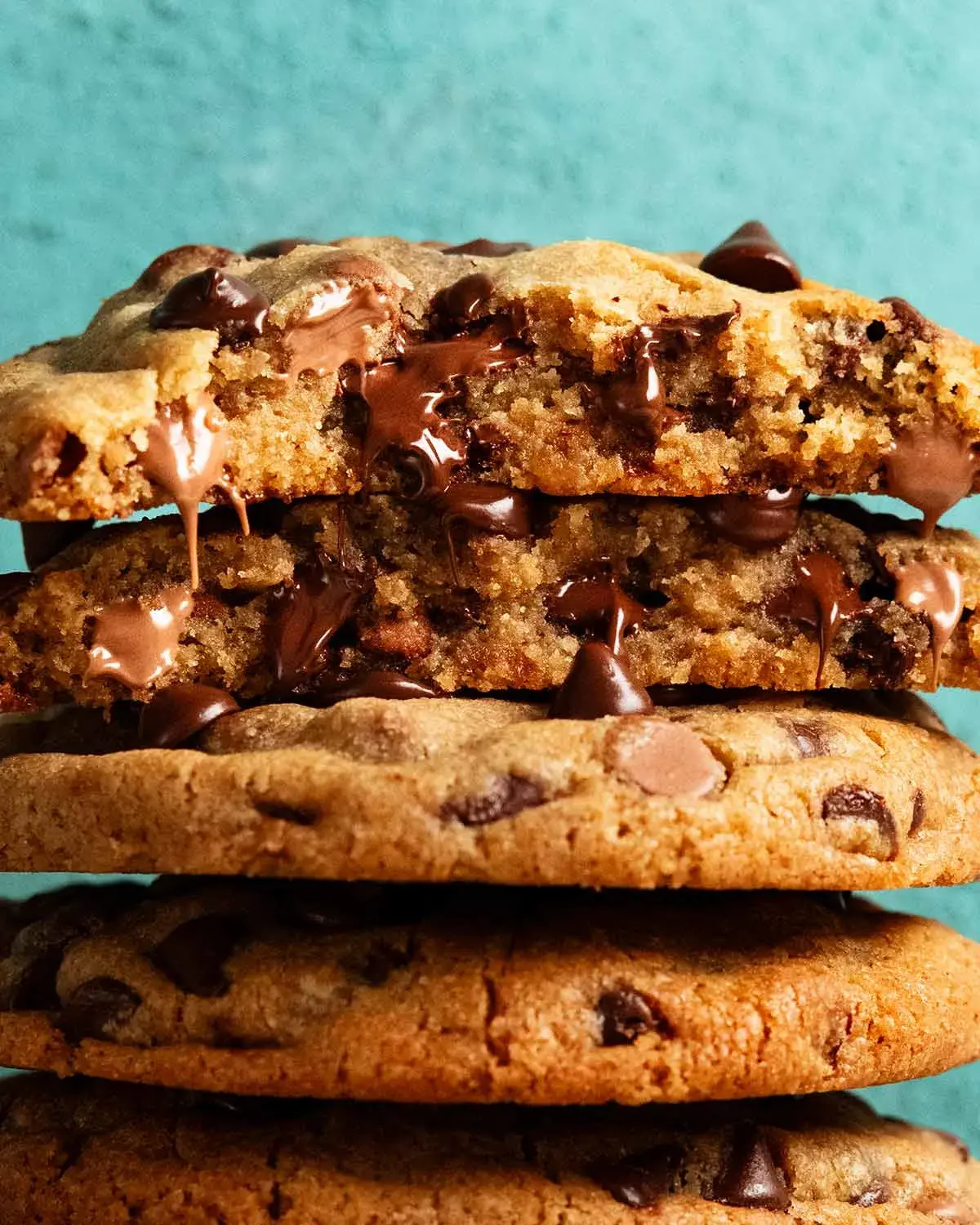
When choosing chocolate, consider the cocoa percentage. Semi-sweet chips contain 40% to 60% cacao, providing a balanced sweetness that complements the sugary dough. For a more sophisticated flavor, chop a high-quality chocolate bar into shards. The irregular sizes create pockets of melted chocolate throughout the cookie. Always ensure your baking soda is fresh, as expired leavening agents will result in flat, dense cookies that fail to rise during the baking process.
Why spreading happens
Cookies spread during baking when the butter melts before the structure of the flour and egg proteins can set. If your kitchen is too warm or the dough is not chilled sufficiently, the butter will liquefy too quickly in the oven. Additionally, using too much sugar or not enough flour can cause the dough to lose its shape. Measuring flour by spooning it into a measuring cup rather than scooping directly from the bag prevents packing, which ensures the correct ratio of dry to wet ingredients.
- Chill the dough for at least 30 minutes to firm up the fats.
- Use an oven thermometer to verify the actual temperature inside your oven.
- Avoid using a hot baking sheet, as this causes the butter to melt prematurely.
- Ensure your butter is softened to room temperature, not melted, before starting the creaming process.
Common mistakes when baking
One of the most frequent errors is overbaking, which turns a soft cookie into a hard, dry disc. Because cookies continue to cook on the hot baking sheet after being removed from the oven, timing is critical. Another mistake is failing to measure ingredients accurately. Baking is a science, and even a slight excess of flour can lead to a crumbly, dry texture. Always use a kitchen scale if possible for the best results.
Finally, do not crowd the baking sheet. If the cookies are placed too close together, they will merge into one large mass, preventing proper air circulation and even browning. If you are baking multiple batches, always allow the baking sheet to cool completely between uses. Placing fresh dough onto a hot pan will cause the butter to melt instantly, leading to thin, greasy cookies that lack the desired lift and chewy texture. Proper patience during the cooling phase ensures the best structure.
Key facts
- Ruth Wakefield invented the chocolate chip cookie in 1938 at the Toll House Inn in Whitman, Massachusetts.
- Room temperature butter is crucial because it emulsifies with sugar to create a stable structure for trapped air.
- Using a combination of brown sugar and white sugar provides both moisture and crisp edges.
- Chilling the dough for at least 24 hours improves flavor and prevents the cookies from spreading too thin.
- High-quality semi-sweet chocolate chunks contain less stabilizer than chips, allowing for better melting.
- A pinch of sea salt on top of the dough before baking balances the sweetness of the sugar.
The bottom line
Creating the perfect chocolate chip cookie requires attention to detail, from the temperature of your ingredients to the resting time of the dough. By balancing fat, sugar, and flour ratios, you can manipulate texture to suit your preferences. Always prioritize high-quality chocolate and proper cooling techniques. With these foundational steps, you can consistently produce professional-grade cookies that offer the ideal combination of crispy edges and chewy centers.
People also ask
Why do my cookies spread too much on the baking sheet?
Excessive spreading is usually caused by butter that is too soft or melted, or by using a baking sheet that is still warm from a previous batch. Ensure your butter is cool to the touch and always use a room-temperature pan.
Should I use baking soda or baking powder?
Baking soda is preferred for chocolate chip cookies because it reacts with the acidic brown sugar to help the cookies brown and spread. Baking powder is more common in recipes that require a significant rise, which is not the goal here.
How do I achieve a chewy center and crispy edges?
Use a higher ratio of brown sugar to white sugar for chewiness, as brown sugar contains molasses. To get crispy edges, ensure your oven is fully preheated and use a heavy-gauge metal baking sheet.
Is it necessary to use bread flour instead of all-purpose flour?
Bread flour has a higher protein content, which creates more gluten and results in a chewier, bakery-style texture. While all-purpose flour works well for a standard cookie, bread flour is the secret to a denser, more substantial bite.
How long should I bake the cookies?
Most cookies are done when the edges are golden brown but the centers still look slightly underbaked. They will continue to firm up on the hot pan after you remove them from the oven.
Can I freeze the cookie dough for later?
Yes, freezing scoop-sized portions of dough is an excellent way to have fresh cookies on demand. You can bake them directly from frozen, though you should add one or two minutes to the total baking time.
This answer was created with the help of AI research tools and reference sources. Spotted an error? Let us know — we correct mistakes quickly. See our editorial policy.