Why do we have eyebrows?
Short answer
Eyebrows primarily serve to protect the eyes from moisture, such as sweat and rain, by channeling liquid away from the sockets. Beyond this functional role, they are essential for non-verbal communication, allowing humans to express complex emotions like surprise, anger, or skepticism through subtle muscle movements and facial framing.
On this page
Why do we have eyebrows for eye protection?
The primary evolutionary function of eyebrows is to act as a physical barrier for the eyes. When humans exert themselves or walk through inclement weather, moisture naturally accumulates on the forehead. The unique shape and orientation of eyebrow hair act as a gutter system, diverting this fluid toward the sides of the face rather than allowing it to drip directly into the eyes.
This protection is critical because salt-laden sweat can cause significant irritation and stinging, which would impair vision during essential activities like hunting or gathering. Furthermore, eyebrows help shield the eyes from debris, such as dust, sand, or loose hair, that might otherwise fall from above. By catching these particles, the brow ridge and the hair itself maintain a clearer field of vision, which was a distinct survival advantage for early hominids.
How do eyebrows help us communicate?
Beyond physical protection, eyebrows are a cornerstone of human social interaction and non-verbal communication. The muscles surrounding the brow, specifically the corrugator supercilii and the frontalis, allow for a wide range of expressive movements. These movements are processed by the brain as social cues, helping individuals signal intent, empathy, or aggression without uttering a single word.
Research into facial recognition suggests that humans rely heavily on the brow line to identify individuals. In a famous 2003 study conducted at the Massachusetts Institute of Technology, participants struggled to recognize famous faces when the eyebrows were digitally removed. This indicates that the brow is as important as the eyes themselves for facial recognition. Common expressions facilitated by the brow include:
- Raising the eyebrows to signal surprise or curiosity.
- Furrowing the brow to indicate confusion, anger, or deep concentration.
- Lowering the inner corners to demonstrate sadness or distress.
Why do eyebrows have different shapes and sizes?
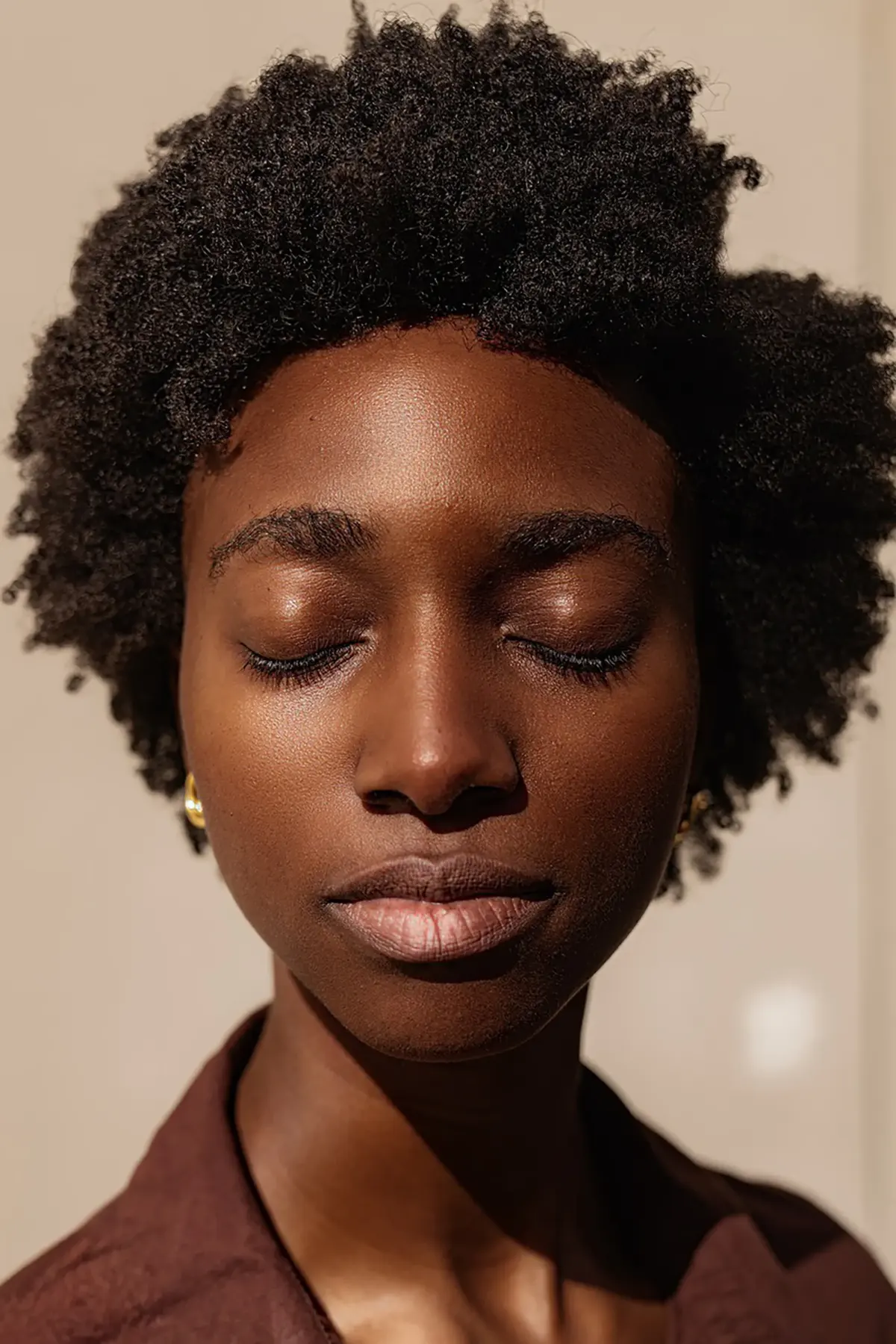
Eyebrow morphology is largely determined by genetics, though environmental factors and grooming habits play a significant role. The thickness, length, and arch of a brow are influenced by the density of hair follicles and the underlying structure of the supraorbital ridge. In some populations, thicker brows evolved as a response to intense sunlight, providing additional shade to the eyes.
The variety in eyebrow shapes across different ethnicities and individuals is a result of evolutionary adaptation and sexual selection. Over thousands of years, specific brow shapes became associated with attractiveness or social status within various cultures. While the fundamental purpose remains protection, the aesthetic variation serves as a unique identifier. Factors influencing these differences include:
- Genetic predisposition toward hair texture and growth rate.
- Hormonal fluctuations that affect hair follicle activity.
- Cultural grooming practices that alter natural growth patterns.

How to maintain healthy eyebrows
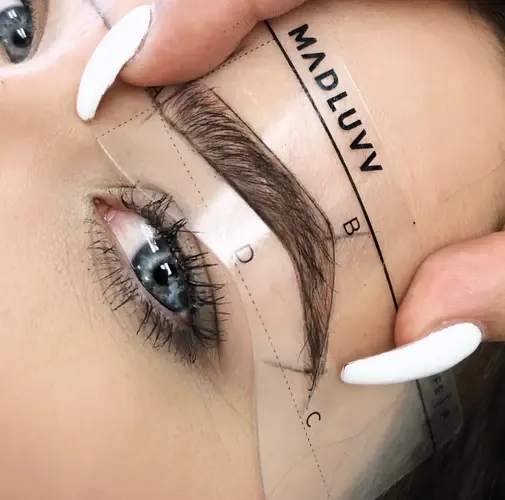
Maintaining healthy eyebrows involves more than just aesthetic grooming; it requires care for the skin and the underlying follicles. Because the skin around the eyes is exceptionally thin, it is prone to dryness and irritation. Using harsh chemicals or aggressive exfoliation in this area can lead to inflammation or thinning of the hair.
To ensure your eyebrows remain healthy and full, follow these basic care steps:
- Gently cleanse the brow area daily to remove oil and buildup.
- Avoid over-plucking, which can cause permanent damage to hair follicles.
- Use a clean spoolie brush to stimulate circulation in the area.
- Apply a small amount of natural oil, such as castor or jojoba, to hydrate the hair.
- Protect the area from excessive sun exposure by wearing hats or using mild sunscreen.
Common mistakes when grooming eyebrows
Many people inadvertently damage their eyebrows through improper grooming techniques. One of the most frequent errors is over-plucking, which often stems from a desire to achieve a specific trend. Once a hair follicle is damaged or destroyed through repeated plucking, the hair may never grow back, leading to sparse or patchy brows that are difficult to correct.
Another common mistake is using low-quality tools or failing to sanitize tweezers. Using dull tweezers can cause the hair to break at the surface rather than pulling it from the root, which leads to ingrown hairs and localized infection. Additionally, many people neglect to follow the natural arch of their brow, instead forcing a shape that does not suit their facial structure. To avoid these issues, always groom in natural light, use sharp, sanitized tools, and prioritize the natural growth pattern of your hair over fleeting fashion trends to maintain long-term brow health.
Key facts
- Eyebrows primarily act as a gutter system to divert sweat and rainwater away from the eyes.
- The arched shape helps channel moisture toward the sides of the face, protecting vision.
- They serve as a critical tool for non-verbal communication, signaling emotions like surprise or anger.
- Eyebrows help frame the face and are essential for human facial recognition and social bonding.
- To maintain healthy brows, avoid over-plucking, which can permanently damage hair follicles and prevent regrowth.
- When grooming, use a spoolie brush to sweep hairs upward before trimming only the longest, unruly strands.
The bottom line
Eyebrows are far more than a cosmetic feature; they are a functional evolutionary adaptation. By diverting sweat and debris away from the eyes, they protect your vision while playing a vital role in social interaction through non-verbal cues. Proper care, such as avoiding aggressive plucking, ensures these essential structures remain healthy, helping you maintain both clear sight and effective communication in your daily life.
People also ask
Why do eyebrows have a specific shape?
The arch of the eyebrow is designed to deflect moisture away from the eyes. By directing sweat and rain toward the temples, they prevent stinging and blurred vision during physical activity.
Do eyebrows grow back if you shave them?
Yes, eyebrows will grow back after shaving, but the process is slow. It typically takes several weeks for the hair to return to its original length and density.
Can eyebrows change the way a face looks?
Eyebrows are a defining feature that significantly impacts facial symmetry and expression. They provide structure to the face and are often the most recognizable feature in human facial identification.
Why do some people have thicker eyebrows than others?
Eyebrow thickness is primarily determined by genetics and hormonal factors. Variations in hair follicle density and growth cycles lead to the wide range of brow shapes and textures seen across different populations.
Is it normal for eyebrows to thin with age?
It is common for eyebrows to thin as people get older due to hormonal changes and a slower hair growth cycle. Nutritional deficiencies or thyroid conditions can also contribute to premature thinning.
What is the purpose of the brow bone?
The brow bone, or supraorbital ridge, provides structural protection for the eyes against physical trauma. It also helps shade the eyes from direct sunlight, reducing glare and improving visual clarity.
This answer was created with the help of AI research tools and reference sources. Spotted an error? Let us know — we correct mistakes quickly. See our editorial policy.