What do crabs eat?
Short answer
Crabs are primarily opportunistic omnivores that consume a wide variety of food sources. Their diet typically includes algae, mollusks, worms, crustaceans, fungi, and decaying organic matter known as detritus. While some species specialize in hunting live prey, most crabs act as scavengers, playing a vital role in maintaining aquatic ecosystem health.
On this page
What do crabs eat in the wild?
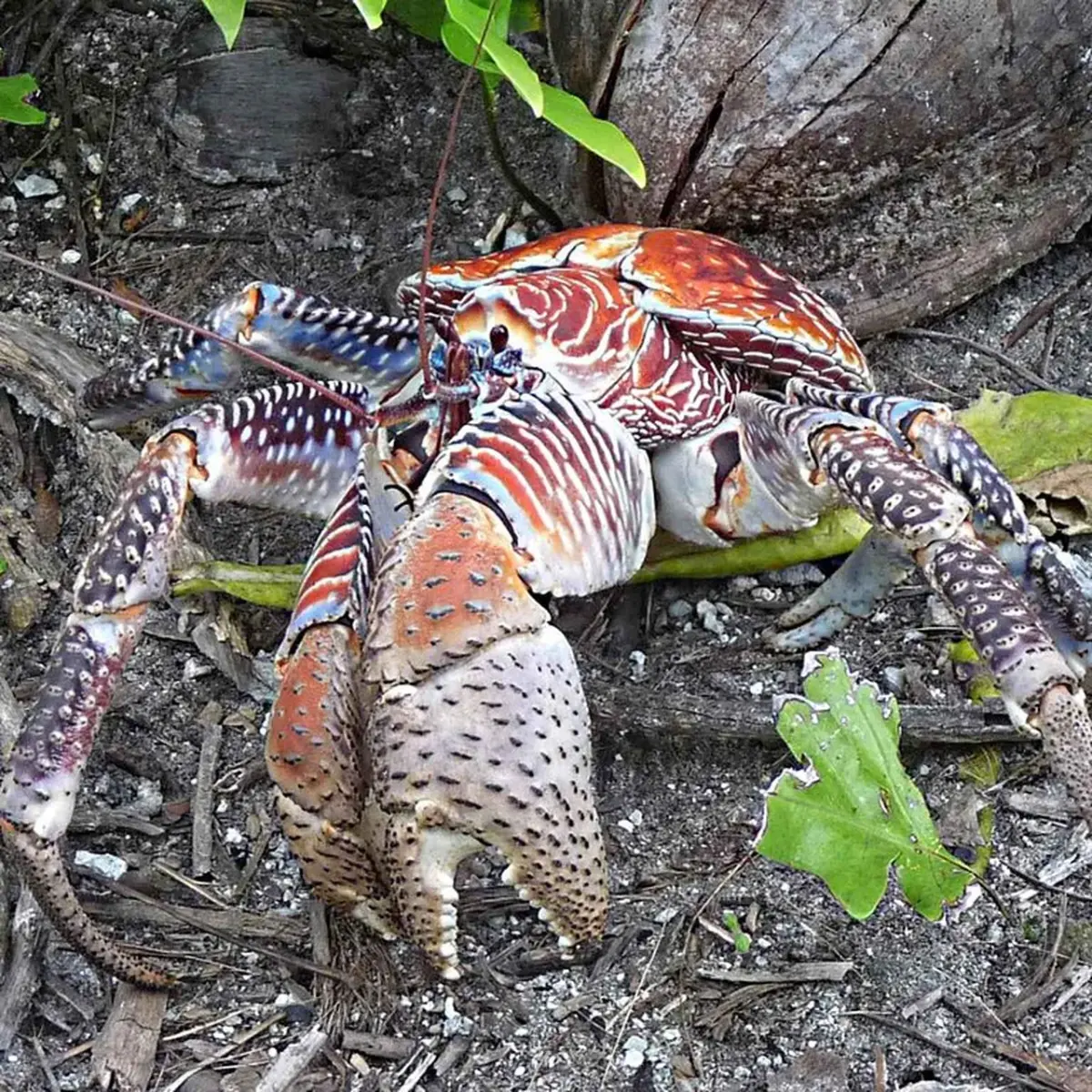
In their natural habitats, crabs display remarkable dietary flexibility, allowing them to thrive in diverse environments ranging from deep ocean trenches to sandy beaches. Most crabs are scavengers that consume whatever organic material they encounter on the seafloor. This includes dead fish, rotting vegetation, and the remains of other marine life. By recycling this decaying matter, crabs act as the cleanup crew of the ocean, preventing the buildup of waste that could otherwise degrade water quality.
Beyond scavenging, many crab species are active predators that hunt live prey. They use their powerful claws to capture smaller organisms, which they then tear into manageable pieces. Their common dietary staples include:
- Small mollusks, such as clams and mussels
- Marine worms and polychaetes
- Tiny crustaceans, including shrimp and smaller crabs
- Various types of macroalgae and seagrass
- Detritus, which consists of decomposing plant and animal tissue
How do pet crabs eat?
Feeding a pet crab requires replicating its natural, varied diet to ensure it receives essential nutrients. For popular species like hermit crabs or fiddler crabs, a commercial pellet base is often used, but it should never be the sole source of nutrition. Owners must supplement these pellets with fresh produce and protein sources to prevent malnutrition. Providing a consistent schedule is equally important, as most crabs are nocturnal and prefer to feed during the evening hours.
To keep a pet crab healthy, follow these steps for a balanced feeding regimen:
- Provide a base of high-quality, calcium-rich commercial pellets.
- Offer small pieces of fresh vegetables like carrots, spinach, or zucchini twice a week.
- Include occasional protein treats such as freeze-dried shrimp, bloodworms, or bits of cooked, unseasoned chicken.
- Remove any uneaten fresh food after 24 hours to prevent mold growth and bacterial contamination in the tank.
- Always provide a shallow dish of dechlorinated water for hydration and bathing.
Why do crabs need a varied diet?
A crab’s shell is composed primarily of chitin and calcium carbonate, which it must obtain from its environment. A diverse diet ensures the crab consumes enough minerals to maintain a strong exoskeleton. During the molting process, when a crab sheds its old shell to grow, its nutritional requirements spike significantly. If a crab does not receive adequate calcium and protein during this critical phase, it may fail to harden its new shell properly, leaving it vulnerable to injury or death.
Furthermore, different food sources provide essential vitamins that support the crab's immune system and reproductive health. In the wild, crabs instinctively seek out specific foods to balance their intake of fats, proteins, and carbohydrates. In captivity, the responsibility falls on the owner to provide this variety. A monotonous diet often leads to lethargy, stunted growth, and a shortened lifespan. By rotating different types of food, you mimic the natural foraging behavior that keeps crabs mentally stimulated and physically robust throughout their lifecycle.
Common mistakes when feeding crabs
One of the most frequent errors in crab care is overfeeding. Because crabs are scavengers, owners often assume they need constant access to large amounts of food. However, excess food left in an aquarium quickly decays, polluting the water and causing ammonia spikes that can be fatal to the crab. It is much safer to provide small portions that the crab can finish in a single night. If you notice food remaining the next morning, reduce the portion size for the next feeding.
Another common mistake is providing foods that contain harmful additives. Many human foods are processed with salt, preservatives, or pesticides, all of which are toxic to crustaceans. Never feed your crab:
- Processed meats or deli slices containing nitrates
- Fruits or vegetables that have not been thoroughly washed to remove pesticides
- Dairy products, which crabs cannot digest
- Foods seasoned with garlic, onions, or salt
- Any items that show signs of mold or rot
How do crabs use their claws to eat?
The anatomy of a crab is perfectly adapted for its unique feeding style. Most crabs possess two primary claws, or chelae, which serve as both tools and weapons. One claw is typically larger and designed for crushing hard shells, while the other is smaller and more delicate, used for tearing flesh or bringing soft food to the mouth. This specialization allows them to exploit a wide range of food sources that other marine animals might find inaccessible.
Once a crab secures its food, it uses its smaller appendages, known as maxillipeds, to manipulate the item and move it toward its mouth. The mouthparts then break the food down into smaller particles before it is ingested. This mechanical processing is highly efficient, allowing the crab to extract the maximum amount of nutrition from even the toughest materials. By observing your crab during feeding time, you can often see these fascinating, rhythmic motions as it carefully inspects and consumes its meal, demonstrating the complex behaviors that make these crustaceans such resilient and successful scavengers in the wild.
Key facts
- Most crabs are opportunistic omnivores, meaning they consume both plant and animal matter depending on availability.
- Scavenging is a vital role for crabs, as they help clean aquatic ecosystems by eating decaying organic material and carcasses.
- Many crab species use their specialized claws to crush the shells of mollusks, such as clams, mussels, and oysters.
- Small crabs often feed on algae, plankton, and detritus found on the seafloor or attached to rocks.
- Cannibalism is common among various crab species, especially when food sources are scarce or during molting periods.
- If keeping a pet crab, avoid overfeeding; provide a varied diet of commercial pellets, blanched vegetables, and small pieces of raw fish.
The bottom line
Crabs are highly adaptable omnivores that play a critical role in maintaining healthy aquatic environments by consuming everything from algae and detritus to live mollusks and carrion. Whether they are scavenging on the seafloor or hunting active prey, their diet is defined by opportunistic feeding. For those keeping crabs, providing a diverse, calcium-rich diet while monitoring tank conditions is essential for their long-term health and growth.
People also ask
Do all crabs eat the same things?
No, diet varies significantly by species and habitat. While some crabs are strictly scavengers, others are active predators that hunt live prey like worms or small fish.
Can crabs eat human food scraps?
It is generally best to avoid feeding crabs processed human foods. These items often contain salt, preservatives, or oils that can be harmful to their digestive systems and water quality.
How often should I feed a pet crab?
Most pet crabs thrive when fed once a day or every other day. Remove any uneaten food within a few hours to prevent it from rotting and polluting the tank.
Do crabs eat coral?
Certain species, such as some xanthid crabs, are known to consume coral polyps. This behavior can impact reef health, though it is a natural part of their ecological niche.
Why do crabs need calcium in their diet?
Calcium is essential for crabs to harden their new shells after molting. Without sufficient calcium, a crab may struggle to develop a strong exoskeleton, leaving it vulnerable to injury.
Are crabs dangerous to other animals in a tank?
Yes, many crabs are opportunistic hunters that will prey on smaller fish, snails, or shrimp if they are hungry. Always research the specific temperament of your crab species before adding tank mates.
This answer was created with the help of AI research tools and reference sources. Spotted an error? Let us know — we correct mistakes quickly. See our editorial policy.