How long do humpback whales live?
Short answer
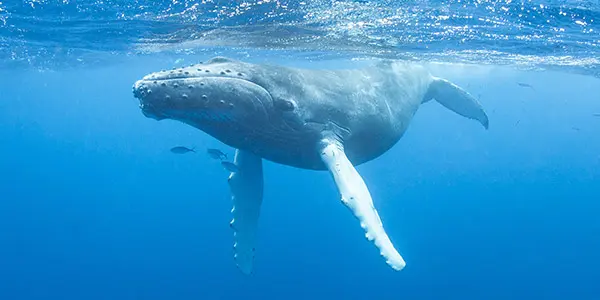
Humpback whales typically live between 45 and 50 years in the wild. While some individuals may reach 80 or 90 years of age, these cases are considered exceptional. Their lifespan is influenced by environmental conditions, migration patterns, and the success of their annual feeding cycles in nutrient-rich polar waters.
On this page
How long do humpback whales live on average?
The average lifespan of a humpback whale (Megaptera novaeangliae) is estimated to be approximately 45 to 50 years. Researchers determine these ages primarily by examining the earplugs of deceased whales, which develop growth layers similar to tree rings. Each layer represents a seasonal cycle, allowing scientists to calculate the animal's age with reasonable accuracy. While the species is long-lived, they do not reach the extreme ages seen in some other baleen whales, such as the bowhead whale, which can live for over 200 years.
Several biological and environmental factors dictate this longevity. Humpbacks reach sexual maturity between the ages of 5 and 10, and they continue to grow until they are roughly 20 years old. Once they reach physical maturity, their survival depends heavily on their ability to complete grueling annual migrations between cold-water feeding grounds and warm-water breeding lagoons. Those that successfully navigate these cycles and avoid major threats are the ones most likely to reach the upper end of their natural life expectancy.
Why do humpback whale lifespans vary?
Individual lifespans can vary significantly based on the specific population and the health of the marine ecosystem. Humpbacks are divided into distinct stocks that inhabit different oceans, and each group faces unique challenges. Populations that have access to abundant krill and small fish are generally healthier and more resilient to disease. Conversely, whales in areas with high levels of industrial activity or depleted food sources may show signs of stress that can shorten their life expectancy.
Environmental pressures and human-related factors are the primary variables that prevent many whales from reaching their full potential age. These threats include the following:
- Entanglement in commercial fishing gear, which can cause chronic injury or starvation.
- Vessel strikes, which are a leading cause of mortality in busy shipping lanes.
- Ocean noise pollution, which interferes with their complex communication and navigation systems.
- Climate change, which alters the distribution and density of their primary food sources.
How do scientists track whale age and health?
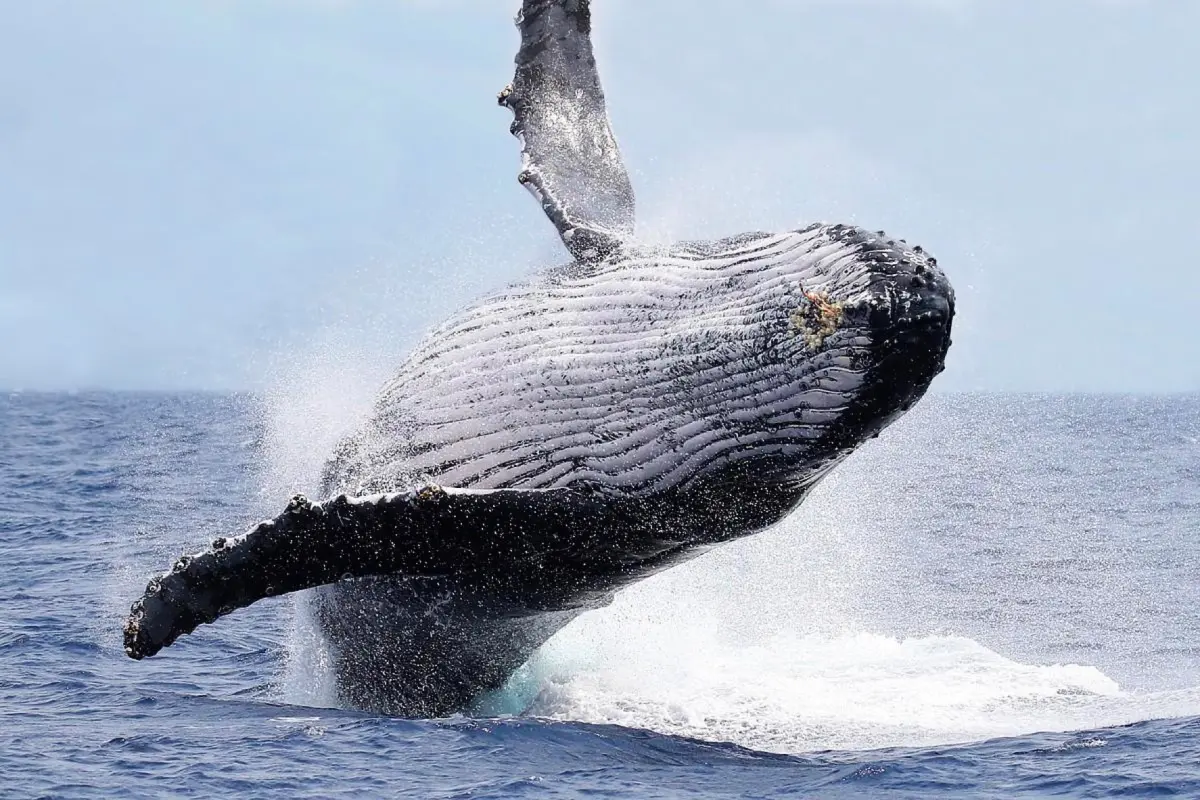
Tracking the age of humpback whales in the wild is a complex task that relies on long-term observational studies. Because researchers cannot easily examine the earplugs of living whales, they use photo-identification techniques to track individuals over several decades. Each humpback has a unique pattern of pigmentation and scarring on the underside of its tail fluke, which acts like a human fingerprint. By cataloging these patterns, marine biologists can monitor the same individuals for 30 or 40 years.
This longitudinal data is vital for understanding the life cycle of the species. When a whale is first sighted as a calf and then observed repeatedly over the next four decades, scientists can verify its age with high confidence. These studies have revealed that while the average is around 50 years, some individuals have been observed for over 40 years, suggesting that with optimal conditions, they may occasionally push past the half-century mark.
Common mistakes when estimating whale age
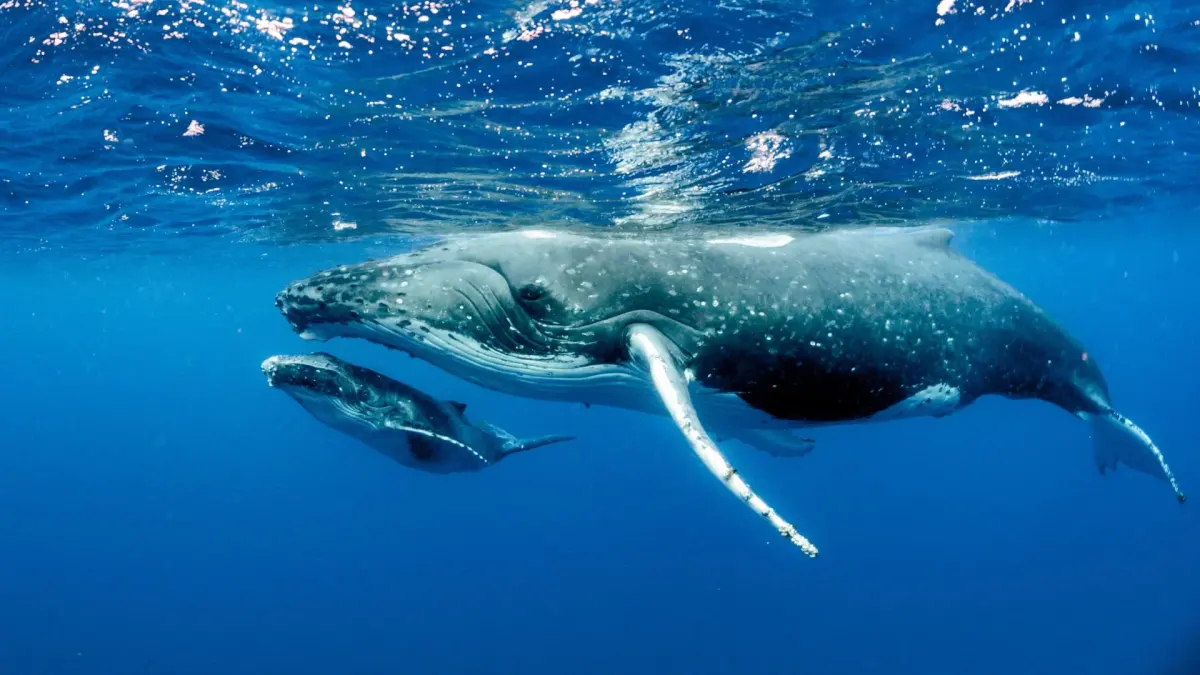
A common mistake is assuming that a whale's size is a direct indicator of its age. While calves are clearly smaller than adults, once a humpback reaches physical maturity, its size remains relatively stable. A 25-year-old whale may appear identical in length and girth to a 60-year-old whale, making visual size estimates highly unreliable for older individuals. Relying on size alone often leads to significant errors in population demographic studies.
Another error is failing to account for the impact of historical whaling records. During the 20th century, commercial whaling drastically reduced humpback populations, meaning that many whales were killed before they could reach old age. If you are researching historical data, follow these steps to avoid misinterpretation:
- Distinguish between pre-whaling population data and modern, post-protection data.
- Verify if the age estimate comes from a direct biological sample or a visual observation.
- Cross-reference the individual's ID with established regional catalogs to ensure the sighting history is complete.
How to support humpback whale longevity
Protecting the longevity of humpback whales requires a focus on habitat conservation and the reduction of human-induced stressors. Because these whales spend their lives traveling across vast oceanic distances, they require international cooperation to remain safe. Supporting organizations that advocate for marine protected areas is one of the most effective ways to ensure that these animals have the quiet, food-rich environments they need to survive into old age.
You can contribute to the preservation of these majestic mammals by practicing responsible whale watching. If you are on a boat, always maintain a respectful distance to avoid disrupting their feeding or breeding behaviors. By minimizing your carbon footprint and supporting sustainable seafood choices, you help reduce the overall pressure on the marine food web. Protecting the ocean ecosystem is the most practical way to ensure that future generations of humpback whales can reach their full, natural lifespan of 50 years or more.
Key facts
- Humpback whales typically live between 45 and 50 years in the wild.
- Scientists estimate age by counting growth layers in the ear plugs of deceased whales.
- Females generally live slightly longer than males, though the reason remains a subject of study.
- Experts track individual whales over decades using unique patterns on the underside of their tail flukes.
- Sexual maturity is reached between 5 and 10 years of age, marking the transition to adulthood.
- Environmental stressors, such as entanglement in fishing gear and ship strikes, significantly impact life expectancy.
The bottom line
Humpback whales are long-lived marine mammals, typically reaching 45 to 50 years of age. Their survival depends on complex migratory patterns and the health of global oceans. While they have largely recovered from the threats of historical commercial whaling, modern challenges like climate change and maritime traffic continue to influence their longevity. Understanding these gentle giants helps researchers implement better conservation strategies for future generations.
People also ask
How do scientists determine the age of a humpback whale?
Researchers analyze the ear plugs of deceased whales, which form annual growth layers similar to tree rings. By counting these layers, they can accurately estimate the animal's age at the time of death.
Do humpback whales have natural predators?
Aside from humans, the primary predators of humpback whales are orcas, also known as killer whales. These predators often target calves, though adult humpbacks can defend themselves using their powerful tails and pectoral fins.
How large do humpback whales grow?
Adult humpback whales typically reach lengths of 40 to 50 feet. They can weigh as much as 40 tons, making them one of the largest species of baleen whales in the ocean.
What do humpback whales eat?
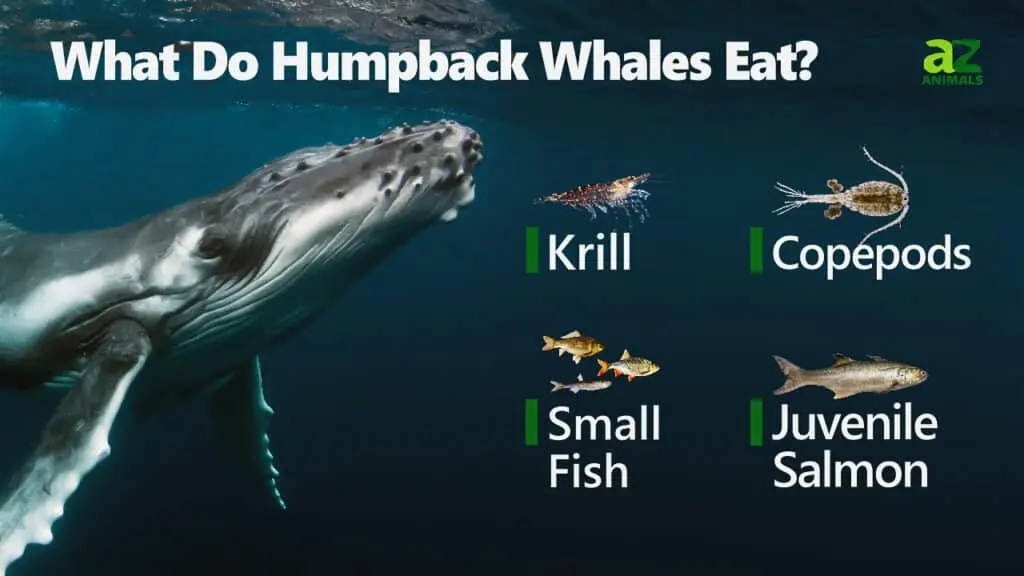
Their diet consists primarily of small schooling fish, such as herring and mackerel, and tiny crustaceans called krill. They use a specialized hunting technique known as bubble-net feeding to corral their prey.
Read the full answer →Where do humpback whales migrate?
These whales undertake some of the longest migrations of any mammal, traveling thousands of miles between cold-water feeding grounds near the poles and warm-water breeding grounds in tropical regions.
Are humpback whales currently endangered?
Most humpback whale populations have recovered significantly since the ban on commercial whaling in the 1960s. While some specific populations remain threatened, the species as a whole is currently listed as least concern by conservation organizations.
This answer was created with the help of AI research tools and reference sources. Spotted an error? Let us know — we correct mistakes quickly. See our editorial policy.