What is the Ogopogo?
Short answer
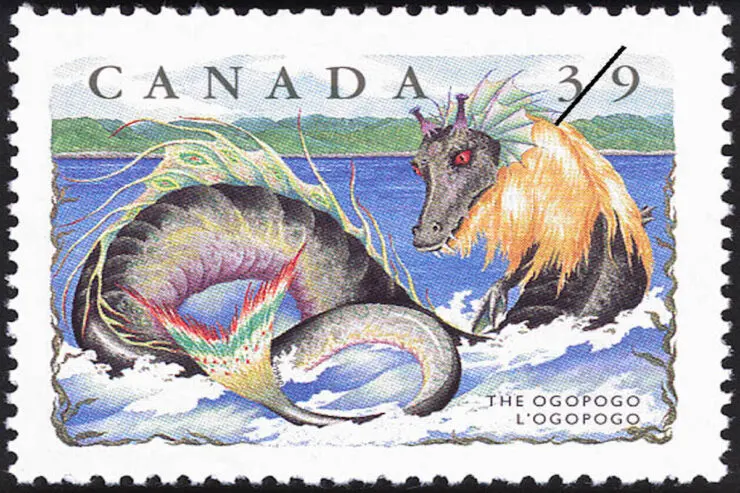
The Ogopogo is a legendary lake monster said to inhabit Okanagan Lake in British Columbia, Canada. Often described as a serpentine creature measuring 15 to 50 feet long, it remains a staple of local folklore. Despite numerous reported sightings over the last century, no scientific evidence has ever confirmed its existence.
On this page
What is the Ogopogo?
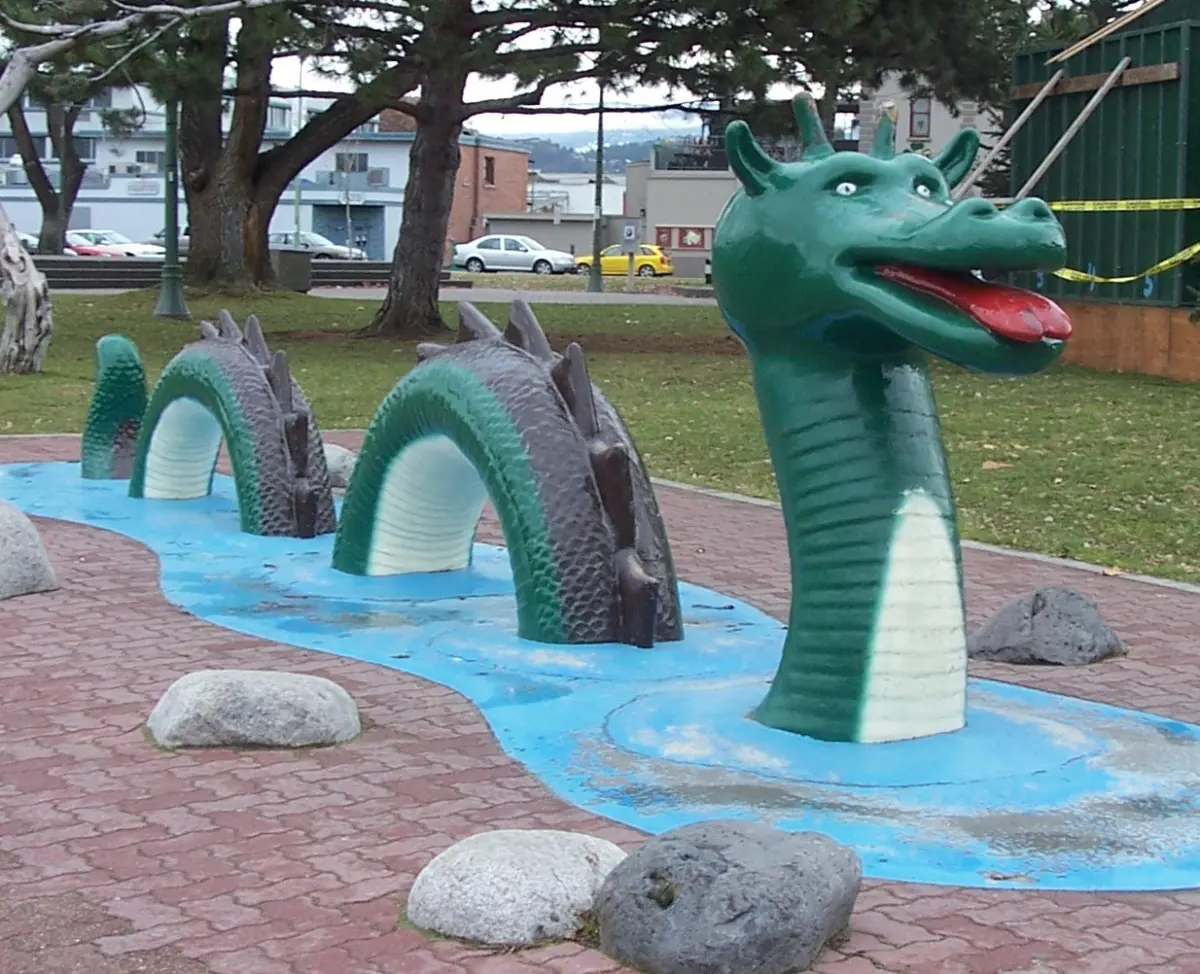
The Ogopogo is a creature of cryptozoology, a field that studies animals whose existence has not been proven by science. According to local legend, the creature resides in the deep, cold waters of Okanagan Lake, which stretches over 80 miles through the interior of British Columbia. Descriptions of the beast vary, but most witnesses characterize it as having a long, humped body, a horse-like or reptilian head, and a serpentine swimming motion.
The name "Ogopogo" originates from a 1920s music hall song, though indigenous Syilx people have long told stories of a water spirit known as Naitaka. While Naitaka was traditionally viewed with reverence and caution, modern interest focuses on the creature as a biological mystery. Despite the lack of physical proof, the legend has become a significant cultural icon for the region, influencing local tourism, sports team names, and artistic representations across the Okanagan Valley.
Where do people see the Ogopogo?
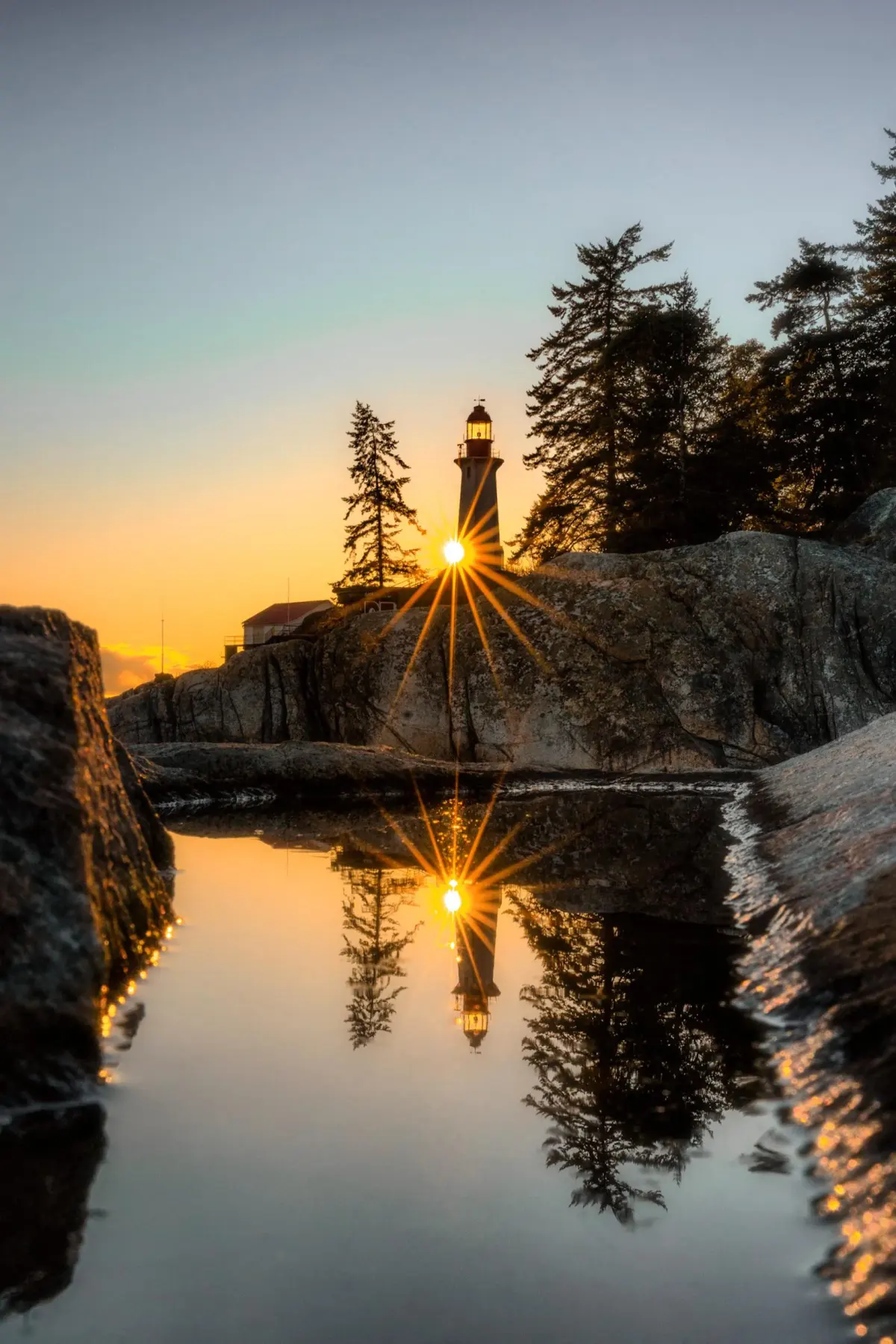
Sightings of the creature are concentrated within the expansive basin of Okanagan Lake. The lake is remarkably deep, reaching depths of over 760 feet in certain areas, which proponents argue provides ample space for a large, unknown animal to remain hidden. Most reports originate from the central section of the lake, particularly near the town of Kelowna and the nearby Rattlesnake Island, a location often cited in folklore as the creature’s primary den.
To maximize your chances of observing the lake, consider these popular viewing locations:
- The waterfront parks in downtown Kelowna, which offer clear sightlines across the water.
- The William R. Bennett Bridge, where many motorists have reported seeing strange wakes or disturbances.
- The shores of Peachland, a quiet area often associated with historical accounts of the creature.
- Rattlesnake Island, which is accessible by boat and surrounded by deep, mysterious waters.
Why do people believe in the Ogopogo?
Belief in the Ogopogo is fueled by a combination of historical oral traditions and modern eyewitness accounts. Many people point to the sheer size and depth of the lake as evidence that a prehistoric relic, such as a basilosaurus or a plesiosaur, could survive undetected. These theories suggest that the lake’s unique thermal layers and underwater cave systems provide a sanctuary for an elusive species that avoids surface contact.
Beyond biological speculation, psychological factors play a significant role in the persistence of the legend. Humans are naturally inclined to find patterns in ambiguous stimuli, a phenomenon known as pareidolia. When a person observes a strange ripple, a floating log, or a school of fish breaking the surface, the brain may instinctively interpret these shapes as a living creature. This cognitive tendency, combined with the cultural influence of the legend, ensures that reports continue to surface periodically.
How to spot the Ogopogo safely
If you are visiting the Okanagan region and hope to catch a glimpse of the lake’s most famous resident, you should prioritize safety and patience. The lake is large and unpredictable, with sudden weather changes that can make the water surface appear turbulent or misleading. Always prioritize standard water safety protocols if you are venturing out onto the lake in a boat or kayak.
Follow these steps to conduct your own observation:
- Find a stable, elevated vantage point that provides a wide view of the water.
- Use high-quality binoculars to distinguish between natural debris and potential anomalies.
- Bring a camera with a high-speed shutter to capture clear images of any surface disturbances.
- Record the exact time, weather conditions, and distance from the shore to provide context for your observations.
Common mistakes when looking for the Ogopogo
One of the most frequent errors made by enthusiasts is misidentifying common natural phenomena as the creature. The lake is subject to "seiches," which are standing waves that cause the water level to oscillate, often creating strange, rhythmic movements on the surface. Additionally, large sturgeon, otters, and even groups of waterfowl can create wakes that, from a distance, look remarkably like the undulating back of a giant serpent.
Another mistake is failing to account for the impact of boat traffic and wind. Okanagan Lake is a busy waterway, and the wakes generated by motorboats can travel long distances, interacting with currents to create unusual surface patterns. When searching for the monster, avoid assuming that every unidentifiable shape is biological. By maintaining a skeptical mindset and documenting the environment surrounding your sighting, you contribute to a more grounded and scientific understanding of the lake’s mysterious reputation.
Key facts
- Ogopogo is a legendary lake monster said to inhabit Okanagan Lake in British Columbia, Canada.
- The name is derived from the Okanagan First Nations word "naitaka," meaning "lake demon."
- Descriptions typically portray the creature as a long, serpentine body measuring between 15 and 50 feet in length.
- The first widely publicized sighting occurred in 1926 at an Okanagan regatta, where dozens of witnesses reported seeing a large creature.
- No scientific evidence, such as biological remains or clear photographic proof, has ever confirmed the existence of the animal.
- Skeptics often attribute sightings to floating logs, sturgeon, or unusual wave patterns caused by boat wakes.
The bottom line
The Ogopogo remains a captivating piece of Canadian folklore, serving as a cultural icon for the Okanagan region. Despite decades of anecdotal reports and public fascination, the creature lacks any scientific validation. Most experts conclude that the legend persists through a combination of local tradition, misidentified natural objects, and the human desire for mystery, making it a fascinating study in sociology rather than zoology.
People also ask
Is there any physical evidence that Ogopogo exists?
No physical evidence, such as bones, DNA samples, or clear, high-resolution footage, has ever been recovered. Most reported sightings rely on anecdotal testimony or grainy, inconclusive video recordings that are easily explained by natural phenomena.
How does the legend of Ogopogo compare to the Loch Ness Monster?
Both creatures are described as long-necked, serpentine lake monsters, leading many to view them as cultural equivalents. While the Loch Ness Monster is tied to Scottish folklore, Ogopogo is deeply rooted in the oral traditions of the Syilx (Okanagan) people.
What is the best way to spot the creature if I visit the lake?
There is no proven method for spotting the creature, as it is likely a product of folklore. If you visit, focus on enjoying the natural beauty of the lake rather than searching for the monster, as you will likely only encounter logs or wind-driven waves.
Are there any official government investigations into the creature?
There have been no formal government-funded scientific expeditions to find the creature. Cryptozoologists and hobbyists have occasionally used sonar equipment, but these efforts have consistently failed to produce verifiable data.
Could the creature be a prehistoric animal like a plesiosaur?
Biologists consider this highly unlikely because Okanagan Lake was covered by glaciers until approximately 10,000 years ago. A population of large, air-breathing reptiles would require a consistent food source and a breeding group that would be impossible to hide in such a well-traveled lake.
What is the most common mistake people make when investigating sightings?
The most common mistake is failing to account for pareidolia, the human tendency to perceive familiar patterns in random stimuli. People often mistake common lake debris, such as submerged logs or floating vegetation, for a living creature when viewed from a distance.
This answer was created with the help of AI research tools and reference sources. Spotted an error? Let us know — we correct mistakes quickly. See our editorial policy.