How big do koalas get?
Short answer
Adult koalas typically weigh between 4 and 15 kilograms (9 to 33 pounds) and measure 60 to 85 centimeters (24 to 33 inches) in length. Size varies significantly based on geography, with individuals in the cooler southern regions of Australia growing substantially larger than their counterparts living in the warmer northern climates.
On this page
Why do koalas vary in size?
The primary driver of size variation in koalas is Bergmann’s rule, a biological principle stating that animals of the same species tend to be larger in colder climates. Koalas living in the southern states of Victoria and South Australia often reach the upper limits of weight and length. These individuals possess thicker, denser fur to insulate against freezing temperatures, which adds to their overall physical bulk.
Conversely, koalas in the northern regions of Queensland and New South Wales are notably smaller and lighter. This adaptation helps them dissipate heat more effectively in tropical environments. Beyond climate, nutritional availability plays a role; populations with access to high-quality eucalyptus forests often show better growth rates. Understanding these regional differences is essential for researchers monitoring the health of wild populations across the vast Australian continent.
How much do male and female koalas weigh?
Sexual dimorphism is clearly present in koala populations, with males generally being larger than females. A mature male can weigh up to 50 percent more than a mature female in the same region. While a large southern male might weigh 12 to 15 kilograms, a female in the same area typically averages between 7 and 10 kilograms.
This size difference is largely driven by the social requirements of the species. Males must maintain large home ranges and defend their territory against rivals, necessitating a more robust physical frame. Females prioritize energy conservation for reproduction and nursing, which keeps their average weight lower. When observing koalas in the wild, you can often identify the sex by looking for these general proportions:
- Males: Larger, broader heads, and a visible scent gland on the chest.
- Females: Smaller, more slender frames, and a pouch opening located on the lower abdomen.
What are the growth stages of a koala?
Koalas begin their lives as tiny, underdeveloped young called joeys. At birth, a joey is roughly the size of a jellybean, weighing less than one gram. It must crawl unaided from the birth canal into the mother’s pouch, where it attaches to a teat to continue its development for the next six months.
Once the joey emerges from the pouch, it begins to grow rapidly. By the time it is one year old, it is usually independent, though it may stay near its mother for several more months. Physical maturity is reached between two and four years of age. The following timeline outlines the typical progression:
- Birth: Less than 1 gram; resides exclusively in the pouch.
- 6 months: Emerges from the pouch; begins to consume "pap," a specialized fecal matter from the mother.
- 12 months: Fully weaned and independent; begins establishing its own home range.
- 3-4 years: Reaches full adult size and reproductive maturity.
How to identify a healthy koala size?
Assessing a koala's size and health in the wild requires a trained eye, as the animal's thick fur can often hide its true body condition. A healthy koala should appear rounded and well-fleshed, particularly around the shoulders and rump. If you can clearly see the outline of the shoulder blades or the spine, the animal may be suffering from malnutrition or illness.
A common mistake is assuming that a koala is healthy simply because it looks "fluffy." In reality, a sick koala may fluff its fur to maintain body temperature, which can mask significant weight loss. If you encounter a koala that appears lethargic, has matted fur, or is sitting on the ground for long periods, it is best to contact a local wildlife rescue organization rather than attempting to handle or feed it yourself.
Common mistakes when estimating koala size
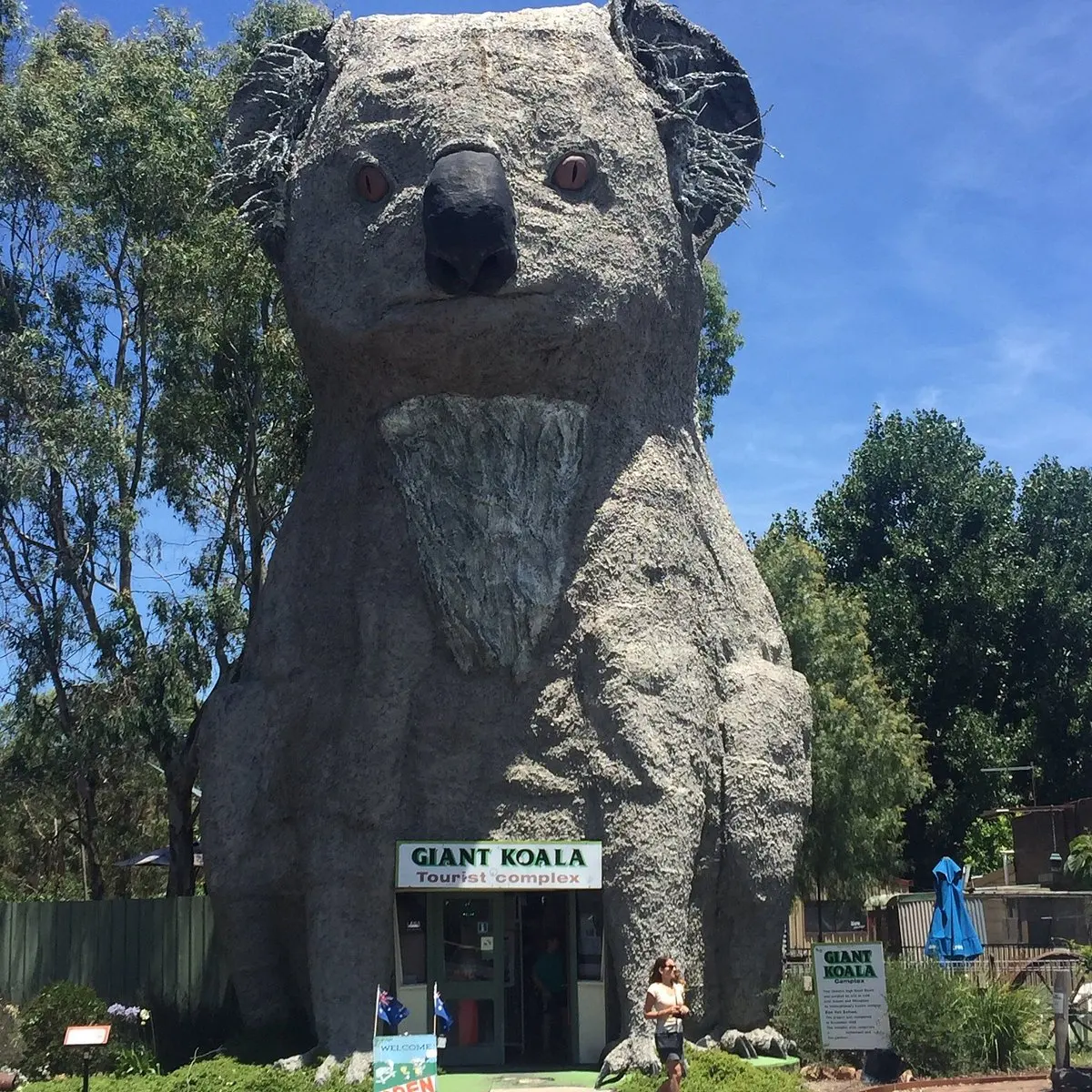
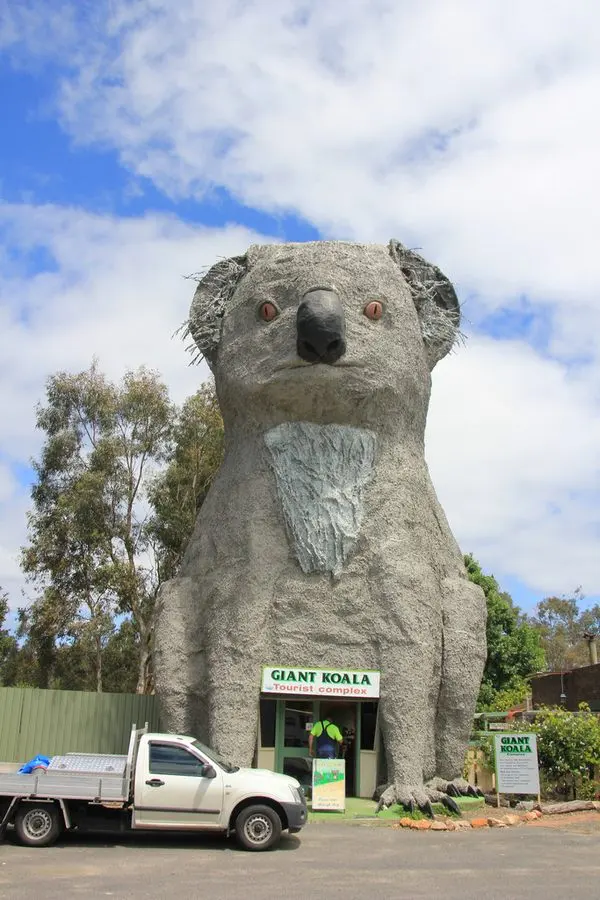
Many people overestimate the size of koalas because they are often viewed from the ground looking up into high eucalyptus branches. This perspective creates an optical illusion that makes the animals appear larger than they actually are. Additionally, because koalas spend up to 20 hours a day sleeping in a curled position, their compact shape makes it difficult to judge their true length.
Avoid these common errors when observing or researching koala dimensions:
- Relying on photos without a scale reference, which can distort the perception of size.
- Assuming all koalas are the same size regardless of their location in Australia.
- Confusing a joey riding on its mother's back for a larger adult.
- Ignoring the impact of seasonal weight fluctuations, as koalas may gain or lose weight based on the availability of preferred eucalyptus leaves.
By keeping these factors in mind, you can gain a more accurate understanding of how these unique marsupials grow and adapt to their environment throughout their lives.
Key facts
- Adult koalas typically weigh between 4 and 15 kilograms (9 to 33 pounds).
- Males are generally larger than females, often weighing 50 percent more.
- Koalas living in the southern regions of Australia are significantly larger and thicker-furred than those in the north.
- A fully grown koala measures between 60 and 85 centimeters (24 to 33 inches) in length.
- Researchers use the geographic variation in size to classify koalas into different subspecies or populations.
- Avoid confusing koalas with wombats; while they are related, wombats are much heavier, stockier, and lack the koala's specialized tree-climbing adaptations.
The bottom line
The size of a koala is primarily determined by its geographic location and gender. While northern koalas remain smaller to cope with tropical heat, southern populations grow much larger to survive colder environments. Regardless of where they live, these marsupials are compact, specialized climbers. Understanding these biological variations helps conservationists monitor the health of different populations across the diverse Australian landscape effectively and accurately.
People also ask
Do koalas grow larger in captivity than in the wild?
Koalas in captivity often appear heavier due to a consistent, high-quality diet and lack of energy expenditure. However, they do not naturally grow to a larger skeletal size than their wild counterparts.
How much does a baby koala weigh at birth?
A newborn koala, called a joey, is incredibly small, measuring only about 2 centimeters long and weighing less than 1 gram. It is born in an embryonic state and must crawl into the mother's pouch to continue developing.
Why are southern koalas bigger than northern koalas?
This is an example of Bergmann's rule, which suggests that animals in colder climates evolve larger body sizes to retain heat more effectively. The larger surface area-to-volume ratio helps southern koalas survive lower temperatures.
How long does it take for a koala to reach its full adult size?
Koalas typically reach their full physical maturity between three and four years of age. During this time, they transition from relying on their mother's milk to consuming a diet consisting almost exclusively of eucalyptus leaves.
Does gender affect a koala's size significantly?
Yes, male koalas are noticeably larger and possess a prominent scent gland on their chest used for marking territory. Females are more compact, which assists them in navigating thin branches while carrying a joey in their pouch.
Can you tell a koala's age by its size?
Size is a rough indicator, but it is not a precise way to determine age once a koala is fully grown. Veterinarians and researchers prefer to examine the wear on a koala's teeth to estimate its exact age.
This answer was created with the help of AI research tools and reference sources. Spotted an error? Let us know — we correct mistakes quickly. See our editorial policy.