How big do pandas get?
Short answer
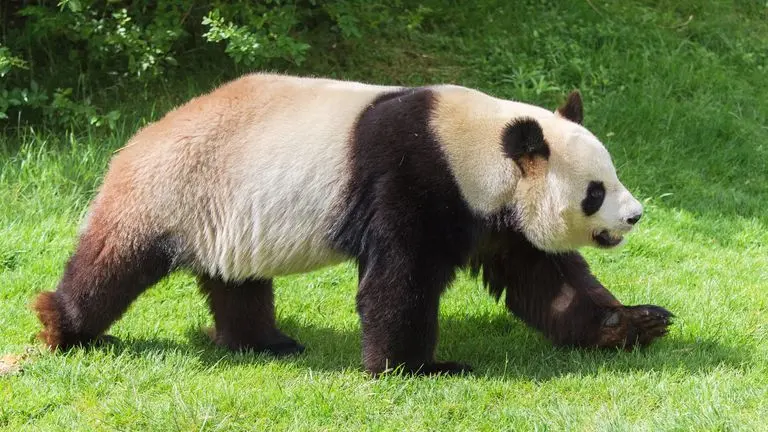
Giant pandas typically reach a shoulder height of 2 to 3 feet when standing on all fours. Adult males weigh between 190 and 275 pounds, while females are generally smaller, weighing between 150 and 220 pounds. From nose to tail, these bears measure between 4 and 6 feet in total length.
On this page
How much do giant pandas weigh?
Adult giant pandas exhibit significant sexual dimorphism, meaning males are noticeably larger than females. A healthy adult male usually weighs between 190 and 275 pounds, providing the bulk necessary for their rugged mountain habitat. In contrast, females typically weigh between 150 and 220 pounds. These weights fluctuate throughout the year depending on the availability of bamboo, which constitutes 99 percent of their diet.
Weight gain is a critical survival factor for pandas living in the wild. During seasons when high-quality bamboo shoots are abundant, pandas can consume up to 80 pounds of vegetation daily to pack on necessary mass. Conversely, during winter months, their metabolism slows down to conserve energy. Understanding these weight ranges helps conservationists monitor the health of wild populations. Significant deviations from these averages often indicate environmental stress or nutritional deficiencies within a specific habitat.
How long is a giant panda?
The total length of a giant panda is measured from the tip of the nose to the end of the tail. On average, an adult panda measures between 4 and 6 feet in length. Their tails are relatively short compared to other bear species, usually measuring only 4 to 6 inches long. This compact, sturdy build is an evolutionary adaptation for navigating the steep, forested slopes of the Sichuan, Shaanxi, and Gansu provinces in China.
When standing on all fours, a giant panda stands roughly 2 to 3 feet tall at the shoulder. Their body structure is designed for efficiency rather than speed, featuring powerful limbs and a dense skeletal frame. This anatomy allows them to climb trees with surprising agility despite their heavy appearance. Key physical dimensions include:
- Shoulder height: 24 to 36 inches.
- Total body length: 48 to 72 inches.
- Tail length: 4 to 6 inches.
- Forelimb circumference: 12 to 15 inches.
How big are panda cubs at birth?
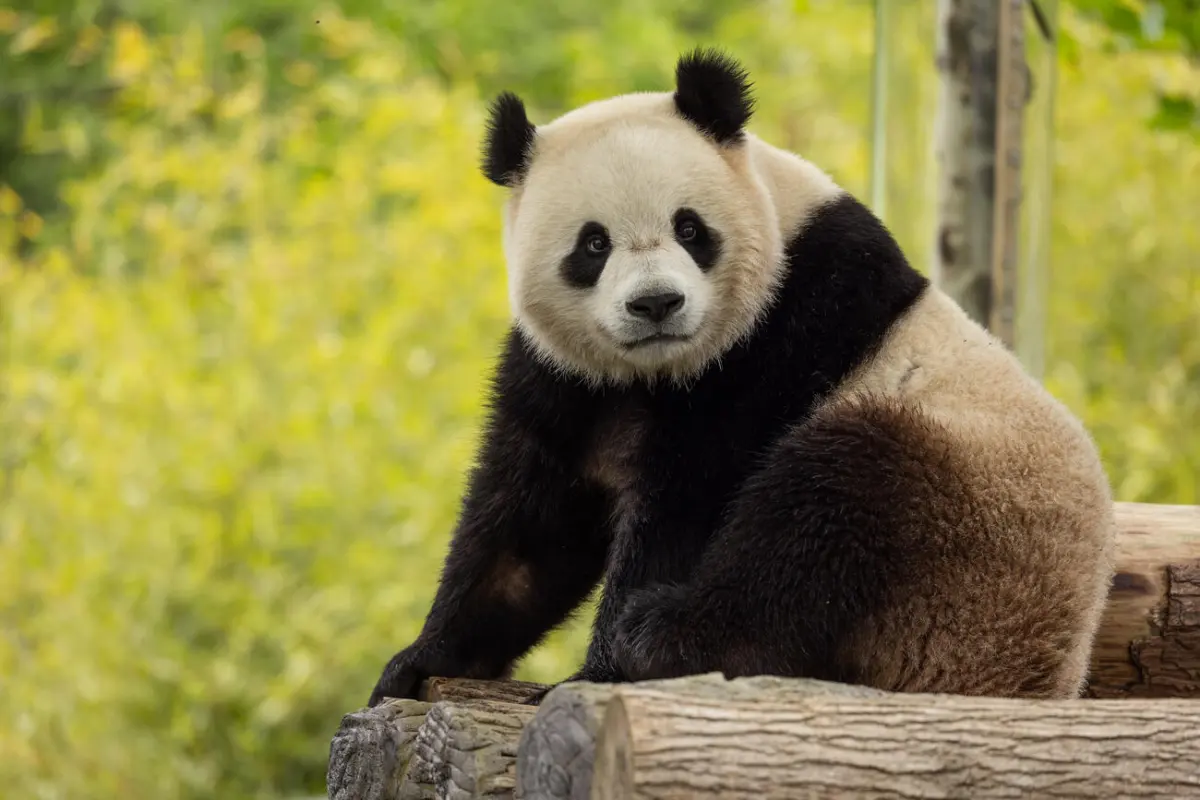
The size difference between a newborn panda and its mother is one of the most extreme in the animal kingdom. A panda cub at birth weighs only 3 to 5 ounces, which is roughly 1/900th of the mother's weight. They are born blind, pink, and completely hairless, relying entirely on the mother for warmth and protection. Because the mother is so large, she must be extremely careful to avoid crushing the tiny infant during the first few weeks of life.
Growth occurs at an incredible rate during the first year. By the time a cub is one month old, it develops its signature black-and-white fur pattern. By the age of six months, the cub begins to eat small amounts of bamboo and weighs approximately 25 to 30 pounds. Rapid development is essential for the cub to survive the harsh winters of their high-altitude environment. By the time they reach independence at around 18 months to two years, they are well on their way to adult size.
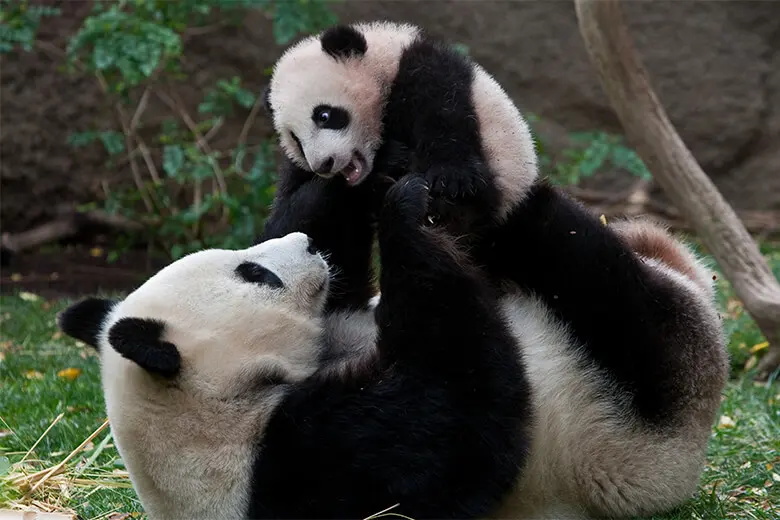
How to measure a panda's growth
Measuring a giant panda in a zoo or research facility requires careful planning to ensure the safety of both the animal and the handlers. Most facilities utilize large, industrial-grade scales integrated into the floor of the panda’s enclosure. Because pandas are intelligent, keepers often use positive reinforcement, such as treats, to encourage the bear to step onto the scale voluntarily. This minimizes stress and allows for accurate tracking of health metrics over time.
- Prepare the scale by ensuring it is calibrated and clear of debris.
- Use a high-value food reward to lure the panda onto the platform.
- Wait for the panda to remain still for several seconds to get a stable reading.
- Record the weight in a centralized database to monitor long-term health trends.
- Provide immediate positive reinforcement to maintain the animal's cooperation for future sessions.
Common mistakes when estimating panda size
One common mistake is assuming that all pandas in captivity are larger than those in the wild. While captive pandas often have access to a consistent, high-calorie diet, they are not necessarily "larger" in a healthy sense. Overfeeding in captivity can lead to obesity, which causes joint issues and reproductive difficulties. Observers should avoid judging a panda's health solely by its girth, as a healthy panda should appear sturdy but not excessively round or lethargic.
Another error is misinterpreting the "fluffiness" of a panda's fur as body fat. Their fur is exceptionally thick and coarse, designed to insulate them against freezing temperatures. This dense coat can make a panda look significantly larger than its actual skeletal frame suggests. When assessing a panda's size, experts look at body condition scores rather than just weight. These scores evaluate muscle mass and fat distribution along the spine and ribs. Relying on visual estimates without considering these factors often leads to inaccurate conclusions about the animal's physical condition.
Key facts
- Adult giant pandas typically weigh between 175 and 275 pounds, though males are generally 10 to 20 percent larger than females.
- When standing on all fours, a mature giant panda measures about 2.5 to 3 feet tall at the shoulder.
- From nose to tail, an adult panda reaches a total body length of approximately 4 to 6 feet.
- Newborn pandas are remarkably small, weighing only about 3 to 5 ounces, which is roughly 1/900th the size of their mother.
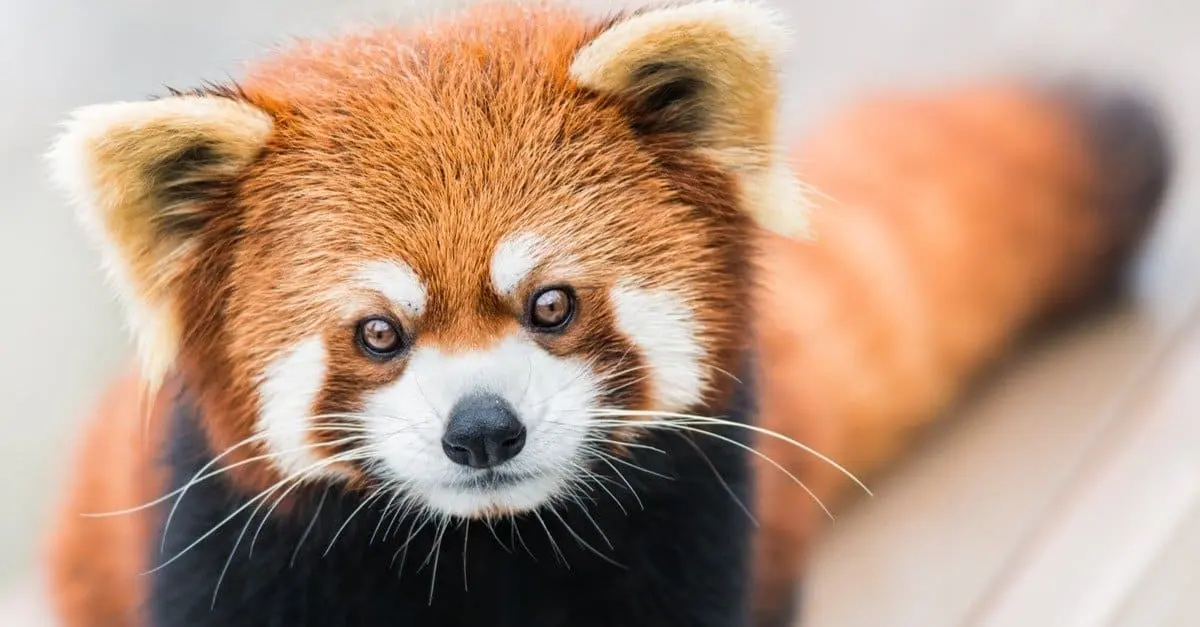
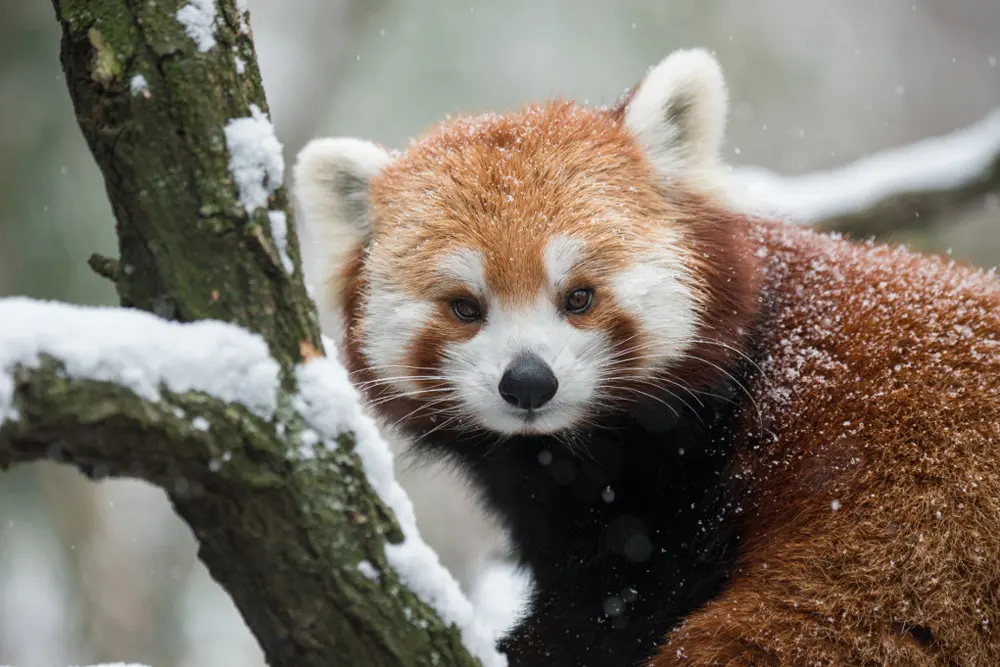
- A common mistake is confusing the giant panda with the red panda, which is a much smaller species weighing only 7 to 14 pounds.
- To estimate a panda's size in the wild, look for their distinct broad shoulders and massive molars, which are adapted for crushing tough bamboo stalks.
The bottom line
Giant pandas are large, bear-like mammals that reach impressive proportions as adults, typically weighing up to 275 pounds and standing three feet tall at the shoulder. Despite their tiny size at birth, they grow rapidly by consuming vast quantities of bamboo. Understanding their physical development highlights the incredible biological adaptations required for these animals to thrive on a specialized diet while maintaining their iconic, sturdy frames.
People also ask
How fast do giant pandas grow from birth to adulthood?
Pandas grow at an incredibly rapid rate during their first year of life. By the time they are one year old, they can weigh over 75 pounds, transitioning from a helpless infant to a mobile, independent cub.
Do pandas in captivity grow larger than those in the wild?
Pandas in managed care often reach the higher end of the weight spectrum due to a consistent, high-quality diet. While their wild counterparts must expend significant energy foraging, captive pandas have reliable access to bamboo, allowing them to maintain peak physical condition.
What is the primary reason for a panda's large body size?
Their size is largely a result of their specialized diet, which requires a massive digestive system to process large volumes of low-nutrient bamboo. They must consume 26 to 84 pounds of bamboo daily to maintain their body mass and energy levels.
How long does it take for a panda to reach its full adult size?
Giant pandas generally reach their full physical maturity between the ages of four and six. While they continue to grow during their first few years, their growth rate slows significantly once they reach sexual maturity.
Does the gender of a panda significantly affect its height?
While males are heavier and possess broader skulls, the height difference between males and females is relatively minor. Both sexes share a similar stocky, bear-like build that keeps them low to the ground for stability while climbing or feeding.
Can a panda's weight fluctuate throughout the year?
Yes, pandas may experience slight weight fluctuations based on the seasonal availability of different bamboo species. They generally maintain a stable weight, but they do not hibernate, meaning they must remain active and well-fed throughout the winter months.
This answer was created with the help of AI research tools and reference sources. Spotted an error? Let us know — we correct mistakes quickly. See our editorial policy.