What do bears eat?
Short answer
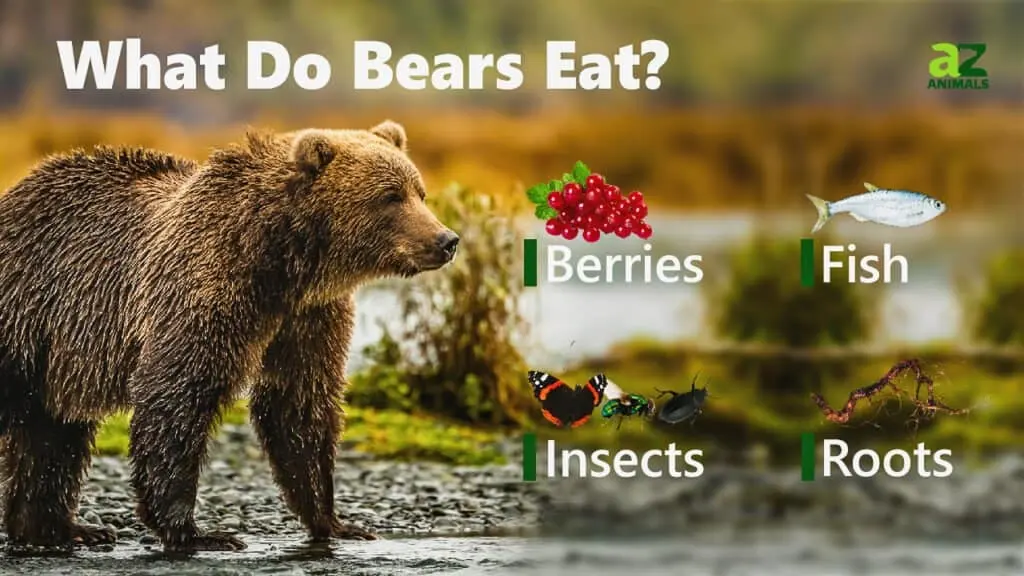
Bears are primarily opportunistic omnivores, meaning they consume a diverse range of plant matter and animal protein. While their specific diet depends on the species and seasonal availability, most bears eat berries, nuts, roots, insects, and fish. Some, like the polar bear, are specialized carnivores, while others, like the giant panda, are herbivores.
On this page
What do bears eat in the wild?
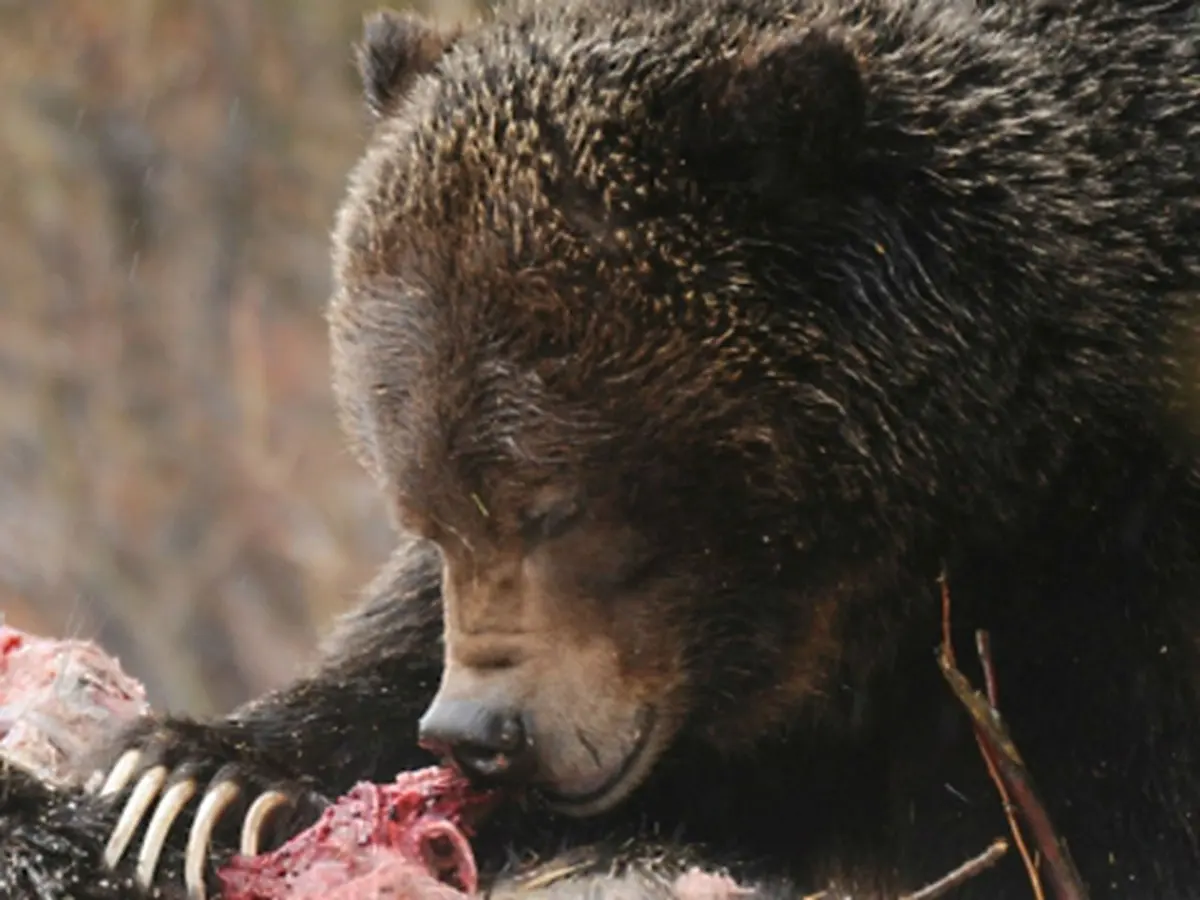
Most bear species, including the American black bear and the brown bear, are generalist omnivores. Their diet shifts dramatically throughout the seasons to maximize caloric intake. In the spring, they focus on succulent green vegetation, grasses, and newly sprouted shoots. As summer progresses, they transition to high-energy food sources like berries, cherries, and wild fruits. By autumn, bears prioritize calorie-dense foods such as acorns, beechnuts, and salmon to build the fat reserves necessary for winter hibernation.
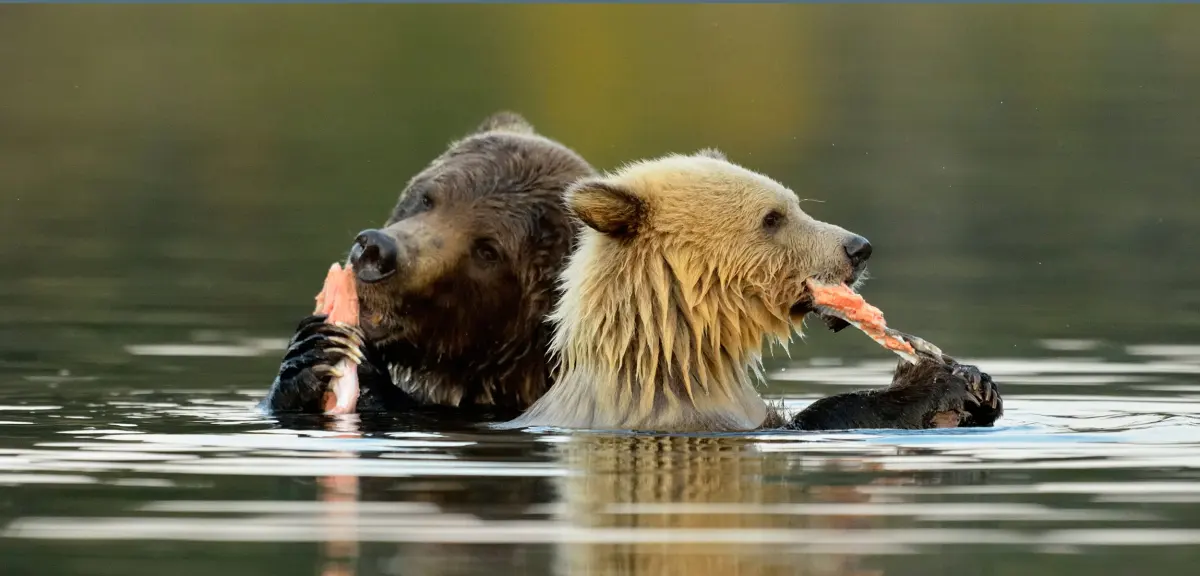
The composition of their diet is highly dependent on their geographic location and habitat. For instance, coastal brown bears rely heavily on spawning salmon, which provide essential proteins and fats. Conversely, inland bears may depend more on scavenged carrion, small mammals, or insect larvae found in rotting logs. This flexibility allows bears to occupy diverse ecosystems, from dense forests to alpine meadows, by adapting their foraging behavior to whatever food is most abundant at the time.
How do polar bears and pandas differ?
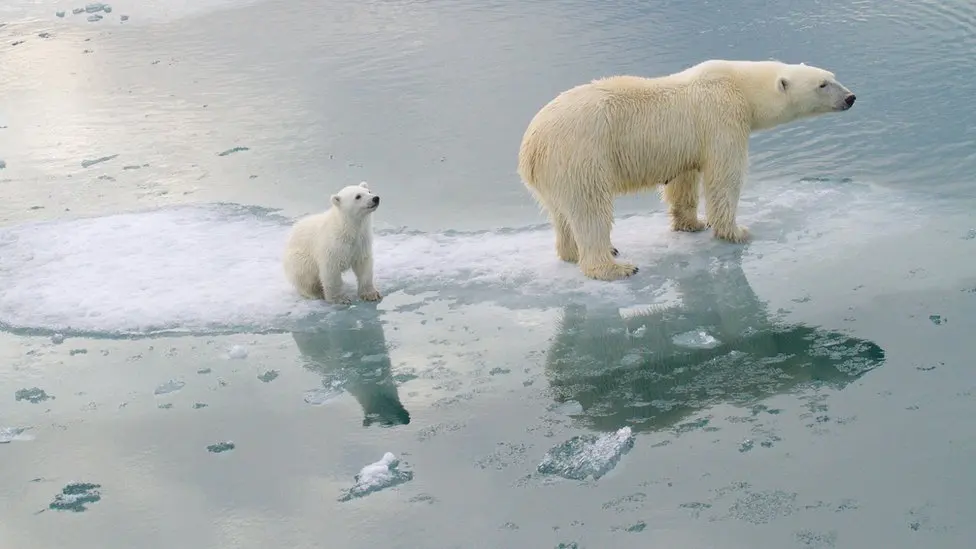
Not all bears follow the generalist omnivore model. The polar bear is the most carnivorous of all bear species, having evolved to survive in the Arctic environment where vegetation is scarce. Their primary prey is the ringed seal, which they hunt by waiting near breathing holes in the sea ice. They rely on the high fat content of seal blubber to maintain their massive body mass in freezing temperatures. Without access to ice, polar bears struggle to find sufficient caloric intake.
In contrast, the giant panda is almost entirely herbivorous. Despite belonging to the order Carnivora, the panda has adapted to a specialized diet consisting almost exclusively of bamboo. They consume vast quantities of bamboo stalks, shoots, and leaves daily to meet their nutritional requirements. This extreme specialization makes them highly vulnerable to habitat loss. While they occasionally consume small rodents or birds, their digestive system is biologically optimized for processing fibrous plant material rather than animal protein.
Why do bears become nuisance animals?
Bears are highly intelligent animals with an incredible sense of smell, capable of detecting food sources from miles away. When natural food sources are scarce, or when human-provided food is easily accessible, bears may lose their natural fear of humans. This behavior, known as habituation, often occurs in campgrounds, residential areas, or near improperly stored garbage. Once a bear learns that human settlements provide high-calorie rewards, it is likely to return, creating a dangerous situation for both the animal and the public.
Human-provided food is often referred to as "attractants." These items are typically high in sugar, fat, or protein, which can be more attractive than natural forage. Common attractants include:
- Unsecured household trash and dumpsters.
- Bird feeders and birdseed.
- Pet food stored outdoors or in garages.
- Compost piles containing fruit or vegetable scraps.
- Uncleaned outdoor grills or greasy cooking equipment.
Common mistakes when camping in bear country
Many hikers and campers inadvertently invite bear encounters by failing to secure their food properly. The most frequent error is leaving food or scented items inside a tent, which can lead to a bear investigating the smell while people are sleeping. Another common mistake is failing to pack out all trash, as even the scent of food wrappers can draw a bear to a campsite. It is essential to treat every scented item, including toothpaste, soap, and deodorant, with the same caution as food.
To prevent attracting bears while camping, follow these safety steps:
- Store all food and scented items in a certified bear-resistant container or hang them at least 10 feet high and 4 feet out from a tree trunk.
- Cook and eat meals at least 100 yards away from your sleeping area to keep food odors separated from your tent.
- Keep a clean campsite by disposing of all food scraps and gray water in designated areas far from sleeping quarters.
- Never leave food unattended, even for a short period, as bears are quick to take advantage of an open opportunity.
How to safely coexist with bears
Coexisting with bears requires a combination of education and proactive management of attractants. In residential areas, the most effective way to prevent conflict is to eliminate the food sources that draw bears near homes. This involves securing trash cans with locking mechanisms, removing bird feeders during peak bear activity months, and ensuring that pet food is never left outside. By making human environments less rewarding, bears are encouraged to stay in their natural habitats where they can forage safely on berries and nuts.
When hiking or recreating in bear territory, awareness is your best defense. Carrying bear spray and knowing how to use it can prevent a conflict from escalating if you encounter a bear unexpectedly. If you see a bear, remain calm, do not run, and slowly back away while keeping your eyes on the animal. By respecting their space and removing the temptation of human food, people can significantly reduce the likelihood of negative interactions and help ensure that bear populations remain wild and healthy for future generations to observe in their natural environment.
Key facts
- Most bear species are omnivores, meaning they consume both plant matter and animal protein to meet their dietary needs.
- Polar bears are the only exception to this rule, as they are hyper-carnivores that rely almost exclusively on seal blubber.
- A grizzly bear can consume up to 90 pounds of food in a single day during the hyperphagia phase before winter hibernation.
- Bears possess an incredible sense of smell, allowing them to detect food sources from over a mile away.
- When camping, always store food in bear-resistant containers or hang it at least 10 feet high and 4 feet out from a tree trunk.
- Never feed bears, as this creates "food-conditioned" animals that lose their natural fear of humans and often must be euthanized.
The bottom line
Bears are highly adaptable omnivores that tailor their diets to the specific environment and seasons. While they rely heavily on vegetation, fruits, and insects, they will consume meat or human refuse if it is readily available. Understanding their opportunistic feeding habits is crucial for human safety; by securing food properly and never feeding them, you protect both yourself and the long-term health of the bear population.
People also ask
Do bears prefer honey over other foods?
Bears enjoy honey, but they are actually seeking the bee larvae and pupae within the hive, which provide essential protein and fats. Honey is merely a sugary byproduct that they consume while accessing the more nutritious brood.
How do bears find enough food in the winter?
Most bears do not find food in the winter because they enter a state of torpor, a form of light hibernation. They survive this period by metabolizing the thick layers of body fat they accumulated during the summer and autumn months.
Are black bears strictly vegetarians?
Despite their name, black bears are opportunistic omnivores that eat a wide variety of foods. While vegetation like berries, nuts, and grasses makes up the majority of their diet, they also consume insects, carrion, and small mammals when available.
Can bears eat human food safely?
Bears can physically digest human food, but it is extremely dangerous for both the animal and humans. Human food is high in calories and salt, which can cause health issues for bears and encourage them to approach residential areas, leading to human-bear conflicts.
Do bears hunt large animals like moose or elk?
Grizzly bears are capable of hunting large ungulates, particularly during the spring when calves are vulnerable. However, they are more likely to scavenge carcasses or consume smaller prey than to engage in a full-scale hunt of a healthy adult animal.
What is the most important food source for salmon-eating bears?
For coastal brown bears, spawning salmon provide a critical source of high-quality protein and fat. This seasonal influx of fish allows them to rapidly gain the weight necessary to survive the harsh winter months when other food sources are scarce.
This answer was created with the help of AI research tools and reference sources. Spotted an error? Let us know — we correct mistakes quickly. See our editorial policy.