What is the smartest animal?
Short answer
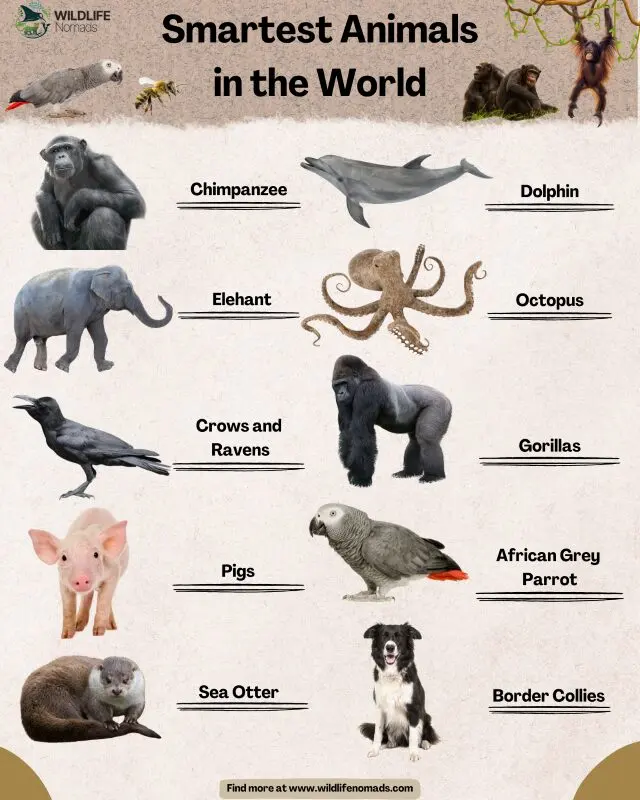
There is no single "smartest" animal because intelligence takes many forms, such as problem-solving, social cooperation, and tool use. Chimpanzees, dolphins, and crows are widely considered the most cognitively advanced species. Each excels in different environments, making it impossible to rank them linearly across all biological and behavioral categories.
On this page
Why is there no single smartest animal?
Intelligence is not a single trait that can be measured on a universal scale. Evolution shapes cognitive abilities to help specific species survive in their unique ecological niches. For instance, a border collie excels at understanding human commands, while a chimpanzee demonstrates superior abstract reasoning. Comparing these animals is like comparing a calculator to a compass; both are sophisticated tools, but they serve entirely different purposes.
Scientists typically evaluate animal intelligence through three primary lenses: social complexity, tool utilization, and memory. Because these traits develop independently, a species might demonstrate genius-level spatial awareness while lacking the social structure required for complex communication. Consequently, researchers now focus on "convergent evolution," which describes how different species independently developed similar problem-solving skills. By avoiding a rigid ranking system, biologists gain a clearer understanding of how various brains function in the wild.
How do chimpanzees demonstrate complex intelligence?
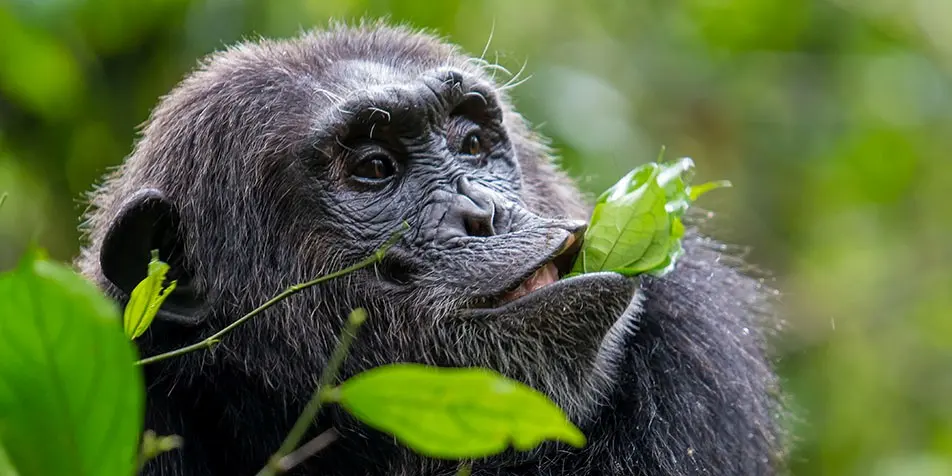
Chimpanzees share roughly 99 percent of their DNA with humans, which manifests in their advanced social structures and tool-making abilities. They are known to fashion sticks to "fish" for termites, strip leaves from branches to create probes, and use stones as hammers to crack open nuts. These behaviors are not merely instinctive; they are learned through observation and passed down through generations, indicating a form of cultural transmission.
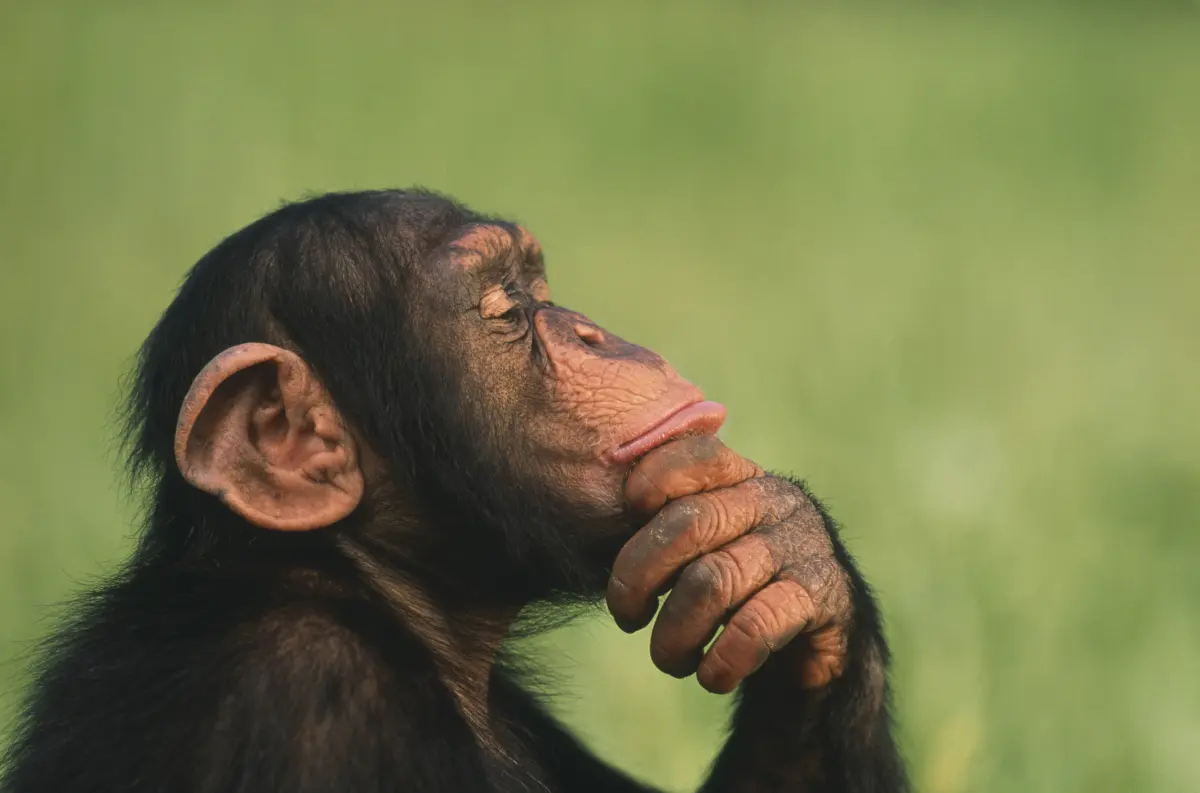
Beyond physical tools, chimpanzees exhibit emotional intelligence and strategic planning. They participate in cooperative hunting, form political alliances within their troops, and display signs of empathy toward injured members. To understand their cognitive depth, consider these documented behaviors:
- Strategic deception: Individuals may hide food from dominant members to ensure they keep a larger share.
- Symbolic communication: Researchers have taught captive chimpanzees to use sign language to express needs and abstract concepts.
- Spatial memory: They can recall the locations of hundreds of fruit trees across vast territories, often outperforming humans in rapid memory tests.
Why are dolphins considered highly intelligent?
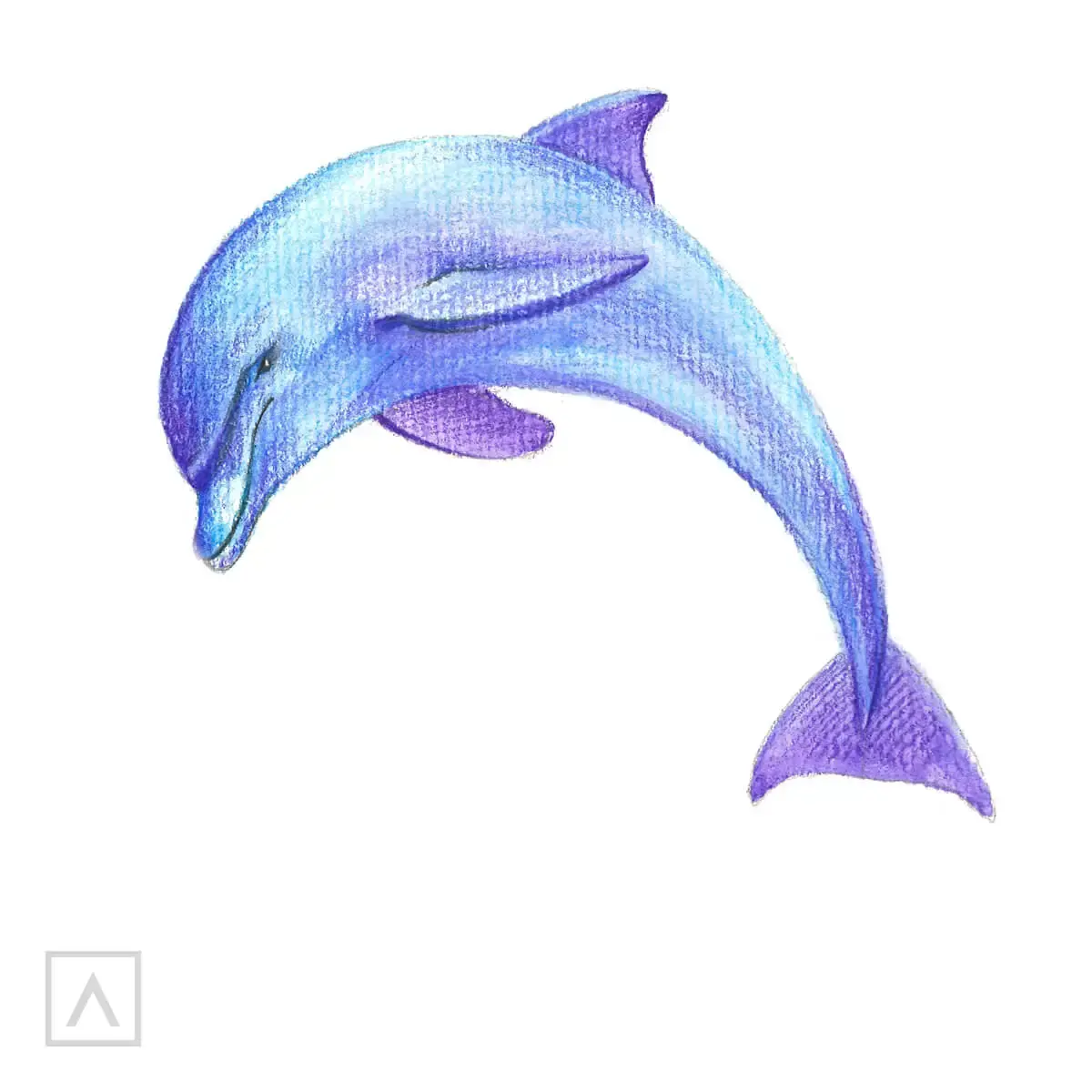
Dolphins possess one of the highest brain-to-body mass ratios in the animal kingdom, rivaling that of great apes. Their intelligence is primarily social and acoustic, as they live in tight-knit pods that require constant coordination. Dolphins use signature whistles to identify themselves to others, effectively functioning as names. This level of self-awareness and individual recognition is a hallmark of high-level cognitive processing.
Their ability to solve problems is evident in both wild and captive settings. Dolphins have been observed using sponges to protect their snouts while foraging on the seafloor, a technique taught from mother to calf. They also engage in complex cooperative hunting, where they create mud nets to trap schools of fish. Key indicators of their mental capacity include:
- Self-recognition: Dolphins can identify themselves in mirrors, a test that proves they have a sense of "self."
- Imitation: They are capable of mimicking both human actions and the behaviors of other marine species.
- Problem-solving: They demonstrate the ability to understand abstract concepts, such as "greater than" or "less than," during training exercises.
Which birds show the most advanced problem-solving?
Crows and ravens, members of the corvid family, are the "primates of the bird world." Despite having much smaller brains than mammals, their neural density is incredibly high, allowing for rapid information processing. They are famous for their ability to solve multi-step puzzles that require planning ahead. For example, a crow might realize it needs to use a short stick to retrieve a longer stick to reach a piece of food.
Corvids also exhibit a remarkable capacity for long-term memory and social judgment. They can recognize individual human faces and remember who has treated them well or poorly for years. This memory allows them to navigate complex social hierarchies and avoid potential threats. Common displays of their intelligence include:
- Tool construction: Shaping wire or wood to fit specific gaps or locks.
- Social caching: Hiding food in multiple locations and moving it if they suspect another bird is watching.
- Play behavior: Engaging in activities like sliding down snowy roofs, which serves no survival purpose other than mental stimulation.
Common mistakes when evaluating animal intelligence
One of the most frequent errors people make is anthropomorphism, which is the tendency to assign human motivations to animal actions. When a dog looks "guilty," it is often reacting to a human's stern tone rather than expressing moral remorse. Similarly, assuming that an animal is "dumb" because it fails a specific test is a mistake. A cat may ignore a puzzle that a dog solves easily, not because the cat lacks intelligence, but because it lacks the motivation to please the human observer.
To accurately assess animal behavior, avoid these pitfalls:
- Assuming human-centric intelligence: Do not judge a species by how well it performs human tasks.
- Ignoring environmental context: An animal's cognitive skills are optimized for its natural habitat, not a laboratory.
- Overlooking emotional intelligence: Many animals process information through social bonds rather than logic puzzles.
- Confusing training with innate intelligence: A well-trained animal is not necessarily more intelligent than a wild one; it has simply been conditioned to respond to specific stimuli.
Key facts
- Chimpanzees share approximately 98.8% of their DNA with humans, making them our closest living evolutionary relatives.
- Bottlenose dolphins demonstrate self-awareness by recognizing themselves in mirrors, a trait shared by very few species.
- New Caledonian crows craft hooked tools from twigs to extract insects from hard-to-reach crevices.
- Octopuses possess a decentralized nervous system, with two-thirds of their neurons located in their arms rather than their central brain.
- African gray parrots can learn hundreds of words and demonstrate an understanding of abstract concepts like shape, color, and number.
- Elephants exhibit complex social behaviors, including mourning their dead and showing empathy toward other distressed herd members.
The bottom line
Defining the smartest animal is difficult because intelligence manifests in diverse ways suited to different environments. While primates excel in social and linguistic tasks, birds show remarkable engineering skills, and cephalopods demonstrate unique problem-solving abilities. Rather than seeking a single winner, recognize that intelligence is an evolutionary adaptation. Each species has developed specialized cognitive tools that allow it to survive, thrive, and interact within its specific ecological niche.
People also ask
Can animals solve complex puzzles?
Yes, many animals, particularly primates and corvids, can solve multi-step puzzles to access food. For example, chimpanzees have been observed using water to float a peanut out of a narrow tube.
Do animals have a sense of time?
Research suggests that many species, such as scrub jays, possess episodic-like memory. They can remember what, where, and when a specific event occurred, allowing them to cache food strategically.
Is brain size the best indicator of intelligence?
Brain size alone does not determine intelligence, as the brain-to-body mass ratio and the density of neurons in the cerebral cortex are more critical. Small-brained animals like octopuses prove that complex cognition can evolve through different biological structures.
Can animals learn human language?
While animals cannot speak in human sentences, some species like bonobos and parrots can learn to associate symbols or words with specific objects. They use these tools to communicate needs or identify items in their environment.
Do animals use tools in the wild?
Tool use is documented across many species, including sea otters using rocks to crack shellfish and orangutans using sticks to test water depth. This behavior indicates advanced problem-solving and planning skills.
How do scientists measure animal intelligence?
Scientists use standardized cognitive tests that measure memory, learning speed, and social cooperation. These tests often involve maze navigation, discrimination tasks, or the ability to mimic observed behaviors.
This answer was created with the help of AI research tools and reference sources. Spotted an error? Let us know — we correct mistakes quickly. See our editorial policy.