What is a baby rabbit called?
Short answer
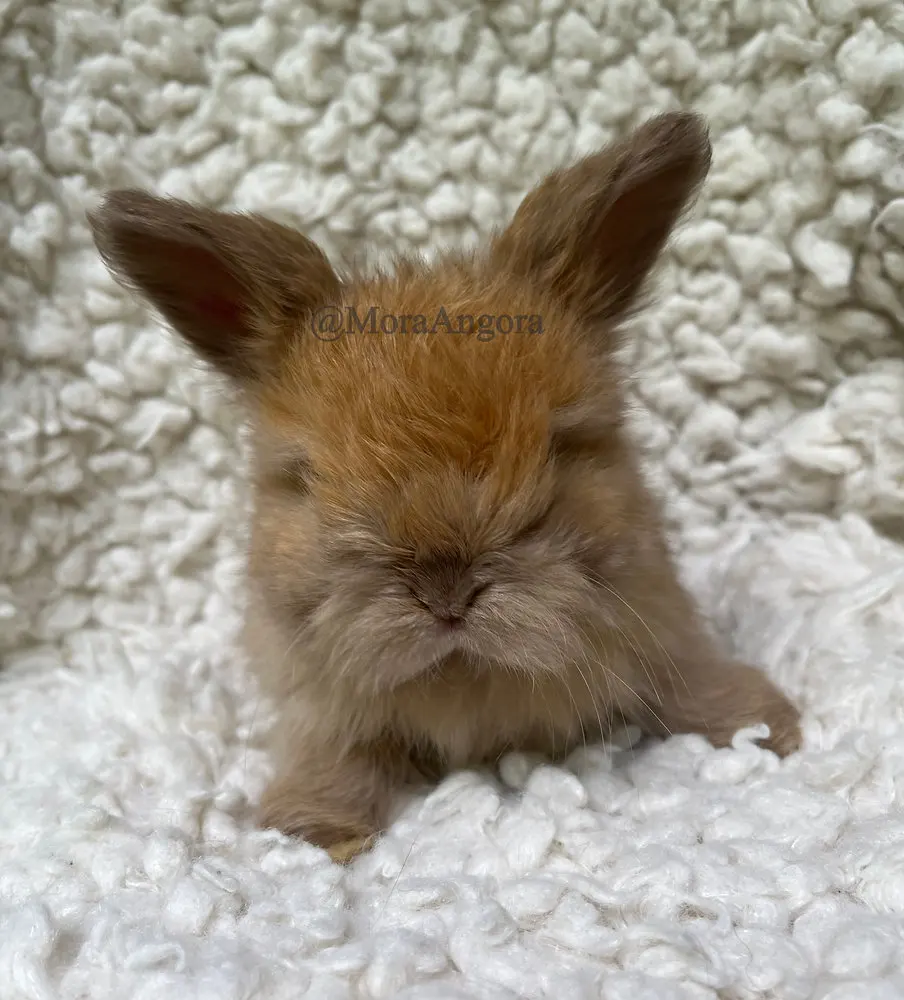
A baby rabbit is called a kit or a kitten. These terms are used for the young of both domestic and wild rabbits. A group of kits born to the same mother in a single labor is referred to as a litter. Once a kit reaches adolescence, it is often called a junior.
On this page
What is a baby rabbit called?
A baby rabbit is officially known as a kit, which is short for kitten. While the term kitten is more commonly associated with domestic cats, it is the biologically correct name for the young of the order Lagomorpha, which includes rabbits and hares. When these animals are born, they are entirely dependent on their mother for warmth and nutrition.
As the animal matures, the terminology changes to reflect its growth stages. A rabbit that has been weaned but has not yet reached sexual maturity is typically called a junior. Once a rabbit reaches adulthood, it is referred to as a buck if it is male or a doe if it is female. Understanding these distinctions is important for breeders and pet owners who need to track the development and reproductive status of their animals accurately.
How long do kits stay in the nest?
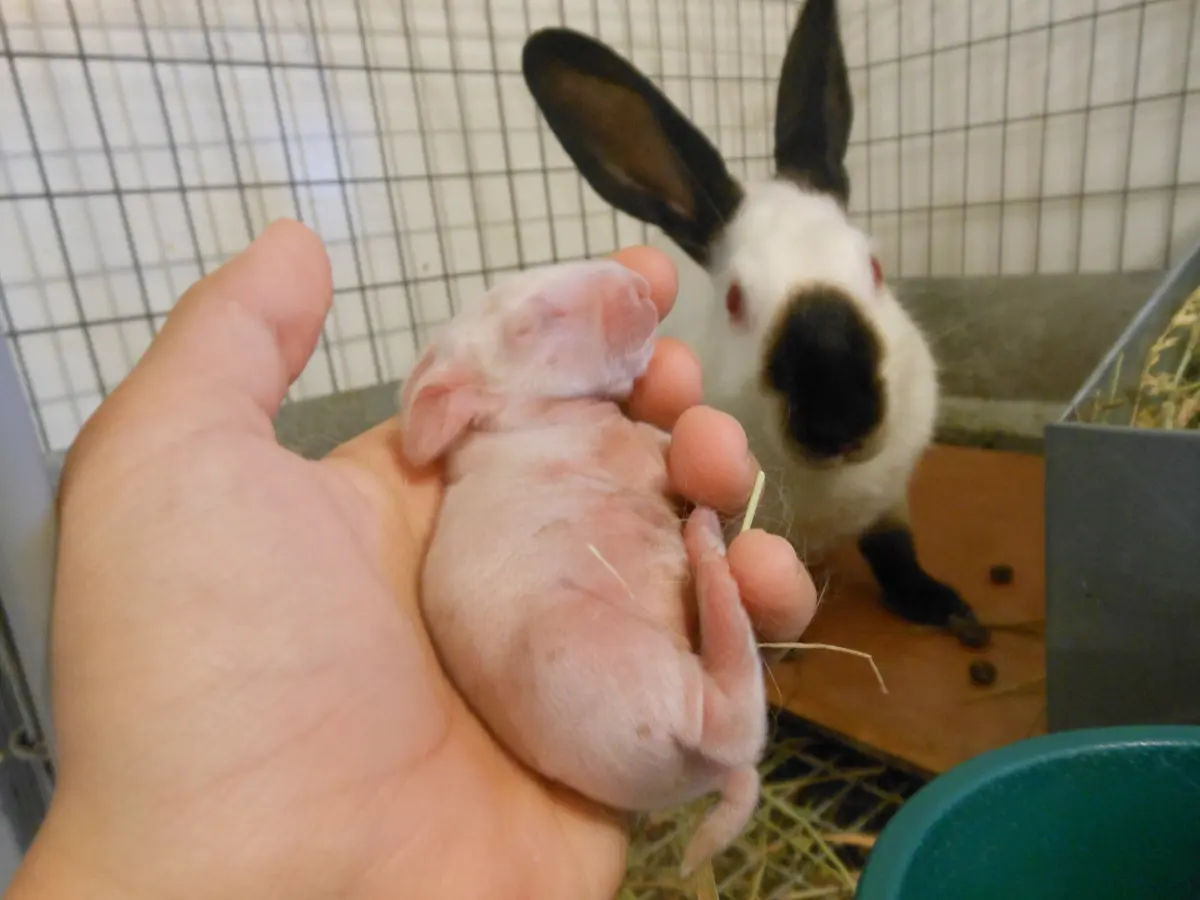
In the wild, rabbits are born in underground burrows called warrens, specifically in a nesting chamber lined with fur and grass. Kits are born altricial, meaning they are hairless, blind, and deaf at birth. They remain in this protected nest for approximately three to four weeks before they begin to explore the outside world.
During this period, the mother visits the nest only once or twice a day to nurse her young. She does this primarily at dawn or dusk to avoid drawing the attention of predators to the location of the nest. This behavior is normal and does not mean the mother has abandoned her litter. Owners of domestic rabbits should observe the following guidelines to ensure the safety of the nest:
- Keep the nesting box in a quiet, low-traffic area of the enclosure.
- Avoid touching the kits unnecessarily to prevent human scent from causing stress.
- Ensure the mother has constant access to fresh water and high-quality alfalfa hay.
- Monitor the kits' weight gain daily to ensure they are receiving adequate nutrition.
Why do rabbits have large litters?
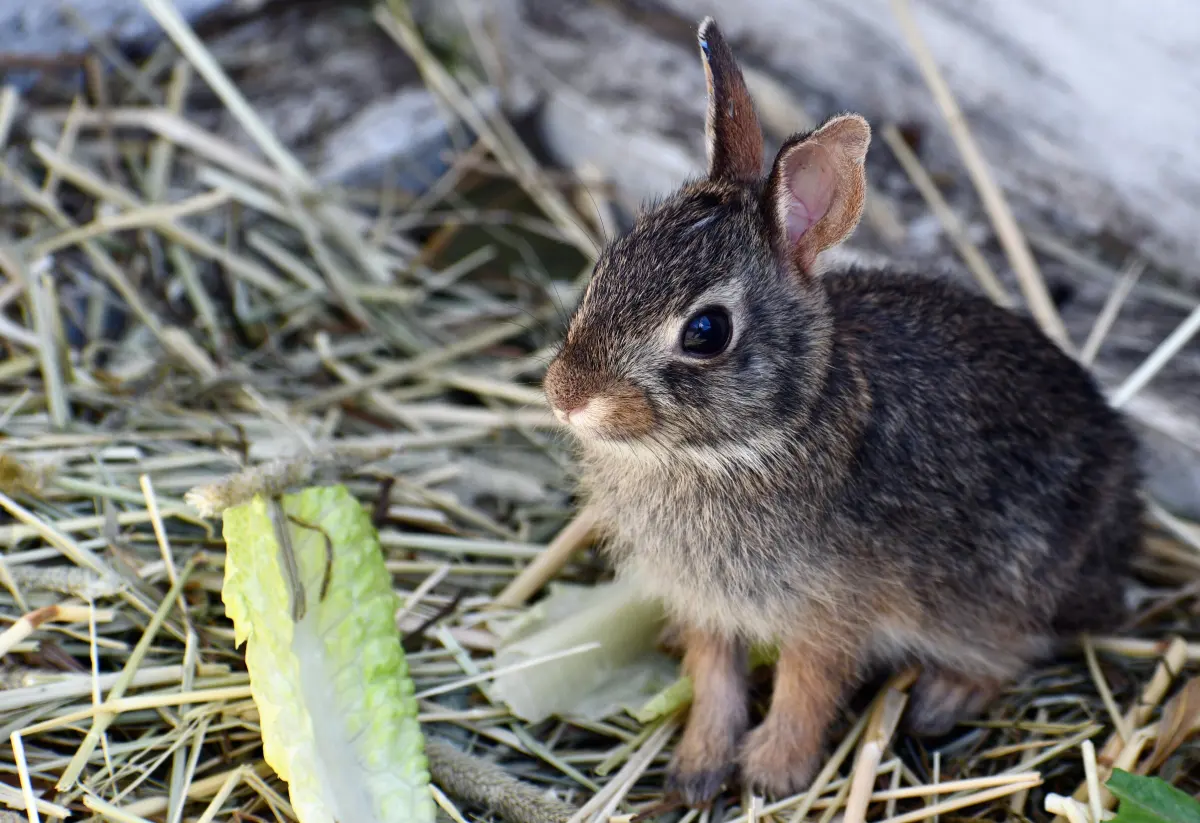
Rabbits are prolific breeders, a biological strategy known as r-selection. Because they are a primary prey species for many predators, including hawks, foxes, and snakes, they rely on high reproductive rates to ensure the survival of their population. A single doe can produce several litters within a single breeding season, which typically spans from spring through late summer.
The gestation period for a rabbit is remarkably short, usually lasting between 28 and 32 days. Because the pregnancy is brief, a female can become pregnant again almost immediately after giving birth. This rapid cycle allows a rabbit population to rebound quickly even after significant losses due to predation or environmental factors. While this is an effective survival mechanism in the wild, it requires careful management in domestic settings to prevent overpopulation and ensure the health of the mother.
Common mistakes when caring for kits
One of the most frequent errors made by novice rabbit owners is assuming that a kit found alone in a nest has been orphaned. In reality, the mother is likely nearby, intentionally staying away to keep the nest hidden from potential threats. Removing a kit from its nest often does more harm than good and can lead to the kit suffering from malnutrition or stress.
Another common mistake involves improper handling or diet adjustments during the weaning phase. Kits require a very specific transition from mother's milk to solid food. If they are weaned too early or given the wrong types of vegetation, they can develop severe digestive issues such as enteritis. To properly transition kits, follow these steps:
- Provide access to high-quality alfalfa hay, which is rich in calcium and protein.
- Introduce small amounts of fresh, dark leafy greens only after the kits are at least six weeks old.
- Ensure the transition to solid pellets is gradual to avoid upsetting their sensitive gastrointestinal tracts.
- Maintain a clean environment to prevent the spread of parasites like coccidia, which are particularly dangerous to young rabbits.
How fast do baby rabbits grow?
Kits grow at an impressive rate, often doubling their birth weight within the first week of life. By the time they are three weeks old, they begin to nibble on solid food and venture out of the nesting box. Their eyes, which open around ten days after birth, are fully functional by the time they start eating hay and pellets.
By the age of eight weeks, most kits are fully weaned and capable of living independently. This is a critical developmental milestone, as it marks the transition from total reliance on the mother to becoming a self-sufficient junior rabbit. Proper socialization during this window is vital for domestic rabbits, as it helps them become comfortable with human presence and handling. Providing a stable, stress-free environment during these first two months is essential for raising a healthy, well-adjusted rabbit that will thrive well into its adult years.
Key facts
- A baby rabbit is officially called a kit or a kitten.
- Newborn rabbits are born hairless, blind, and completely dependent on their mother.
- A group of baby rabbits born in the same litter is called a kindle.
- Kits grow rapidly, often doubling their birth weight in just six days.
- Mother rabbits typically feed their young only once or twice a day, usually at dawn or dusk.
- Never pick up a wild rabbit kit found in a nest, as they are likely safe and waiting for their mother.
The bottom line
A baby rabbit, known as a kit, is a highly vulnerable creature that relies on its mother’s brief, nocturnal visits for survival. If you encounter a nest in the wild, the best course of action is to leave it alone. Most perceived abandonments are natural behaviors designed to protect the litter. Understanding these biological patterns ensures that you do not accidentally interfere with their development.
People also ask
How long do kits stay in the nest?
Kits usually remain in their nest for about three weeks. After this period, they begin to emerge and explore their surroundings while starting to nibble on solid food.
Do mother rabbits stay with their babies all day?
No, wild mother rabbits avoid the nest for most of the day to prevent attracting predators. They return briefly to nurse their young before quickly moving away again.
How can you tell if a rabbit kit is abandoned?
You can check by gently pressing the skin on their back; if it stays pinched, they may be dehydrated. However, if they are plump and quiet, they are likely healthy and being cared for by their mother.
What should you do if you find a nest of kits?
Leave the nest undisturbed and keep pets away from the area. If you suspect the mother is gone, place a light layer of string in an "X" pattern over the nest to see if it is moved by the mother overnight.
When do baby rabbits start eating solid food?
Kits begin transitioning to solid foods like grass and hay around three weeks of age. They continue to nurse until they are about six to eight weeks old.
Can you keep a wild baby rabbit as a pet?
It is illegal and dangerous to keep wild rabbits as pets. They have complex dietary needs and high stress levels that make them unsuitable for captivity, often leading to illness or death.
This answer was created with the help of AI research tools and reference sources. Spotted an error? Let us know — we correct mistakes quickly. See our editorial policy.