What do rabbits eat?
Short answer
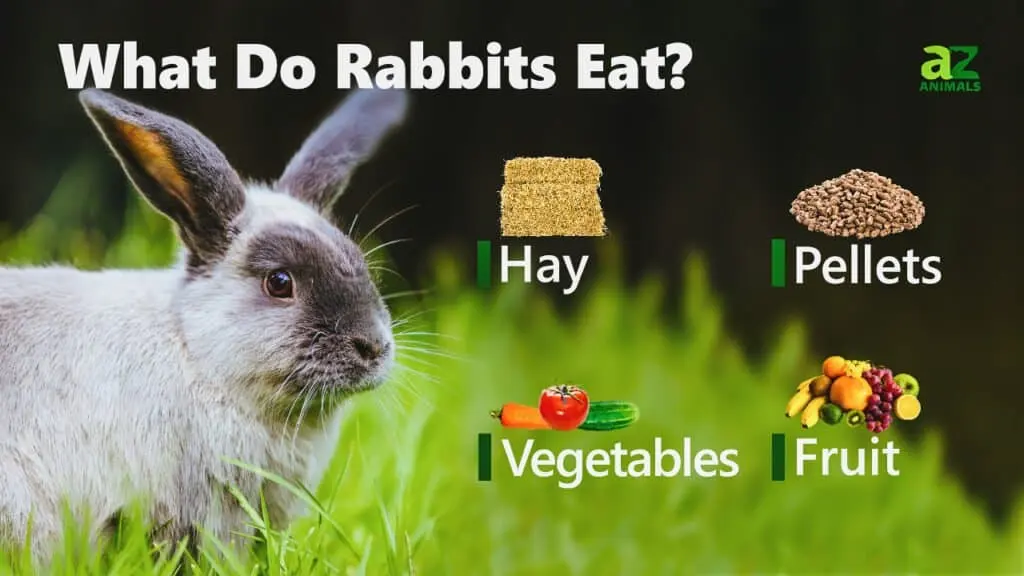
Rabbits are strict herbivores that require a diet consisting primarily of high-quality grass hay, supplemented by fresh leafy greens and a small amount of measured pellets. Their digestive systems are highly sensitive, necessitating a high-fiber intake to maintain gut motility and prevent life-threatening blockages or dental overgrowth issues.
On this page
What is the best diet for a pet rabbit?
The foundation of a healthy rabbit's diet is unlimited access to fresh grass hay, such as Timothy, orchard, or meadow hay. This fiber-rich forage is essential for wearing down their continuously growing teeth and keeping their complex digestive tracts moving. Hay should make up approximately 80 to 90 percent of their daily food intake, and it must be available 24 hours a day to prevent stasis.
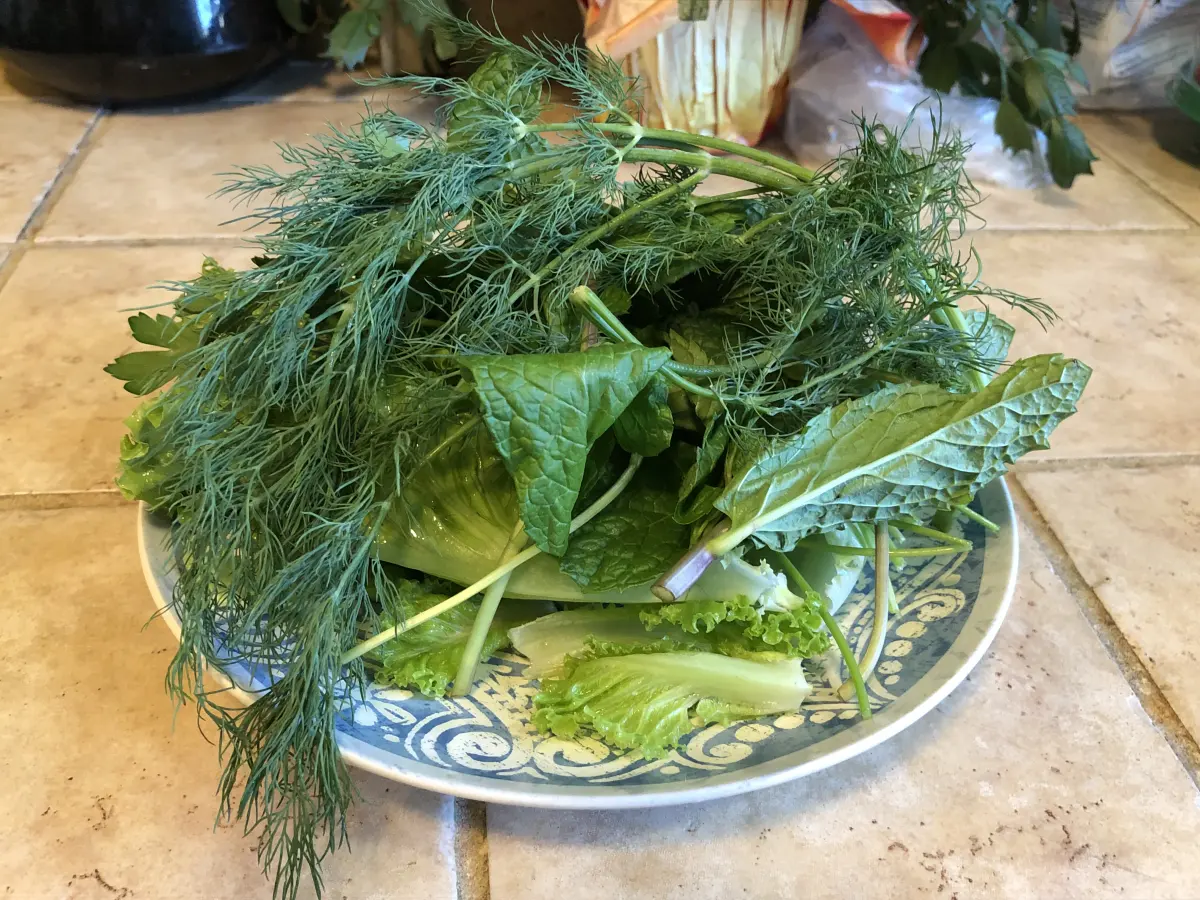
In addition to hay, rabbits benefit from a daily serving of fresh, dark leafy greens. These provide essential vitamins and moisture that dry hay lacks. A general guideline is to offer about one packed cup of greens per two pounds of body weight. Finally, high-quality, plain timothy-based pellets can be offered as a supplement, but these should be strictly portioned to prevent obesity.
- Timothy hay (the gold standard)
- Orchard grass (great for those with hay allergies)
- Oat hay (higher in fiber, good for variety)
- Botanical hay blends (adds enrichment)
How to choose the right vegetables for rabbits
Not all vegetables are safe or healthy for rabbits, and some can cause significant digestive distress. The best options are leafy greens that are low in calcium and oxalates. You should introduce new vegetables one at a time to monitor for any signs of diarrhea or bloating, which indicate that a particular plant does not agree with your rabbit's stomach.
When selecting greens, prioritize variety to ensure a broad spectrum of nutrients. Darker greens are generally more nutritious than pale, watery ones like iceberg lettuce, which lacks nutritional value and can even be harmful. Always wash vegetables thoroughly to remove pesticides or chemicals that could be toxic to your pet.
- Romaine lettuce (a staple green)
- Cilantro and parsley (excellent for daily feeding)
- Bok choy (use in moderation)
- Dandelion greens (a favorite, but ensure they are pesticide-free)
- Carrot tops (a treat, but not the carrot itself)
Why do rabbits need pellets and how much?
Pellets are designed to provide concentrated nutrition, but they are often overfed by well-meaning owners. Because pellets are calorie-dense, they can lead to rapid weight gain and cause rabbits to eat less hay, which is the most important component of their diet. A healthy adult rabbit typically requires only about 1/4 to 1/2 cup of pellets per six pounds of body weight daily.
When buying pellets, look for products that are plain and uniform in appearance. Avoid mixes that contain seeds, nuts, dried corn, or colorful bits, as these are high in fat and sugar and can cause serious gastrointestinal blockages. The primary ingredient should always be timothy hay, rather than alfalfa, which is too high in protein and calcium for most adult rabbits.
Common mistakes when feeding rabbits
One of the most frequent errors is feeding rabbits human foods, such as bread, crackers, chocolate, or fruit with seeds. These items are often high in carbohydrates and sugars, which disrupt the delicate balance of the rabbit's gut flora. A shift in these bacteria can lead to a dangerous condition called enterotoxemia, which can be fatal within hours.
Another mistake is failing to provide enough water or assuming that a rabbit gets enough moisture from its food. Rabbits drink a surprising amount of water, often as much as a small dog. Always provide fresh, clean water in a heavy ceramic bowl rather than a drip bottle, as bowls allow for more natural and efficient drinking habits.
- Feeding muesli-style mixes containing seeds or nuts
- Offering "treat sticks" held together with honey or sugar
- Forgetting to provide fresh water daily
- Giving too many sugary fruits like bananas or apples
How to safely introduce treats to rabbits
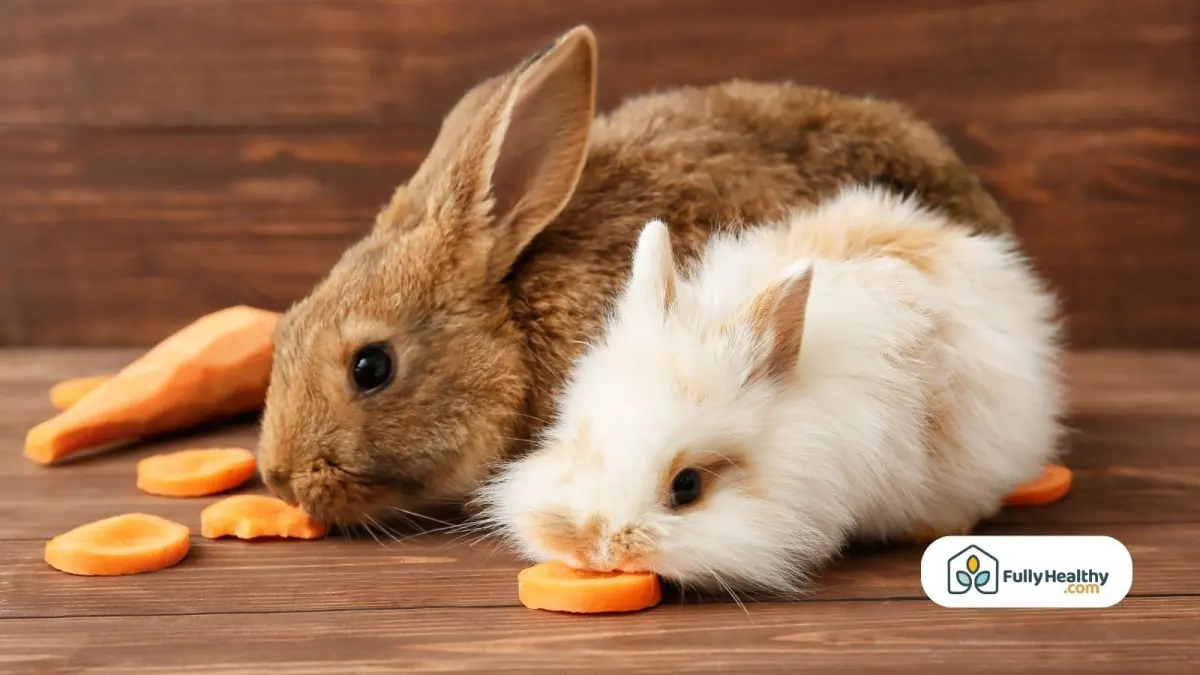
Treats should be considered a rare luxury rather than a dietary staple. Because rabbits have a sweet tooth, they will readily consume high-sugar items like carrots or fruit, but these should be limited to small, occasional pieces. A good rule of thumb is to offer no more than one or two tablespoons of fruit per day, and only if the rabbit is maintaining a healthy weight.
Instead of store-bought treats, which are often loaded with fillers, try using small pieces of fresh herbs or a tiny slice of bell pepper. If you notice your rabbit becoming lethargic or showing changes in their droppings after a treat, discontinue that item immediately. Monitoring your rabbit's weight and stool output is the most effective way to ensure their diet is balanced and sustainable for long-term health.
Key facts
- Rabbits are obligate herbivores that require a diet consisting of 80% to 90% high-quality grass hay, such as Timothy or orchard grass.
- Fiber is essential for rabbit digestion; a lack of it can lead to life-threatening gastrointestinal stasis.
- Adult rabbits should receive a daily serving of fresh, leafy green vegetables, roughly one cup per two pounds of body weight.
- Avoid feeding rabbits iceberg lettuce, as it contains lactucarium, which can be harmful in large quantities.
- Treats like carrots or fruit should be limited to small portions, as their high sugar content can cause obesity and dental issues.
- Always provide unlimited access to clean, fresh water, as dehydration is a leading cause of health complications in rabbits.
The bottom line
To keep a rabbit healthy, prioritize an unlimited supply of fresh grass hay as the foundation of its diet. Supplement this with daily portions of leafy greens and strictly limit sugary treats like fruits or root vegetables. Avoid human foods, lawn clippings, and starchy snacks to prevent digestive distress. Consistent monitoring of their appetite and behavior remains the most effective way to ensure long-term well-being.
People also ask
Can rabbits eat bread or crackers?
No, rabbits should never eat bread, crackers, or other starchy carbohydrates. These foods are difficult for their digestive systems to process and can lead to severe bacterial imbalances.
Why is hay necessary for rabbit teeth?
Rabbit teeth grow continuously throughout their lives. Chewing on tough, fibrous hay helps grind down their teeth naturally, preventing painful overgrowth and dental abscesses.
What are the best vegetables for a rabbit?
Dark, leafy greens like romaine lettuce, bok choy, cilantro, and parsley are excellent choices. Rotate these vegetables to ensure your rabbit receives a variety of essential vitamins and minerals.
How much fruit is safe for a rabbit?
Fruit should be considered a rare treat, limited to no more than one or two tablespoons per five pounds of body weight. Focus on low-sugar options like small slices of apple without seeds.
Is it safe to feed rabbits lawn clippings?
Never feed rabbits grass clippings from a lawnmower. These clippings can ferment quickly, contain pesticides or fertilizers, and may cause fatal digestive blockages or poisoning.
How do I know if my rabbit is eating enough?
Monitor your rabbit’s daily hay consumption and fecal output. A healthy rabbit should produce consistent, round droppings; a sudden decrease in appetite or output is a medical emergency.
This answer was created with the help of AI research tools and reference sources. Spotted an error? Let us know — we correct mistakes quickly. See our editorial policy.