What is Germany known for?
Short answer
Germany is globally recognized for its robust engineering, automotive innovation, and rich cultural heritage. It serves as the economic engine of Europe, celebrated for precision manufacturing, classical music, and historic architecture. Beyond industry, the nation is known for its diverse landscapes, festive traditions like Oktoberfest, and a deep-rooted philosophical and scientific legacy.
On this page
Why is Germany famous for engineering?
Germany’s reputation for industrial excellence is built on a long tradition of vocational training and precision manufacturing. The country is home to iconic brands such as Volkswagen, Mercedes-Benz, BMW, and Siemens, which define the "Made in Germany" label. This focus on quality control and technical innovation has made the nation the world’s leading exporter of machinery and vehicles.
The German "Mittelstand" is a crucial component of this success. These small-to-medium-sized enterprises often dominate niche global markets through specialized engineering solutions. By prioritizing long-term stability over short-term profits, these companies maintain high standards of research and development. This commitment ensures that German products remain synonymous with durability and cutting-edge technology in sectors ranging from automotive engineering to renewable energy systems.
How to experience German culture and history
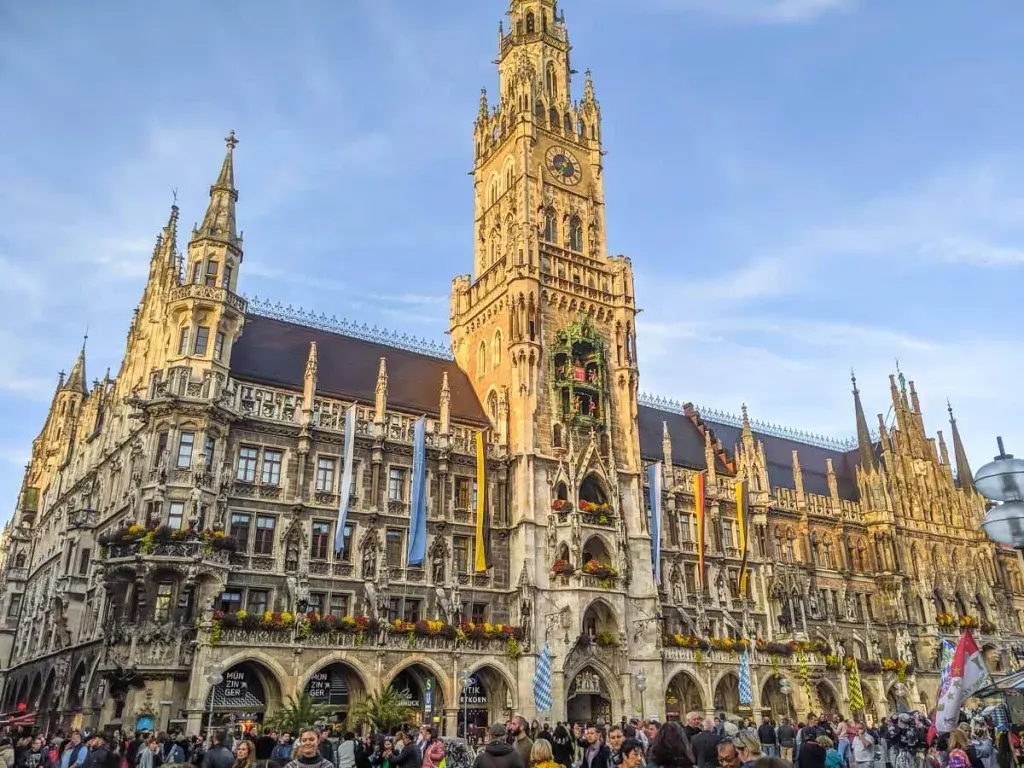
Germany offers a deep dive into European history, from the remnants of the Roman Empire to the complex legacy of the 20th century. Visitors typically start in Berlin, where the Brandenburg Gate and the Berlin Wall Memorial provide essential context for the Cold War era. Beyond the capital, the country is dotted with thousands of medieval castles, such as the famous Neuschwanstein Castle in Bavaria.
To make the most of a cultural trip, consider these steps:
- Research regional differences, as Bavaria’s traditions differ significantly from those in the north.
- Utilize the extensive rail network, which connects major historic cities efficiently.
- Visit local museums, which are often free or very affordable on specific days.
- Attend seasonal festivals, such as Christmas markets in December or harvest festivals in autumn.
Avoid the mistake of trying to see too many cities in one week. Germany’s history is best appreciated by spending quality time in specific regions rather than rushing between transit hubs.
What are the best German foods to try?
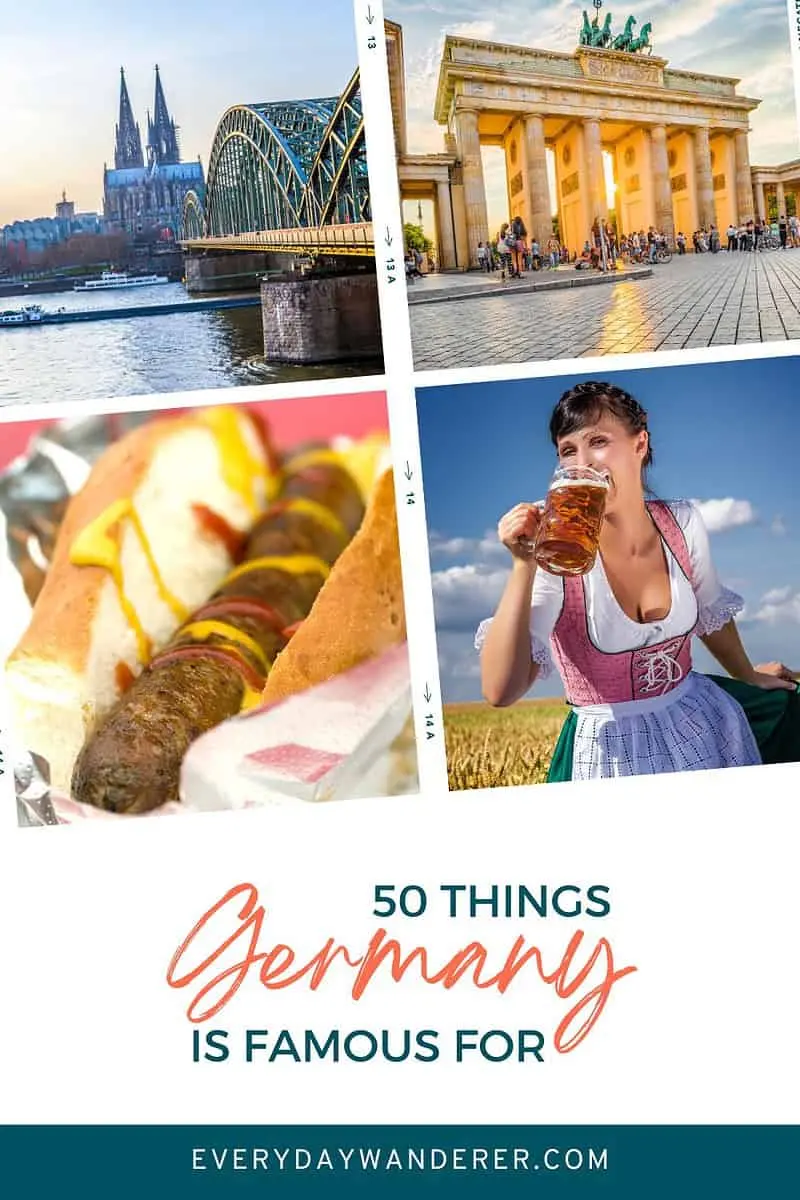
German cuisine is hearty, diverse, and deeply regional. While many people immediately think of sausages and pretzels, the culinary landscape is far more varied. Bread culture is particularly significant, with over 3,000 varieties of bread officially registered by the German Institute for Bread. Other staples include schnitzel, sauerbraten, and various potato-based dishes that reflect the country's agricultural roots.
When exploring German food, keep these popular items in mind:
- Currywurst: A classic street food consisting of steamed, fried pork sausage topped with curry ketchup.
- Spätzle: A type of soft egg noodle often served with cheese and fried onions.
- Schwarzwälder Kirschtorte: The famous Black Forest cake made with chocolate, cream, and cherry schnapps.
- Brezel: The iconic twisted bread knot, often served warm with butter or mustard.
Common mistakes include assuming all German food is heavy. Modern German cuisine increasingly emphasizes fresh, local produce and lighter, seasonal ingredients, especially in larger urban centers.
Why is Germany known for its music and philosophy?
The German-speaking world has profoundly influenced Western intellectual and artistic life. Composers like Johann Sebastian Bach, Ludwig van Beethoven, and Johannes Brahms established the foundations of classical music. Their works are still performed daily in concert halls across the globe, maintaining a standard of excellence that continues to inspire modern musicians and conductors.
In the realm of philosophy, thinkers such as Immanuel Kant, Friedrich Nietzsche, and G.W.F. Hegel fundamentally altered how humanity perceives ethics, consciousness, and history. Their writings remain central to university curricula worldwide. This intellectual tradition fostered a culture that values rigorous debate and systematic inquiry. Whether through the symphonies of the 19th century or the existential questions posed by 20th-century philosophers, Germany has consistently provided the framework for much of modern Western thought.
Common mistakes when traveling in Germany
Navigating Germany requires understanding local customs to ensure a smooth experience. A frequent error is assuming that credit cards are accepted everywhere. While major hotels and stores take cards, many small cafes, bakeries, and kiosks operate strictly on a cash basis. Always carry euros to avoid being caught off guard at a payment counter.
Another common mistake involves public etiquette, particularly regarding recycling and noise. Germans take waste separation very seriously; failing to sort your trash into the correct bins can lead to social friction. Additionally, observing "Ruhezeit" (quiet time), especially on Sundays, is a deeply ingrained cultural norm. Avoid loud activities or heavy construction work during these designated hours to respect local residents. By following these simple social guidelines and keeping cash on hand, visitors can integrate much more seamlessly into the daily rhythm of life in Germany.
Key facts
- Germany is the largest economy in the European Union, with a GDP exceeding $4 trillion.
- The country is home to over 25,000 castles, including the iconic 19th-century Neuschwanstein Castle.
- Germany is the world's third-largest exporter, renowned for high-quality engineering in automotive and industrial sectors.
- It hosts Oktoberfest in Munich, the world’s largest folk festival, which attracts over six million visitors annually.
- When visiting, always carry cash, as many small shops and restaurants in Germany do not accept credit cards.
- Sunday is legally designated as a day of rest; almost all retail stores and supermarkets remain closed nationwide.
The bottom line
Germany is a powerhouse of European culture and industry, blending deep historical traditions with cutting-edge engineering. From its world-class automotive sector and vibrant festival culture to its strictly observed social customs like Sunday closures, the nation offers a unique experience for visitors. By respecting local etiquette and planning for a cash-heavy economy, travelers can fully enjoy the rich heritage and efficiency that define modern Germany.
People also ask
Is it true that driving on the Autobahn has no speed limit?
While large stretches of the Autobahn have no mandatory speed limit, there is a recommended speed of 130 km/h. Local speed limits are strictly enforced in construction zones and near urban areas.
What is the official language of Germany?
German is the sole official language and is spoken by the vast majority of the population. English is widely taught in schools and is commonly understood in major cities and tourist hubs.
How do I navigate the public transportation system?
Germany has an extensive network of trains, trams, and buses. Always validate your ticket before boarding regional trains, as failure to do so can result in heavy fines.
What are the most famous German exports?
Germany is globally recognized for its luxury automotive brands, including Mercedes-Benz, BMW, and Volkswagen. It is also a leader in chemical products, machinery, and pharmaceutical exports.
Is tipping mandatory in German restaurants?
Tipping is not mandatory but is customary for good service. It is common to round up the bill or leave approximately 5 to 10 percent in cash directly to the server.
What is the best time of year to visit Germany?
May through September offers the most pleasant weather for outdoor sightseeing and festivals. December is also popular for visiting traditional Christmas markets throughout the country.
This answer was created with the help of AI research tools and reference sources. Spotted an error? Let us know — we correct mistakes quickly. See our editorial policy.