What is Ireland known for?
Short answer
Ireland is globally recognized for its rich literary heritage, vibrant traditional music, and dramatic landscapes. Often called the Emerald Isle, it is famous for its welcoming culture, historic castles, and significant contributions to global arts, including the works of authors like James Joyce and the widespread influence of Celtic traditions.
On this page
Why is Ireland famous for literature?
Ireland’s literary reputation is anchored by four Nobel Prize winners in Literature: W.B. Yeats, George Bernard Shaw, Samuel Beckett, and Seamus Heaney. This small nation has produced some of the most influential writers in the English language, largely due to a deep-rooted cultural emphasis on storytelling and oral tradition. Writers like James Joyce, whose seminal work Ulysses remains a cornerstone of modernist literature, helped define the 20th-century literary landscape.
The country’s capital, Dublin, is a UNESCO City of Literature, celebrating its history through museums like the Dublin Writers Museum and the Museum of Literature Ireland. Visitors often flock to the city to walk the paths of Joyce’s characters or visit the Book of Kells, an illuminated manuscript dating back to approximately 800 AD. This legacy persists today, with contemporary Irish authors consistently appearing on international bestseller lists and winning major literary prizes.
How to experience traditional Irish music?
Traditional Irish music, or "trad," is a cornerstone of the country's social fabric. It is characterized by instruments such as the uilleann pipes, the fiddle, the tin whistle, and the bodhrán, a frame drum. Unlike formal concert performances, the heart of this music is the "seisiún," an informal gathering where musicians play together in pubs. These sessions are spontaneous and community-driven, often found in rural villages and urban centers alike.
If you are looking to experience an authentic session, follow these guidelines:
- Seek out pubs that do not advertise "tourist" shows, as these are often staged performances rather than organic sessions.
- Arrive early to secure a seat near the musicians, as popular pubs fill up quickly.
- Respect the musicians by keeping conversation levels low while they are playing.
- Avoid requesting pop songs, as traditional sessions focus strictly on jigs, reels, and hornpipes.
What are the best Irish landscapes to visit?
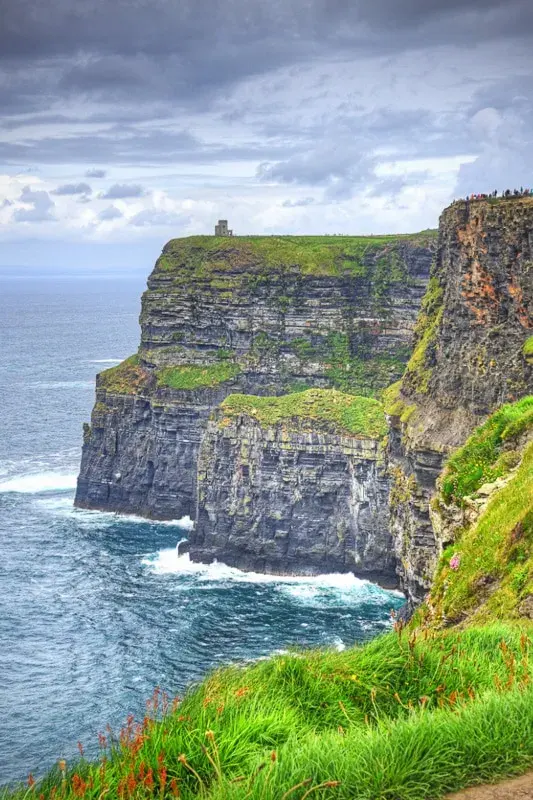
The Irish landscape is defined by its lush, green rolling hills and dramatic, rugged coastlines. The most iconic geological feature is the Cliffs of Moher, which rise 702 feet above the Atlantic Ocean in County Clare. Another major attraction is the Ring of Kerry, a 111-mile-long scenic drive that circles the Iveragh Peninsula, offering views of mountains, lakes, and the sea. These areas are protected as part of Ireland's commitment to preserving its natural heritage.
For those planning to explore these regions, consider the following steps:
- Rent a car to ensure flexibility, as public transport is limited in rural areas.
- Pack waterproof clothing regardless of the season, as the weather changes rapidly.
- Check local tide charts if you plan to walk along coastal paths or beaches.
- Stick to marked trails to protect the delicate flora and avoid dangerous terrain.
Why is Irish history and architecture important?
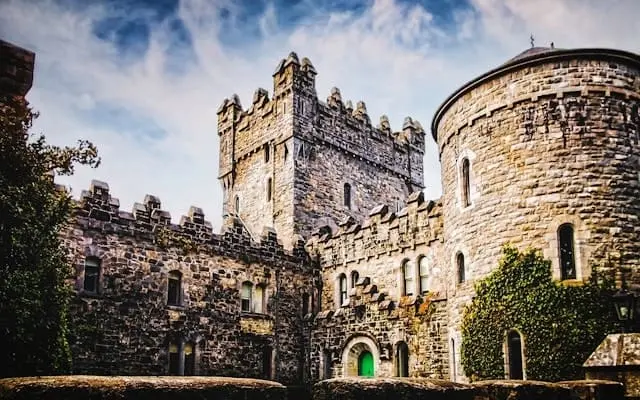
Ireland’s history is etched into its landscape through thousands of stone castles, monastic ruins, and prehistoric monuments. Sites like Newgrange, a passage tomb built around 3200 BC, predate the Egyptian pyramids and demonstrate the sophisticated engineering of Ireland's early inhabitants. Medieval castles, such as Blarney Castle and Bunratty Castle, serve as reminders of the island’s turbulent feudal history and the influence of the Anglo-Norman period.
Many visitors make the mistake of trying to visit too many historical sites in one trip. Because these ruins are often located in remote areas with narrow, winding roads, travel times are frequently longer than GPS estimates suggest. Focus on one or two major regions, such as the Boyne Valley for ancient history or the west coast for medieval fortifications, to ensure a deeper, less rushed experience.
What is the culture of Irish hospitality?
The concept of "céad míle fáilte," or "a hundred thousand welcomes," is the cornerstone of Irish social interaction. This cultural trait manifests in the friendly, talkative nature of the locals and a genuine interest in visitors. Pub culture is central to this, serving as the "living room" of the community where locals and travelers alike gather for conversation. This social environment is built on the belief that everyone has a story worth sharing.
When engaging with the local culture, avoid common pitfalls that can hinder your experience. Do not assume that Irish culture is identical to British culture, as the two have distinct histories, political systems, and social norms. Additionally, be mindful of the "round" system in pubs; when you are part of a group, it is expected that you buy a round of drinks for everyone, and they will do the same for you. Following these simple social cues will ensure a warm and welcoming interaction throughout your stay.
Key facts
- Ireland is divided into the Republic of Ireland, a sovereign nation, and Northern Ireland, which is part of the United Kingdom.
- The country is globally recognized for its literary heritage, having produced four Nobel Prize winners in Literature: W.B. Yeats, George Bernard Shaw, Samuel Beckett, and Seamus Heaney.
- St. Patrick’s Day, celebrated annually on March 17, originated in Ireland as a religious feast day and has become a global cultural phenomenon.
- The Irish pub is a central social institution; when ordering, remember that tipping is not mandatory or expected in Irish bars.
- The Wild Atlantic Way is a 2,500-kilometer coastal touring route that ranks as one of the longest defined coastal drives in the world.
- When visiting, avoid calling the country "Southern Ireland" if you are referring to the Republic, as this is geographically and politically inaccurate.
The bottom line
Ireland is a land defined by its dramatic landscapes, deep-rooted literary traditions, and vibrant social culture. Whether you are exploring the rugged cliffs of the west coast or enjoying the lively atmosphere of a Dublin pub, the country offers a unique blend of history and modernity. By respecting local customs and preparing for the fickle weather, travelers can fully enjoy the warmth of the Irish people.
People also ask
Is it better to visit Ireland in the summer or winter?
Summer offers longer daylight hours and warmer temperatures, making it ideal for hiking and coastal drives. Winter is significantly quieter and cheaper, though you should be prepared for frequent rain and limited daylight.
Do I need a visa to travel to Ireland?
Travelers from the United States, Canada, and the United Kingdom do not need a visa for short-term tourist stays. Always check the official Irish Immigration Service website for your specific nationality requirements before booking flights.
What is the official currency used in Ireland?
The Republic of Ireland uses the Euro (€), while Northern Ireland uses the British Pound Sterling (£). It is practical to carry both if you plan on crossing the border during your trip.
Is driving in Ireland difficult for tourists?
Driving is on the left side of the road, and many rural roads are narrow and winding. Renting a smaller car is highly recommended to navigate stone-walled lanes comfortably.
What is the best way to travel between major cities?
Ireland has an extensive rail network operated by Iarnród Éireann that connects Dublin to cities like Cork, Galway, and Belfast. Buses are a more affordable alternative and reach many smaller towns that trains do not serve.
What should I pack for an Irish vacation?
The weather is notoriously changeable, so prioritize waterproof layers and comfortable walking shoes. Even in summer, a light jacket or sweater is necessary for the cool, breezy evenings.
This answer was created with the help of AI research tools and reference sources. Spotted an error? Let us know — we correct mistakes quickly. See our editorial policy.