What is Portland known for?
Short answer
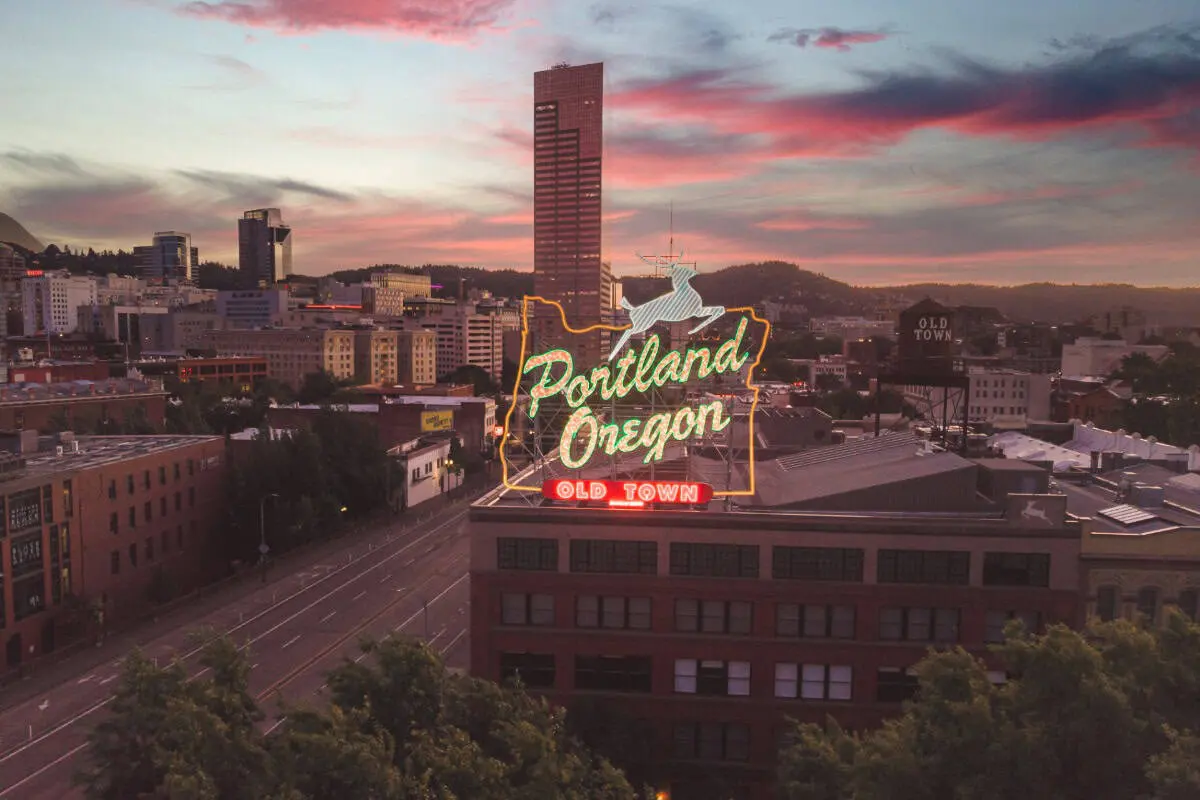
Portland, Oregon, is renowned for its progressive culture, lush green spaces, and vibrant culinary scene. Known as the "City of Roses," it features iconic landmarks like Washington Park and Powell’s City of Books. The city is celebrated for its commitment to sustainability, independent coffee culture, craft breweries, and quirky, creative atmosphere.
On this page
Why is Portland called the City of Roses?
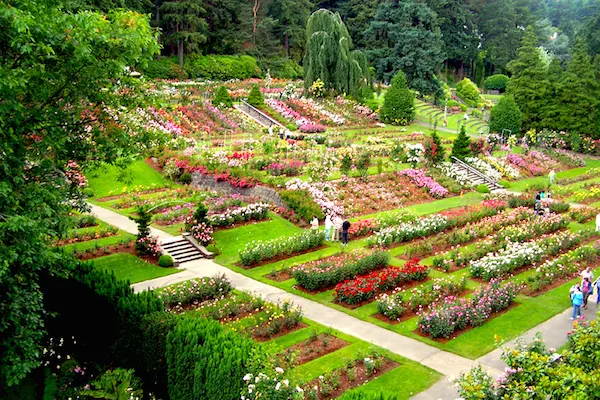
Portland earned its floral nickname due to the city’s ideal climate for cultivating roses, which has been a local tradition since the late 19th century. The International Rose Test Garden, established in 1917, is the oldest official public rose test garden in the United States. It currently houses over 10,000 rose bushes representing more than 600 varieties. Visitors can explore these sprawling terraces overlooking the city skyline and the distant peaks of the Cascade Range.
The city’s dedication to horticulture extends beyond this famous garden. The Portland Rose Festival, an annual event dating back to 1907, remains one of the region's most significant cultural celebrations. It features parades, dragon boat races, and floral displays that draw hundreds of thousands of attendees each June. To experience the best of the city’s floral heritage, consider these tips:
- Visit between late May and June for the peak blooming season.
- Wear comfortable walking shoes, as the garden is built on a steep hillside.
- Check the official garden website for bloom status updates before planning your trip.
Best neighborhoods for food and culture
Portland’s culinary identity is defined by its decentralized food scene, centered largely around "food cart pods." These collections of mobile kitchens offer everything from authentic Thai street food to gourmet vegan comfort meals. Unlike traditional restaurants, these pods provide an informal, accessible way to sample diverse global cuisines in a single afternoon. Beyond the carts, the city maintains a high density of independent coffee roasters and craft breweries that emphasize small-batch production and local ingredients.
The Pearl District and Alberta Arts District are the primary hubs for culture and shopping. The Pearl District is known for its renovated warehouses, art galleries, and the world-famous Powell’s City of Books, which occupies an entire city block. Meanwhile, the Alberta Arts District hosts the "Last Thursday" street fair, showcasing local musicians and artisans. When exploring these areas, keep these local customs in mind:
- Research the specific "pod" locations, as some rotate or move seasonally.
- Bring a reusable bag, as Oregon has a statewide ban on single-use plastic bags.
- Be prepared for long lines at popular brunch spots, which are a weekend staple here.
How to explore Portland’s outdoor spaces
Nature is deeply integrated into the urban fabric of Portland, with the 5,200-acre Forest Park serving as one of the largest urban forests in the country. Located just minutes from downtown, the park features over 80 miles of trails for hiking and mountain biking. The Hoyt Arboretum, situated within Washington Park, offers a massive collection of trees from around the world, providing a quiet escape from the city’s bustling core.
The Willamette River also plays a central role in local recreation. Residents frequently use the Eastbank Esplanade for cycling and jogging, offering panoramic views of the downtown bridges. For those looking to venture further, the Columbia River Gorge is less than an hour's drive away, featuring iconic waterfalls like Multnomah Falls. To make the most of your outdoor excursions, adhere to these guidelines:
- Always carry a light rain jacket, even during the summer months.
- Stay on marked trails to protect the delicate ecosystem of the forest floor.
- Practice "Leave No Trace" principles by packing out all trash and waste.
Common mistakes when visiting Portland
A frequent error for first-time visitors is underestimating the city's weather patterns. While Portland is famous for its rain, the precipitation is often a light, persistent mist rather than a heavy downpour. Many locals do not use umbrellas, preferring hooded jackets instead, as the wind can make umbrellas cumbersome. Another mistake is assuming the city is easily navigable by car; parking in downtown areas is expensive and limited, making public transit or cycling a much more efficient choice.
Another common oversight involves the city’s tax structure. Oregon has no sales tax, which can be surprising for travelers accustomed to paying extra at the register. However, visitors should be aware that some areas may impose local lodging or restaurant taxes. Avoid these pitfalls by planning your transportation in advance and checking the specific tax policies for your hotel or rental property. Being aware of these nuances allows for a smoother, more enjoyable experience while navigating the city's unique infrastructure.
What is the best way to get around?
Portland is consistently ranked as one of the most bicycle-friendly cities in the United States. The city features an extensive network of dedicated bike lanes, paths, and "bicycle boulevards" that prioritize cyclists over motor traffic. If you prefer public transportation, the TriMet system offers a seamless combination of light rail (MAX), streetcars, and buses that connect the metropolitan area. The MAX line provides direct service from Portland International Airport to the downtown core, making it an incredibly convenient option for arriving travelers.
If you plan to use public transit, the "Hop Fastpass" system is the easiest way to pay for fares across all modes of transport. Simply tap your card or mobile device on the readers located at stations or on vehicles. For those who enjoy walking, the city’s grid system is highly intuitive, though the hills in the west can be challenging. By utilizing the bike-share programs or the efficient light rail, you can easily access the city's diverse neighborhoods without the stress of driving.
Key facts
- Portland is home to Powell’s City of Books, which occupies an entire city block and is the largest independent new and used bookstore in the world.
- The city maintains the International Rose Test Garden, established in 1917, featuring over 10,000 individual rose bushes across 4.5 acres.
- Portland has the highest number of breweries and microbreweries of any city in the world, with over 70 operating within city limits.
- Forest Park is one of the largest urban forests in the United States, covering more than 5,000 acres of trails and wilderness inside the city.
- The city is famous for its food cart culture, hosting over 500 licensed carts organized into "pods" that offer diverse international cuisines.
- When visiting, avoid calling the city "Port-landia" as locals generally dislike the nickname derived from the popular sketch comedy show.
The bottom line
Portland is a unique Pacific Northwest hub celebrated for its commitment to urban greenery, independent commerce, and a vibrant culinary scene. Whether you are browsing the massive shelves at Powell’s, exploring the expansive trails of Forest Park, or sampling craft beer, the city rewards those who embrace its quirky, relaxed pace. It remains a premier destination for travelers who value sustainability, local culture, and tax-free shopping.
People also ask
Is it always raining in Portland?
While Portland is known for overcast skies and drizzle, it receives about 36 inches of rain annually, which is less than cities like New York or Atlanta. The rain is typically light and persistent rather than heavy downpours.
How do I get around Portland without a car?
Portland has an extensive public transit system called TriMet, which includes MAX light rail trains, streetcars, and buses. The city is also consistently ranked as one of the most bike-friendly urban centers in the country.
What is the best time of year to visit?
Summer, specifically from July through September, offers the most reliable sunshine and warm temperatures. This period is ideal for hiking in Forest Park or attending outdoor festivals.
Is Portland tax-free?
Oregon has no state sales tax, which makes the city a popular destination for shopping. You will pay the exact price listed on the tag for goods and services throughout the state.
What are the must-see neighborhoods?
The Pearl District is known for its art galleries and upscale shopping, while Hawthorne Boulevard offers a vintage, bohemian atmosphere. Mississippi Avenue is the go-to spot for unique boutiques and live music venues.
Are there mountains near the city?
Mount Hood is located about 50 miles east of Portland and is visible from many parts of the city on clear days. It provides year-round recreation, including skiing in the winter and hiking in the summer.
This answer was created with the help of AI research tools and reference sources. Spotted an error? Let us know — we correct mistakes quickly. See our editorial policy.
![18 Important Things To Know Before Visiting Buenos Aires [2026 Update]](/img/ac/what-is-buenos-aires-known-for-1.webp)