What is Calgary known for?
Short answer
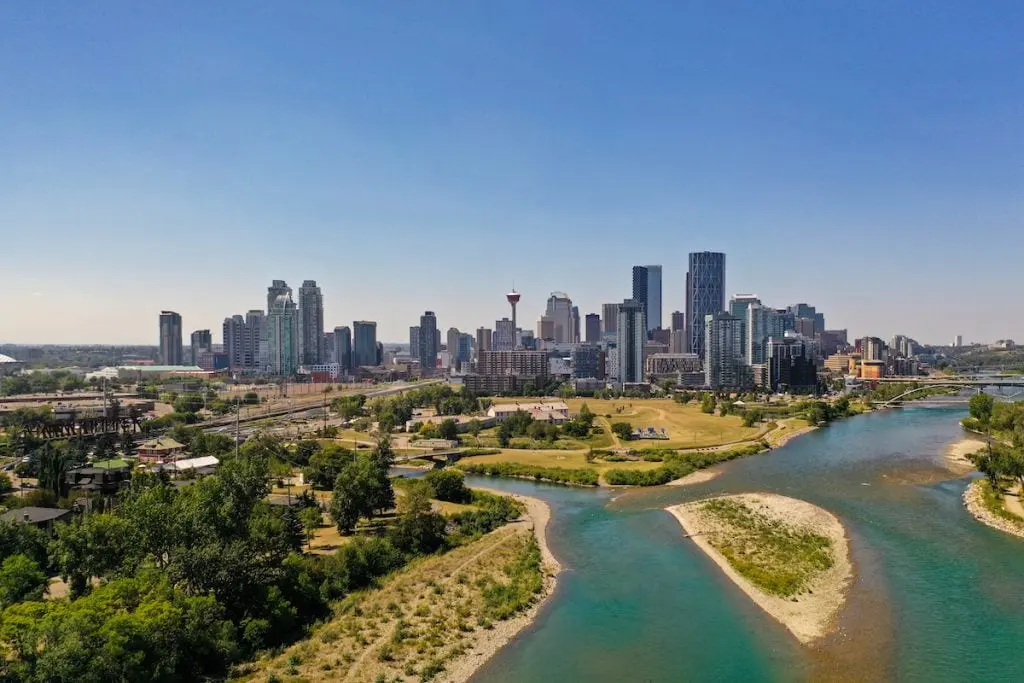
Calgary is primarily known as the heart of Canada’s energy industry and the host of the world-renowned Calgary Stampede. Located in Alberta near the Rocky Mountains, the city serves as a major economic hub, offering a blend of modern urban infrastructure, Western heritage, and immediate access to world-class outdoor recreation.
On this page
Why is the Calgary Stampede famous?
The Calgary Stampede, often marketed as "The Greatest Outdoor Show on Earth," is a ten-day annual rodeo and festival held every July. It traces its origins back to 1912, when American promoter Guy Weadick organized the first event to celebrate the closing of the frontier. Today, it attracts over a million visitors, transforming the city into a celebration of Western culture, complete with chuckwagon races, professional bull riding, and nightly grandstand shows.
The event is deeply ingrained in the city’s identity, with businesses and residents participating in "Stampede spirit" through pancake breakfasts and Western attire. If you plan to attend, keep the following tips in mind to ensure a smooth experience:
- Book your accommodation months in advance, as hotels reach capacity quickly.
- Wear comfortable footwear, as the Stampede Grounds cover a vast area.
- Utilize the CTrain light rail system, which offers free transit to the grounds during peak hours.
- Download the official Stampede app to track schedules and navigate the park efficiently.
What is the economy of Calgary like?
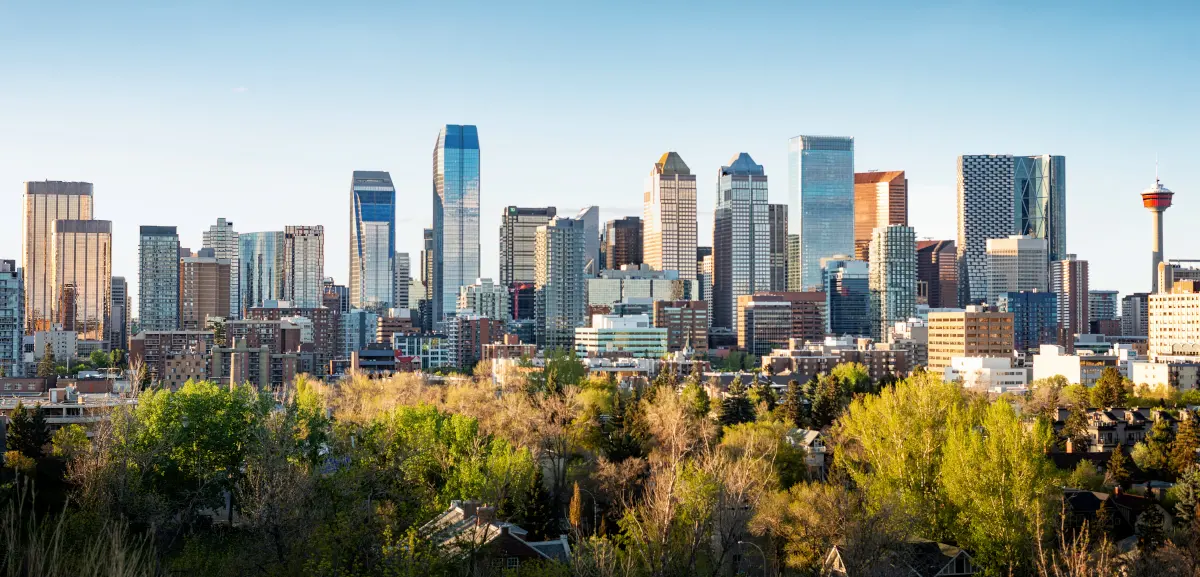
Calgary serves as the corporate headquarters for a significant portion of Canada’s oil and gas sector. The city’s skyline is dominated by towering office buildings that house major energy firms, making it the primary financial engine of Western Canada. While the industry has faced volatility due to global commodity prices, the city has actively diversified its economy into technology, film production, and financial services to build long-term resilience.
The downtown core is connected by the Plus 15 (+15) network, an extensive series of indoor pedestrian bridges 15 feet above street level. This infrastructure allows workers and residents to navigate the city center without stepping outside during the harsh winter months. Common mistakes visitors make when navigating the city include:
- Assuming the +15 system is a direct path to every street-level destination.
- Underestimating the temperature drop during winter, which can reach -30 degrees Celsius.
- Overlooking the vibrant culinary scene in neighborhoods like Inglewood and Kensington, which offer alternatives to downtown chains.
How do you get to the Rocky Mountains from Calgary?
Calgary is the primary gateway to the Canadian Rockies, located just 80 kilometers east of Banff National Park. This proximity makes the city an ideal base for outdoor enthusiasts looking to access world-class skiing, hiking, and mountaineering. Most travelers reach the mountains by driving west on the Trans-Canada Highway (Highway 1), a route that offers increasingly dramatic views of the foothills and mountain peaks.
For those planning a trip into the mountains, consider these logistical points:
- Renting a vehicle is the most flexible way to explore, as public transit options to remote trailheads are limited.
- Purchase a Parks Canada Discovery Pass before leaving the city to avoid long queues at the park entrance gates.
- Always check the weather forecast, as conditions in the mountains can change rapidly regardless of the season.
- Pack layers, as temperatures at higher elevations are significantly cooler than those in Calgary.
What is the best way to explore Calgary’s culture?
Beyond the rodeo, Calgary offers a sophisticated arts and culture scene centered around the Glenbow Museum and the National Music Centre. The National Music Centre, housed in the architecturally striking Studio Bell, preserves Canada’s musical history and features interactive exhibits for all ages. Meanwhile, the city’s historic districts, such as Inglewood, provide a glimpse into the past with preserved architecture, independent boutiques, and local art galleries.
To maximize your cultural exploration, follow these steps:
- Start your morning at the Central Library, an award-winning architectural landmark in the East Village.
- Walk across the iconic Peace Bridge, a red, helical structure designed by Santiago Calatrava.
- Visit the Esker Foundation to view contemporary art exhibitions that are free to the public.
- End your day at a local brewery in the Barley Belt, a collection of craft breweries that has become a staple of the city's modern social life.
Common mistakes when visiting Calgary for the first time
The most frequent error travelers make is failing to account for the city’s sheer size and its dependence on vehicular travel. Calgary is geographically sprawling, and while the downtown core is walkable, reaching suburban attractions or regional parks requires a car or a well-planned transit route. Additionally, many visitors arrive unprepared for the "Chinook" wind, a weather phenomenon that can cause temperatures to rise by 20 degrees in a single day, leading to sudden snowmelt and potential headaches for those dressed only for extreme cold.
Another common oversight is neglecting to book reservations for popular dining spots or major tourist attractions. During the summer months, the city is bustling with activity, and popular venues often reach capacity. By researching your itinerary in advance and remaining flexible with your transportation plans, you will find that Calgary offers a high quality of life and a welcoming atmosphere that balances its industrial roots with a modern, cosmopolitan outlook on the future.
Key facts
- The Calgary Stampede, held every July, is an annual 10-day rodeo and festival known as "The Greatest Outdoor Show on Earth."
- Calgary is the corporate headquarters for the majority of Canada’s oil and gas companies, driving the nation’s energy sector.
- The city features the Plus 15 (+15) network, an 18-kilometer system of elevated, enclosed pedestrian walkways connecting downtown buildings.
- Calgary Tower offers a 360-degree view of the city and the nearby Rocky Mountains from its observation deck at a height of 191 meters.
- The city hosted the 1988 Winter Olympics, leaving behind world-class facilities like Canada Olympic Park that remain in active use.
- When visiting, avoid underestimating the weather; Calgary is known for rapid temperature swings caused by warm Chinook winds.
The bottom line
Calgary is a vibrant urban center defined by its deep ties to the energy industry, its western heritage, and its proximity to the Canadian Rockies. Whether you are visiting for the world-famous Stampede, exploring the extensive downtown skywalks, or using the city as a gateway to mountain adventures, Calgary offers a unique blend of corporate sophistication and rugged, outdoor-focused culture for every type of traveler.
People also ask
What is the best time of year to visit Calgary?
July is the most popular time due to the Calgary Stampede and warm weather. If you prefer winter sports, visit between January and March to experience the Olympic-grade ski and bobsleigh facilities.
Is Calgary a walkable city?
The downtown core is highly walkable thanks to the +15 skywalk system, which keeps pedestrians warm during winter. However, the city is geographically sprawling, so you will likely need a car or light rail transit to reach suburban attractions.
How far is Calgary from Banff National Park?
Calgary is approximately 130 kilometers east of Banff. The drive typically takes about 90 minutes via the Trans-Canada Highway, making it a convenient base for mountain excursions.
What is the significance of the Chinook wind?
A Chinook is a warm, dry wind that descends from the Rocky Mountains, often raising temperatures by 10 to 20 degrees Celsius in a few hours. Residents should dress in layers to adapt to these sudden shifts.
What kind of food is Calgary famous for?
The city is renowned for its high-quality Alberta beef. You will find world-class steakhouses throughout the downtown area and the Beltline district.
Is public transportation reliable in Calgary?
Calgary Transit operates a comprehensive bus network and the CTrain, a light rail system that is free to ride within the downtown core. It is an efficient way to navigate the city center and major entertainment hubs.
This answer was created with the help of AI research tools and reference sources. Spotted an error? Let us know — we correct mistakes quickly. See our editorial policy.