Who invented the telephone?
Short answer
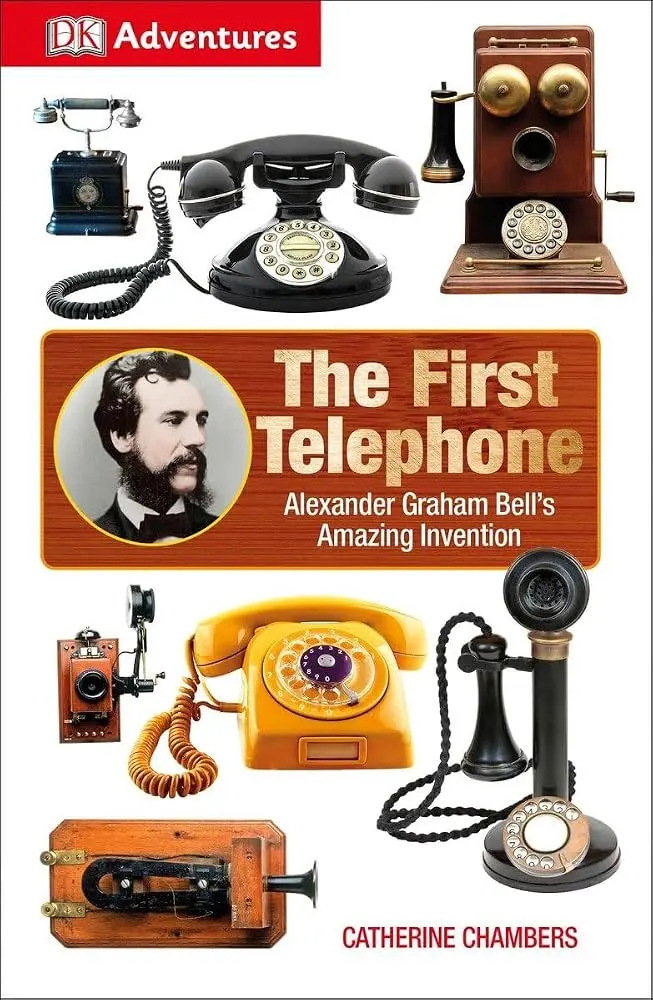
Alexander Graham Bell is officially credited with inventing the telephone, receiving the first U.S. patent for the device in 1876. While other inventors like Elisha Gray and Antonio Meucci developed similar technologies around the same time, Bell’s successful demonstration and patent filing secured his place in history as the primary inventor.
On this page
Who actually invented the telephone?
The question of who invented the telephone is complex because multiple inventors were working on acoustic telegraphy simultaneously. Alexander Graham Bell is the most famous name associated with the invention, but Italian inventor Antonio Meucci is often cited for developing a voice-communication device as early as 1854. Meucci struggled to fund a permanent patent, which allowed Bell to secure the legal rights decades later.
Elisha Gray also played a pivotal role in this historical debate. On February 14, 1876, Gray filed a patent caveat for a telephone design on the exact same day that Bell’s lawyer filed his application. The U.S. Patent Office ultimately awarded the patent to Bell. This coincidence led to years of litigation and controversy regarding the true origins of the technology.
- Antonio Meucci: Developed the "teletrofono" in the 1850s.
- Elisha Gray: Filed a patent caveat on the same day as Bell.
- Alexander Graham Bell: Granted the first official U.S. patent in 1876.
- Johann Philipp Reis: Created an early "Reis telephone" in 1861.
How did the first telephone work?
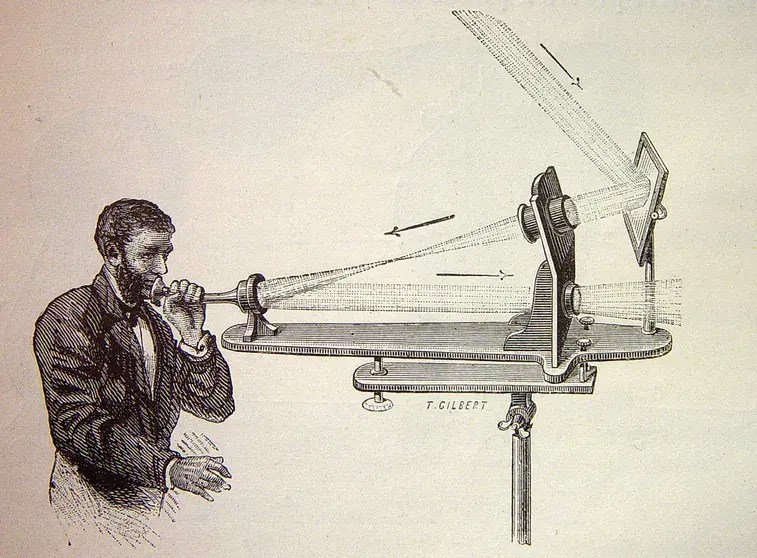
Bell’s initial design functioned by converting sound waves into electrical impulses. When a person spoke into the mouthpiece, the vibrations moved a diaphragm, which in turn moved a needle in a liquid conductor. This changed the electrical resistance in the circuit, sending a varying current to the receiver.
The receiver then reversed this process to recreate the sound. A metal diaphragm in the receiver vibrated in response to the electrical pulses, producing audible sound waves that the listener could hear. This basic principle of electromagnetic induction remains the foundation for how analog sound transmission worked for over a century.
- Sound waves strike a diaphragm.
- The diaphragm moves a needle in conductive liquid.
- Electrical resistance fluctuates in the circuit.
- The receiver converts these fluctuations back into sound.
Why was the patent process so controversial?
The patent process became a legal battleground due to the intense competition between inventors and their financial backers. Bell’s patent, number 174,465, is often called the most valuable patent ever issued. Because the technology promised to revolutionize communication, the stakes for the inventors and the emerging telephone companies were incredibly high.
Many historians argue that the U.S. Patent Office may have shown bias toward Bell. Some evidence suggests that Bell’s lawyer had access to Gray’s patent caveat before the office officially processed it. This led to decades of lawsuits, with the Bell Telephone Company defending its monopoly against numerous challengers who claimed they had invented the device first.
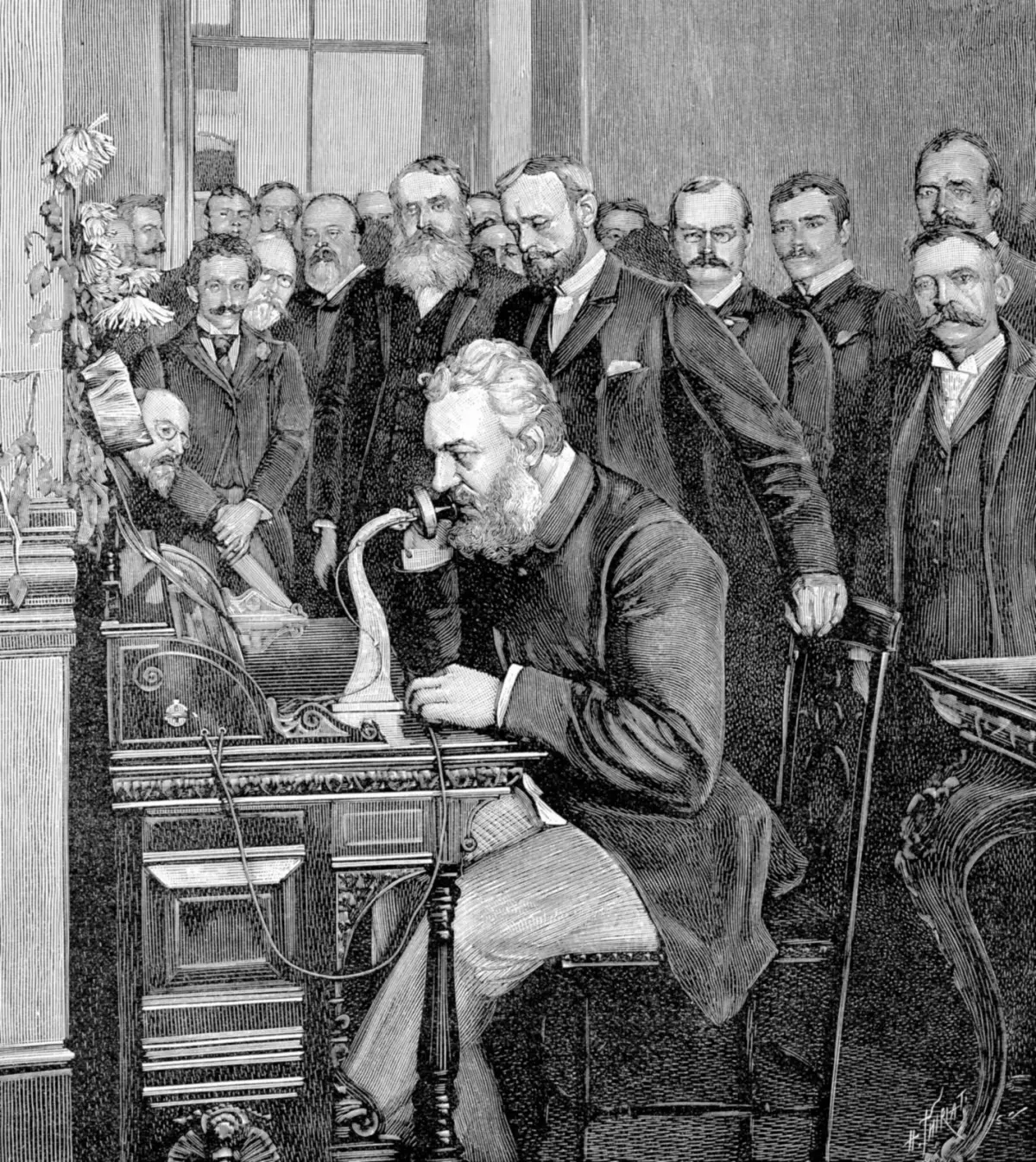
Common mistakes when researching telephone history
A frequent error is assuming that a single person had a "eureka" moment that created the telephone in isolation. In reality, the telephone was the culmination of decades of research into telegraphy and acoustics. Many inventors were building upon the work of predecessors like Samuel Morse and Charles Wheatstone, who had already mastered the transmission of electrical signals.
Another mistake is ignoring the role of the "liquid transmitter." While Bell’s famous first words—"Mr. Watson, come here, I want to see you"—were spoken through a liquid transmitter, he later abandoned this design for a more reliable electromagnetic model. Understanding that the technology evolved through trial and error helps clarify why so many different inventors claimed credit for the invention at the same time.
How to distinguish between different telephone designs
To understand the differences between these early inventions, one must look at the specific mechanism used for sound transmission. Some inventors focused on "make-and-break" circuits, which were better suited for telegraphy but poor at transmitting the nuances of the human voice. Bell’s success came from his ability to create a "continuous current" that could carry the complex wave patterns of speech.
When evaluating these historical claims, look for evidence of successful long-distance transmission. While many inventors created prototypes that could buzz or click, only a few could reliably transmit intelligible speech. Bell’s public demonstrations at the 1876 Centennial Exhibition in Philadelphia were the turning point that convinced the public and investors that the telephone was a practical, viable tool for the future of global communication.
Key facts
- Alexander Graham Bell was awarded the first U.S. patent for the telephone on March 7, 1876.
- Antonio Meucci, an Italian immigrant, developed a voice-communication device as early as 1854 but could not afford the patent fees.
- Elisha Gray filed a patent caveat for a telephone design on the same day as Bell, leading to a long-standing legal controversy.
- The U.S. House of Representatives passed a resolution in 2002 recognizing Meucci’s contributions to the invention of the telephone.
- To understand early telephony, study the "liquid transmitter" design, which used a needle in acid to convert sound waves into electrical signals.
- When researching this topic, avoid the common mistake of assuming a single "eureka" moment, as the invention resulted from decades of incremental telegraphy improvements.
The bottom line
The invention of the telephone was a collaborative and contentious process rather than the work of one person. While Alexander Graham Bell holds the official patent that launched the industry, pioneers like Antonio Meucci and Elisha Gray provided essential foundations. Ultimately, the telephone emerged from the broader pursuit of telegraphic innovation, reflecting a transition from simple signal transmission to the complex reproduction of human speech.
People also ask
Did Alexander Graham Bell steal his idea from Elisha Gray?
While Gray and Bell filed documents on the same day, historical evidence suggests Bell’s work was independent. Bell’s lawyers were at the patent office earlier, which gave his application priority during the subsequent legal battles.
What role did the telegraph play in the invention of the telephone?
The telephone evolved directly from "harmonic telegraphy," which aimed to send multiple messages over a single wire simultaneously. Inventors realized that if they could transmit musical tones, they could eventually transmit the complex vibrations of human speech.
Why is Antonio Meucci often called the true inventor?
Meucci developed a "telettrofono" to connect his office to his bedroom in the 1850s. Although he lacked the funds to maintain his patent, his early work demonstrated the fundamental principles of electromagnetic voice transmission long before 1876.
Was the telephone immediately successful after the 1876 patent?
No, the initial reception was skeptical, and the device was considered a novelty. It took several years of demonstrations and the formation of the Bell Telephone Company to convince businesses of its practical value.
How did the first telephones actually work?
Early telephones utilized a diaphragm that vibrated in response to sound waves, which moved a wire in a liquid electrolyte. This movement varied the electrical resistance in the circuit, allowing a receiver at the other end to replicate the original sound.
Are there other inventors who contributed to the telephone?
Yes, figures like Johann Philipp Reis and Thomas Edison made significant improvements. Reis created a "Reis telephone" in 1861, and Edison later invented the carbon microphone, which greatly improved the clarity and distance of telephone calls.
This answer was created with the help of AI research tools and reference sources. Spotted an error? Let us know — we correct mistakes quickly. See our editorial policy.