Who invented the airbag?
Short answer
The airbag was not invented by a single person but emerged from parallel developments by American inventors John W. Hetrick and Allen Breed. Hetrick received the first patent for an automobile safety cushion in 1953, while Breed later revolutionized the industry in 1968 by inventing the critical crash-sensing mechanism required for rapid deployment.
On this page
Who invented the airbag?
The development of the airbag was a multi-decade process involving several engineers working independently. John W. Hetrick, a retired industrial engineer, filed the first patent for a "safety cushion assembly" in 1951, which was granted in 1953. His design was inspired by a near-accident he experienced while driving his Chrysler Windsor, leading him to conceptualize a system that would inflate upon impact to protect passengers.
However, Hetrick’s early design faced significant technical challenges, particularly regarding the speed and reliability of the inflation mechanism. It was not until the late 1960s that Allen Breed, an entrepreneur and engineer, developed the electromechanical sensor that made modern airbags viable. Breed’s invention provided the necessary trigger to detect a collision and deploy the cushion in milliseconds, effectively bridging the gap between a conceptual safety feature and a functional automotive component.
How does an airbag work?
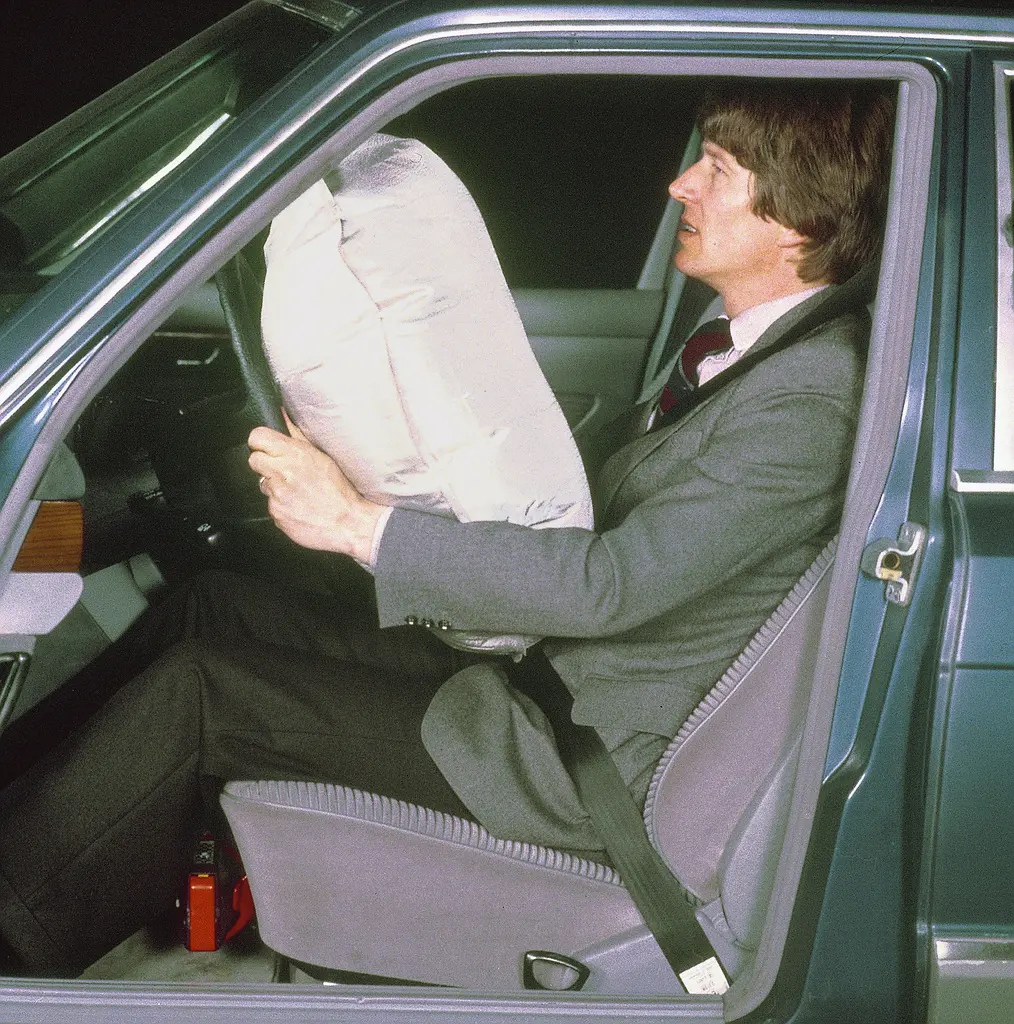
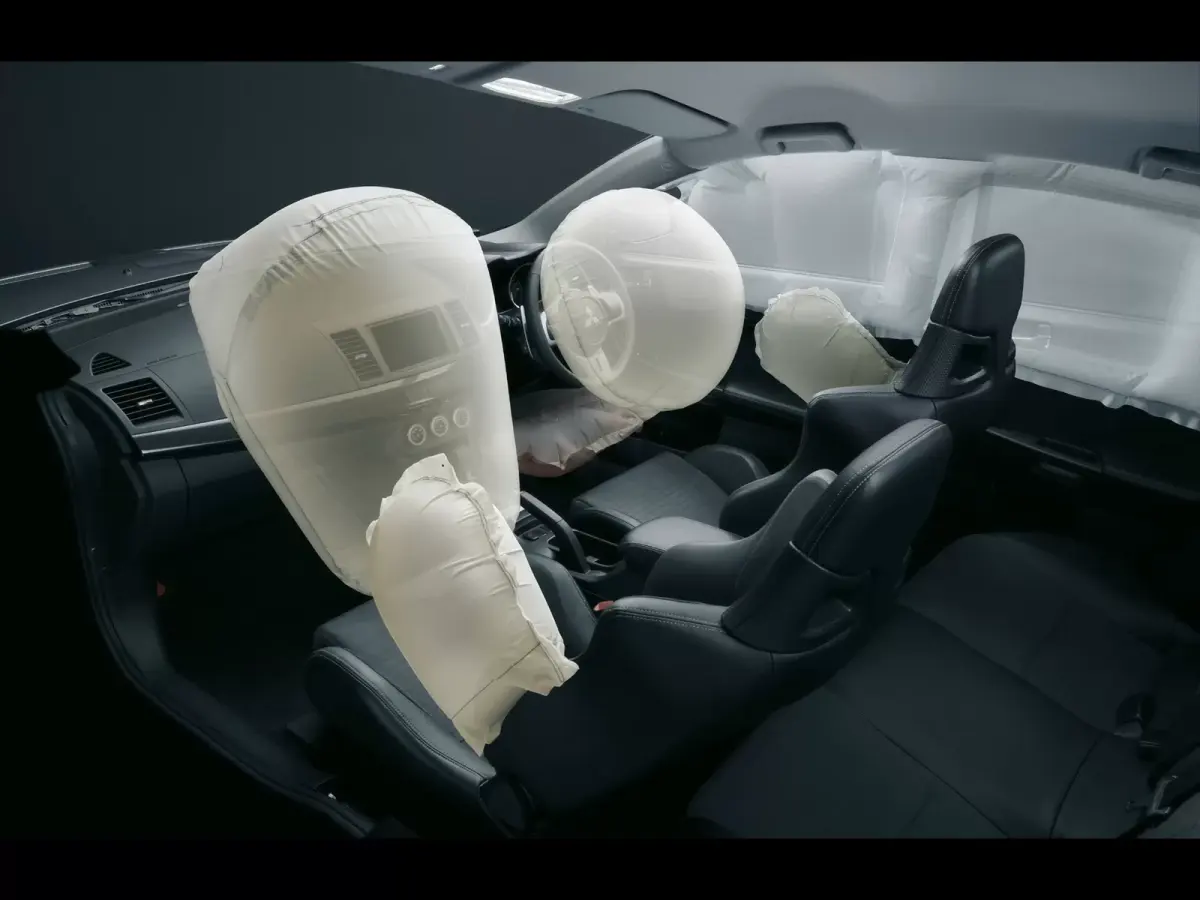
An airbag system relies on a sophisticated sequence of events that occurs in roughly 30 to 50 milliseconds. When a vehicle hits an object, crash sensors detect the sudden deceleration and send an electrical signal to the inflator unit. This signal ignites a chemical propellant, usually sodium azide or a similar compound, which rapidly produces nitrogen gas to fill the fabric bag.
The process is highly calibrated to ensure the bag is fully inflated before the occupant’s body makes contact. Once the occupant strikes the bag, the gas escapes through small vents, allowing the cushion to deflate and absorb the kinetic energy of the impact. This controlled deflation is essential, as it prevents the passenger from bouncing off the bag with excessive force.
- Sensors detect a collision force exceeding a specific threshold.
- The control unit confirms the impact and triggers the igniter.
- Chemical pellets undergo a rapid combustion reaction.
- Nitrogen gas expands the nylon bag through the steering wheel or dashboard.
- The bag vents gas to cushion the impact and prevent injury.
Why are airbags important for safety?
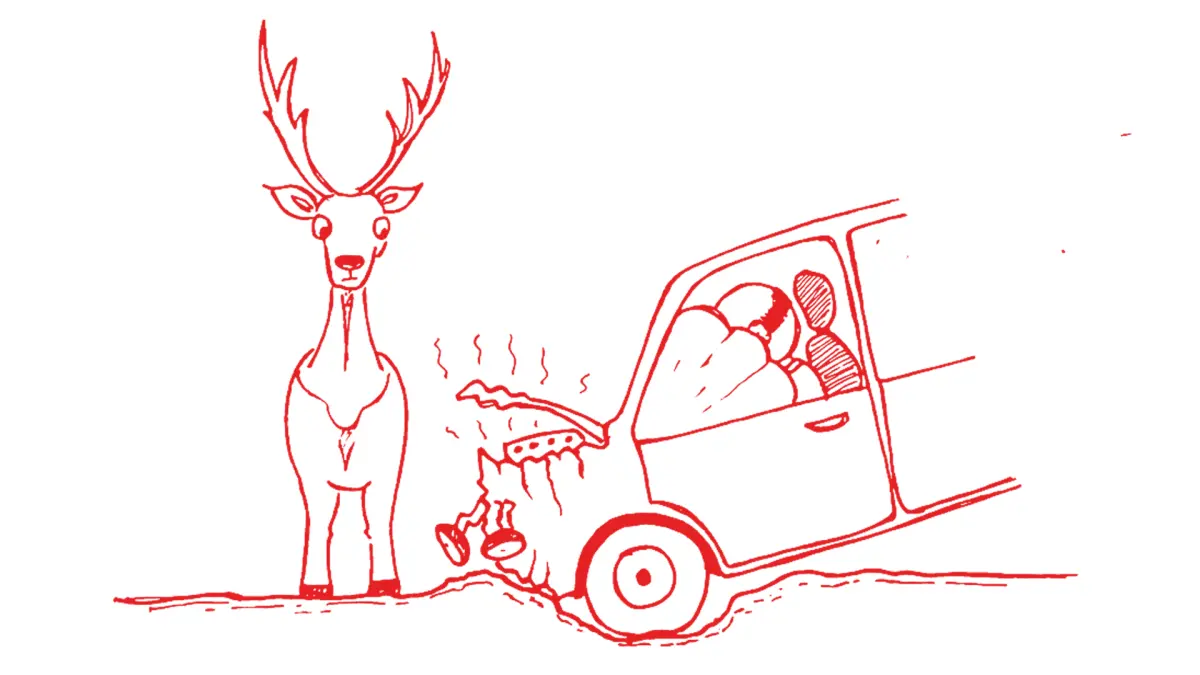
Airbags serve as a vital secondary restraint system, working in conjunction with seat belts to reduce the risk of fatal injuries in frontal and side-impact collisions. While seat belts prevent passengers from being ejected or hitting the windshield, airbags provide a soft landing surface for the head, neck, and chest. This combination significantly lowers the probability of severe trauma during high-speed accidents.
The effectiveness of airbags is most pronounced in crashes where the vehicle’s structure is compromised. By distributing the force of an impact over a larger surface area, the airbag prevents concentrated pressure on fragile parts of the body. Data from the National Highway Traffic Safety Administration indicates that the presence of frontal airbags reduces driver fatalities by nearly 30 percent in head-on collisions.
- Reduced risk of skull fractures and facial lacerations.
- Prevention of secondary impacts against the vehicle interior.
- Protection for occupants of varying sizes and seating positions.
- Mitigation of whiplash forces during rapid deceleration.
Common mistakes when using airbags
One of the most dangerous mistakes drivers make is sitting too close to the steering wheel or dashboard. Because an airbag deploys with significant force and speed, being positioned within the initial inflation zone can lead to severe injuries, including broken bones or internal trauma. Experts recommend maintaining a distance of at least 10 inches between the center of the steering wheel and the driver’s breastbone.
Another common error is failing to ensure that children are properly restrained in the back seat. Airbags are designed for adults, and the force of a deploying bag can be fatal to small children or infants in rear-facing seats. Additionally, placing objects on the dashboard or near the steering wheel cover is hazardous, as these items can become projectiles if the airbag deploys during an accident.
- Sitting closer than 10 inches to the steering wheel.
- Placing rear-facing child seats in the front passenger position.
- Allowing passengers to rest their feet on the dashboard.
- Ignoring the airbag warning light on the vehicle dashboard.
- Wearing bulky clothing that interferes with seat belt and airbag positioning.
How to maintain an airbag system
Modern airbag systems are designed to be maintenance-free for the life of the vehicle, but they are not immune to wear. The most important indicator of a system issue is the airbag warning light on the instrument cluster. If this light remains illuminated after the engine starts, it indicates a fault in the sensor, wiring, or the module itself, and the vehicle should be inspected by a professional immediately.
Owners should also be cautious when purchasing used vehicles or after a collision. If a car has been involved in an accident where the airbags deployed, the entire system must be replaced with original equipment manufacturer parts. Avoid "salvage" or used airbags, as these may be damaged, improperly stored, or incompatible with the vehicle's specific crash-sensing software. Always consult the owner's manual for the specific service intervals and safety protocols recommended by the manufacturer to ensure the system remains fully functional.
Key facts
- John W. Hetrick received the first patent for an automobile airbag system in 1953.
- Early airbag designs relied on compressed air, which proved too slow to inflate during a crash.
- Allen Breed invented the critical crash sensor in 1968, which allowed for rapid inflation using chemical propellants.
- Mercedes-Benz introduced the first commercially successful airbag system in the S-Class model in 1981.
- Modern airbags deploy in approximately 20 to 30 milliseconds, faster than the blink of an eye.
- Always sit at least 10 inches away from the steering wheel to avoid injury from the force of deployment.
The bottom line
The invention of the airbag was a collaborative evolution involving multiple engineers rather than a single creator. John Hetrick provided the initial concept, while Allen Breed’s sensor technology made the system practical for real-world safety. Today, these systems are essential life-saving devices. To remain safe, always wear your seat belt and maintain proper distance from the steering wheel to ensure the airbag functions as intended during emergencies.
People also ask
Do airbags replace the need for seat belts?
No, airbags are designed to work as a supplemental restraint system alongside seat belts. Seat belts keep you in the correct position, while airbags provide a cushion to prevent impact with the vehicle interior.
Can an airbag kill you?
Airbags can cause injuries, especially if a passenger is sitting too close or is a small child. This is why children under 12 should always ride in the back seat away from active frontal airbags.
How do airbags know when to inflate?
Sensors detect rapid deceleration during a collision and send an electrical signal to an igniter. This igniter triggers a chemical reaction that produces nitrogen gas, which fills the nylon bag almost instantly.
Are airbags reusable after they deploy?
No, airbags are single-use devices that must be replaced by a professional mechanic after a deployment. The entire module, including the sensor and inflator, is typically discarded and replaced with new equipment.
Why do airbags sometimes have a white powder on them?
The powder is usually cornstarch or talcum powder used to lubricate the bag so it unfolds smoothly. It is harmless, though it may cause minor respiratory irritation for people with asthma.
Do all cars have side-impact airbags?
While most modern vehicles include them, older models may only have frontal airbags. Check your vehicle owner's manual or look for "SRS" or "Airbag" labels on the seats or pillars to confirm your coverage.
This answer was created with the help of AI research tools and reference sources. Spotted an error? Let us know — we correct mistakes quickly. See our editorial policy.