Who invented the highlighter?
Short answer
The highlighter was invented by Francis Honn in 1962. Working for the Carter’s Ink Company, Honn developed a felt-tip marker that utilized transparent fluorescent ink. This innovation allowed users to emphasize text without obscuring the underlying words, revolutionizing how students and professionals interact with documents and printed materials ever since.
On this page
Who invented the highlighter?
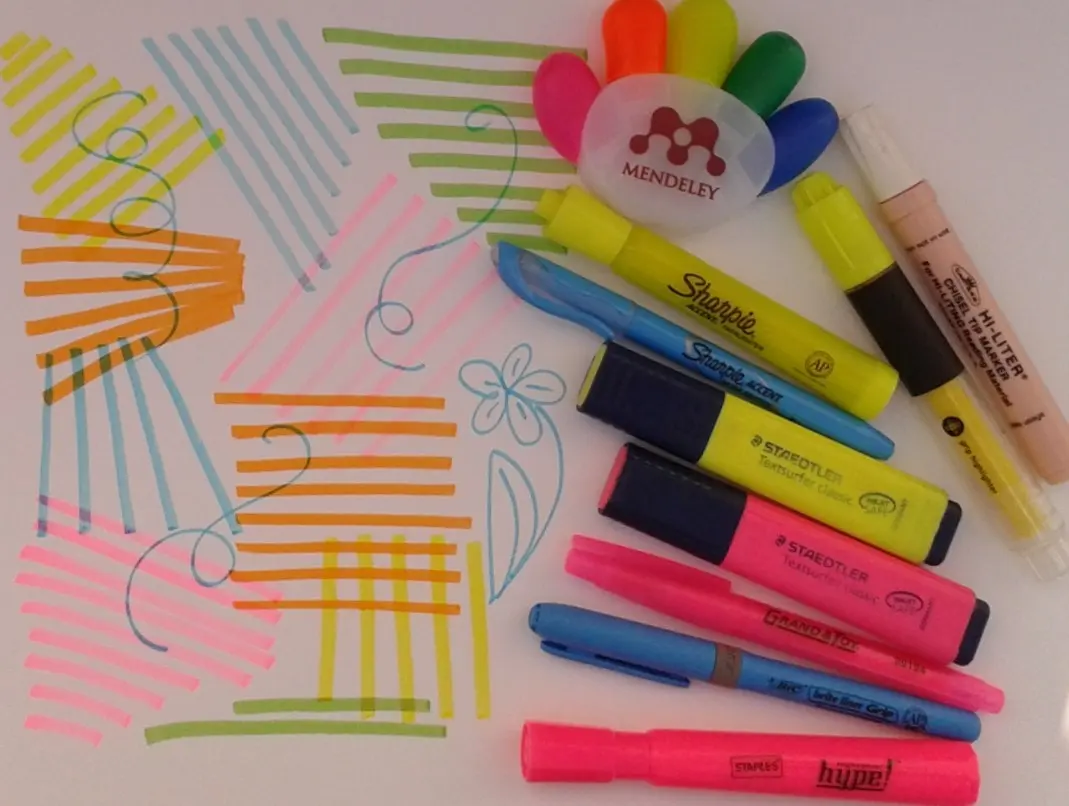
The invention of the highlighter is credited to Francis Honn, a chemist who filed a patent for a "marker device" in 1962. While working at the Carter’s Ink Company, Honn sought to create a tool that could highlight important information on a page without hiding the text beneath it. His design utilized a porous felt tip and a reservoir filled with a specialized, translucent fluorescent ink.
Before this invention, people typically used colored pencils or wax crayons to mark passages, which often smeared or made the text difficult to read. Honn’s invention provided a clean, efficient way to draw attention to specific lines in books and reports. The concept was quickly adopted by the Avery Dennison Corporation, which later acquired Carter’s Ink, leading to the widespread commercial success of the product known today as the Hi-Liter.
How do highlighters work?
Highlighters function through a combination of physical design and chemical properties. The tip is made of a porous material, usually felt or synthetic fiber, which draws ink from an internal reservoir via capillary action. This allows for a consistent flow of ink onto the paper surface as the user moves the marker across the page.
The ink itself contains fluorescent dyes, such as pyranine, which are designed to be transparent. When light hits these dyes, they absorb ultraviolet radiation and re-emit it as visible light, creating the characteristic "glow" associated with highlighters. This chemical process ensures that the ink remains bright enough to stand out while remaining thin enough to allow the printed text underneath to be clearly legible.
How to use a highlighter effectively
Using a highlighter correctly can significantly improve your retention of information and help you organize complex documents. The goal is to isolate key concepts rather than simply coloring the entire page. If you highlight too much, you lose the ability to scan for the most critical points later.
- Read the entire paragraph first to understand the context before applying any ink.
- Identify only the main idea, a specific date, or a crucial definition.
- Apply the highlighter in a single, smooth motion to avoid ink buildup.
- Use different colors to categorize information, such as yellow for definitions and blue for dates.
By following these steps, you create a visual hierarchy that makes reviewing notes much faster. Avoid the common mistake of highlighting full sentences, as this creates a cluttered page that is difficult to process during a quick review.

Common mistakes when highlighting
Many users fall into the trap of over-highlighting, which renders the tool counterproductive. When you highlight almost every sentence on a page, your eyes cannot distinguish the important information from the supporting details. This habit often stems from a lack of confidence in identifying the core message of a text.
Another frequent error is using a highlighter on paper that is too thin, such as newsprint or certain types of Bible paper. The ink can bleed through to the other side, making the reverse page unreadable. To avoid this, always test the highlighter on a small, inconspicuous corner of the page first. If the paper is thin, consider using a dry highlighter or a colored pencil instead of a traditional liquid-based marker to prevent damage.
How to maintain your highlighters
Proper maintenance ensures that your highlighters last as long as possible and continue to provide a smooth, vibrant line. The most important rule is to always replace the cap immediately after use. Because highlighters rely on volatile solvents to keep the ink flowing, leaving the cap off will cause the felt tip to dry out rapidly.
- Store your highlighters horizontally whenever possible to keep the ink evenly distributed.
- If a tip becomes slightly dry, store it cap-down for a few hours to encourage ink flow.
- Keep markers away from direct heat sources or sunlight, which can cause the ink to fade or the plastic casing to warp.
- Replace the marker once the color begins to look faint or the tip starts to fray, as a damaged tip will produce uneven lines.
By following these simple storage habits, you can prevent the ink from settling at one end of the reservoir and extend the functional life of your markers significantly. Proper care ensures that your tools remain reliable for all your academic and professional needs, allowing you to highlight with precision every single time you sit down to study or review important documentation.
Key facts
- The modern highlighter was invented in 1963 by Francis Honn, a chemist working for Carter’s Ink Company.
- Honn developed the product by using a felt-tip marker filled with fluorescent, water-based ink.
- Avery Dennison acquired Carter’s Ink Company in 1975, further popularizing the product globally.
- To prevent ink from drying out, always store your highlighter with the cap snapped firmly in place.
- Highlighters work best on matte paper; avoid using them on glossy surfaces where the ink may smear.
- When highlighting, use a light touch to prevent the felt tip from fraying or depositing excess ink.
The bottom line
The highlighter was a 1963 innovation by Francis Honn, designed to emphasize text through fluorescent ink technology. By understanding how these markers function and practicing proper storage techniques, you can ensure your tools remain effective for years. Whether you are a student organizing notes or a professional reviewing documents, choosing the right color and applying a light touch remains the key to clear, readable results.
People also ask
Why do highlighters appear so bright on paper?
Highlighters contain fluorescent dyes that absorb ultraviolet light and re-emit it as visible light. This process, known as fluorescence, makes the ink appear to glow against the page.
Can highlighters be used on all types of paper?
While highlighters work on most paper, they often bleed through thin pages like those found in Bibles or newspapers. Test your highlighter on an inconspicuous corner before marking important documents.
What should I do if my highlighter dries out?
You can sometimes revive a dried-out highlighter by dipping the felt tip in a small amount of rubbing alcohol or water. However, this is only a temporary fix, and replacing the marker is usually more effective.
Are highlighter inks toxic?
Most modern highlighters are non-toxic and water-based, making them safe for general office and school use. Always check the packaging for safety certifications if you are concerned about specific chemical ingredients.
How do I remove highlighter stains from clothing?
You can often remove highlighter ink by dabbing the stain with a cotton ball soaked in rubbing alcohol. Repeat the process until the ink lifts, then launder the garment as usual.
Why are yellow highlighters the most common?
Yellow ink provides the highest visibility while still allowing the underlying text to remain perfectly legible. Darker colors, such as blue or purple, can make the printed words difficult to read through the ink.
This answer was created with the help of AI research tools and reference sources. Spotted an error? Let us know — we correct mistakes quickly. See our editorial policy.