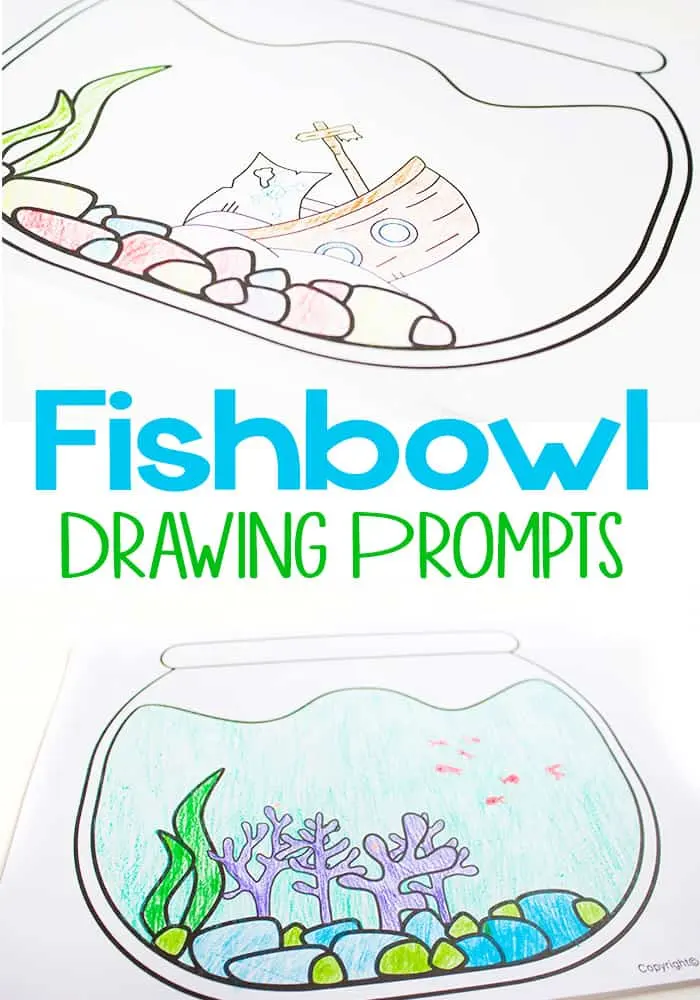
How do you draw transparent objects?
Short answer
Drawing transparent objects requires focusing on the light passing through the form rather than the object itself. You must capture the subtle distortions, reflections, and high-contrast highlights that define glass or water. By mapping these light variations and maintaining sharp edges, you create the illusion of depth and physical transparency.
On this page
How to observe light through glass
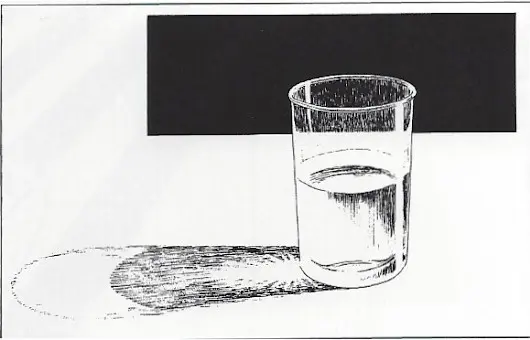
To draw transparency successfully, you must stop seeing an object as a solid shape and start viewing it as a collection of light values. Transparent materials like glass or plastic do not have a color of their own; they merely reflect the environment and transmit light from behind. Begin by squinting at your subject to blur the details, which helps you identify the primary shapes of light and shadow. You will notice that the darkest areas are often where the light is refracted or blocked by the thickness of the glass.
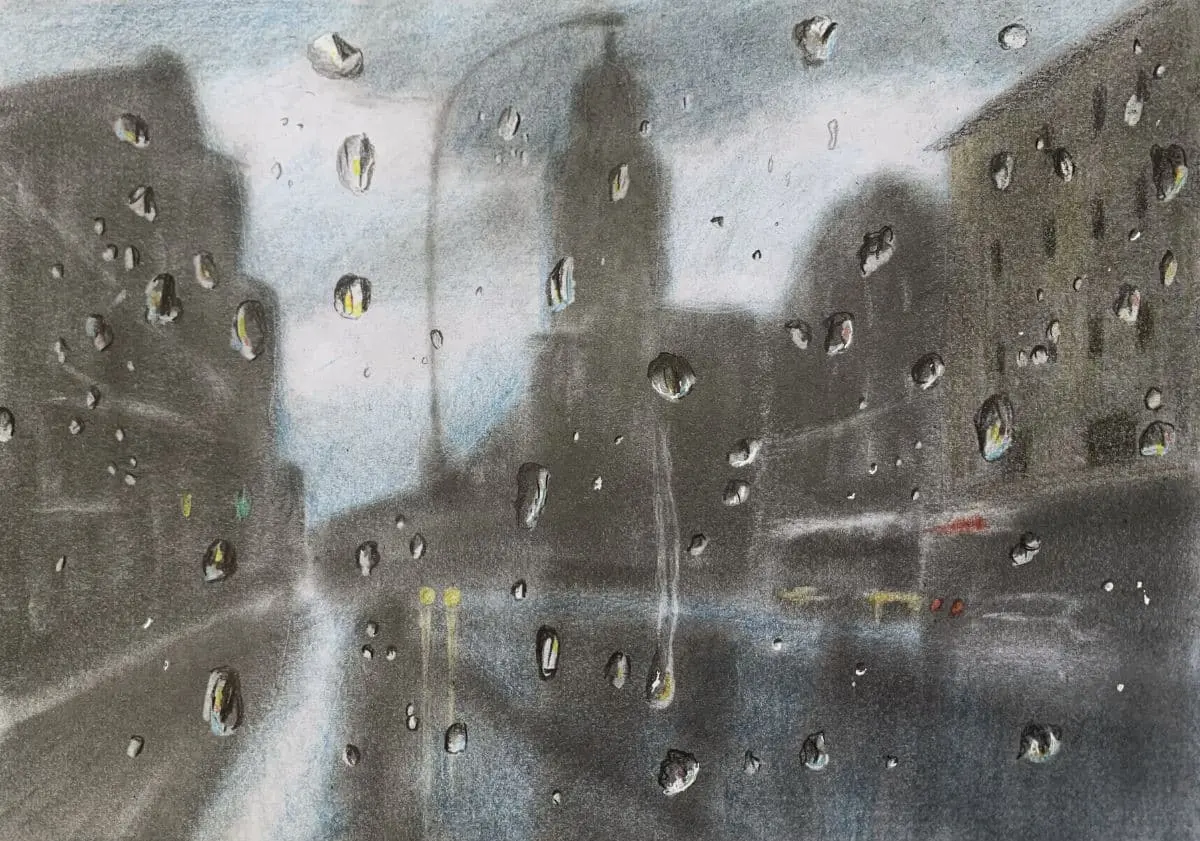
Focus on the "refractive index," which causes light to bend when it enters a denser medium. This creates distorted shapes of objects placed behind or inside the transparent container. When sketching, prioritize these distorted silhouettes over the actual outline of the glass. By accurately mapping how the background warps, you provide the viewer with the essential visual cues needed to perceive the object as clear rather than opaque.
Best techniques for rendering highlights
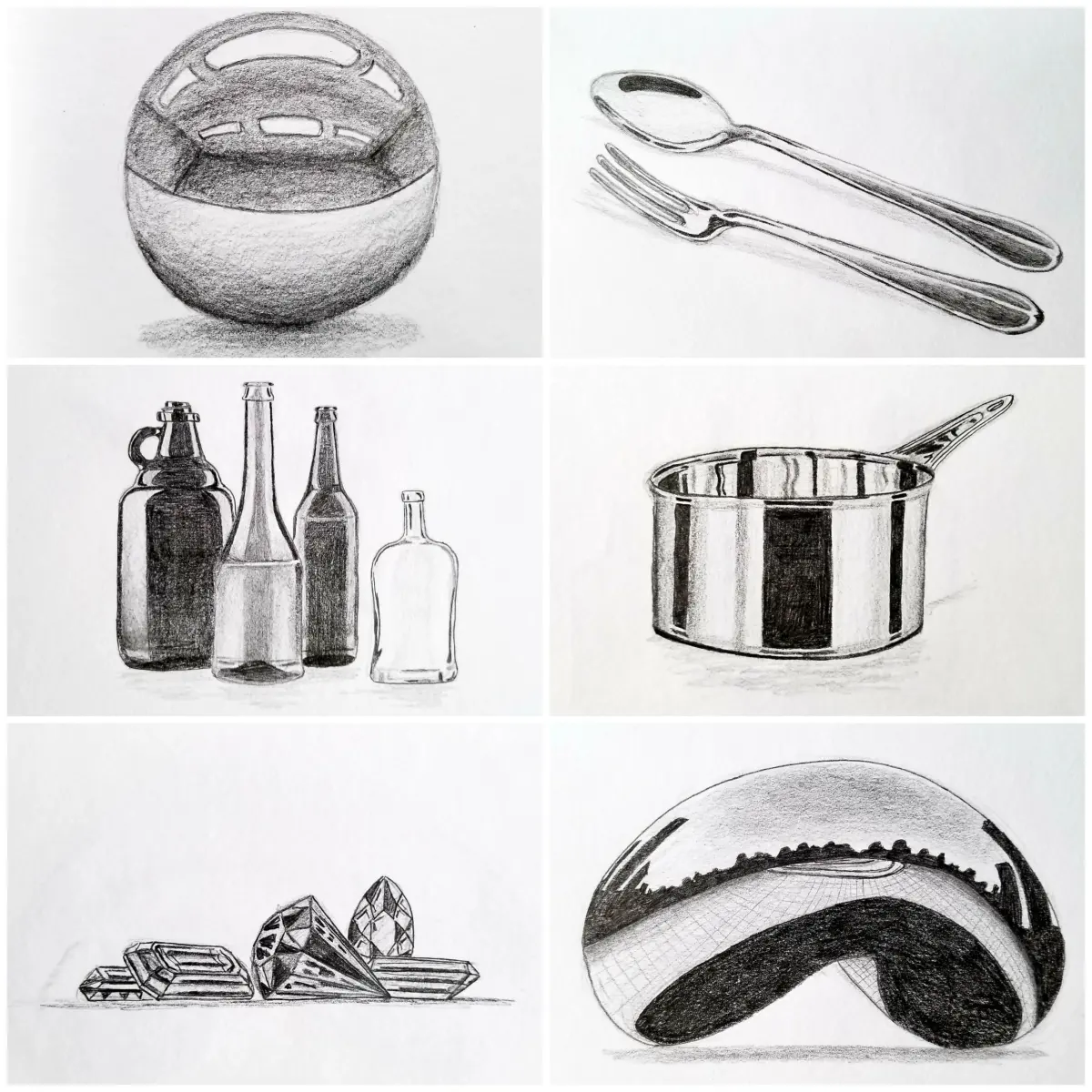
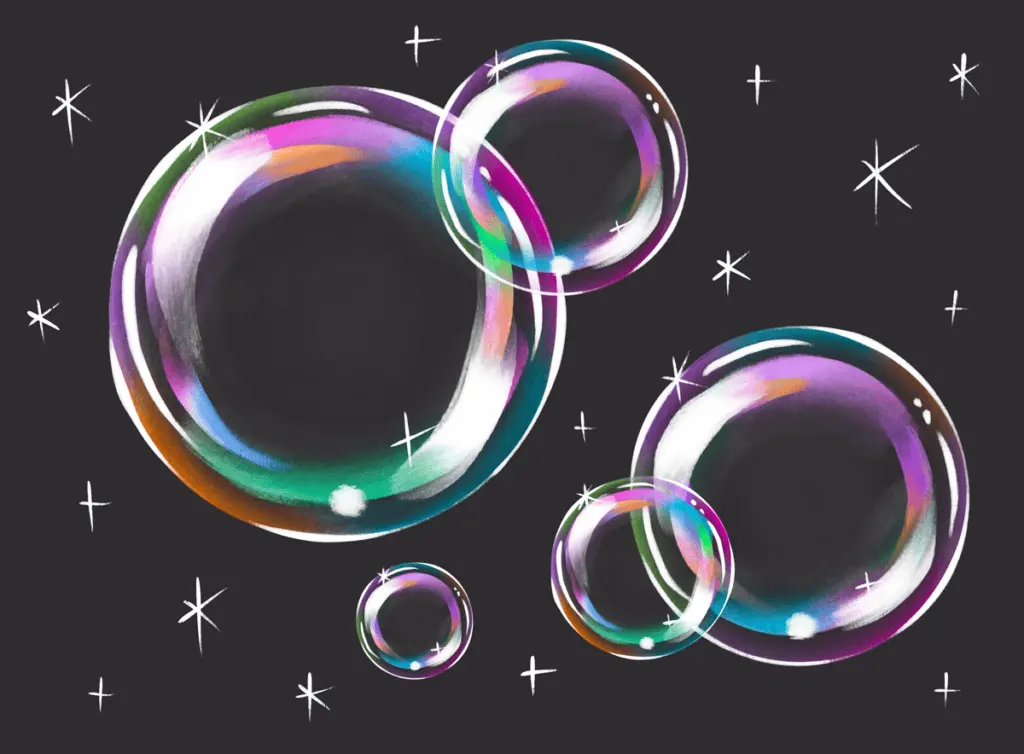
Highlights are the most critical element in convincing the eye that a surface is transparent. Unlike matte objects, glass features extremely sharp, high-contrast highlights that follow the curvature of the form. Use a high-quality kneaded eraser to lift graphite or charcoal from the page to create these bright spots. If you are using colored pencils or paint, apply pure white or the lightest tint available to define the edges where light hits the glass most intensely.
Follow these steps to build your highlights effectively:
- Identify the primary light source and mark the brightest reflection point on the glass.
- Use a sharp, hard-edged tool to define the borders of your highlights, as soft edges make glass look like velvet or plastic.
- Add secondary, softer reflections that occur on the opposite side of the object, which represent light bouncing back from the surface behind the glass.
- Keep these highlights crisp to maintain the appearance of a hard, smooth surface.
Why transparency distortion happens
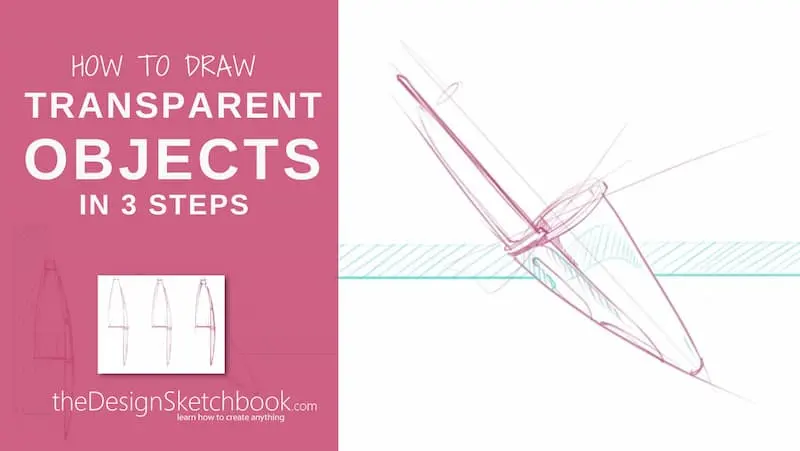
Transparency is defined by the way light interacts with the internal and external surfaces of an object. When light rays pass through glass, they change speed and direction, a phenomenon known as refraction. This is why a straw in a glass of water appears broken or shifted when viewed from the side. You must replicate these shifts in your drawing to maintain realism, as the human brain expects these specific optical inconsistencies when looking at clear materials.
The thickness of the glass also plays a significant role in how light is perceived. Thicker glass, such as the base of a crystal vase, will hold more internal shadow and create more complex light patterns than thin, flat glass. Always observe the "rim" or the lip of the object, as the light often gathers there, creating a distinct line of intensity. By paying attention to these physical properties, you move beyond simple line drawing into the realm of realistic optical representation.
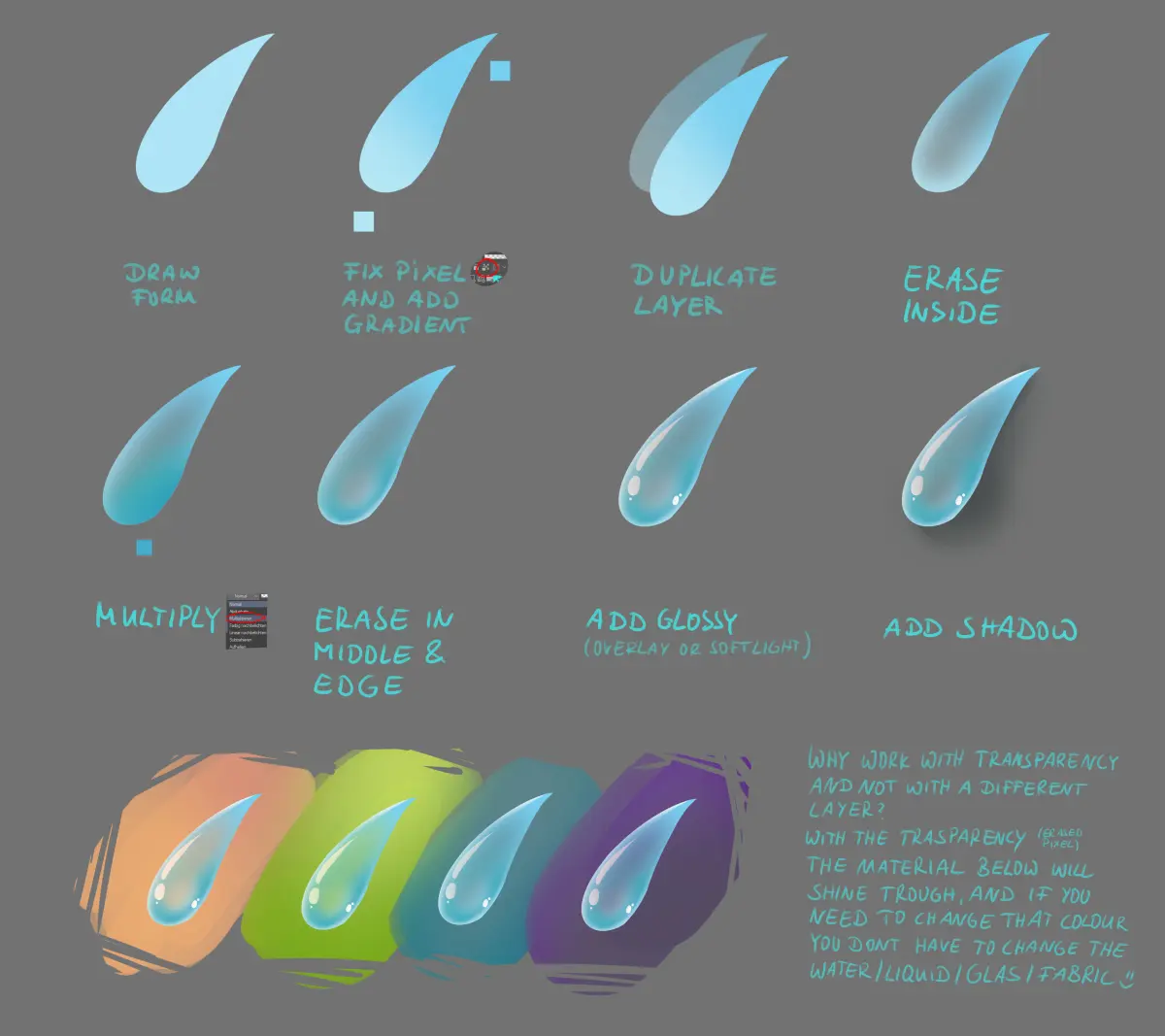
Common mistakes when drawing glass
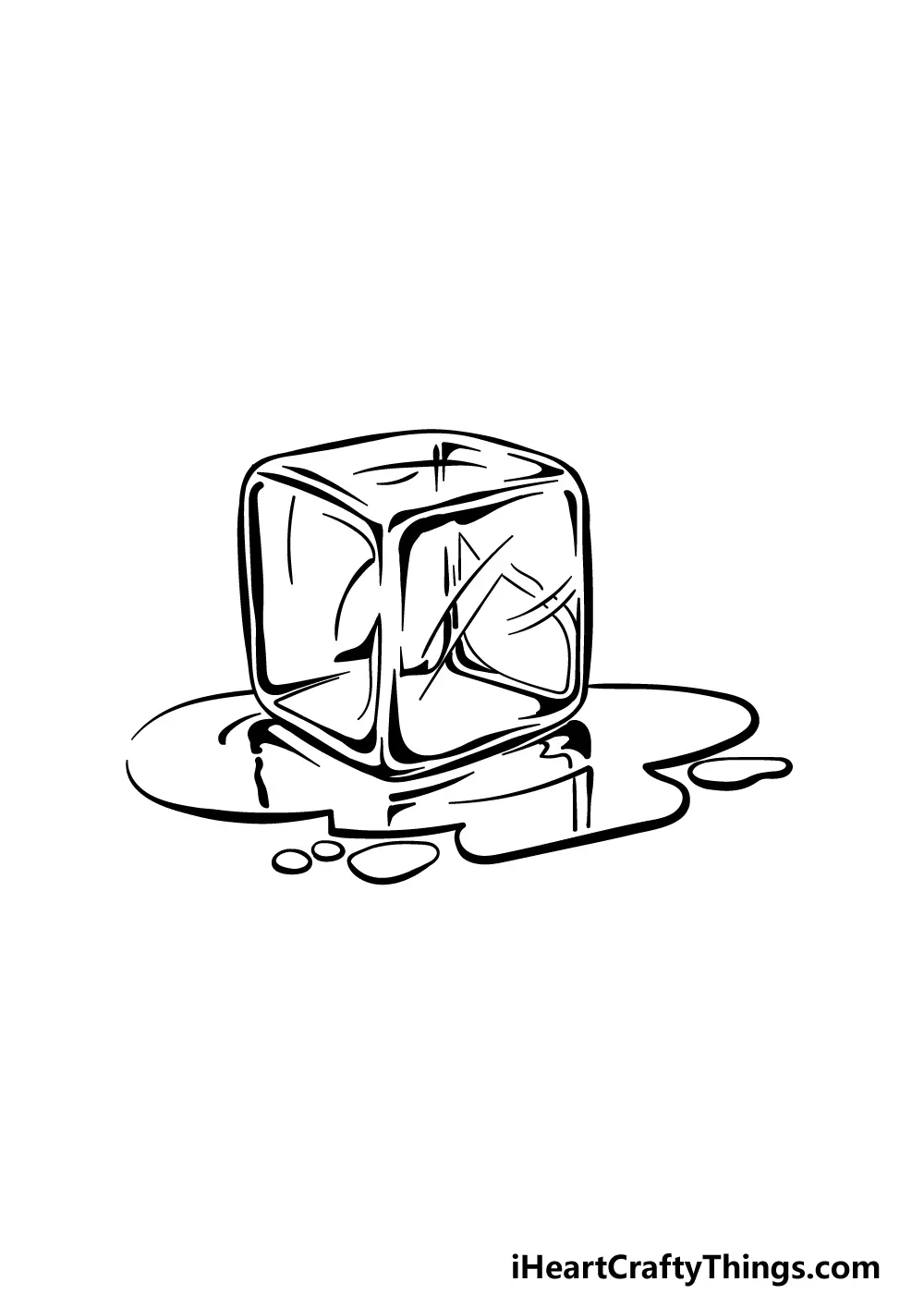
Many beginners make the mistake of drawing the outline of a glass object too heavily. A bold, dark line around the entire perimeter makes the object look like a flat cutout rather than a three-dimensional, transparent form. Instead, use broken lines or vary your line weight to suggest the presence of the glass without boxing it in. Let the background color or texture bleed into the edges of the object to show that light is traveling through it.
Avoid these common pitfalls to improve your results:
- Over-blending your shadows, which makes the glass look muddy or foggy.
- Ignoring the reflection of the table or surface underneath, which is essential for grounding the object.
- Using too many mid-tones, which flattens the image; glass relies on high contrast between deep darks and bright whites.
- Drawing the object as if it were empty; always include the refraction of the background or liquid inside.
How to practice drawing transparent objects
The most effective way to master this skill is to start with simple, clear objects like a wine glass, a marble, or a water-filled jar. These shapes have predictable curves that help you understand how light wraps around a form. Set up your subject under a single, strong light source to create clear, defined shadows and highlights. This simplifies the visual information and allows you to practice your technique without being overwhelmed by complex environmental reflections.
Dedicate time to "value studies" where you ignore color and focus entirely on the range of light. Create a scale of five values, from pure white to deep black, and try to map these onto your subject. By limiting your palette, you force yourself to focus on the structure of the light and the geometry of the reflections. Consistent practice with these simple forms will sharpen your observational skills and prepare you for more complex transparent compositions in the future.
Key facts
- Transparency is defined by the absence of local color; you are drawing the light and reflections behind or through the object.
- Use a high-contrast approach by identifying the "brightest white" highlights and the "darkest darks" to define the object's form.
- Refraction causes objects behind glass to appear distorted or shifted; observe these shapes as abstract patterns rather than recognizable items.
- Keep your edges sharp where the glass is thick and soft where the light bleeds through, as this mimics the physics of light transmission.
- Use a kneaded eraser to lift graphite or charcoal, creating crisp highlights that suggest the surface sheen of glass or plastic.
- Background values are essential; a transparent object will always take on a portion of the color and tone of the environment behind it.
The bottom line
Drawing transparent objects requires a shift in perspective from drawing solid forms to capturing the behavior of light. By focusing on high-contrast highlights, environmental reflections, and the physics of refraction, you can create the illusion of depth and clarity. Remember that transparency is defined by what is seen through the object; keep your edges sharp, your highlights bright, and your mid-tones minimal to achieve success.
People also ask
Should I use a white pencil to draw highlights on transparent objects?
Yes, using a white charcoal or pastel pencil on toned paper is highly effective for capturing the intense "specular" highlights found on glass. These highlights are the most important visual cue for indicating a reflective, transparent surface.
How do I handle the distortion caused by water in a glass?
Treat the distorted shapes as distinct, flat geometric patterns rather than trying to draw the object inside. By focusing on the shape of the light and shadow rather than the object's identity, you will naturally replicate the refraction effect.
Why does my transparent drawing look like a solid object?
You are likely using too much mid-tone shading, which obscures the background. To fix this, increase the contrast between the darkest shadows and the brightest highlights, leaving more of the paper white to represent light passing through.
Do I need to outline the entire object?
Avoid drawing a continuous, heavy outline, as this makes the object look like a solid cutout. Instead, use "broken" lines that suggest the edge only where the light catches the rim or where the background changes.
How do I show the thickness of glass?
Draw a double line at the rim or base to represent the front and back surfaces of the material. Adding a subtle shadow or a thin line of reflected light between these two lines creates the illusion of depth and physical mass.
What is the best medium for beginners learning to draw transparency?
Graphite pencils are excellent for beginners because they allow for precise control over subtle gradients. Start with a 2B pencil for shadows and a 4H for the lighter, more delicate internal reflections.
This answer was created with the help of AI research tools and reference sources. Spotted an error? Let us know — we correct mistakes quickly. See our editorial policy.