How do you draw a troll?
Short answer
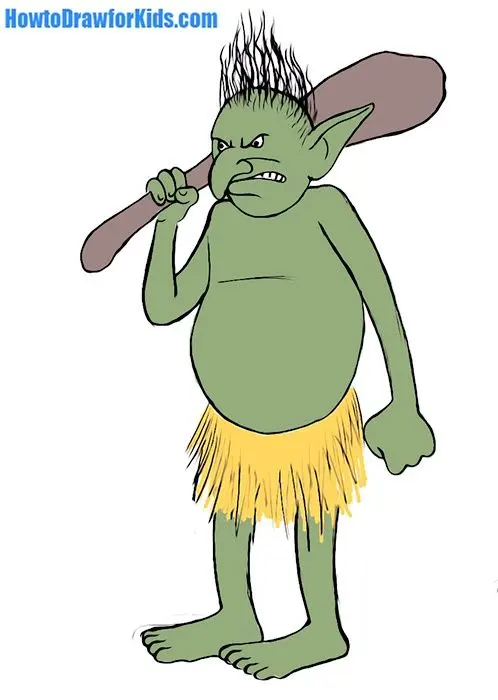
Drawing a troll involves emphasizing exaggerated, grotesque features like a large, bulbous nose, heavy brow, and asymmetrical limbs. Start by sketching a bulky, pear-shaped torso as a foundation. Layer on rough textures like warts, mossy hair, and tattered clothing to build character. Focus on expressive, uneven eyes to capture a mischievous or menacing personality.
On this page
How to structure a troll’s body
Trolls are traditionally depicted as hulking, brutish creatures, so your initial sketch should prioritize mass and weight. Begin by drawing a large, rounded shape for the torso, which should be significantly wider at the bottom to suggest a heavy, grounded stance. Add limbs that are disproportionately thick, often with oversized hands and feet that look like they have been carved from stone or gnarled wood.
When positioning the figure, consider a slumped posture to emphasize the troll's lack of grace. A hunched back or a forward-leaning neck helps convey a predatory or sluggish nature. Keep your lines loose and scratchy during this phase rather than smooth, as this mimics the rugged, unrefined aesthetic typical of folkloric trolls. Use these steps to build your base:
- Sketch a large, irregular oval for the main body mass.
- Add a smaller, slightly flattened circle for the head, positioned forward.
- Draw thick, cylindrical shapes for the arms and legs, ensuring the joints look swollen.
- Connect these shapes with heavy, overlapping lines to suggest thick skin and muscle.
Best facial features for beginners
The face is the most important element for defining a troll's personality. Start by drawing a massive, bulbous nose that dominates the center of the face, as this is a hallmark of the creature. Place the eyes deep within heavy, protruding brow ridges to create a sense of shadow and mystery. You can make the eyes different sizes or place them at slightly uneven angles to enhance the creature's grotesque appearance.
Mouths should be wide and jagged, often filled with crooked, oversized teeth that protrude from the lips. Consider adding small, asymmetrical ears that look like they have been torn or bitten. To give the face more depth, focus on the following details:
- Deep wrinkles around the mouth and eyes to suggest age.
- Sparse, wiry patches of hair sprouting from the chin or ears.
- Warts or small bumps scattered across the skin to create a textured, uneven surface.
- A heavy, jutting jawline that emphasizes a primitive, aggressive look.
Why troll anatomy looks asymmetrical
In folklore, trolls are often described as being part of the landscape, appearing as if they were formed from rock, roots, and mud. This is why their anatomy is rarely symmetrical. One arm might be longer than the other, or one shoulder might be significantly higher, suggesting a life spent crawling through caves or hauling heavy stones. Embracing this lack of symmetry makes your drawing look more organic and believable.
Avoid using perfect circles or straight lines, as these suggest man-made precision. Instead, use jagged, broken lines to define the silhouette. If you are drawing a troll that lives under a bridge, give its skin a cracked, stony texture. If it lives in a forest, incorporate leaf-like shapes or mossy patches into its skin. By making the anatomy look slightly broken or "wrong," you reinforce the idea that the troll is a creature born from the wild, chaotic elements of nature.
Common mistakes when drawing trolls
A frequent error is making the troll look too human or too much like a standard fantasy orc. Orcs are typically lean, muscular, and combat-ready, whereas trolls should feel heavy, sluggish, and somewhat clumsy. Avoid drawing perfectly defined muscles; instead, focus on rolls of fat or thick, leathery skin folds. If the hands are too delicate, the troll loses its sense of brute strength, so always ensure the fingers are thick, blunt, and powerful.
Another common issue is failing to ground the character in its environment. If a troll is floating in space without shadows or interaction with the ground, it loses its weight. Always draw the feet firmly planted, showing them sinking slightly into the dirt or gripping onto rocks. Pay attention to the following to maintain quality:
- Do not use overly clean, thin lines; use bold, dark strokes for the outline.
- Avoid symmetrical facial expressions, as they make the creature look too intelligent.
- Do not forget to add shadows under the chin and brow to create a sense of menace.
How to add texture and detail
Once the basic form is established, you must refine the surface to make the troll feel tactile. Use cross-hatching to create deep shadows in the crevices of the skin, which helps define the volume of the body. For the skin itself, draw small, random circles and dots to represent warts, scars, or lichen. Tattered clothing is another excellent way to add detail; draw fraying edges and patches to suggest that the troll has been wearing the same rags for centuries.
Finally, consider the troll’s accessories to tell a story about its life. A heavy, rusted iron club or a necklace made of scavenged bones can provide context for the creature’s habits. Keep the textures varied, mixing smooth, stony areas with rough, hair-covered patches. By layering these small details, you transform a simple sketch into a complex, living character that feels like a genuine inhabitant of a dark, mythical world.
Key facts
- Trolls are traditionally depicted with exaggerated, oversized facial features like bulbous noses and protruding tusks.
- Use asymmetrical shapes for the body to emphasize the creature's unrefined and rugged nature.
- Incorporate textures like moss, warts, or stone to suggest the troll is part of the natural landscape.
- Keep limbs thick and heavy to convey a sense of immense, lumbering physical strength.
- Focus on a low center of gravity by giving the character short, sturdy legs and a wide stance.
- Avoid perfectly symmetrical features, as slight irregularities make the creature appear more organic and menacing.
The bottom line
Drawing a convincing troll requires balancing exaggerated, heavy proportions with organic, uneven textures. By focusing on a low center of gravity, bulbous facial features, and earth-toned details like warts or moss, you create a creature that feels grounded in folklore. Remember that asymmetry is your best tool for achieving a natural look, so avoid perfect symmetry to ensure your troll appears truly wild and untamed.
People also ask
What is the best way to make a troll look friendly instead of scary?
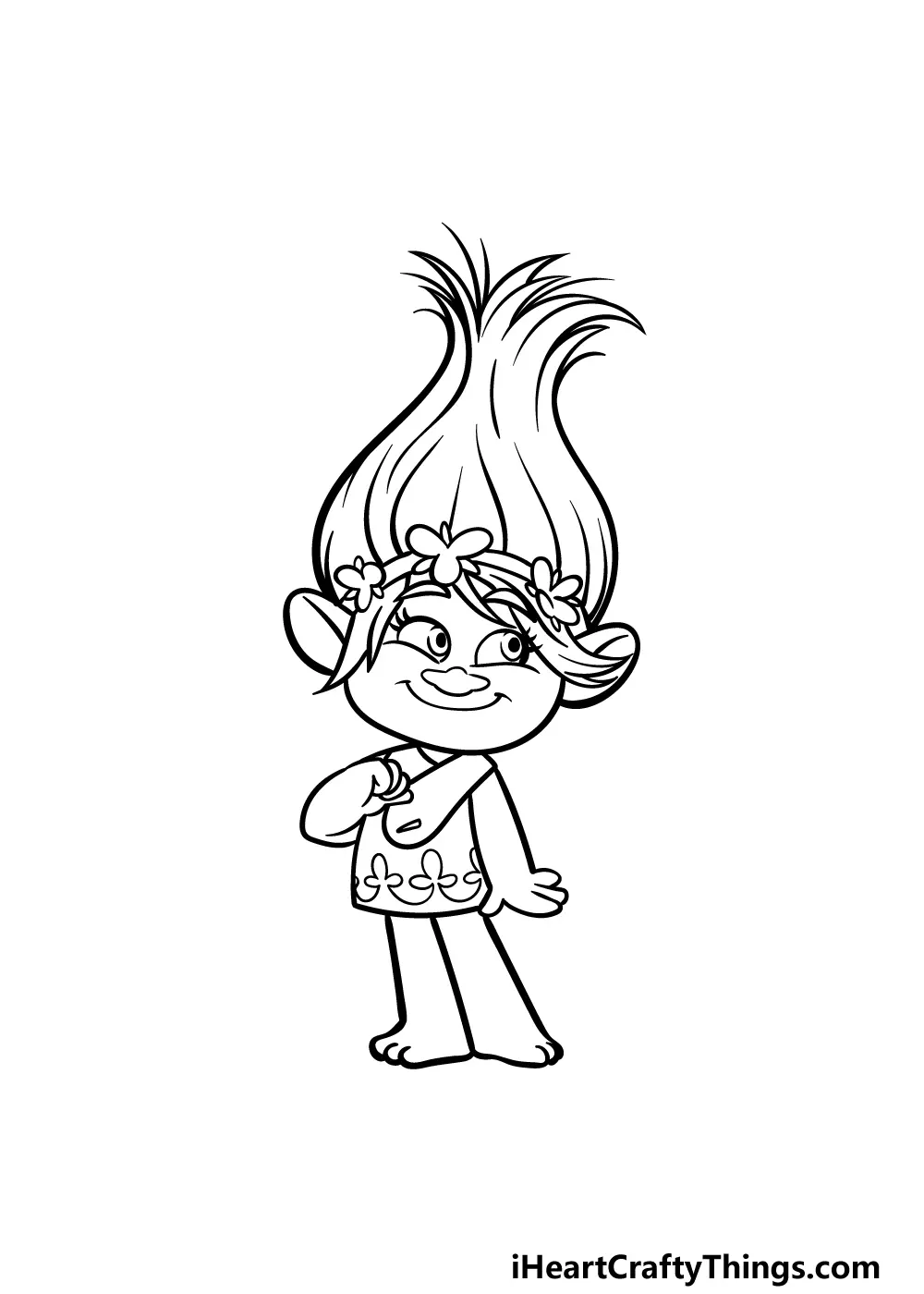
You can soften a troll's appearance by giving it large, expressive eyes and a rounded, non-threatening snout. Adding accessories like a small flower or a simple tunic can also shift the character from a monster to a gentle giant.
Should I use sharp or rounded lines when sketching a troll?
Rounded lines generally work best for the body to convey bulk and weight. However, you should use sharp, jagged lines for details like broken teeth, claws, or torn clothing to add character.
How do I draw troll skin to look realistic?
Use stippling or cross-hatching techniques to create a rough, uneven surface. Incorporating small circles and irregular patches helps simulate the look of warts, lichen, or craggy rock formations.
What are common mistakes when drawing a troll's proportions?
A common error is making the arms too thin or the legs too long. Trolls should generally have a top-heavy build with powerful shoulders and shorter, thick appendages to ground them visually.
How do I choose a color palette for a troll?
Earth tones like mossy greens, muddy browns, and slate grays are the standard for trolls. These colors help the creature blend into forests or mountains, reinforcing their connection to the wild environment.
Can I draw a troll wearing clothes?
Yes, clothing helps define the troll's level of intelligence or social status. Use tattered, oversized garments made of animal hides or rough burlap to complement their primitive aesthetic.
This answer was created with the help of AI research tools and reference sources. Spotted an error? Let us know — we correct mistakes quickly. See our editorial policy.