How do you draw a caricature for beginners?
Short answer
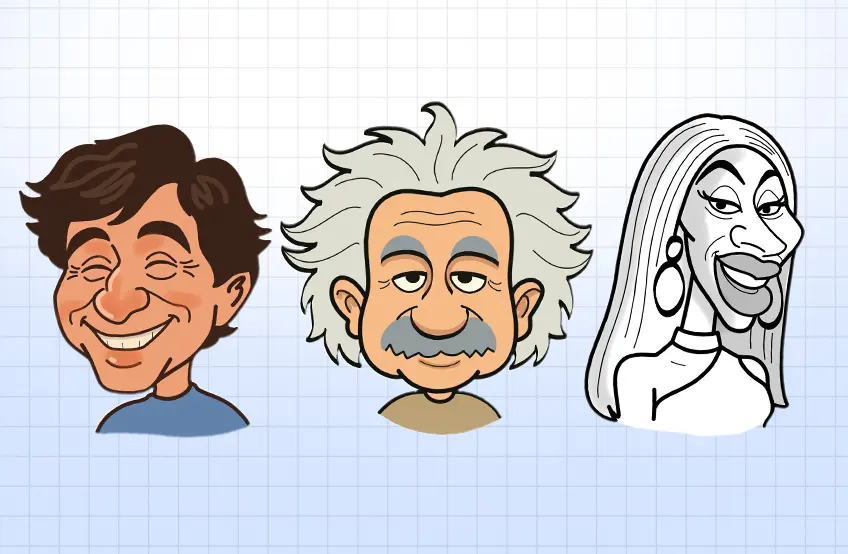
Drawing a caricature involves identifying a subject's most prominent facial features and exaggerating them while maintaining a recognizable likeness. Begin by observing the head shape, then emphasize specific traits like a large nose, high forehead, or expressive chin. Practice consistent sketching to balance these distortions with the subject’s overall structural anatomy.
On this page
How to start drawing caricatures
The foundation of a good caricature is observation rather than pure imagination. Before putting pencil to paper, spend time studying the subject’s face to identify which features deviate most from the average. Look for the "anchor" feature, which is the most striking part of the face, such as an exceptionally long chin, bushy eyebrows, or wide-set eyes. By focusing on these specific areas, you create a focal point that defines the entire drawing.
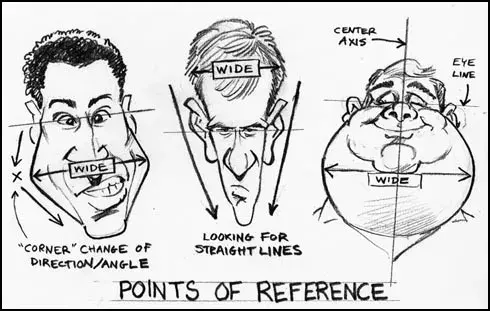
Beginners should focus on simple geometric shapes to map out the head. Most faces can be broken down into circles, squares, or triangles. If a person has a narrow face with a pointed chin, start with an inverted triangle. If they have a round face, use a circle. Once the basic shape is established, you can begin to exaggerate the features you identified earlier. Keep your initial lines light so you can easily adjust proportions as the drawing progresses.
Best tools for beginners
You do not need expensive equipment to begin your journey into caricature art. A standard HB pencil is perfect for initial sketching, while a 2B or 4B pencil allows for darker, more expressive lines later in the process. Use a kneaded eraser, as it is gentle on paper and allows you to lift graphite without damaging the surface. Smooth-finish drawing paper or a basic sketchbook provides the best texture for clean, precise lines.
When you are ready to ink your work, consider using archival-quality felt-tip pens or fine-liner markers. These tools provide consistent line weight, which is essential for defining the exaggerated contours of a caricature. If you prefer a traditional look, a dip pen with India ink offers excellent control over line thickness, though it requires more practice to master. Regardless of the medium, keep your tools simple to focus entirely on developing your artistic style and observational skills.
How to exaggerate facial features
Exaggeration is the core of caricature, but it must be done with intention to avoid making the subject look unrecognizable. The goal is to push the features toward the extreme while keeping the relationship between them intact. If you decide to make the nose larger, ensure it still aligns correctly with the mouth and eyes. Use these steps to guide your exaggeration process:
- Identify the most prominent feature and increase its size or shape by 20 to 50 percent.
- Shrink or minimize the surrounding features to make the exaggerated part stand out even more.
- Observe the negative space around the head to ensure the silhouette remains clear and recognizable.
- Add subtle details like wrinkles or hair texture only after the primary exaggerated shapes are firmly established.
By following these steps, you maintain the "likeness" of the person while creating a humorous or dramatic effect. Remember that successful caricature is a balance between reality and distortion.
Common mistakes when drawing caricatures
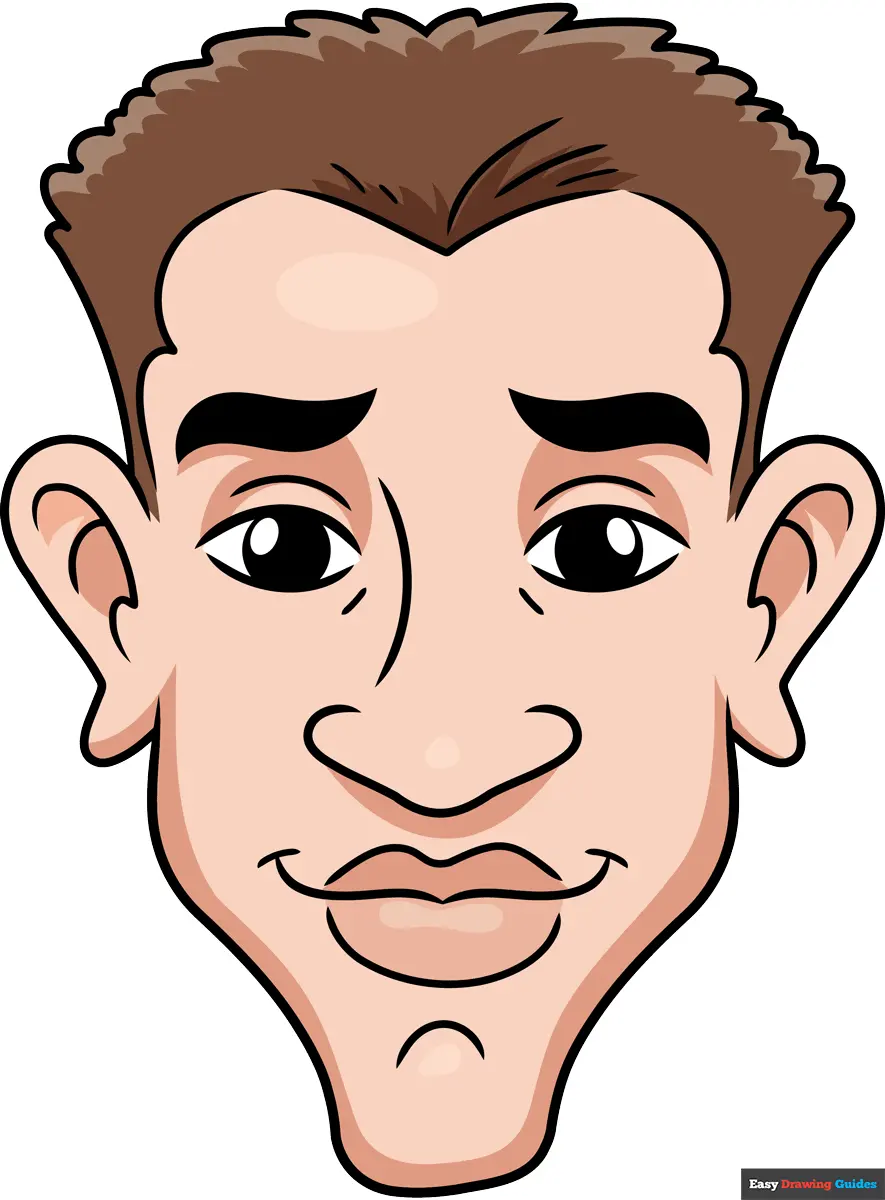
A frequent error for beginners is over-complicating the drawing with too many details. Beginners often try to draw every wrinkle, eyelash, and hair strand, which can clutter the image and distract from the primary exaggeration. Focus instead on bold, clean lines that define the structure of the face. Another common mistake is failing to capture the subject's personality. A caricature should reflect the person's expression or mood, not just their physical dimensions.
Avoid these pitfalls to improve your work:
- Drawing features in isolation rather than considering how they relate to the rest of the face.
- Ignoring the ears or neck, which can help ground the head and add character.
- Using inconsistent lighting or shading, which can make the drawing look flat and uninspired.
- Being afraid to push the exaggeration far enough, resulting in a drawing that looks like a standard portrait.
How to practice effectively
Consistent practice is the only way to refine your ability to see and distort features accurately. Set aside time each day to sketch people in public spaces, such as parks, cafes, or transit stations. Since you cannot ask strangers to sit still, focus on capturing the essence of their features in quick, 30-second gestures. These rapid sketches help you develop a visual shorthand for different face shapes and expressions.
Participating in online challenges or joining local art groups can also provide valuable feedback. Compare your drawings to your subjects to see where your exaggerations were successful and where they missed the mark. Over time, you will develop an intuitive sense for which features define a person's identity. Stay patient with your progress, as building the necessary hand-eye coordination takes time. By consistently analyzing the faces around you, you will eventually be able to draw caricatures with confidence and speed.
Key facts
- Caricature relies on the principle of exaggeration, where specific facial features are enlarged or distorted to create a recognizable likeness.
- Focus on the "T-zone" of the face, which includes the eyes, eyebrows, and nose, as these areas provide the most character.
- Use a simple geometric base, such as an egg or pear shape, to map out the head before adding detailed features.
- Observe the subject’s unique traits, such as a prominent chin, high forehead, or wide smile, and emphasize those specific elements.
- Keep the drawing loose and fluid to maintain a sense of energy, avoiding overly stiff or rigid lines.
- Practice by sketching friends or public figures, focusing on one feature at a time rather than trying to capture the entire face perfectly.
The bottom line
Drawing a caricature is an exercise in observation and selective exaggeration. By identifying the most distinctive features of a subject and amplifying them, you create a humorous yet recognizable portrait. Success comes from consistent practice, focusing on simple shapes, and learning to trust your initial instincts. With time, you will develop a unique style that balances artistic distortion with the essential character of your subject.
People also ask
What is the best medium for beginners to practice caricature?
Graphite pencils and smooth drawing paper are ideal for beginners because they allow for easy erasing and refinement. Once comfortable with basic shapes, you can transition to ink pens to create bold, definitive lines that define the caricature's style.
How do I know which feature to exaggerate?
Look for the feature that deviates most from a standard, average face. If a person has a very long nose or exceptionally large ears, make those the focal point of your drawing to capture their essence.
Should I use a reference photo or draw from life?
Drawing from life is the best way to understand three-dimensional forms and lighting. However, using high-quality reference photos is a practical way for beginners to study facial proportions without the pressure of a moving subject.
How can I make my caricature look like the person?
Focus on the relationship between features rather than the features themselves. Maintaining the correct distance between the eyes or the specific angle of the jawline is more important for recognition than drawing every individual wrinkle.
Is it offensive to draw caricatures?
Caricature is a traditional art form intended to entertain and highlight personality, not to insult. When starting out, focus on capturing the subject's spirit and unique charm rather than mocking their physical appearance.
How much time should I spend on a single sketch?
Beginners should aim for quick, five-minute gesture sketches to build speed and observational skills. Spending too long on one drawing can lead to over-working the details and losing the initial spark of the likeness.
This answer was created with the help of AI research tools and reference sources. Spotted an error? Let us know — we correct mistakes quickly. See our editorial policy.