How do you draw a surprised face?
Short answer
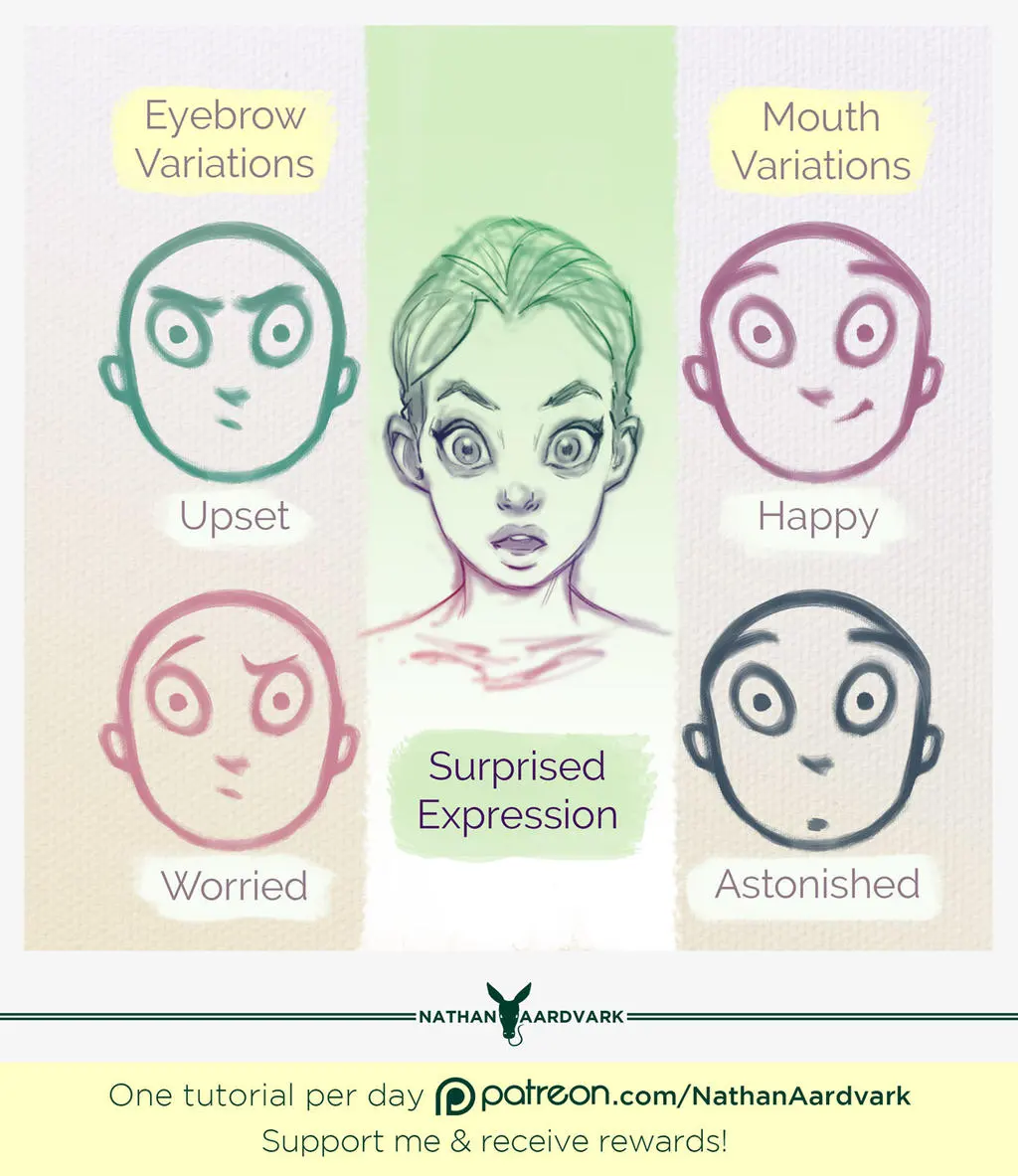
To draw a surprised face, emphasize wide, circular eyes with visible whites, raised eyebrows, and an open, oval-shaped mouth. These features communicate shock by breaking the neutral resting position of the facial muscles. By exaggerating the vertical distance between the brows and the chin, you create a convincing expression of sudden astonishment.
On this page
How to draw surprised eyes
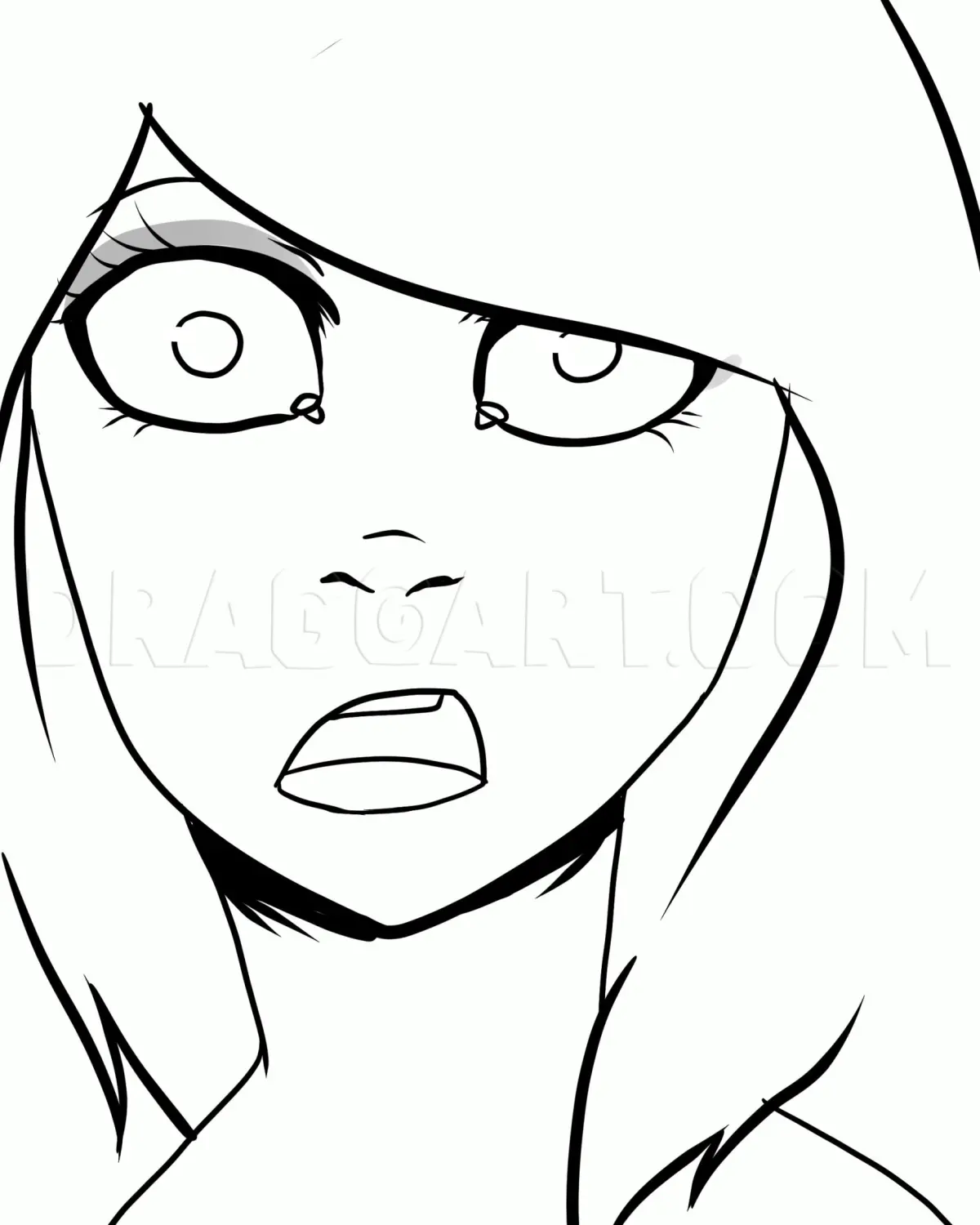
The eyes are the most critical element in conveying surprise. When a person is shocked, the eyelids pull back to allow more light to enter, which reveals the entire iris and often a sliver of the white sclera above the pupil. To draw this, start by sketching large, circular shapes rather than the typical almond shape used for neutral expressions. Ensure the upper eyelid is arched high, creating a clear gap between the lid and the eyebrow.
Position the pupils in the center of the iris to suggest a fixed, intense stare. If the eyes are looking off to the side, the surprise can feel more like suspicion or confusion, so keep the gaze forward for maximum impact. Avoid drawing the eyelids too low, as this will make the character look sleepy or bored instead of alert.
- Draw two large, perfect circles for the eye sockets.
- Sketch the upper eyelid as a high, dramatic arch.
- Place the iris in the center, ensuring it does not touch the top or bottom lid.
- Add a small highlight within the pupil to give the eyes a reflective, glassy appearance.
How to position surprised eyebrows
Eyebrows play a vital role in signaling emotional intensity. In a surprised face, the brows are pulled upward toward the hairline, which creates horizontal wrinkles across the forehead. This movement is a reflexive reaction to sudden stimuli, and capturing it requires placing the eyebrows significantly higher than their natural resting position. The arch of the brow should be pronounced, forming a gentle curve or a slight peak.
If you draw the eyebrows too low, the expression will shift toward anger or skepticism. The distance between the eye and the brow is the primary indicator of the level of shock; the greater the distance, the more intense the surprise appears. Use light, sketchy lines to indicate the forehead skin bunching up above the brows, as this adds a layer of realism to the facial structure.
- Keep the brows arched to create a sense of tension.
- Space the brows widely to suggest an open, receptive state of mind.
- Add subtle, horizontal lines above the brows to represent forehead muscle contraction.
- Ensure the inner corners of the brows are slightly angled upward to emphasize the emotional strain.
How to draw a surprised mouth
A surprised mouth is typically depicted as an open oval or a circular "O" shape. This indicates a sudden intake of breath, which is a physical manifestation of shock. The jaw should be dropped, increasing the vertical space between the nose and the chin. When drawing the lips, keep them rounded rather than stretched wide, as a wide mouth often signals a smile or a scream rather than pure surprise.
The placement of the mouth should align with the center of the face, directly below the nose. You can vary the size of the opening to show different levels of astonishment; a small, tight circle suggests mild surprise, while a large, gaping hole suggests total disbelief. Avoid drawing teeth unless the character is gasping for air, as a simple dark void within the mouth is usually sufficient to convey the intended emotion.
Why surprise expressions look distorted
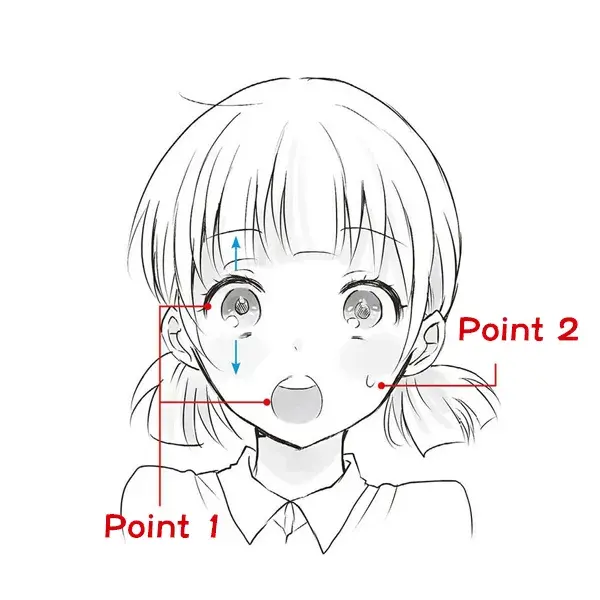
Surprise is a transient emotion that temporarily alters the proportions of the human face. Because the muscles in the forehead and jaw are pulled to their extremes, the face appears longer and more elongated than usual. Artists often struggle with this because they rely on fixed anatomical charts that show neutral faces. To master this, you must be willing to exaggerate the vertical stretching of the facial features.
The key is to maintain the relationship between the features while expanding the gaps between them. For instance, the nose remains relatively stationary, but the eyes move up and the jaw moves down, creating an illusion of a face that is physically expanding. If you fail to account for this vertical expansion, the drawing will look stiff or mannequin-like. Always prioritize the dynamic movement of the skin over rigid anatomical accuracy to keep the expression feeling fresh and believable.
Common mistakes when drawing surprise
One of the most frequent errors is failing to coordinate the eyes, brows, and mouth. If the eyes are wide but the mouth is closed, the expression looks like the character is merely staring. Conversely, an open mouth without raised eyebrows looks like the character is yawning or singing. The expression must be cohesive, with every feature working in tandem to tell the same story of sudden discovery or shock.
Another common mistake is neglecting the impact of shadows. Because the face is stretched and the eyelids are pulled back, there are fewer shadows around the eyes, making the face look brighter and more exposed. Use minimal shading around the eyes to emphasize the wide-open look, and focus your shadows on the underside of the jaw and the creases of the forehead. By refining these details, you ensure that your drawing effectively communicates the intended feeling of surprise to the viewer.
Key facts
- A surprised expression is defined by the widening of the eyes, which exposes more of the white sclera.
- The eyebrows should be arched and raised significantly to create horizontal wrinkles on the forehead.
- The jaw drops open naturally, causing the mouth to form an oval or rounded shape rather than a wide grin.
- Keep the pupils centered or slightly dilated to emphasize the intensity of the sudden realization.
- Avoid drawing the mouth corners upward, as this creates a smile instead of the shock associated with surprise.
- Use light shading beneath the lower lip to suggest the depth and gravity of the dropped jaw.
The bottom line
Drawing a surprised face relies on the vertical expansion of facial features. By raising the eyebrows to create forehead tension, widening the eyes to reveal the sclera, and allowing the jaw to drop into a soft oval, you capture the essence of shock. Avoid rigid lines or upturned mouths, which distort the emotion. Focus on these three key areas to achieve a convincing and readable expression.
People also ask
How do I draw eyes that look truly startled?
Draw the upper eyelids significantly higher than usual and ensure the lower lids are relaxed. This exposes the iris fully and creates the wide-eyed look characteristic of genuine surprise.
Should the eyebrows be angled or curved?
For surprise, eyebrows should be arched upward in a soft curve. Avoid sharp, downward angles, as those typically indicate anger or confusion rather than pure shock.
How much should the mouth be opened?
A slight, relaxed opening is often more effective than a wide, exaggerated gape. Aim for an oval shape that looks like the person is forming a soft "O" sound.
Why does my surprised face look like it is screaming?
You are likely drawing the mouth too wide or the lips too tense. Soften the lines around the mouth and ensure the jaw appears to be hanging loosely.
Do the ears change position when a person is surprised?
No, the ears remain stationary. Focus your energy on the forehead, eyes, and jaw, as these are the primary areas that convey the emotion of surprise.
Can I add sweat drops to show surprise?
While common in cartoons, sweat drops signify stress or physical exertion. For a realistic surprised expression, rely on the geometry of the eyes and mouth instead.
This answer was created with the help of AI research tools and reference sources. Spotted an error? Let us know — we correct mistakes quickly. See our editorial policy.