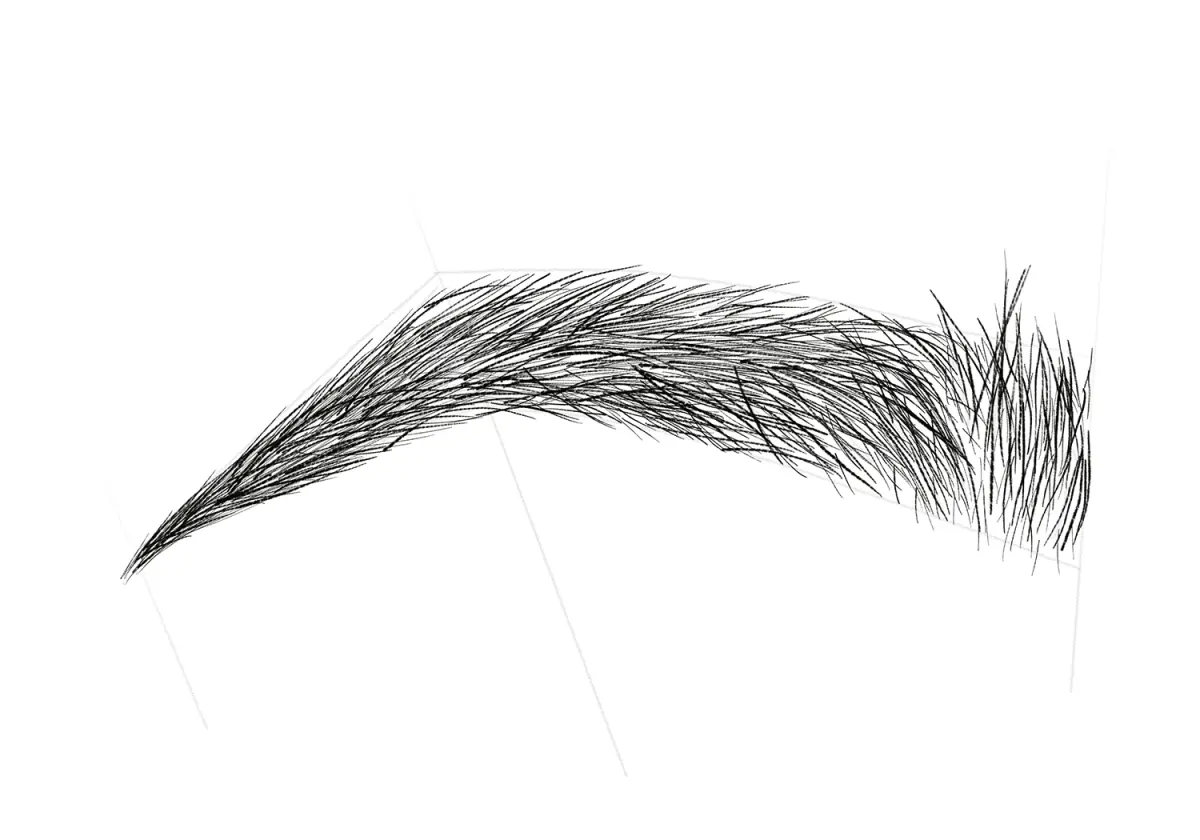
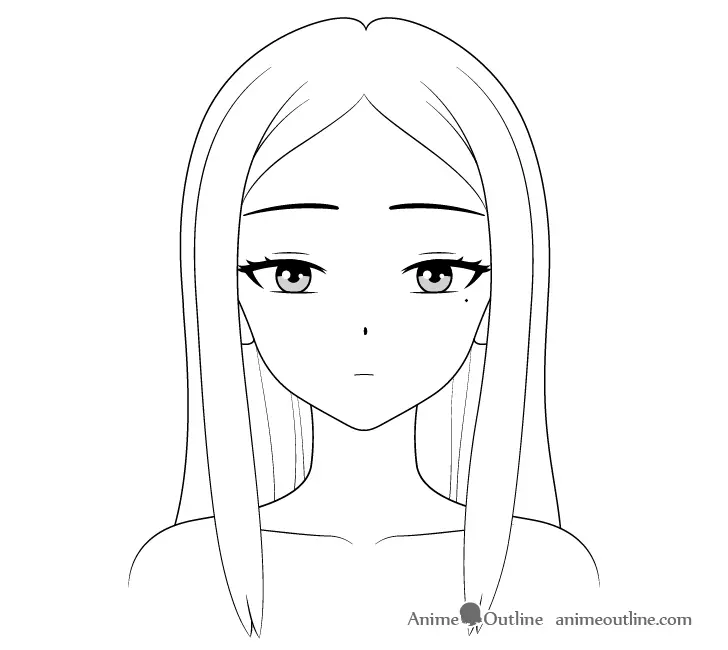
What is the easiest way to draw an angry face?
Short answer
The easiest way to draw an angry face is to focus on the eyebrows. By angling them downward toward the nose in a sharp "V" shape, you create the universal sign of aggression. Pair this with a tight, straight mouth and narrowed eyelids to instantly convey intense irritation or fury in seconds.
On this page
How to draw an angry expression for beginners
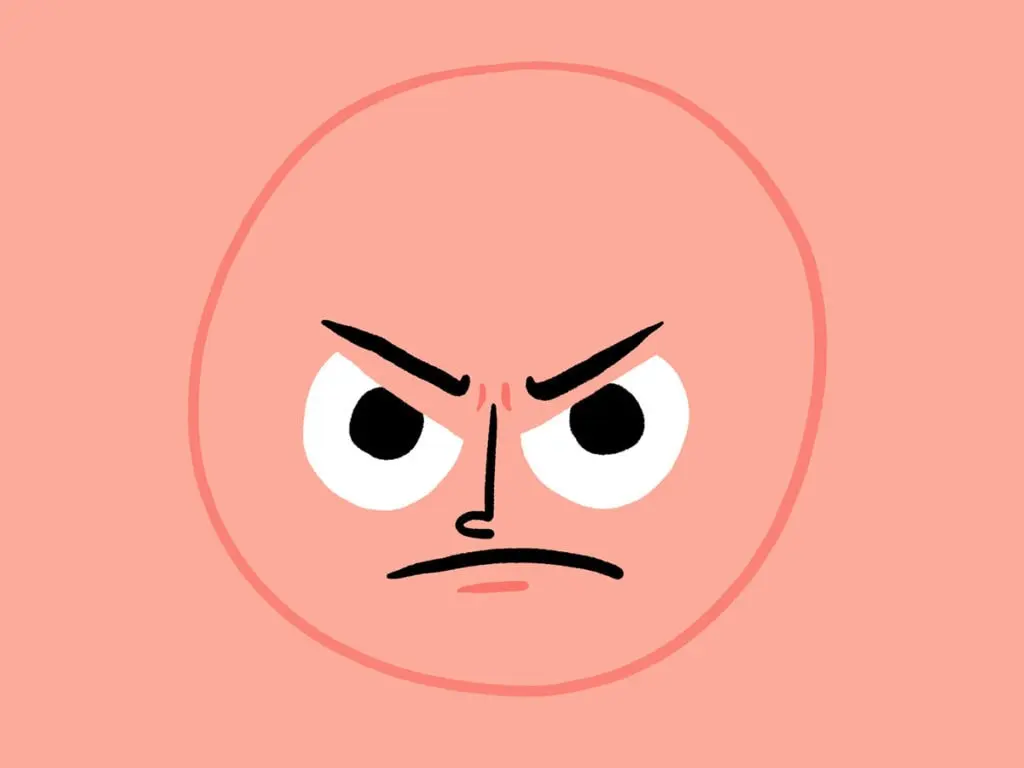
The most efficient method for drawing an angry face relies on the "V" shape formed by the inner corners of the eyebrows. When a person feels anger, the corrugator muscles pull the brows inward and downward, creating a distinct furrow. Beginners should start by drawing two diagonal lines that meet at the bridge of the nose. This simple geometric adjustment immediately signals tension to the viewer, regardless of the rest of the facial features.
Once the brows are set, the eyes must be narrowed to complete the look. By drawing the upper eyelids lower and slightly covering the top of the iris, you create a piercing, focused gaze. This technique, often called "squinching," removes the open, relaxed appearance of a neutral face. Keep the lower eyelids relatively straight or slightly pushed up to enhance the intensity. Practice these two elements—angled brows and narrowed eyes—until they feel natural, as they are the foundation of all angry facial expressions.
Why eyebrows are the most important part
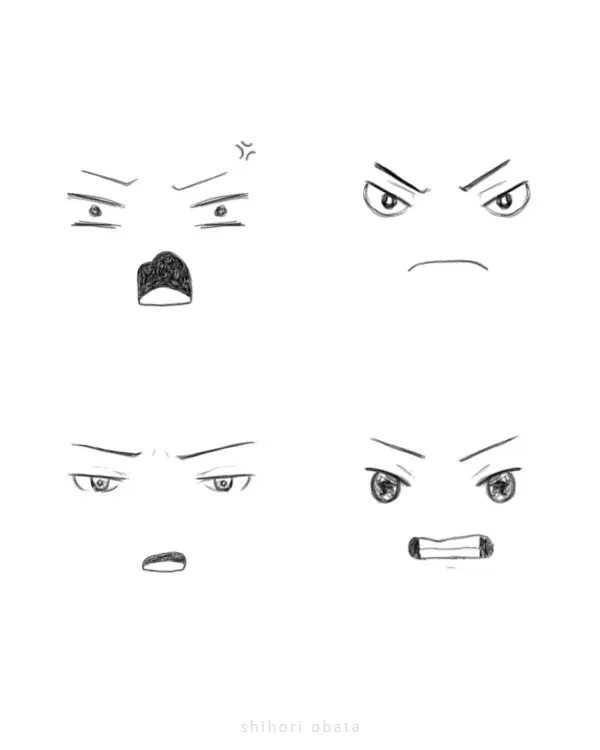
The eyebrows are the primary communicators of human emotion. In facial anatomy, the brow position is the most reliable indicator of internal state because it is controlled by involuntary muscle reflexes. When you tilt the brows downward, you physically mimic the contraction of the brow ridge, which is an evolutionary trait meant to protect the eyes during a confrontation. This is why a drawing with angry brows is almost always perceived as aggressive, even if the mouth is not clearly defined.
If you omit the mouth entirely, a viewer can still identify an angry face solely by the brow position. Conversely, a drawing with a shouting mouth but relaxed, arched eyebrows often looks like a person singing or yawning rather than someone who is angry. To master this, focus on the following details:
- The inner corners of the eyebrows should be lower than the outer corners.
- The space between the eyebrows and the eyes should be significantly smaller than in a neutral expression.
- Adding a small vertical wrinkle between the brows emphasizes the intensity of the contraction.
Best tools for drawing facial expressions
For those starting out, a standard graphite pencil is the best tool because it allows for easy adjustments. HB or 2B pencils provide enough darkness to define the sharp angles of an angry face while remaining erasable. Avoid using felt-tip pens or permanent markers until you are confident in your lines, as the rigid nature of an angry expression requires precise placement that is difficult to correct once inked.
When working on paper, keep your strokes light initially. Once the "V" shape of the brows and the line of the mouth are positioned correctly, you can go back over the lines with more pressure to add weight and character. Using a kneaded eraser is particularly helpful for lifting excess graphite to create subtle shadows under the brow ridge. This adds depth and makes the anger appear more visceral and realistic.
Common mistakes when drawing angry faces
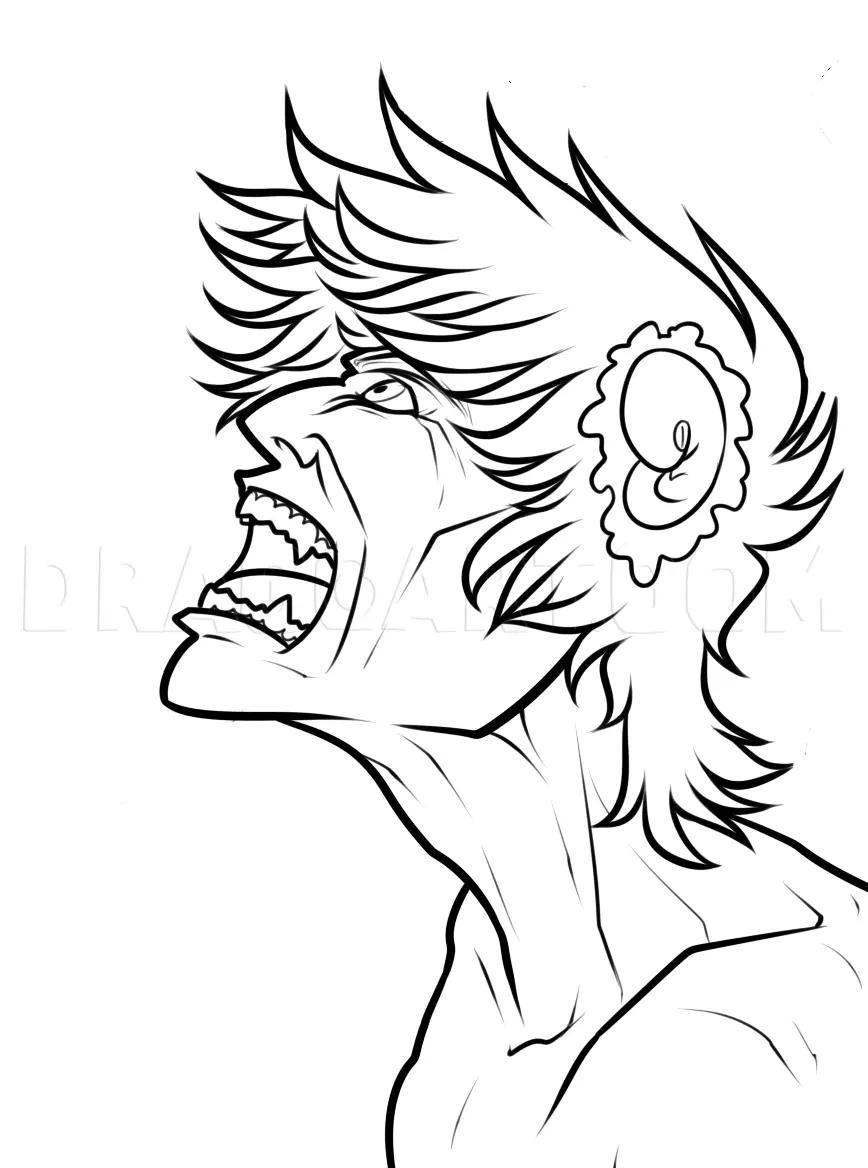
One of the most frequent errors is over-exaggerating the mouth. Many beginners draw a wide, jagged "zigzag" mouth, which often makes the character look like a cartoon monster rather than an angry person. A thin, straight, or slightly downturned line is much more effective at conveying controlled, simmering rage. A mouth that is too wide often looks like someone screaming in pain rather than someone acting out of anger.
Another common mistake is failing to adjust the eyelids. If the eyes remain wide open, the face will look surprised or terrified instead of angry. Always ensure the upper eyelid covers a portion of the iris to create that focused, narrowed look. Follow these steps to avoid these common pitfalls:
- Start with the brow angle before drawing any other features.
- Keep the mouth line simple and horizontal to maintain a sense of controlled tension.
- Ensure the pupils are centered or looking directly at the viewer to increase the perceived threat.
- Avoid adding too many wrinkles around the mouth, as this can make the character look significantly older than intended.
How to add intensity to your drawings
To take your drawing to the next level, focus on the shadows cast by the brow. Because the eyebrows are pushed downward, they create a small, dark shadow over the upper eyelid. By shading this area, you give the face a three-dimensional quality that makes the expression feel more grounded. This depth helps the viewer understand that the muscles are physically tensed, which reinforces the emotion of the character.
Finally, consider the tilt of the head. An angry face becomes much more intimidating if the chin is tucked slightly downward, as if the person is looking up through their brows. This posture, often called the "brow-down" look, is a classic technique used in animation and illustration to signify a character who is about to strike or speak in a threatening manner. By combining the downward-angled brows with a slight head tilt, you can create a powerful and convincing expression that captures the essence of anger with minimal lines.
Key facts
- The most critical feature of an angry expression is the eyebrows; they must be angled downward toward the nose.
- Eyes should be narrowed or squinted to create a sense of intensity and focus.
- A downward-curving mouth or a straight, tight line indicates aggression and tension.
- Vertical lines between the eyebrows, often called the "11s," effectively convey furrowed concentration.
- Keep the upper eyelids low to partially cover the iris, which mimics the human "glare."
- Avoid drawing a wide-open mouth unless the character is shouting, as a tight jaw is more universally perceived as anger.
The bottom line
Drawing an angry face relies on the geometry of the brow and the tension of the mouth. By angling the eyebrows downward toward the nose and narrowing the eyelids, you create an immediate sense of hostility. Keep the jaw tight and avoid rounded, soft lines to maintain the intensity. With practice, these simple adjustments to the facial structure will consistently produce a clear, effective expression of anger.
People also ask
How do I make an angry face look more threatening?
Increase the angle of the eyebrows so they point sharply toward the bridge of the nose. Adding deep shadows under the brow ridge creates a more menacing, sunken appearance.
Should I include teeth when drawing an angry face?
Only include teeth if the character is snarling or yelling. If you draw teeth, make them appear clenched or bared to emphasize physical tension.
Does the shape of the head affect how angry a face looks?
Yes, a sharper, more angular jawline often enhances the perception of aggression. Avoid soft, rounded features, which tend to make a character look friendly or passive.
Why does my angry face look sad instead?
You likely tilted the inner corners of the eyebrows upward. Ensure the inner corners are pointed downward toward the nose to avoid the appearance of distress or crying.
How can I show anger without using a mouth?
Focus entirely on the eyes and brow area. If the eyebrows are sufficiently furrowed and the eyelids are narrowed, the face will convey anger even if the mouth is hidden.
What is the best medium for practicing expressive faces?
Use a soft graphite pencil or a digital brush with varying pressure sensitivity. These tools allow you to easily adjust the thickness and intensity of the brow and eye lines.
This answer was created with the help of AI research tools and reference sources. Spotted an error? Let us know — we correct mistakes quickly. See our editorial policy.