How do you draw a laughing face step by step?
Short answer
Drawing a laughing face requires exaggerating facial features to convey joy. You must widen the mouth, squint the eyes, and raise the cheeks to create a convincing expression. By following basic anatomical proportions and focusing on the tension around the eyes and lips, you can capture the energy of genuine laughter.

On this page
How to draw a laughing face step by step
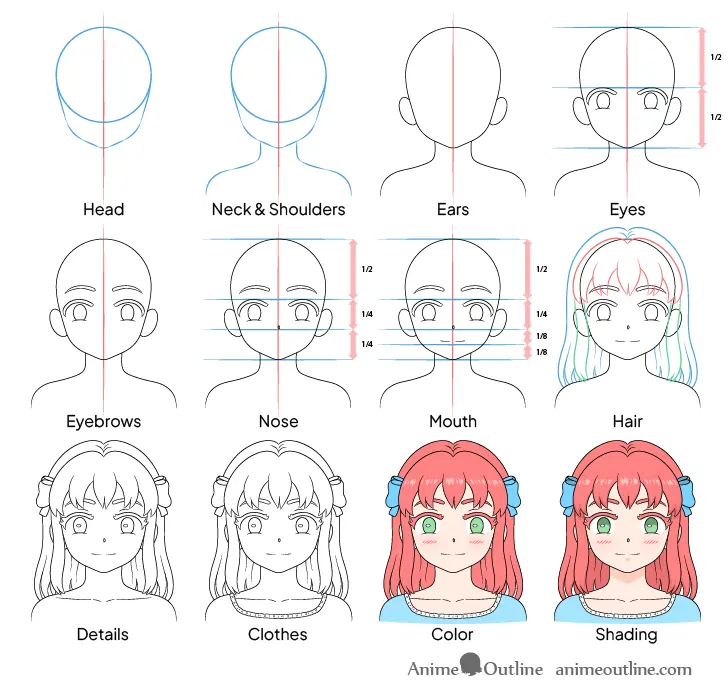
To begin, sketch a basic oval to represent the head shape and draw a horizontal line across the center for eye placement. Divide the lower half of the face into three sections to guide the nose and mouth positions. A laughing face requires more vertical space than a neutral one because the jaw drops open during the act of laughing.
Once the guidelines are set, follow these steps to construct the features:
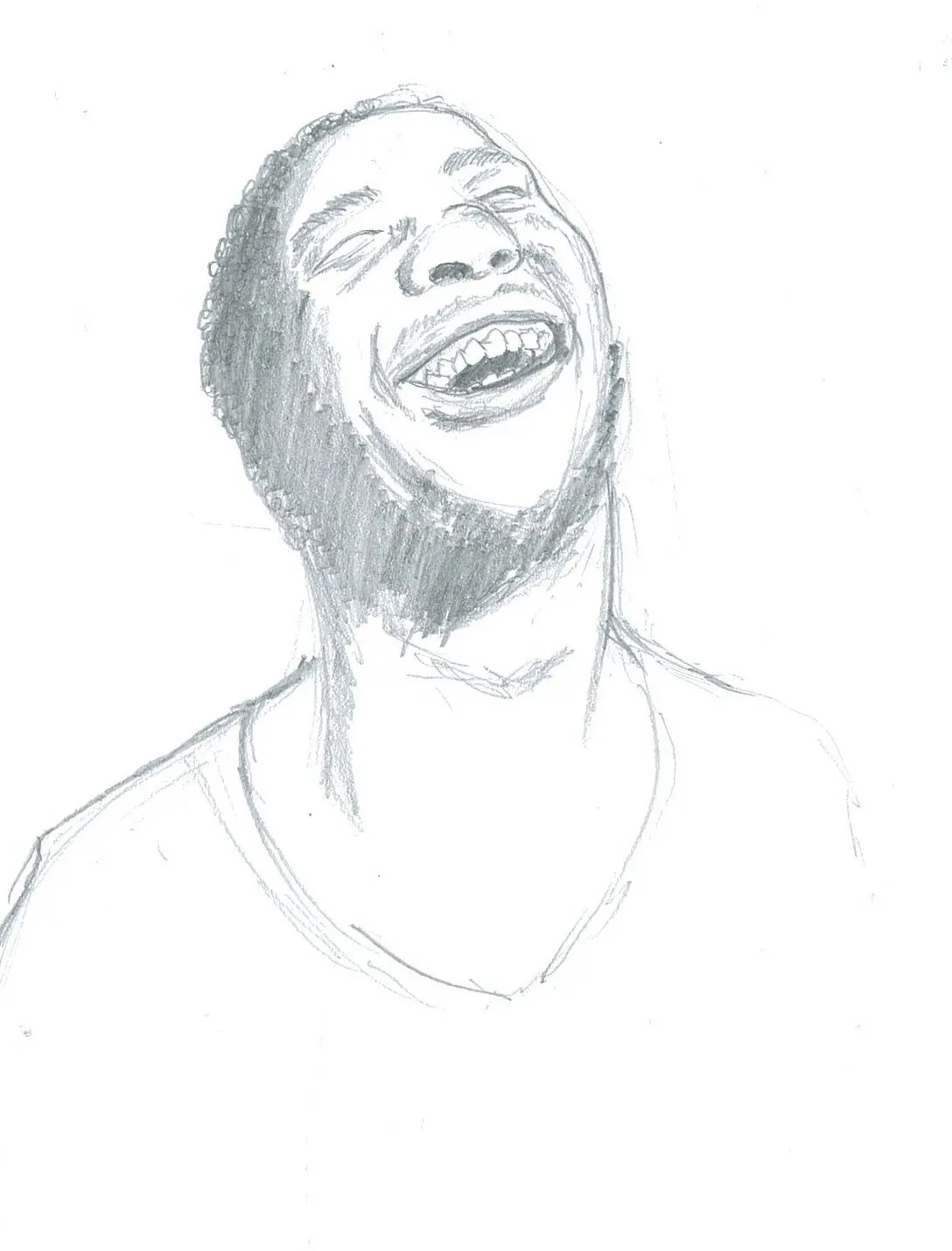
- Draw the eyes as curved, downward-arching shapes to simulate squinting.
- Sketch the mouth as a wide, open curve, ensuring the corners are pulled upward and outward.
- Add teeth by drawing a simple line across the mouth, keeping them slightly irregular to look natural.
- Draw the cheeks as rounded, elevated mounds pushing up against the lower eyelids.
- Add creases around the nose and mouth, known as nasolabial folds, to emphasize the intensity of the expression.
How to capture the emotion of laughter
The secret to a successful laughing face lies in the eyes. When a person laughs, the orbicularis oculi muscle contracts, causing the lower eyelids to push upward and form small wrinkles or "crow's feet" at the corners. If you draw wide, staring eyes, the expression will look forced or manic rather than genuinely joyful.
Focus on the relationship between the mouth and the cheeks. As the mouth opens wide, the cheeks must physically displace the skin around the eyes. By connecting these elements, you create a cohesive expression that feels authentic. Avoid leaving the eyes static, as the contrast between the open mouth and the relaxed eyes is the most common reason a drawing fails to convey true mirth.

Best tools for drawing facial expressions
For beginners, a standard HB graphite pencil is the most effective tool for establishing light construction lines. Because laughter involves many overlapping curves, you need a pencil that can be easily erased or lightened as you refine your work. A kneaded eraser is particularly useful here, as it allows you to lift graphite gently to create highlights on the teeth or the bridge of the nose.
If you are working on paper, consider using a 2B or 4B pencil for the final shading. These softer leads allow you to create deep shadows in the corners of the mouth and under the chin, which gives the drawing volume. High-quality smooth-surface paper is recommended because it allows for clean, fluid lines, which are essential when drawing the sweeping curves of a wide, laughing mouth.
Common mistakes when drawing a laughing face
One frequent error is drawing the teeth as a perfectly straight, flat row. In reality, teeth are curved and follow the arc of the jaw, and they are rarely all visible at once. Drawing every single tooth often makes the face look like a skull; instead, suggest the presence of teeth with subtle shading or a few broken lines to imply depth and texture.
Another mistake is neglecting the ears and the jawline. When a person laughs, the jaw moves downward and slightly backward, which changes the angle of the jawline relative to the neck. If you keep the jaw in a neutral position, the face will appear stiff. Always ensure that the ears remain aligned with the brow and the base of the nose, even when the mouth is stretched open, to maintain proper anatomical proportions throughout the drawing.
Why laughter changes facial structure
Laughter is a full-face movement that alters the skeletal structure’s perceived shape. The zygomaticus major muscle pulls the corners of the mouth upward, which effectively shortens the distance between the nose and the chin. Understanding this shift is vital for artists because it prevents the face from looking elongated or distorted during the drawing process.
The tension generated by laughter also affects the neck and shoulders. A truly laughing subject often has a slightly tilted head or raised shoulders, which adds dynamism to the composition. When you integrate these subtle physical cues, the drawing moves beyond a simple facial expression and becomes a narrative piece. By observing how the entire head reacts to the act of laughing, you can produce a more compelling and realistic portrait that captures the fleeting nature of human joy.
Key facts
- A laughing face is defined by eyes that are narrowed or closed and a mouth that is wide and upturned.
- The "Duchenne smile" involves the contraction of both the zygomatic major muscle and the orbicularis oculi muscle around the eyes.
- Sketching a horizontal oval for the head provides the necessary proportions for facial feature placement.
- Position the mouth slightly lower than the center of the face to allow room for a prominent, laughing jawline.
- Use curved lines for the eyebrows, angling them downward toward the nose to convey genuine joy.
- Adding small "crow's feet" lines at the outer corners of the eyes creates a realistic, expressive look of laughter.
The bottom line
Drawing a laughing face requires balancing the exaggerated features of the mouth with the subtle, crinkling movements around the eyes. By focusing on the contraction of facial muscles and adding depth through shading, you can capture authentic joy. Remember that laughter is a full-face experience; keeping the eyes expressive and the jawline relaxed is the key to making your character look truly happy and vibrant.
People also ask
How do I make the laughter look genuine rather than forced?
Focus on the eyes; true laughter causes the lower eyelids to bunch up and rise. If the eyes remain wide and neutral, the expression will look like a fake or polite smile.
Should I draw teeth when illustrating a laughing face?
Yes, showing the upper teeth is essential for a laughing expression. Keep the shapes irregular and slightly rounded to suggest the natural movement of a mouth in mid-laugh.
What is the best way to shade a laughing face?
Use soft shading around the corners of the mouth and the nasolabial folds, which are the lines running from the nose to the mouth. These areas deepen naturally when someone laughs heartily.
How do I draw the head angle for a laughing person?
Tilting the head slightly backward or to one side adds dynamic energy to the drawing. This posture mimics the natural way people lean back when they find something truly funny.
How can I emphasize the intensity of the laughter?
Increase the size of the mouth and add more pronounced lines around the cheeks and eyes. You can also add "laugh lines" or motion marks near the mouth to suggest a loud, boisterous sound.
Is it better to use geometric shapes or organic lines for a face?
Start with simple geometric shapes like circles and ovals to establish the structure. Once the foundation is set, use fluid, organic lines to define the features and capture the spontaneity of the expression.
This answer was created with the help of AI research tools and reference sources. Spotted an error? Let us know — we correct mistakes quickly. See our editorial policy.