How do you draw a tuxedo?
Short answer
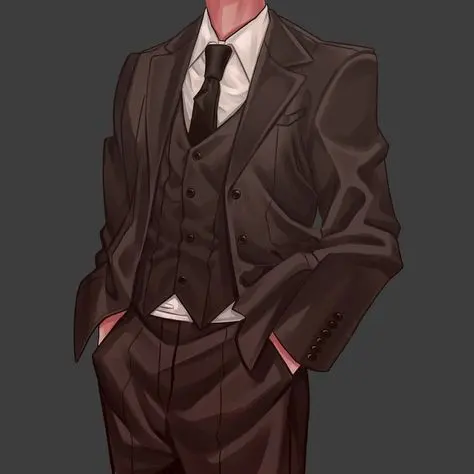
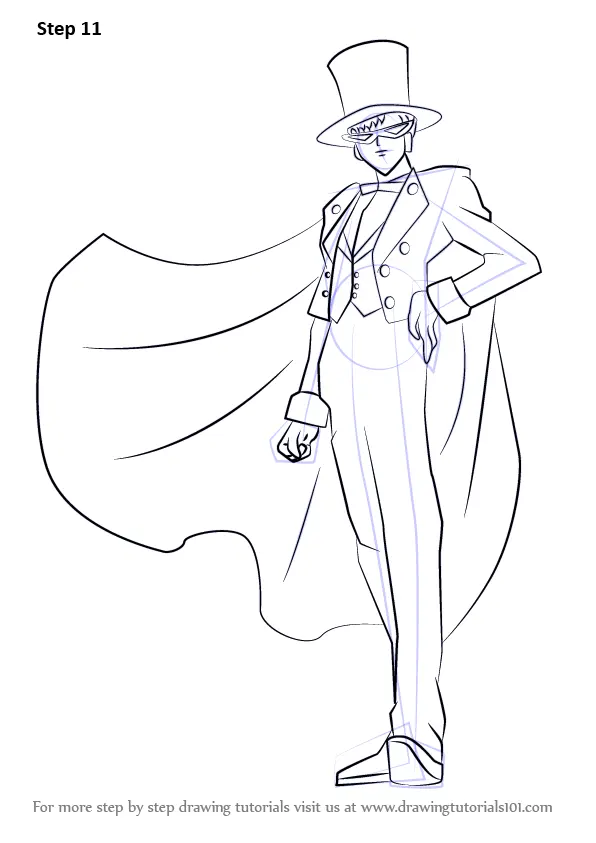
Drawing a tuxedo requires focusing on the sharp, V-shaped silhouette of the jacket and the crisp contrast of the formal shirt. Start by sketching a slender, structured torso, then add the notched or peaked lapels. Finish with details like a bowtie, buttons, and a pocket square to define the elegant, formal aesthetic.
On this page
How to sketch the basic tuxedo silhouette
The foundation of a tuxedo drawing relies on capturing the garment's rigid, tailored structure. Begin by drawing a vertical centerline to ensure symmetry, as formal wear is defined by precise alignment. Sketch an inverted triangle for the upper body, emphasizing broad shoulders that taper sharply toward the waist. This silhouette creates the classic "V" shape associated with traditional black-tie attire.
When adding the jacket, ensure the lines are clean and angular rather than soft or rounded. The tuxedo jacket should appear fitted, hugging the torso closely to suggest a bespoke tailor’s touch. Avoid drawing the jacket too baggy, as this detracts from the formal nature of the outfit. Keep your pencil strokes light initially, allowing you to refine the contours once the overall proportions are established.
How to draw tuxedo lapels and collars
Lapels are the most recognizable feature of a tuxedo and define its specific style. There are three primary types to consider, each changing the visual impact of the drawing:
- Peak Lapels: These point upward toward the shoulders, creating a dramatic, formal look.
- Shawl Collars: These feature a continuous, rounded curve, often seen on dinner jackets.
- Notched Lapels: These have a small triangular indentation where the collar meets the lapel, mirroring a standard suit.
Focus on the transition between the lapel and the jacket body. The lapels should be wider than those found on a standard business suit, often featuring a satin or silk finish that can be indicated with subtle shading. Ensure the lapel lines start from the top of the jacket and extend down to the buttoning point, creating a deep, elegant opening that reveals the shirt beneath.
How to add formal shirt details
A tuxedo is incomplete without the specific elements of a formal dress shirt. Draw a crisp, stiff collar that stands high against the neck, typically featuring wingtips or a standard spread. Beneath the collar, place a bowtie, which should be drawn slightly wider than the collar points to maintain visual balance. The bowtie is a signature element, so keep its edges sharp and symmetrical.
On the shirt front, include a vertical panel known as a "bib" or "pleated front." This section should be distinct from the rest of the shirt fabric. You can represent this with thin, parallel vertical lines or small studs. If you choose to draw studs, place them in a column of three or four along the center. These small details provide the necessary contrast to the dark jacket and help anchor the viewer's eye to the center of the figure.
How to refine tuxedo accessories and finishing touches
Accessories elevate a tuxedo from a simple suit to high-fashion formal wear. Adding a pocket square in the breast pocket provides a splash of color or texture, typically rendered as a small, folded rectangle or a soft puff. Ensure the pocket square does not look overly cluttered; simplicity is the hallmark of classic formal style. You may also include a cummerbund at the waist to cover the shirt’s bottom edge.
When shading the garment, use a dark, consistent tone for the jacket and trousers to represent black wool or velvet. Leave the lapels slightly lighter or add a sheen to distinguish the silk facing from the matte fabric of the rest of the coat. Use a kneaded eraser to pull out highlights along the shoulders and lapel edges, which adds a sense of depth and realism to the final drawing.
Common mistakes when drawing a tuxedo
One frequent error is failing to maintain consistent proportions between the jacket and the trousers. The trousers should appear as a seamless extension of the suit, often featuring a thin satin stripe running down the outer leg. Avoid drawing the trousers with excessive folds or wrinkles, as tuxedo fabric is typically heavy and maintains a clean, pressed appearance. Keep the lines straight and purposeful to reflect this rigidity.
Another mistake is neglecting the buttoning point of the jacket. A tuxedo jacket is traditionally a single-button garment, and this button should be placed at the narrowest part of the torso. Placing it too high or too low will distort the figure's proportions and make the jacket look ill-fitting. Always double-check that your lapels align correctly with this central button, as this intersection is the visual anchor of the entire ensemble. By focusing on these structural details, you ensure a polished result.
Key facts
- A tuxedo is defined by the presence of silk or satin facings on the jacket lapels, buttons, and pocket trim.
- The classic tuxedo jacket features a shawl collar, peak lapel, or notch lapel, with peak lapels being the most traditional choice.
- Trousers must feature a single braid of silk or satin running down the outer seam to match the jacket lapels.
- A tuxedo is traditionally worn with a white formal shirt, which often features a pleated front or a piqué bib.
- When drawing the silhouette, ensure the jacket is slightly shorter than a standard suit coat to emphasize the waistline.
- Always include a black silk bow tie, as a long necktie is technically incorrect for formal black-tie attire.
The bottom line
Drawing a tuxedo requires attention to the specific contrast between wool fabric and satin details. By focusing on the silk-faced lapels, the side-braided trousers, and the absence of a belt, you create an authentic formal silhouette. Keep the lines clean and the proportions tailored to ensure the drawing reflects the sophistication inherent in this classic garment. Precision in these small details defines the formal aesthetic.
People also ask
Should a tuxedo jacket have vents?
Traditionally, a formal tuxedo jacket should be ventless for a sleek, unbroken silhouette. However, modern tailoring often includes side vents for increased mobility and comfort.
What color waistcoat is appropriate with a tuxedo?
A black low-cut waistcoat is the standard choice to cover the waistband of the trousers. Alternatively, a white piqué waistcoat is worn for white-tie events, though it is less common for standard black-tie.
Can I draw a tuxedo with a belt?
No, a tuxedo should never be worn with a belt. The trousers are designed to be held up by suspenders or side adjusters, as a belt disrupts the clean line of the waist.
What is the purpose of a cummerbund?
A cummerbund is a pleated sash worn around the waist to hide the gap between the shirt and the trousers. It serves both a decorative purpose and a practical one by streamlining the midsection.
Are tuxedo shoes different from regular dress shoes?
Yes, the standard footwear for a tuxedo is a black patent leather oxford or a velvet opera pump. These shoes are highly polished to reflect the formal nature of the outfit.
Is a pocket square necessary?
While optional, a crisp white silk or linen pocket square adds a touch of elegance to the chest pocket. It should be folded in a simple, flat presidential style for a clean look.
This answer was created with the help of AI research tools and reference sources. Spotted an error? Let us know — we correct mistakes quickly. See our editorial policy.