How do you draw a kitten for beginners?
Short answer
Drawing a kitten involves simplifying complex anatomy into basic geometric shapes like circles and triangles. By sketching a rounded head, a soft body, and triangular ears, you create a foundational structure. Refine these shapes into organic lines, add facial features, and incorporate fur texture to bring your feline character to life.
On this page
How to structure a kitten drawing
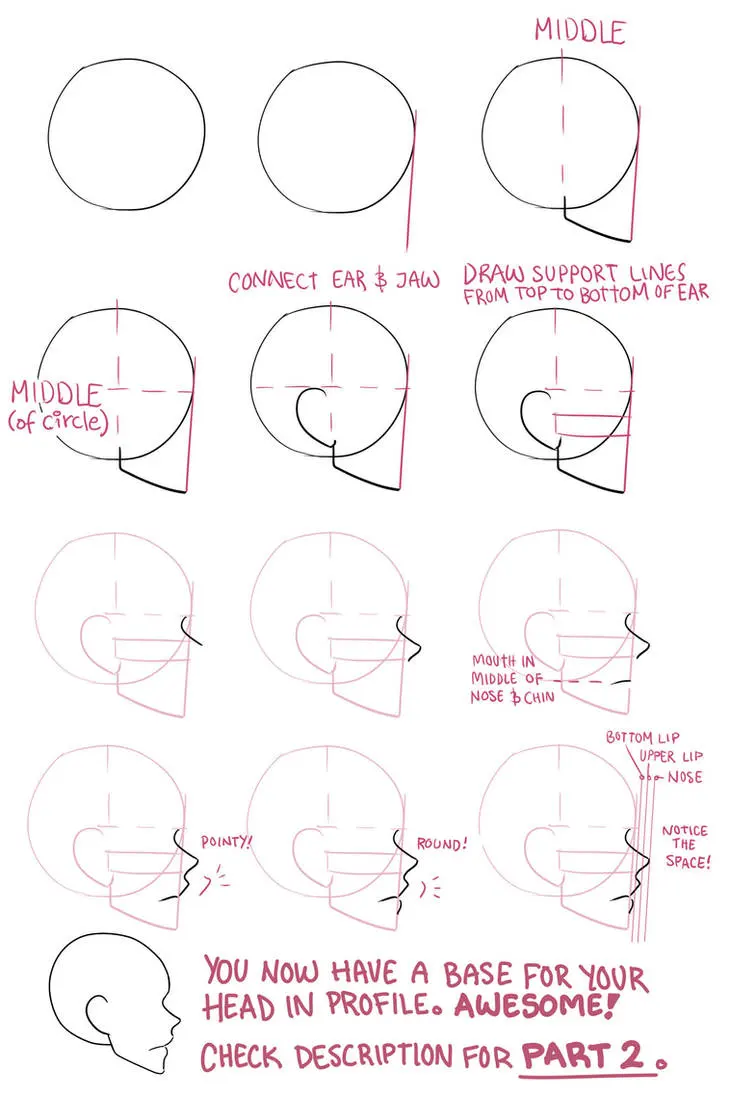
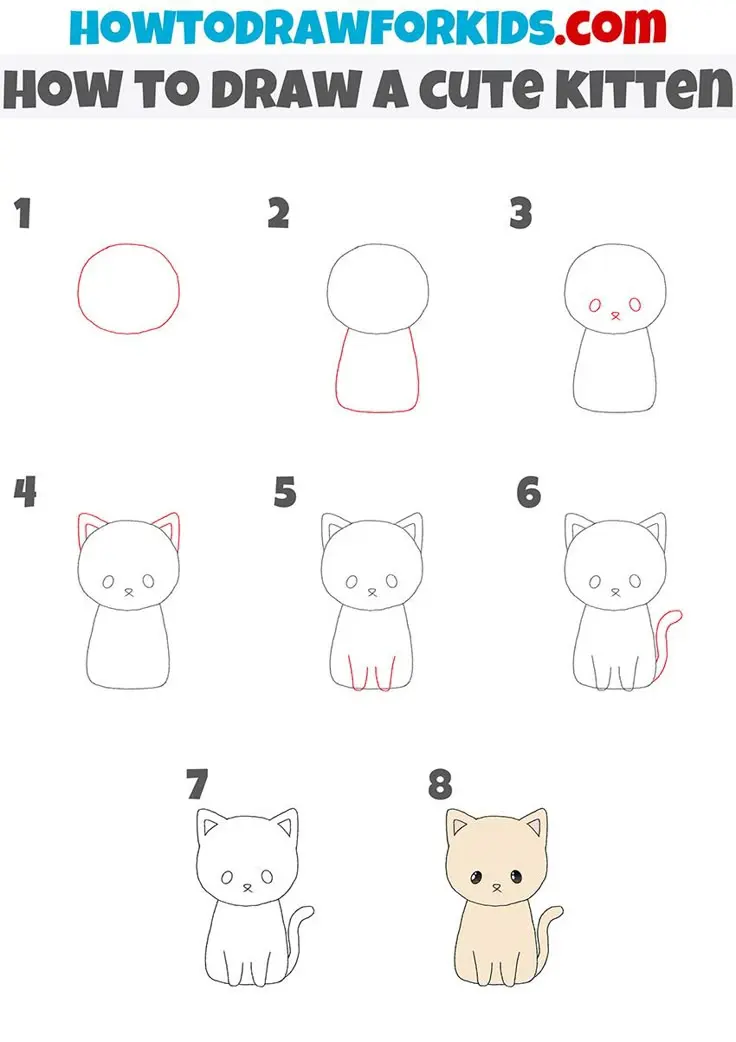
Begin by visualizing the kitten as a series of simple, overlapping shapes. Start with a large circle for the head and a slightly larger, oval-shaped body positioned beneath it. These basic forms provide the framework for the kitten’s proportions, which are naturally rounder and softer than those of an adult cat. Ensure the head is about one-third of the total height of the drawing to maintain the characteristic "cute" aesthetic associated with kittens.
Use light pencil strokes to map out these shapes, as you will need to erase or refine them later. Once the head and body are established, add two smaller circles for the paws and a subtle curve for the tail. Keep your lines loose and sketchy at this stage to allow for adjustments. Avoid pressing too hard with your graphite, as heavy lines can become difficult to clean up once you begin adding the final details.
Best tools for beginner artists
For those just starting, a standard HB or 2B pencil is ideal because it provides a good balance between darkness and ease of erasure. You will also need a high-quality white vinyl eraser, which is less likely to smudge your paper than the pink erasers found on the ends of pencils. A smooth-surfaced sketchbook or heavy-weight drawing paper works best for capturing fine lines without bleeding or tearing.
- HB pencil for initial light sketching.
- 2B or 4B pencil for adding depth and darker shadows.
- Vinyl eraser to clean up construction lines.
- Sharpener to maintain a fine point for intricate details like whiskers.
- Blending stump or a soft tissue to smooth out shading on the fur.
Having a dedicated workspace with good lighting is equally important. Proper illumination prevents eye strain and helps you see the subtle gradients in your shading. If you are struggling with hand stability, try resting your wrist on a clean piece of scrap paper to avoid smudging your work as you move across the page.
How to draw kitten facial features
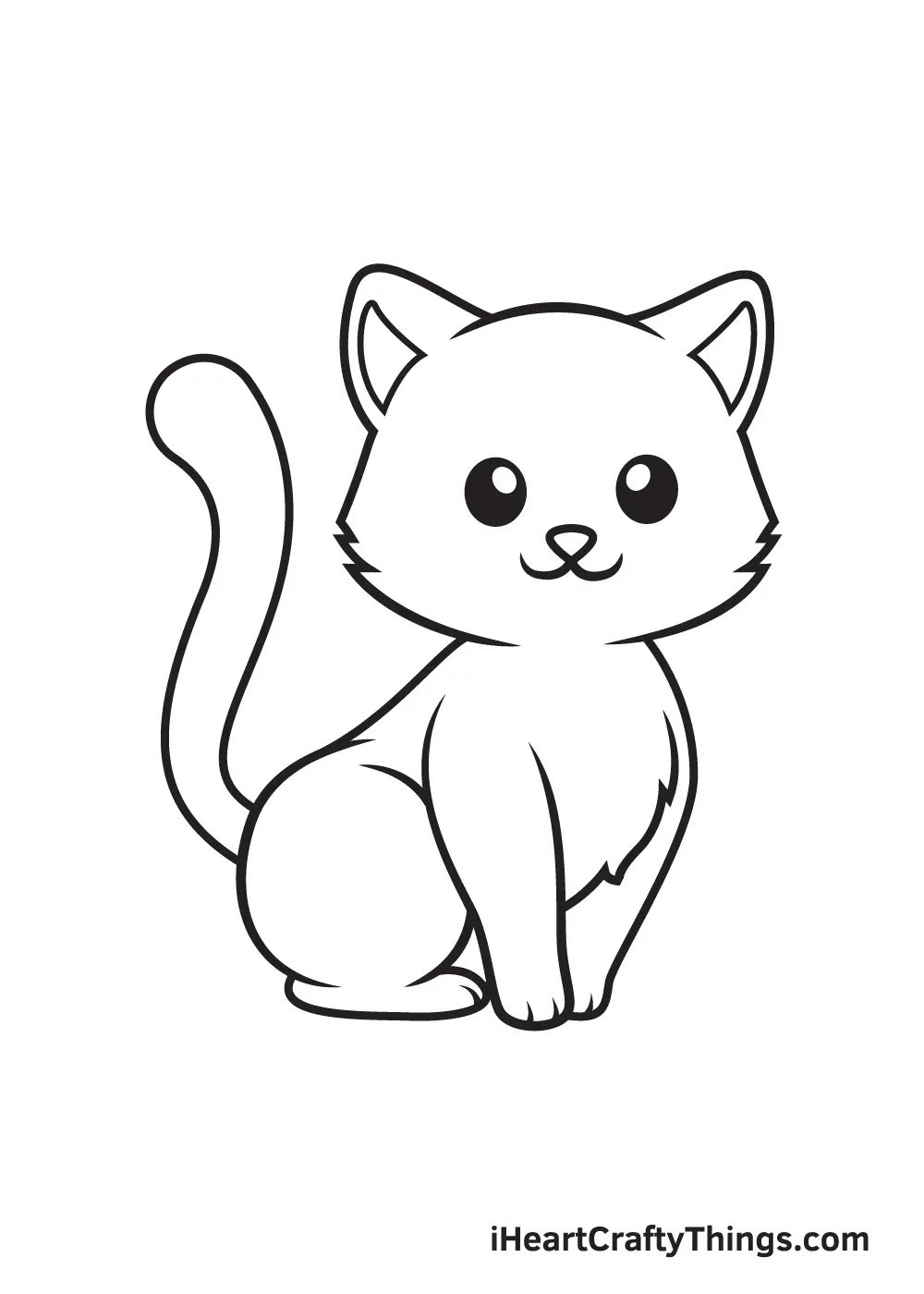
The face is the most expressive part of the drawing. Place the eyes slightly below the horizontal midline of the head circle, ensuring they are large and spaced apart to emphasize the kitten’s youthful appearance. Draw small, inverted triangles for the nose and a soft "W" shape for the mouth. Adding large, rounded pupils within the eyes will immediately make the kitten look more endearing and alert.
Ears should be placed on top of the head, shaped like soft triangles with slightly rounded tips. Because kittens have large ears relative to their heads, do not be afraid to make them appear prominent. Once the basic features are placed, add a few quick, light strokes around the edges of the face to suggest the fluffiness of the fur. Remember that the eyes should be the focal point, so keep the surrounding lines clean and defined.
Common mistakes when drawing kittens
One frequent error is drawing the legs too thin or too long, which makes the kitten look awkward rather than playful. Kittens have short, stubby limbs that contribute to their clumsy, endearing nature. Another common issue is placing the eyes too close together or too high on the face. If the eyes are positioned too high, the kitten will lose its youthful look and appear more like an adult cat.
- Drawing perfectly straight lines instead of soft, curved ones.
- Making the neck too long, which ruins the compact, rounded silhouette.
- Forgetting to add the "sparkle" or white highlight in the eyes.
- Applying heavy, dark outlines that make the kitten look like a cartoon sticker.
- Neglecting the direction of the fur, which should flow away from the center of the face.
Always step back from your drawing every few minutes to view it from a distance. This perspective shift helps you spot anatomical imbalances that are not obvious when your face is inches away from the paper. If a line looks "off," do not hesitate to erase it and try again.
How to add fur texture and shading
Adding texture is what transforms a flat sketch into a realistic kitten. Instead of drawing individual hairs, use short, flicking strokes that follow the direction of the fur growth. Start from the center of the face and move outward, using lighter pressure at the tips of the strokes to create a soft, tapered look. Focus the most detail around the ears, chest, and cheeks, where the fur is naturally thicker and fluffier.
Shading is essential for creating volume. Identify where the light source is coming from and apply darker tones on the opposite side of the kitten’s body. Use a blending stump to soften the transitions between light and dark areas, which mimics the soft, diffused nature of animal fur. Finally, add the whiskers using long, quick, and confident strokes. These final touches provide a sense of movement and realism, completing the drawing and giving your kitten a lively, finished appearance.
Key facts
- Start by sketching a circle for the head and a slightly larger oval for the body to establish simple proportions.
- Kittens have larger eyes and foreheads relative to their faces than adult cats, which creates their characteristic "cute" look.
- Use light, sketchy pencil lines initially so you can easily erase and refine the shape before committing to dark outlines.
- Draw the ears as simple triangles placed near the top of the head, slightly wider at the base than at the tips.
- Focus on the "T" shape formed by the nose and mouth to ensure the face remains symmetrical and balanced.
- Keep the tail thick at the base and tapering toward the tip to give it a natural, expressive appearance.
The bottom line
Drawing a kitten is an exercise in simplifying complex anatomy into basic geometric shapes like circles and ovals. By prioritizing large eyes and soft, textured outlines, you can capture the youthful essence of the animal. Practice consistency by keeping your construction lines light and your proportions balanced. With patience and focus on these fundamental techniques, you will develop the skills to create charming, recognizable kitten portraits.
People also ask
Should I start drawing with a pen or a pencil?
Always start with a graphite pencil so you can make corrections without leaving permanent marks. Use a soft lead like HB or 2B to keep your initial construction lines light and easy to erase.
How do I make the kitten look fluffy?
Use short, quick, outward-flicking strokes along the edges of your outline instead of one continuous solid line. Vary the length and direction of these strokes to mimic the texture of fur rather than a smooth silhouette.
What is the best way to draw kitten eyes?
Draw two large, slightly tilted ovals and place a vertical slit in the center for the pupil. Adding a small white dot inside the pupil creates a reflective highlight, which makes the eyes appear bright and lifelike.
How do I position the legs correctly?
Sketch the front legs as two simple vertical rectangles and the back legs as slightly curved shapes tucked near the body. Ensure the joints are visible to suggest movement and prevent the legs from looking like stiff sticks.
Why do my kitten drawings look like adult cats?
If the drawing looks too mature, the eyes are likely too small or the snout is too long. To maintain a kitten-like appearance, keep the facial features clustered toward the bottom half of the head circle.
How do I draw the whiskers?
Use long, thin, sweeping strokes that originate from the muzzle area. Do not draw too many; a few well-placed, slightly curved lines are more effective than a dense cluster that obscures the face.
This answer was created with the help of AI research tools and reference sources. Spotted an error? Let us know — we correct mistakes quickly. See our editorial policy.