What is the easiest way to draw a nurse?
Short answer
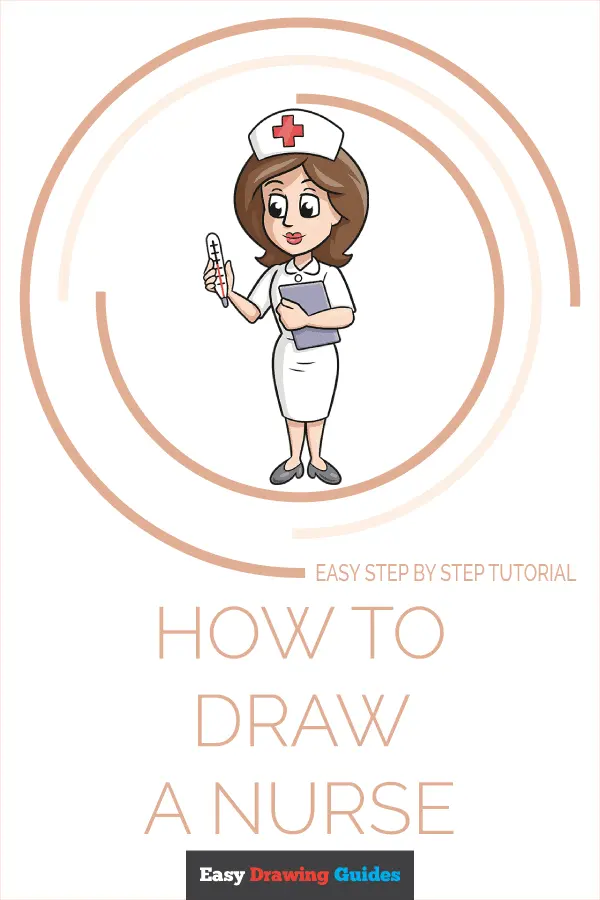
The easiest way to draw a nurse is to use the "cartoon style" method, which simplifies complex anatomy into basic geometric shapes. By focusing on iconic symbols like a scrub top, a stethoscope, and a simple cap, you can create a recognizable figure without needing advanced training in human proportion or shading.
On this page
How to draw a nurse for beginners
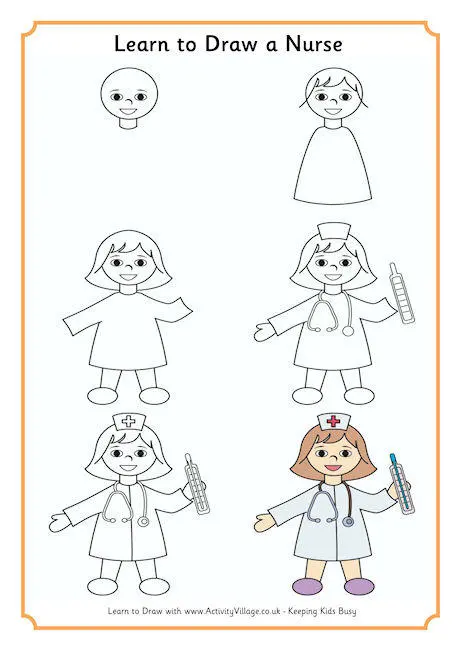
Drawing a nurse is best approached by breaking the human form into simple shapes. Start by sketching an oval for the head and a larger rectangle for the torso. This foundational structure ensures your character remains balanced. Once the basic frame is set, you can add limbs using cylinders and hands using simple mittens or circles.
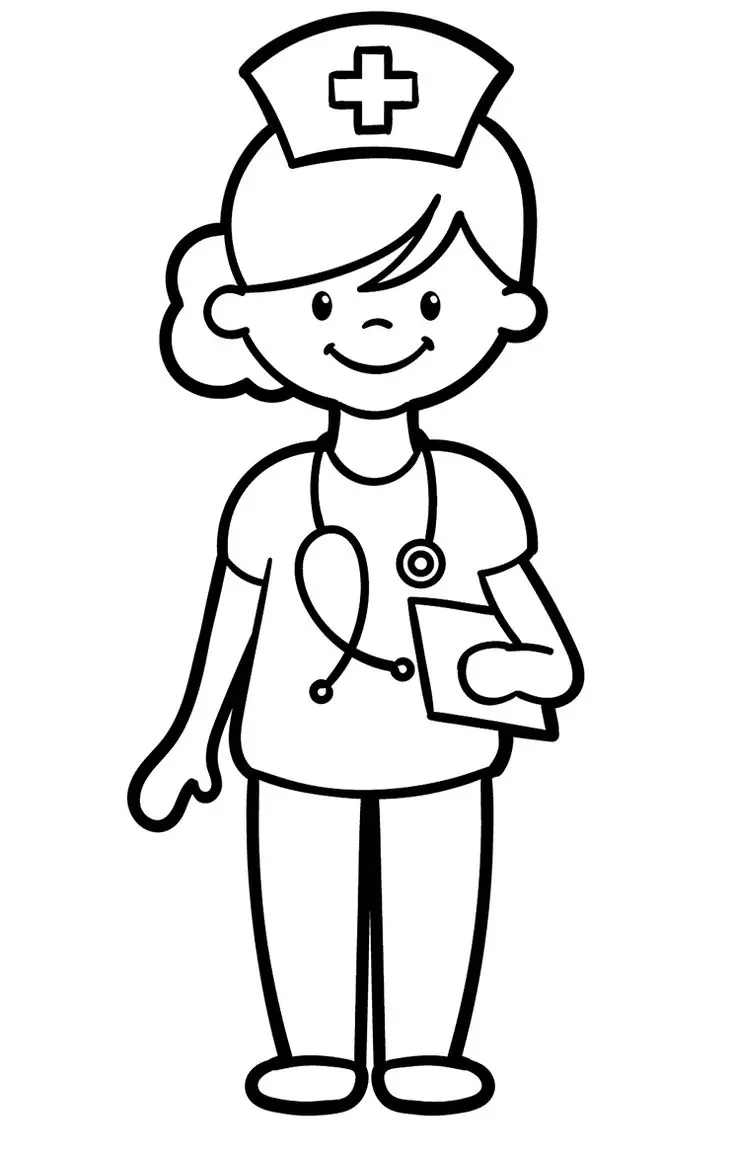
Focusing on iconic accessories is the most effective way to establish the character's identity quickly. A stethoscope draped around the neck or a small medical cross on the chest pocket provides immediate visual context. By keeping the lines clean and the shapes distinct, you avoid the clutter that often makes beginner drawings look messy or confusing.
- Draw a vertical oval for the head and a neck line.
- Sketch a rectangle for the torso, slightly tapered at the waist.
- Add two smaller rectangles for the arms and legs.
- Place a curved line around the neck to represent the stethoscope tubing.
- Draw a small circle on the chest to mark the stethoscope bell.
Best tools for drawing a nurse
For those just starting, using a graphite pencil with an HB lead is ideal because it allows for easy erasing during the initial sketching phase. A high-quality eraser is essential for cleaning up construction lines once you have finalized the silhouette. If you prefer digital drawing, a tablet with pressure-sensitive brushes offers the most flexibility for refining your line work.
When you are ready to add color, alcohol-based markers or colored pencils work well for filling in scrubs. Light blue, teal, or navy are the most common colors associated with nursing uniforms. Using a fine-liner pen to go over your final pencil sketches will give the drawing a professional, finished appearance that stands out clearly on the page.
- HB Graphite Pencils: Best for light, erasable construction lines.
- Kneaded Eraser: Useful for lifting graphite without damaging the paper.
- Fine-liner Pens: Necessary for creating bold, permanent outlines.
- Alcohol Markers: Excellent for smooth, streak-free coloring of uniforms.
What is the easiest way to draw a stethoscope
The stethoscope is the most recognizable tool in a nurse's kit, and drawing it is simpler than it appears. Start by drawing a "U" shape around the neck area, ensuring the ends extend toward the chest. From the bottom of the "U," draw a small line leading to a circular disc, which serves as the chest piece.
Avoid trying to draw every single wire or complex hinge found on a real medical instrument. Instead, focus on the silhouette. A simple, thick line for the tubing and a slightly larger circle for the chest piece is sufficient for a cartoon-style drawing. This minimalist approach keeps the focus on the character while maintaining the essential visual cues that define the profession.
Common mistakes when drawing a nurse
A frequent error is neglecting the proportions of the head relative to the body. Beginners often draw the head far too large or too small, which makes the character look unnatural. Aim to make the body roughly six to seven times the height of the head. Checking these proportions early in the process saves significant time later.
Another common mistake is overcomplicating the uniform. A nurse’s scrub top is essentially a simple V-neck shirt with short sleeves. Adding too many pockets, zippers, or wrinkles can make the drawing look cluttered and distract from the overall composition. Stick to simple, clean lines for the clothing to ensure the drawing remains readable and visually appealing to the viewer at a glance.
How to add detail to a nurse drawing
Once the basic figure is complete, you can add personality through facial expressions and hairstyle. A simple smile and two dots for eyes are enough for a minimalist style. If you want a more expressive look, add eyebrows to convey emotion or a specific hairstyle to give the character a unique identity. These small details transform a generic shape into a specific person.
You can also improve the drawing by adding subtle shading to one side of the body. Pick a light source, such as the top right corner, and apply a slightly darker tone to the opposite side of the limbs and torso. This simple technique adds depth and makes the character appear three-dimensional. Remember to keep the shading consistent across all parts of the figure to maintain a professional and polished final result.
Key facts
- Start by drawing a simple oval for the head and a larger rectangle for the torso to establish basic proportions.
- Use a "stick figure" approach for the limbs to ensure the joints are placed correctly before adding volume.
- Focus on the iconic nurse’s cap, which is traditionally a small, white, rectangular shape with a folded brim.
- Add a stethoscope around the neck as a primary visual shorthand to identify the character as a medical professional.
- Keep the uniform simple by drawing a tunic or scrub top with a V-neck and short sleeves.
- Avoid over-detailing the face; simple dots for eyes and a small curved line for the mouth are sufficient for a clear illustration.
The bottom line
Drawing a nurse is most successful when you focus on recognizable symbols rather than complex anatomy. By combining a simple scrub uniform, a stethoscope, and the classic nurse's cap, you create an instantly identifiable figure. Practice using basic geometric shapes to build your character's frame, then add these specific medical accessories. Keeping your lines clean and your details minimal will result in a clear, effective illustration.
People also ask
Should I draw a nurse in a dress or scrubs?
Modern nurses typically wear scrubs, which consist of a matching top and pants. Drawing scrubs is generally easier than a traditional dress because it involves simpler, blocky shapes.
How do I draw a stethoscope correctly?
Draw a small "Y" shape for the tubing and two small circles at the ends for the earpieces. Place the circular chest piece near the figure's shoulder or chest area.
What is the most common mistake when drawing a nurse?
The most common error is making the uniform too tight or detailed. Keep the clothing loose and functional to reflect the practical nature of medical work.
Do nurses still wear the traditional white cap?
While rarely worn in modern clinical settings, the cap remains a recognizable symbol in illustrations. Including it helps viewers immediately identify the profession.
How can I make the drawing look more professional?
Add small details like a name tag on the chest or a pen tucked into a pocket. These subtle additions provide context and realism to your character.
Is it better to draw the figure standing or sitting?
A standing pose is the easiest to draw because it allows for clear, straight lines. Sitting poses require more complex angles and perspective adjustments for the legs.
This answer was created with the help of AI research tools and reference sources. Spotted an error? Let us know — we correct mistakes quickly. See our editorial policy.