Who invented the bicycle?
Short answer
The bicycle was not invented by a single person but evolved through several key developments. Baron Karl von Drais created the first steerable, two-wheeled human-powered machine in 1817. Later, inventors like Pierre Michaux and John Kemp Starley added pedals and chain-driven gears, transforming the device into the modern safety bicycle we recognize today.

On this page
Who invented the first bicycle?
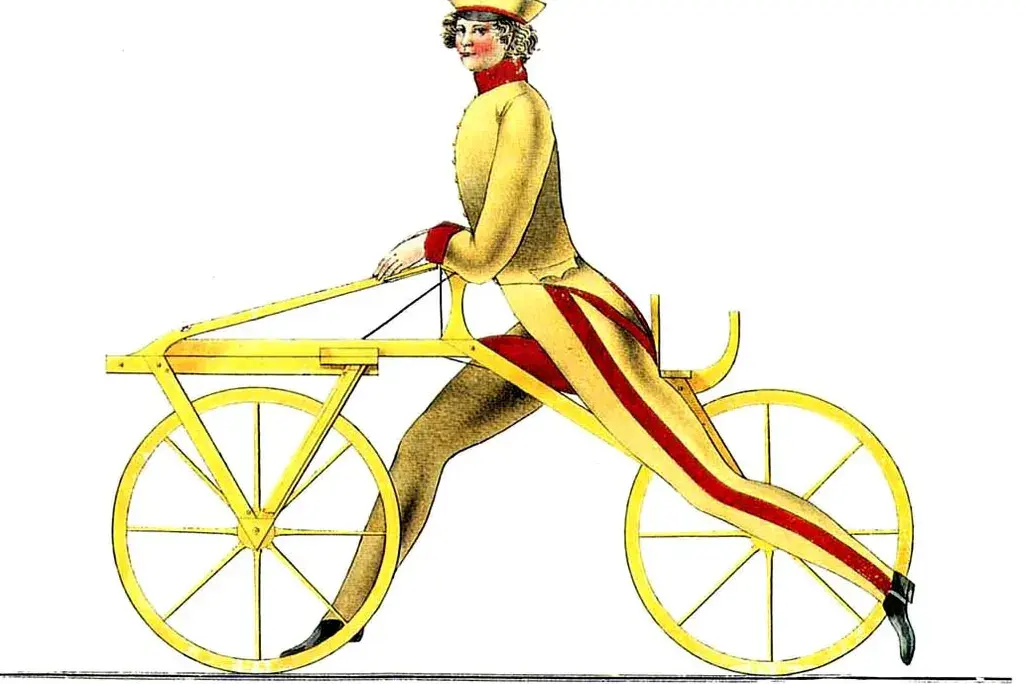
The history of the bicycle begins with the "Laufmaschine" or running machine, created by German Baron Karl von Drais in 1817. This wooden device lacked pedals and required the rider to push off the ground with their feet to gain momentum. While primitive, it established the fundamental principle of balancing on two wheels arranged in a line. Drais’s invention gained brief popularity in Europe as the "dandy horse," though it was primarily a novelty for the wealthy rather than a practical mode of transportation.
The transition to a pedal-driven machine occurred decades later in France. Around 1861, Pierre Michaux and his son Ernest are credited with attaching cranks and pedals directly to the front wheel of a dandy horse. This innovation, known as the "velocipede," allowed riders to travel without touching their feet to the ground. Despite the excitement, these early machines were nicknamed "boneshakers" because their iron tires and wooden frames provided a jarring, uncomfortable ride on the cobblestone streets of the era.
How did the bicycle evolve into the modern design?
Following the boneshaker, the industry shifted toward the "penny-farthing" or high-wheeler in the 1870s. These machines featured a massive front wheel, which allowed for greater distance per pedal rotation. However, they were notoriously dangerous; riders sat precariously high above the center of gravity, and even minor bumps could cause the rider to be thrown over the handlebars. This design flaw limited the bicycle to daring, athletic men and prevented it from becoming a mainstream tool for the general public.
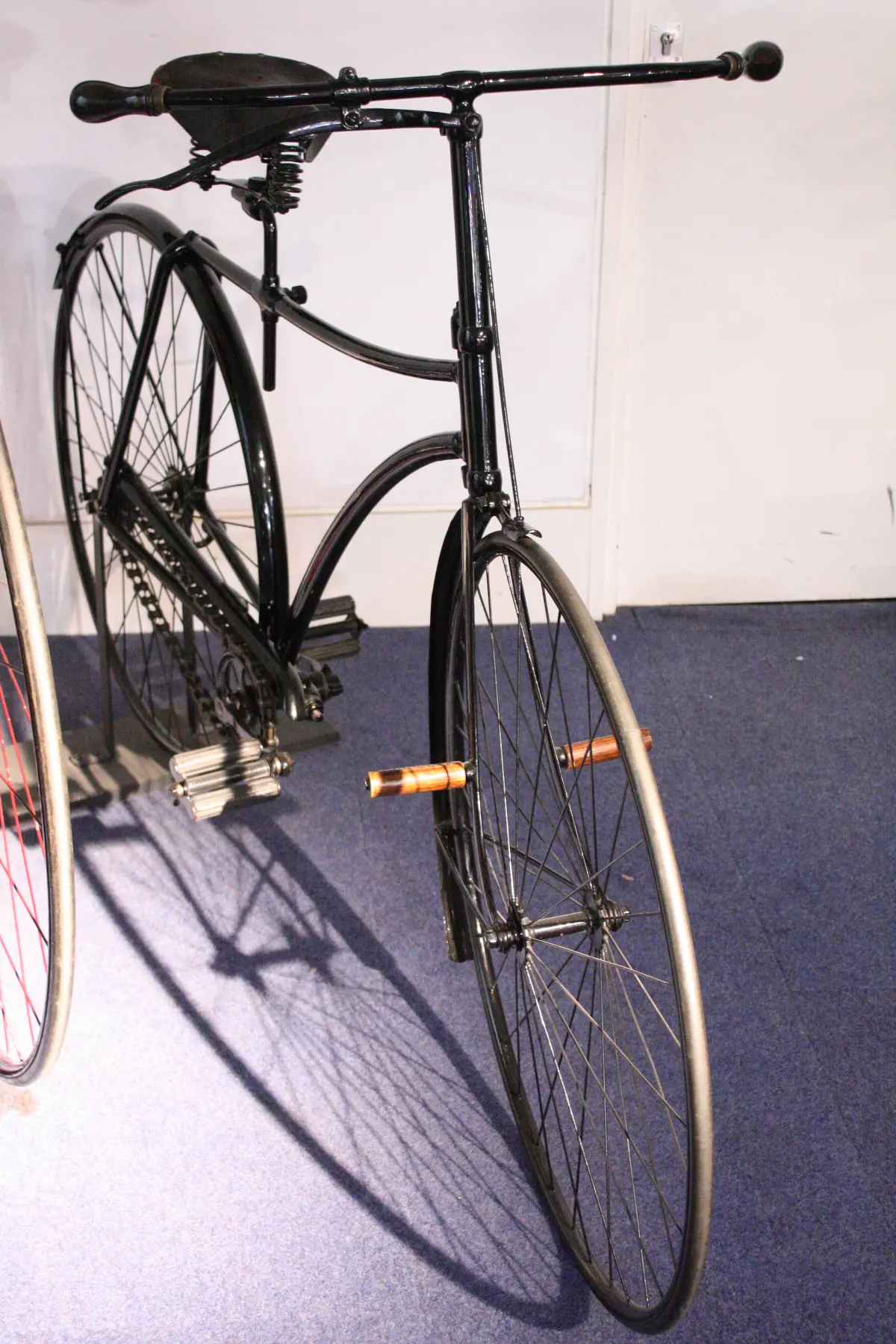
The true breakthrough came in 1885 with John Kemp Starley’s "Rover Safety Bicycle." This design introduced several features that remain standard on bicycles today, including:
- A frame of equal-sized wheels to lower the center of gravity.
- A chain drive connected to the rear wheel for efficient pedaling.
- Pneumatic rubber tires, popularized by John Boyd Dunlop, which significantly improved shock absorption.
This configuration made cycling safer, more comfortable, and accessible to women and children, triggering a global cycling boom that fundamentally changed urban mobility.
How to choose the right bicycle for your needs?
Selecting a bicycle depends entirely on the terrain you intend to navigate and your personal riding goals. Modern bicycles are highly specialized, so identifying your primary use case is the first step toward a successful purchase. Consider these common categories when shopping:
- Road bikes: Designed for speed and efficiency on paved surfaces, featuring thin tires and dropped handlebars.
- Mountain bikes: Built with wide, knobby tires and suspension systems to absorb impacts on rugged, unpaved trails.
- Hybrid bikes: A versatile middle ground that combines the upright comfort of a mountain bike with the faster, thinner wheels of a road bike.
When visiting a shop, always prioritize fit over aesthetics. A bike that is too large or too small will lead to poor handling and physical discomfort. Most shops will allow you to test ride different frames to ensure your reach to the handlebars is natural and your leg extension is correct. Never purchase a bicycle without verifying that the frame size matches your height and inseam measurements, as improper fit is the most common cause of rider fatigue and injury.
Common mistakes when learning to ride a bicycle?
Many beginners struggle because they focus too much on their feet rather than the path ahead. The most frequent error is looking down at the pedals, which disrupts your balance and prevents you from anticipating obstacles. Instead, keep your head up and your gaze fixed on where you intend to go. Your body naturally follows your eyes, so looking forward helps maintain a straight, stable line.
Another common mistake is failing to utilize the gears correctly, especially when approaching inclines. Beginners often stay in a high gear, which makes pedaling excessively difficult and exhausting. To avoid this, shift into a lower gear before you begin an ascent to keep your pedaling cadence smooth and consistent. Additionally, ensure your seat height is adjusted properly; if it is too low, your knees will ache, and if it is too high, you will struggle to stabilize the bike when stopped. Consistent practice in a flat, open area like an empty parking lot is the most effective way to build confidence.
Why is bicycle maintenance important for safety?
Regular maintenance is essential to ensure that your bicycle remains safe and reliable for every ride. Neglecting basic upkeep can lead to mechanical failures, such as snapped chains or unresponsive brakes, which are dangerous when you are in traffic. Establishing a simple pre-ride routine will help you catch minor issues before they become expensive repairs.
Follow these steps to keep your bicycle in top condition:
- Check tire pressure before every ride, as under-inflated tires are prone to punctures and make pedaling much harder.
- Clean and lubricate your chain every few weeks to prevent rust and ensure smooth shifting between gears.
- Test your brakes by squeezing the levers firmly to ensure they stop the wheels immediately without rubbing against the rims.
- Inspect the frame for any cracks or loose bolts, particularly after transporting the bike or experiencing a fall.
By performing these routine checks, you extend the lifespan of your bicycle and ensure that your experience on the road remains safe and enjoyable for many years to come.
Key facts
- Baron Karl von Drais invented the "Laufmaschine" or "running machine" in 1817, which had no pedals and was propelled by pushing feet against the ground.
- Pierre Michaux and his son Ernest are widely credited with adding pedals to the front wheel in the 1860s, creating the first true velocipede.
- The "Penny Farthing," characterized by its massive front wheel, became popular in the 1870s but was notoriously dangerous due to the high center of gravity.
- John Kemp Starley introduced the "Safety Bicycle" in 1885, featuring chain-driven rear wheels and equal-sized tires, which remains the standard design today.
- When learning to ride, keep your gaze forward rather than looking down at the front wheel to maintain better balance.
- A common mistake for beginners is riding with tires under-inflated, which increases rolling resistance and makes the bike significantly harder to pedal.
The bottom line
The bicycle was not the invention of a single person but rather a gradual evolution of mechanical engineering spanning nearly a century. From Drais’s wooden walking machine to Starley’s chain-driven safety bicycle, each iteration solved a specific limitation of its predecessor. Today’s bicycles represent the culmination of these refinements, offering a highly efficient, sustainable, and accessible mode of transportation that remains largely unchanged in its core design.
People also ask
Why did the Penny Farthing have such a large front wheel?
Because the pedals were attached directly to the front axle, a larger wheel allowed the rider to travel a greater distance with each rotation of the pedals. This design increased speed but made mounting and dismounting hazardous.
When were pneumatic tires first added to bicycles?
John Boyd Dunlop developed the first practical pneumatic, or air-filled, tire in 1888. This innovation drastically improved rider comfort by absorbing road vibrations that solid rubber tires could not.
What is the difference between a velocipede and a bicycle?
The term velocipede is a broad category that includes early pedal-driven machines, including tricycles and unicycles. The term bicycle specifically refers to a two-wheeled vehicle steered by a handlebar.
Did women play a role in the evolution of the bicycle?
Yes, the bicycle was a catalyst for the women’s suffrage movement in the late 19th century. It provided women with newfound mobility and prompted changes in fashion, such as the abandonment of restrictive corsets and heavy skirts.
Why are modern bicycle frames usually made of aluminum or carbon fiber?
Manufacturers use these materials because they offer a superior strength-to-weight ratio compared to traditional steel. Lighter frames allow for more efficient pedaling and easier handling, especially when climbing hills.
How often should I perform maintenance on my bicycle?
You should check your tire pressure before every ride and lubricate the chain at least once a month. Annual professional tune-ups are recommended to ensure the braking and shifting systems remain safe and responsive.
This answer was created with the help of AI research tools and reference sources. Spotted an error? Let us know — we correct mistakes quickly. See our editorial policy.