Who was Jane Austen?
Short answer
Jane Austen was an 18th-century English novelist celebrated for her sharp social commentary, irony, and mastery of the novel of manners. Her works, including Pride and Prejudice and Emma, explore the lives of the landed gentry with wit and psychological depth, remaining foundational texts in English literature two centuries after her death.
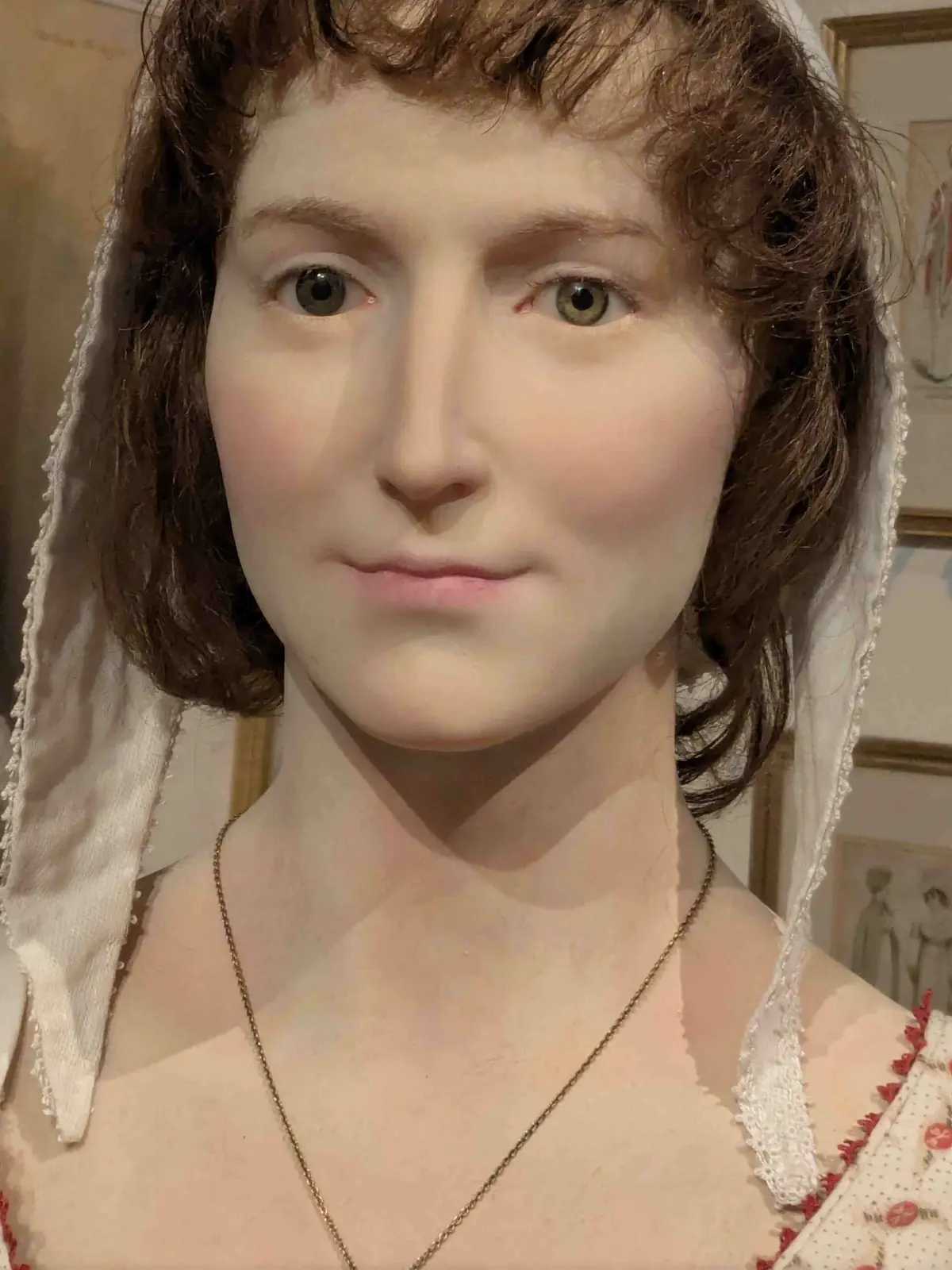
On this page
Who was Jane Austen in history?
Jane Austen was born on December 16, 1775, in Steventon, Hampshire, to a clergyman and his wife. She was the seventh of eight children and grew up in a close-knit, intellectual family that encouraged her early interest in writing. Austen spent most of her life in the English countryside, observing the social dynamics of her peers, which became the primary inspiration for her fiction.
Despite her immense posthumous fame, Austen lived a relatively quiet life and never married. She published her four major novels—Sense and Sensibility, Pride and Prejudice, Mansfield Park, and Emma—anonymously during her lifetime, crediting them only as being written "by a Lady." She died on July 18, 1817, at the age of 41 in Winchester, likely due to Addison’s disease. Her reputation as a literary giant grew steadily throughout the 19th century, eventually establishing her as one of the most influential writers in the English language.
Which Jane Austen books should I read first?
For readers new to Austen, choosing the right starting point is essential to appreciating her style. While all her novels share her signature wit, they vary in tone and complexity. Many scholars suggest starting with Pride and Prejudice because of its accessible plot, iconic characters like Elizabeth Bennet and Mr. Darcy, and its balanced exploration of romance and social expectation.
If you are looking for a place to begin, consider this recommended reading order:
- Pride and Prejudice: The most famous introduction to her sharp dialogue and romantic themes.
- Sense and Sensibility: A compelling look at the contrast between emotional impulsivity and practical restraint.
- Northanger Abbey: A shorter, satirical work that parodies the gothic novels popular in her era.
- Emma: A more complex, character-driven story that showcases her mastery of irony and perspective.
- Persuasion: Her final completed novel, noted for its maturity and poignant reflection on lost love.
Why is Jane Austen still popular today?
Austen’s enduring popularity stems from her uncanny ability to capture universal human experiences. She focused on themes that remain relevant, such as the tension between individual desire and social duty, the importance of financial security, and the complexities of finding a compatible partner. Her characters are not static archetypes; they possess flaws, growth, and internal lives that feel remarkably modern to contemporary readers.
Beyond her themes, Austen’s technical skill is a major factor in her longevity. She perfected the technique of free indirect discourse, a narrative style that blends a third-person narrator's voice with the inner thoughts of a character. This allows readers to feel deeply connected to her protagonists while maintaining a critical, ironic distance from their social environments. Her prose is precise, rhythmic, and consistently funny, ensuring that her stories remain entertaining regardless of the era in which they are read.
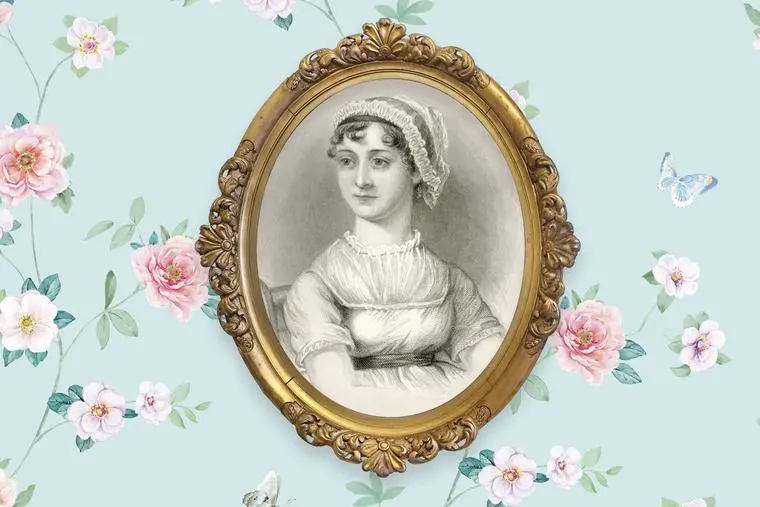
Common mistakes when reading Jane Austen
One frequent error readers make is assuming that Austen’s novels are merely lighthearted romances. While they often end in marriage, they are fundamentally critiques of the rigid class structures and economic pressures facing women in the early 19th century. Failing to recognize the irony or the social satire can lead to missing the deeper, often biting commentary she directs toward the hypocrisy of the gentry.
Another mistake is misinterpreting the historical context of her settings. To get the most out of her work, keep these tips in mind:
- Research the concept of the "entailment," which dictated that property often passed only to male heirs, leaving women financially vulnerable.
- Remember that "polite society" was governed by strict codes of conduct; a slight breach in etiquette could have serious social consequences.
- Do not rush the dialogue, as much of the character development and plot progression happens through subtle verbal exchanges rather than grand action sequences.
- Consider the role of the "accomplished woman," a term Austen frequently uses to highlight the performative expectations placed on women of her time.
How to study Jane Austen's writing style
Studying Austen’s craft involves looking closely at her use of language and structure. She was a master of the "novel of manners," a genre that examines the customs, values, and social behaviors of a specific group. To analyze her style, focus on how she uses dialogue to reveal character traits, such as Mr. Collins’s sycophancy or Mr. Woodhouse’s hypochondria.
If you want to deepen your understanding of her literary techniques, try these steps:
- Compare the opening lines of her novels to see how she sets the tone and introduces her central themes immediately.
- Map the social networks in a specific book to see how Austen uses minor characters to highlight the flaws of the protagonist.
- Read her letters, which were published after her death, to see how her real-life voice compares to the narrative voices in her fiction.
- Analyze the physical settings of her stories to understand how geography and estate size symbolize the status and moral character of the people who inhabit them.
Key facts
- Jane Austen was born on December 16, 1775, in Steventon, Hampshire, England.
- She published six major novels: Sense and Sensibility, Pride and Prejudice, Mansfield Park, Emma, Northanger Abbey, and Persuasion.
- Most of her works were published anonymously during her lifetime, credited only as "By a Lady."
- She died on July 18, 1817, at the age of 41, likely due to Addison’s disease.
- Her writing is celebrated for its sharp social commentary, irony, and focus on the domestic lives of the 19th-century landed gentry.
- To appreciate her work, read her novels in order of publication to observe the evolution of her satirical style and character development.
The bottom line
Jane Austen remains one of the most influential figures in English literature, renowned for her keen observations of human nature and social hierarchy. By focusing on the intimate lives of the gentry, she transformed the novel into a sophisticated tool for social critique. Her legacy endures through her timeless wit, memorable characters, and her profound impact on the development of the modern English novel.
People also ask
Did Jane Austen ever marry?
No, Austen never married. While she received a proposal from a wealthy landowner named Harris Bigg-Wither, she famously retracted her acceptance the following morning, choosing to remain single.
Why are her novels still popular today?
Her stories remain relevant because they explore universal themes like love, social status, and human folly. Her witty dialogue and complex female protagonists continue to resonate with modern readers and filmmakers.
How did she write her books?
Austen wrote in common areas of her home, often using small, portable writing desks. She frequently hid her manuscripts under blotting paper whenever someone entered the room to maintain her privacy.
What was the significance of the "marriage market" in her books?
In the early 1800s, marriage was the primary way for women to secure financial stability and social standing. Austen used this reality to drive the plots of her novels, highlighting the tension between marrying for love versus security.
Was Jane Austen famous during her lifetime?
She achieved modest success and positive critical reviews while alive, but she was not a household name. Her true literary fame and status as a classic author grew significantly decades after her death.
What is the most common mistake when reading Austen?
Many readers mistakenly assume her books are simple romances. In reality, they are biting social satires that critique the rigid class structures and economic pressures of Regency-era England.
This answer was created with the help of AI research tools and reference sources. Spotted an error? Let us know — we correct mistakes quickly. See our editorial policy.