What is the difference between a virus and bacteria?
Short answer
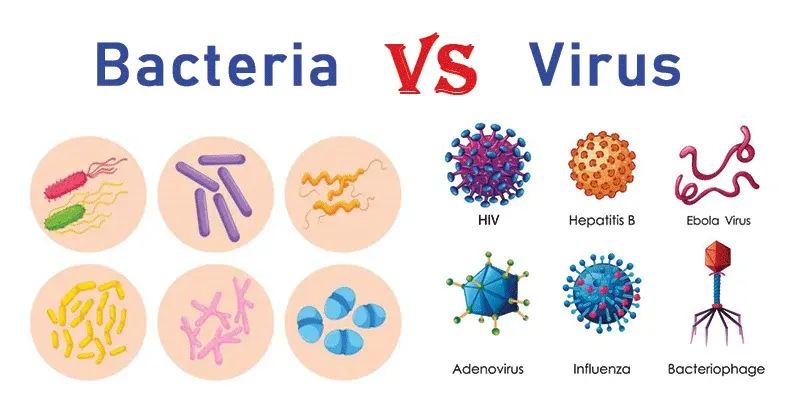
Bacteria are complex, single-celled living organisms that can survive on their own in diverse environments. Viruses are much smaller, non-living infectious agents that require a host cell to replicate. While bacteria can be treated with antibiotics, viruses cannot, as they lack the cellular machinery that those medications are designed to target.
On this page
What are the fundamental differences between bacteria and viruses?
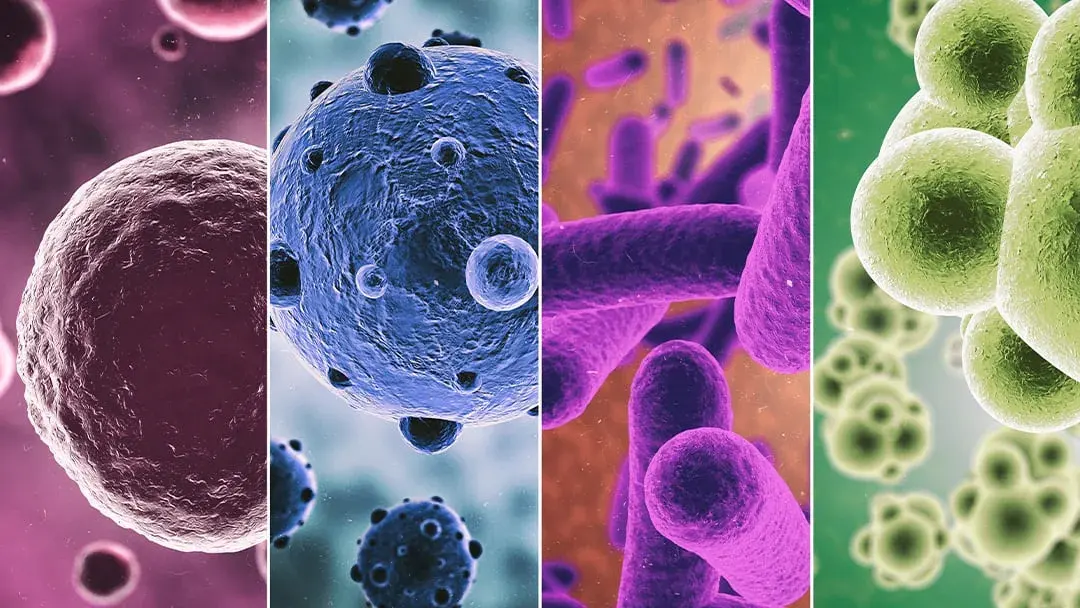
Bacteria are microscopic, single-celled organisms that thrive in various environments, including soil, water, and the human body. Most bacteria are harmless or even beneficial, such as those that aid digestion in the human gut. They possess a complex internal structure, including a cell wall, ribosomes, and DNA, which allows them to reproduce independently through a process called binary fission. Because they are complete biological units, they can survive in extreme conditions like volcanic vents or deep-sea trenches.
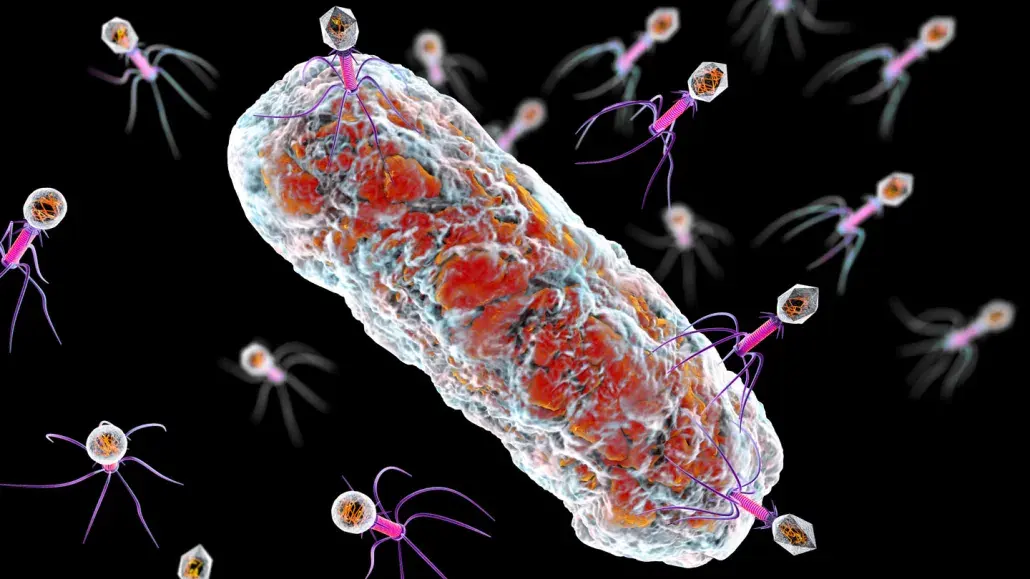
Viruses, in contrast, are significantly smaller and are not considered living organisms because they cannot reproduce or perform metabolic functions outside of a host. A virus consists merely of genetic material—either DNA or RNA—encased in a protein shell called a capsid. To multiply, a virus must hijack a living cell, forcing it to produce copies of the viral genetic code. This process often destroys the host cell in the process, which is why viral infections frequently cause illness.
How do treatments for bacteria and viruses differ?
The most critical distinction for medical treatment is the use of antibiotics. Antibiotics are substances specifically designed to kill bacteria or inhibit their growth by targeting unique bacterial structures, such as the cell wall or specific protein-building mechanisms. Because viruses lack these structures, antibiotics are completely ineffective against them. Taking antibiotics for a viral infection, such as the common cold or influenza, does nothing to resolve the illness and contributes to the global problem of antibiotic resistance.
Treating viral infections requires different strategies, such as the use of antiviral medications or vaccines. Antivirals work by interfering with the virus's ability to enter a host cell or replicate its genetic material. Vaccines, however, are the most effective tool for preventing viral diseases. They train the immune system to recognize and neutralize specific viruses before they can establish an infection. Common medical approaches include:
- Antibiotics for bacterial infections like strep throat or urinary tract infections.
- Vaccines for viral diseases like measles, polio, and COVID-19.
- Antiviral drugs for chronic conditions like HIV or acute illnesses like influenza.
- Supportive care, such as hydration and rest, for self-limiting viral infections.
How do infections spread and affect the body?
Bacterial infections occur when harmful bacteria enter the body, multiply, and release toxins that damage tissues. Common bacterial diseases include tuberculosis, cholera, and bacterial pneumonia. These infections are often localized, meaning they affect a specific part of the body, though they can become systemic if left untreated. Transmission occurs through various routes, including contaminated water, food, or direct contact with infected surfaces or individuals.
Viral infections are typically more systemic because viruses can travel through the bloodstream to reach various organs. Once inside, they invade specific cell types that have receptors matching their surface proteins. For example, the rhinovirus targets cells in the upper respiratory tract, while hepatitis viruses specifically target liver cells. Because viruses rely on the host's cellular machinery, the immune system must identify and destroy infected cells to stop the spread. This immune response is often what causes the fever, inflammation, and body aches associated with viral illnesses.
Common mistakes when managing infections
One of the most frequent errors people make is assuming that any fever or illness requires a prescription. Many individuals pressure healthcare providers for antibiotics when they have a viral cold, which is medically inappropriate. Another common mistake is failing to complete a full course of prescribed antibiotics. If a patient feels better after two days and stops the medication, the surviving bacteria may develop mutations that make them resistant to future treatment.
When managing symptoms at home, avoid these common pitfalls:
- Using leftover antibiotics from a previous illness, which may be the wrong type or dosage.
- Ignoring hygiene practices like handwashing, which prevents the spread of both bacteria and viruses.
- Assuming natural supplements can replace evidence-based medical treatments for severe bacterial infections.
- Neglecting to stay isolated when symptomatic, allowing the pathogen to spread to others.
How to identify symptoms and seek proper care
Distinguishing between bacterial and viral symptoms can be difficult, as both often cause inflammation and fatigue. However, bacterial infections often present with localized symptoms, such as a pus-filled wound, a high fever that persists, or a specific cough that produces thick, discolored mucus. Viral infections are more likely to cause generalized symptoms, such as a runny nose, sneezing, body aches, and a low-grade fever that resolves within a week or two.
If you are unsure about the cause of your illness, observe the duration and severity of your symptoms. A viral infection usually peaks and subsides on its own, while a bacterial infection may worsen over time or fail to improve. Always consult a healthcare professional for an accurate diagnosis, especially if you experience difficulty breathing, a high fever that does not respond to over-the-counter medication, or symptoms that persist for more than ten days. Proper medical evaluation ensures you receive the correct treatment and prevents the unnecessary use of antibiotics.
Key facts
- Bacteria are single-celled living organisms that can survive on their own in diverse environments.
- Viruses are much smaller than bacteria and require a living host cell to replicate.
- Antibiotics are effective only against bacterial infections and have no impact on viruses.
- Most bacteria are harmless or beneficial, such as those aiding digestion in the human gut.
- Viral infections are often prevented or managed through vaccinations and antiviral medications.
- Always finish a full course of prescribed antibiotics to prevent bacteria from developing resistance.
The bottom line
The fundamental difference lies in their biological nature: bacteria are complex, independent living cells, while viruses are simple genetic material that must hijack host cells to reproduce. Distinguishing between them is vital because their treatments are polar opposites. Relying on antibiotics for viral illnesses is a common mistake that fuels drug resistance, so always consult a medical professional to ensure you receive the appropriate care for your specific infection.
People also ask
Can you catch a virus from a surface?
Yes, many viruses can survive on surfaces like doorknobs or countertops for hours or even days. Touching a contaminated surface and then touching your face is a primary way these pathogens enter the body.
How do doctors distinguish between bacterial and viral infections?
Doctors often use physical exams, symptoms, and diagnostic tests like throat swabs or blood work to identify the cause. Because symptoms like fever and cough overlap, these tests are necessary to determine the correct treatment path.
Why do doctors sometimes refuse to prescribe antibiotics for a cold?
The common cold is caused by a virus, and antibiotics are strictly designed to kill bacteria. Taking antibiotics for a viral illness is ineffective and contributes to the global problem of antibiotic-resistant bacteria.
Are all bacteria bad for human health?
No, the human body hosts trillions of "good" bacteria, particularly in the digestive tract. These microbes help break down food, produce essential vitamins, and protect against harmful invading pathogens.
What is the difference between a vaccine and an antibiotic?
A vaccine trains your immune system to recognize and fight specific viruses or bacteria before you get sick. An antibiotic is a medication used to treat an active bacterial infection by killing the bacteria or stopping them from multiplying.
Is it possible to have a bacterial and viral infection at the same time?
Yes, it is possible to have a secondary bacterial infection after a primary viral infection. For example, a virus may weaken the immune system, making it easier for bacteria to infect the lungs or sinuses.
This answer was created with the help of AI research tools and reference sources. Spotted an error? Let us know — we correct mistakes quickly. See our editorial policy.