What is the difference between anime and manga?
Short answer
Manga refers to Japanese comic books or graphic novels, typically printed in black and white. Anime refers to Japanese animated productions, which are often adapted from manga series. While both share distinct artistic styles and storytelling tropes, manga is a static print medium, whereas anime is a dynamic, audio-visual medium.
On this page
What is the fundamental difference between anime and manga?
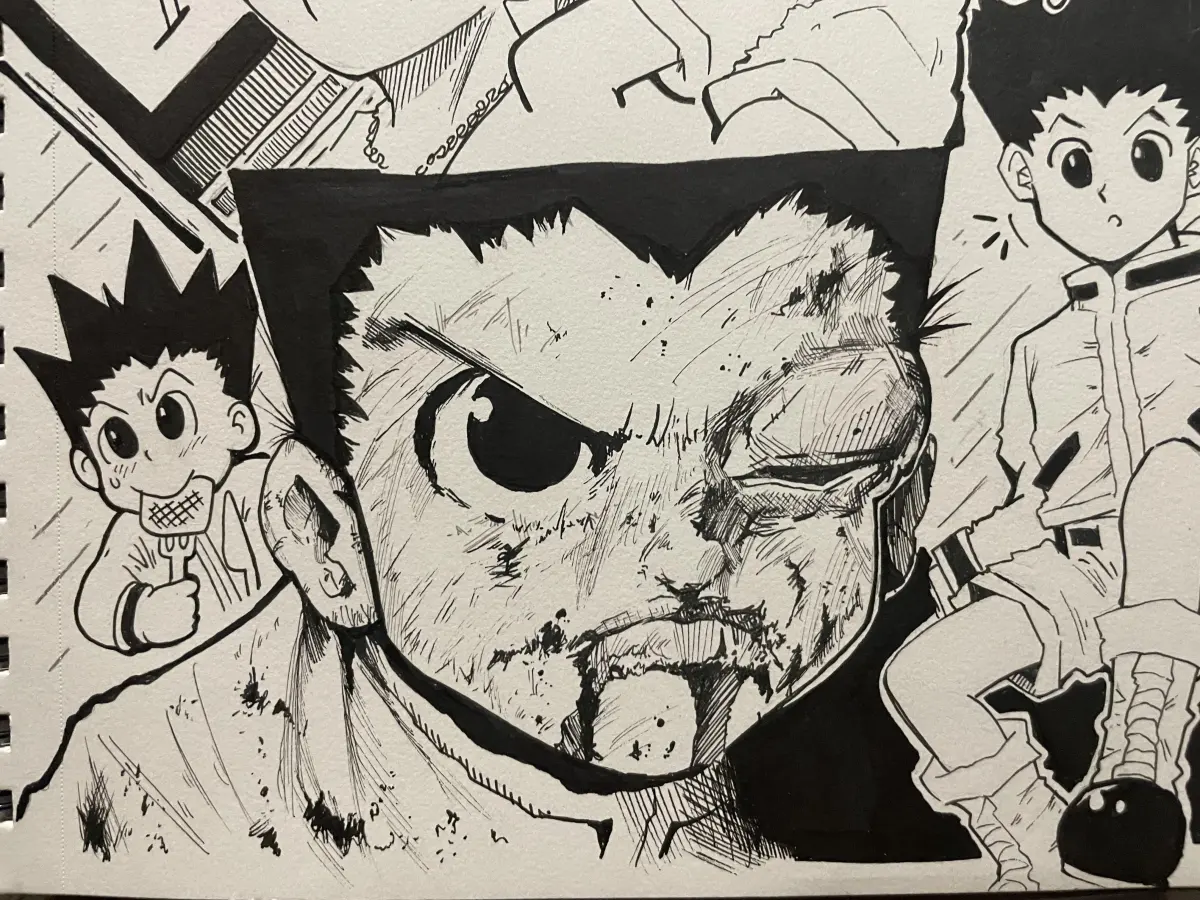
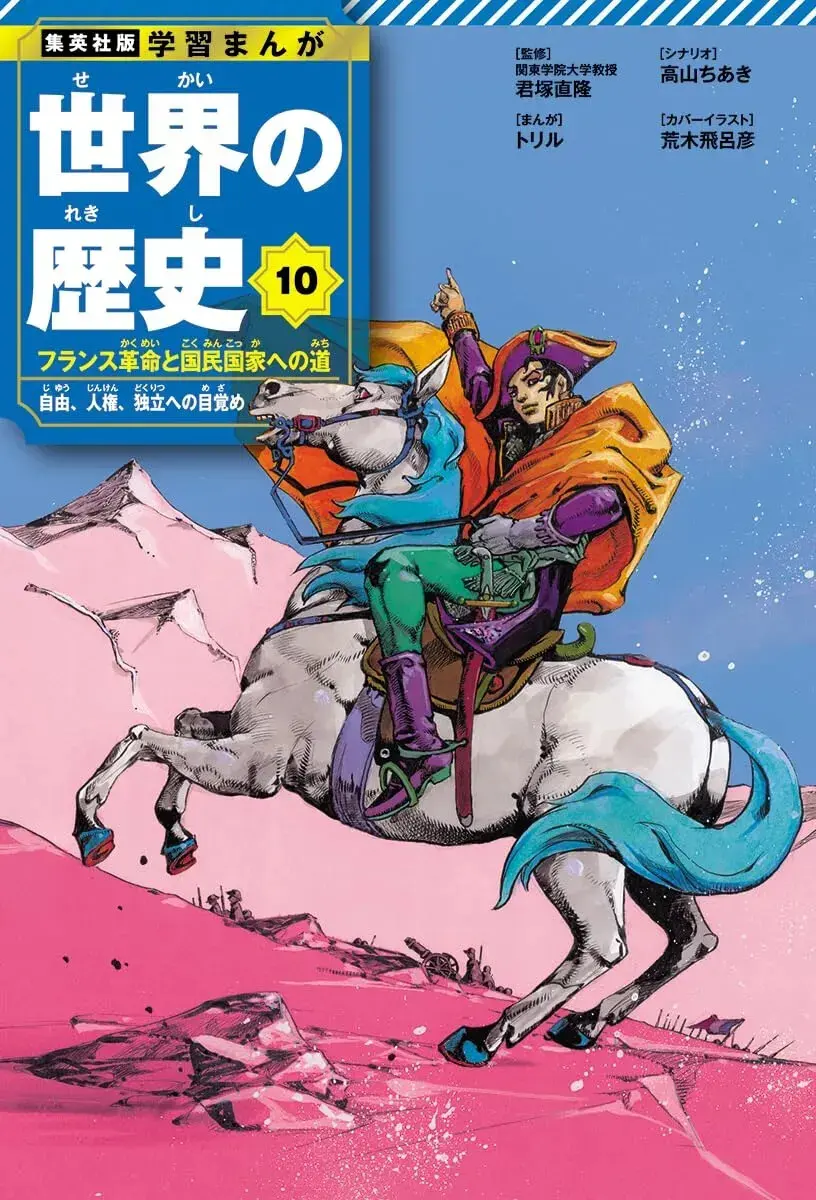
The primary distinction lies in the medium of delivery. Manga is a print medium consisting of hand-drawn illustrations organized into panels. It is traditionally read from right to left, following the Japanese writing system. Because manga is produced as a serial or a standalone book, it relies entirely on the reader’s imagination to interpret pacing, sound effects, and character movement through static imagery.
Anime, conversely, is the animated counterpart. It encompasses television series, films, and original video animations that utilize motion, voice acting, and musical scores to convey a narrative. While many anime series are direct adaptations of popular manga, the two mediums are distinct industries. An anime production requires a massive team of animators, directors, and sound engineers, whereas a manga series can be created by a single author, known as a mangaka, and a small team of assistants.
How are manga and anime produced?
The production processes for these mediums are vastly different in scale and technical requirement. Manga creation is a solitary or small-group effort focused on ink-on-paper artistry. A mangaka typically works under strict deadlines to produce weekly or monthly chapters. The focus is on framing, line work, and screen tones to create depth and texture without the use of color, except for occasional promotional pages.
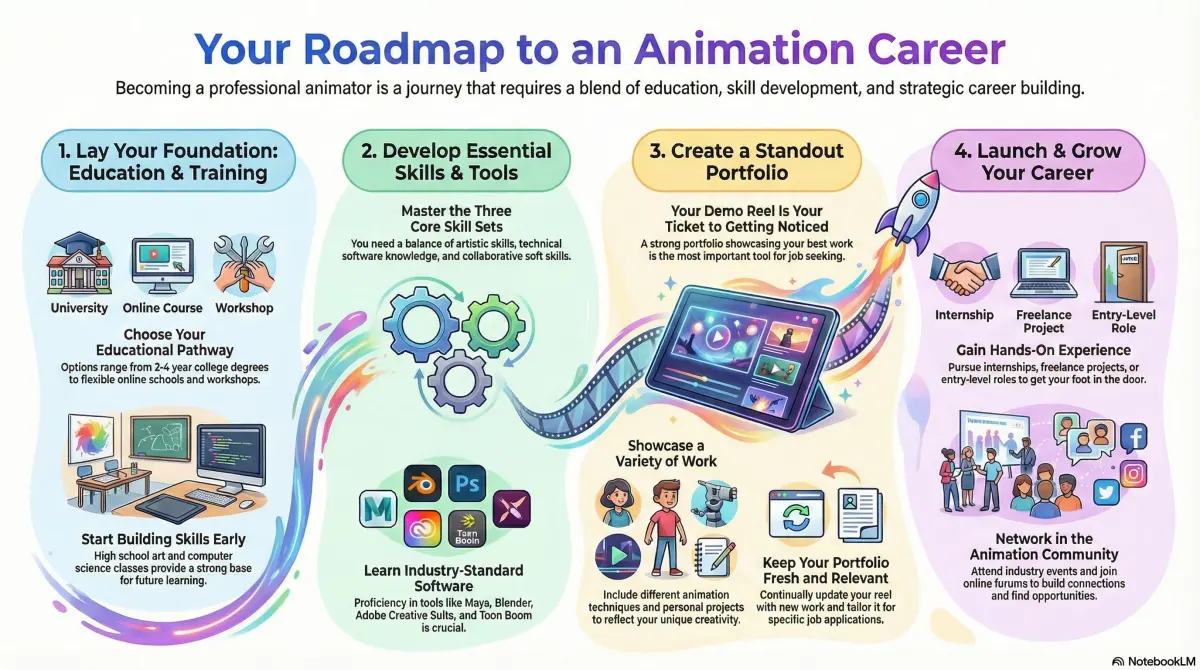
Anime production follows a complex pipeline involving hundreds of professionals. The process typically includes several distinct stages:
- Pre-production: Scriptwriting, character design, and storyboarding.
- Production: Key animation, in-betweening, and background painting.
- Post-production: Voice acting (seiyuu), sound effects, and musical composition.
- Final assembly: Compositing all layers into a finished film or episode.
This collaborative environment allows anime to utilize color, lighting effects, and cinematic camera movements that are impossible to replicate in the static, monochromatic pages of a traditional manga volume.
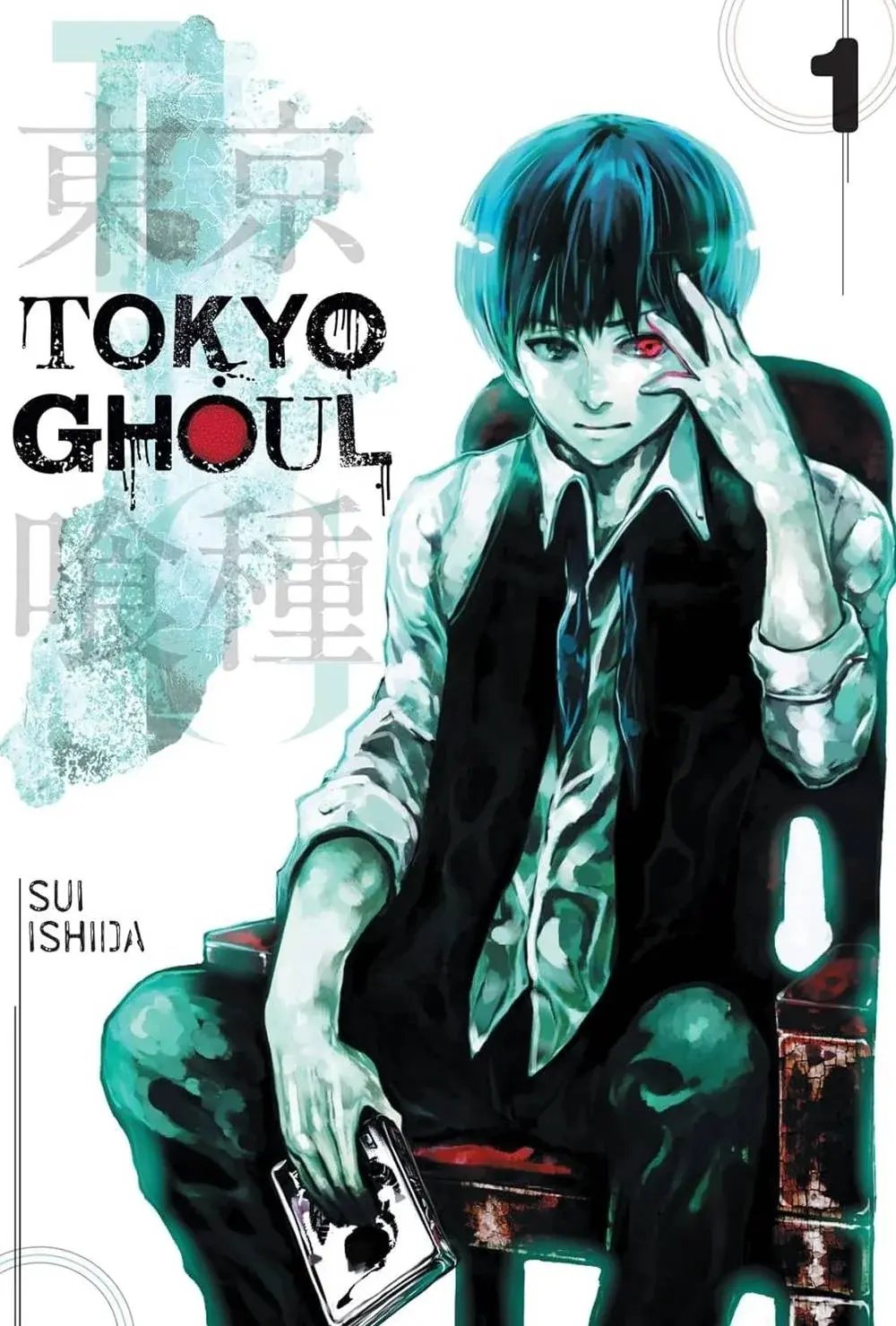
Where to start for beginners
If you are new to these mediums, the best approach is to identify a genre you enjoy, such as fantasy, mystery, or slice-of-life. Many people find it easier to start with a popular anime series to get a feel for the visual style and storytelling conventions. Once you become invested in a specific story, you can seek out the original manga to experience the creator's vision in its purest, most detailed form.
- Research popular titles in your preferred genre on reputable databases.
- Watch the first three episodes of an anime to gauge your interest.
- If you enjoy the plot, purchase the first volume of the manga to compare the pacing.
- Explore different demographics, such as shonen (targeted at young males) or shojo (targeted at young females), to find stories that resonate with your specific interests.
Starting with critically acclaimed works like Fullmetal Alchemist or Naruto provides a balanced introduction to both the animation quality and the narrative depth found in these Japanese art forms.
Why do anime and manga share similar styles?
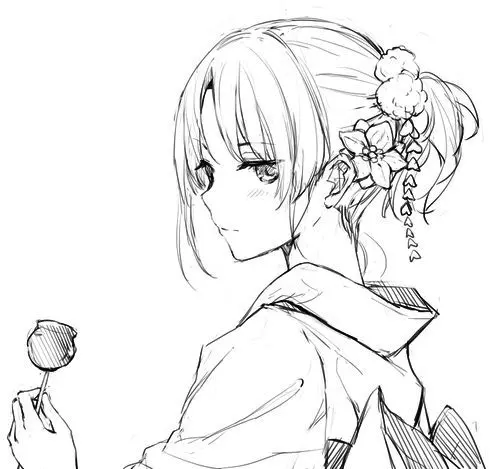
The visual overlap between anime and manga is largely due to the influence of Osamu Tezuka, often called the "God of Manga." Following World War II, Tezuka pioneered the iconic aesthetic characterized by large, expressive eyes, simplified facial features, and dynamic action lines. This style was designed to make characters more emotionally resonant and to emphasize movement, which translated seamlessly from the page to the screen.
These stylistic choices have become a universal visual shorthand in Japanese media. By using exaggerated facial expressions, creators can convey complex emotions quickly, allowing for rapid-fire storytelling. Even as animation technology has advanced, the industry has largely maintained these core aesthetic principles. This consistency creates a cohesive brand identity, making it easy for audiences to recognize a work as Japanese in origin, regardless of whether it is a printed book or a high-budget animated feature.
Common mistakes when exploring these mediums
A frequent error for newcomers is assuming that all anime and manga are intended for children. In reality, these mediums cover every conceivable genre, including mature thrillers, historical dramas, and complex psychological horror. Another mistake is ignoring the importance of the creator; fans often follow specific mangaka because their unique artistic voice and narrative style remain consistent across different projects.
Avoiding these pitfalls will improve your experience:
- Do not judge a genre by a single popular title; explore diverse sub-genres.
- Avoid watching only long-running series, as they can be overwhelming for beginners.
- Do not overlook the role of the studio; high-quality animation is often tied to the reputation of the studio producing the anime.
- Be mindful of translation quality, as official localizations often provide a better reading or viewing experience than unauthorized fan-made translations.
By understanding these nuances, you can navigate the vast landscape of Japanese entertainment with confidence and depth.
Key facts
- Manga refers specifically to Japanese printed comics or graphic novels, while anime refers to Japanese animated productions.
- Manga is traditionally read from right to left, following the Japanese writing system, and is usually printed in black and white.
- Anime often adapts popular manga series into television shows or films, though some anime are original works not based on existing manga.
- The term "manga" dates back to the late 18th century, while the first commercial Japanese animation appeared in 1917.
- A common mistake is assuming all anime is for children; many genres, such as seinen, are specifically targeted at adult men.
- To start reading manga, look for "tankobon" volumes, which are collected editions of chapters previously serialized in magazines.
The bottom line
The fundamental difference between anime and manga lies in their medium: manga is the printed comic book form, while anime is the animated screen adaptation. While they share a common cultural heritage and often overlap in storytelling, they require different consumption methods. Understanding these distinctions helps fans better navigate the vast landscape of Japanese entertainment, ensuring they find the right content for their preferred viewing or reading style.
People also ask
Are all anime based on manga?
No, while many popular series like One Piece are manga adaptations, others are based on light novels, video games, or are completely original scripts. Original anime works are often referred to as "anime-original" projects.
Why are manga usually printed in black and white?
Black and white printing is a cost-effective tradition that allows artists to produce weekly or monthly chapters quickly. It also highlights the intricate ink work and line art characteristic of the medium.
What is the difference between anime and Western cartoons?
Anime is defined by its Japanese origin and often features distinct artistic conventions like exaggerated facial expressions and cinematic camera angles. Western cartoons typically follow different production pipelines and visual storytelling traditions.
Can I learn Japanese by watching anime?
While anime can help with listening comprehension and vocabulary, it is not a substitute for formal study. Characters often use slang or informal speech patterns that are inappropriate for real-world professional or social settings.
What are the main demographic categories for manga?
Manga is categorized by target audience: shonen for young boys, shojo for young girls, seinen for adult men, and josei for adult women. These labels help readers find content suited to their age and interests.
How do I distinguish between a manga and a comic book?
The primary difference is the cultural origin; manga is produced in Japan and follows specific Japanese narrative styles and reading directions. Western comic books are typically produced in the United States or Europe and are read from left to right.
This answer was created with the help of AI research tools and reference sources. Spotted an error? Let us know — we correct mistakes quickly. See our editorial policy.