What is Osamu Tezuka known for?
Short answer
Osamu Tezuka is widely celebrated as the "God of Manga" for revolutionizing Japanese comics and animation. He introduced cinematic storytelling techniques, complex character development, and diverse genres to the medium. His prolific career spanned over 700 manga series, including iconic works like Astro Boy, Black Jack, and Phoenix, shaping modern global pop culture.
On this page
Why is Osamu Tezuka called the God of Manga?
Tezuka earned this title by fundamentally transforming the visual language of manga after World War II. Before his influence, comics were largely static and focused on simple gag humor. Tezuka drew inspiration from early Disney films and German expressionist cinema, incorporating dynamic camera angles, motion lines, and cinematic pacing. He moved away from rigid panel structures, allowing the narrative to dictate the flow of the artwork.
His output was staggering, producing an estimated 150,000 pages of manga throughout his lifetime. He pioneered the "story manga" format, which prioritized long-form, dramatic narratives over episodic strips. By introducing psychological depth and moral ambiguity to his characters, he elevated the medium from children’s entertainment to a sophisticated art form capable of exploring serious themes like war, human nature, and medical ethics.
- Developed the cinematic "widescreen" panel layout.
- Introduced the concept of the "star system," where characters act like actors across different series.
- Established the standard for long-form, multi-volume storytelling.
What are Osamu Tezuka’s most famous works?
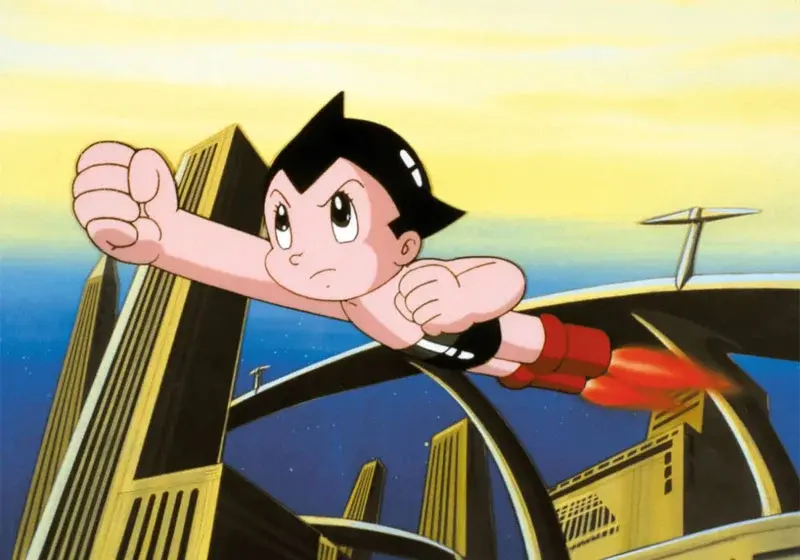
Tezuka’s bibliography is vast, but several titles stand out for their cultural impact and enduring popularity. Astro Boy (Tetsuwan Atom), which debuted in 1952, became a global phenomenon and the first successful Japanese animated television series. It explored the relationship between humans and technology, a theme that remains central to science fiction today.
Black Jack, a medical drama about a brilliant but unlicensed surgeon, showcased his ability to blend gritty realism with humanistic philosophy. Phoenix (Hi no Tori) is often considered his magnum opus, an ambitious, unfinished epic spanning the entirety of human history and the future. Other notable contributions include:
- Kimba the White Lion: A foundational work for children’s adventure stories.
- Princess Knight: One of the first manga series to feature a complex female protagonist and gender-bending themes.
- Buddha: A sprawling, humanized retelling of the life of Siddhartha Gautama.
How did Osamu Tezuka influence modern anime?
Tezuka founded Mushi Production, the studio that brought his manga to life on the screen. He pioneered techniques to make animation affordable and efficient, such as limited animation, which uses fewer frames per second while maintaining visual impact. These methods became the industry standard for Japanese television animation, allowing for a high volume of content production that defined the "anime look."
His influence extends far beyond technical production. By creating high-quality, character-driven television shows, he proved that animation could be a viable medium for adult storytelling. He mentored a generation of artists who would later go on to create their own legendary series, effectively building the infrastructure for the multi-billion dollar anime industry that exists today.
- Established the first major independent animation studio in Japan.
- Standardized the use of "limited animation" to lower production costs.
- Created the template for the "hero's journey" in Japanese science fiction.
Common mistakes when studying Tezuka's legacy
One common error is assuming that Tezuka’s style was static. In reality, his artistic approach evolved significantly over four decades, shifting from the rounded, cartoonish designs of his early work to the darker, more experimental aesthetics of his later years. Readers should avoid judging his entire body of work based solely on the simplistic designs of his earliest children’s manga.
Another mistake is overlooking his professional background. Tezuka was a licensed medical doctor, a fact that deeply informed the scientific accuracy and ethical questioning found in series like Black Jack. Failing to recognize this intellectual foundation leads to an incomplete understanding of why his stories resonated so deeply with readers. He was not just a cartoonist; he was a polymath who used his platform to comment on philosophy, politics, and the future of humanity.
How to start reading Osamu Tezuka’s manga
For beginners, the best way to approach his work is to select a genre that matches your interests. If you enjoy science fiction, Astro Boy is the essential starting point to understand the roots of the genre. If you prefer grounded drama or character studies, Black Jack offers a more mature, episodic experience that is easy to digest in smaller segments.
When reading his longer works, it is helpful to keep a notebook to track the "star system" characters who appear in different roles. Do not feel obligated to read his works in chronological order; instead, explore titles based on thematic interest. Because his work is so extensive, many readers find it helpful to focus on one "masterpiece" series at a time to fully appreciate the depth of his world-building and narrative complexity.
Key facts
- Osamu Tezuka is widely recognized as the "God of Manga" for revolutionizing Japanese storytelling and visual style.
- He created Astro Boy (Tetsuwan Atom), which debuted in 1952 and became Japan's first popular animated television series.
- Tezuka introduced cinematic techniques to manga, such as varied camera angles and dynamic action sequences, inspired by Walt Disney.
- His career spanned over 40 years, during which he produced an estimated 150,000 pages of original manga.
- He founded Mushi Production in 1961, a studio that pioneered cost-effective animation methods used throughout the industry.
- To study his work effectively, read Phoenix, his magnum opus, to see how he blended historical drama with philosophical science fiction.
The bottom line
Osamu Tezuka remains the most influential figure in the history of Japanese comics and animation. By blending cinematic pacing with deep philosophical inquiry, he transformed manga from simple entertainment into a sophisticated art form. His legacy persists through the countless artists he inspired and the enduring popularity of his characters, which continue to define the visual language and narrative structure of modern global pop culture.
People also ask
Did Osamu Tezuka only create children's comics?
No, while he is famous for children's classics like Astro Boy, he also wrote mature, complex works for adults. Titles like MW and Ode to Kirihito explore dark themes of corruption, medical ethics, and social injustice.
How did Tezuka influence modern anime?
He established the "limited animation" style, which uses fewer frames per second to make television production affordable. This technique remains the standard for the vast majority of Japanese animation produced today.
What was Tezuka's profession before he became a full-time artist?
Tezuka was a trained medical doctor who earned his degree from Osaka Imperial University in 1951. He often incorporated medical themes and biological accuracy into his storytelling, particularly in the series Black Jack.
What is the significance of the "big eyes" style in manga?
Tezuka popularized the large-eye character design to better convey human emotion and expressions. This aesthetic choice became a defining visual trope of the entire manga and anime medium.
Are there English translations of his work available?
Yes, major publishers like Vertical and Dark Horse have translated a vast majority of his catalog. You can find his works in most major bookstores or public libraries under the graphic novel section.
What is the best way to start reading Tezuka's massive bibliography?
Start with Black Jack for episodic, self-contained stories or Astro Boy for his most iconic character. Avoid trying to read his entire collection chronologically, as his style evolved significantly over four decades.
This answer was created with the help of AI research tools and reference sources. Spotted an error? Let us know — we correct mistakes quickly. See our editorial policy.