Who invented the toothbrush?
Short answer
The modern toothbrush was invented by William Addis in 1780 while he was imprisoned in London’s Newgate Prison. Using a leftover animal bone and hog bristles, he created a design that revolutionized oral hygiene. His company, Addis, continues to manufacture toothbrushes today, evolving from early bone handles to modern synthetic materials.

On this page
Who invented the toothbrush?
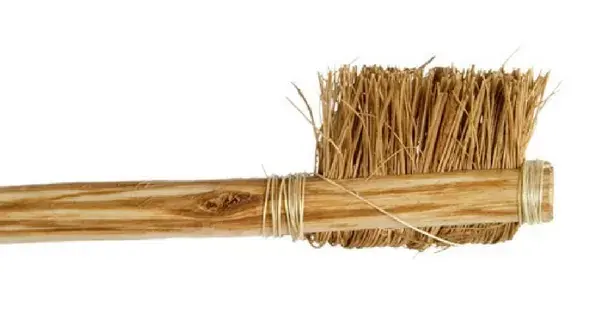
The history of oral hygiene predates the modern toothbrush by thousands of years. Ancient civilizations, including the Babylonians and Egyptians, used "chew sticks" as early as 3500 BCE. These were simple twigs with frayed ends used to scrub teeth. While these tools were effective for their time, the true precursor to the contemporary brush emerged in China during the Tang Dynasty, utilizing stiff hog bristles attached to bamboo or bone handles.
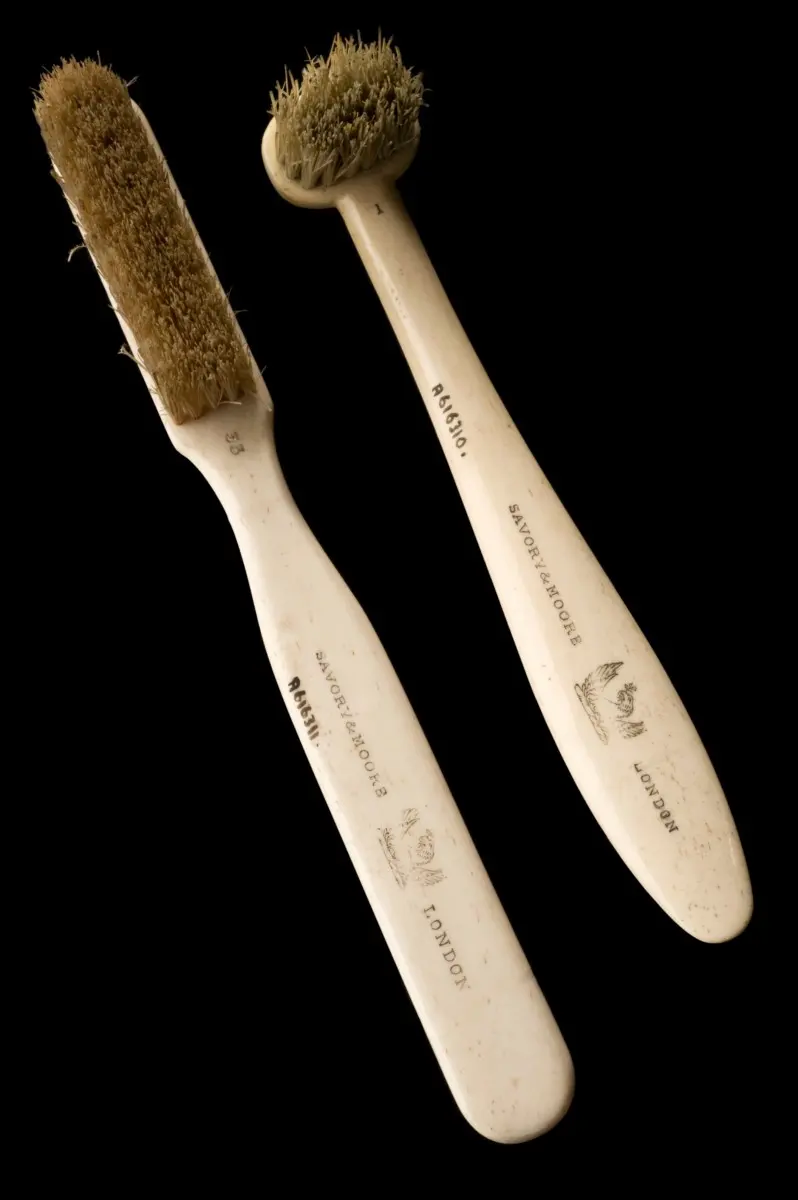
William Addis is credited with the first mass-produced toothbrush in 1780. During his time in prison, he observed the effectiveness of a broom and decided to adapt the concept for dental care. He saved a small bone from his meal, drilled holes into it, and tied tufts of hog bristles into the bone with wire. Upon his release, he began a successful manufacturing business that laid the foundation for the global oral care industry.
How did toothbrushes evolve over time?
The transition from hog bristles to synthetic materials marked a major turning point in the 20th century. Before this, natural bristles were prone to retaining bacteria and drying slowly, which often led to hygiene concerns. In 1938, DuPont introduced nylon, which was more durable, hygienic, and affordable. This innovation allowed for the mass production of brushes with consistent bristle strength, making them accessible to the general public.
Technological advancements continued throughout the late 1900s with the introduction of electric toothbrushes. The first electric model, the Broxodent, was developed in Switzerland in 1954 for patients with limited motor skills. Today, modern brushes feature sonic vibrations, pressure sensors, and smart connectivity to track brushing habits. The evolution has moved from simple bone tools to complex devices designed to maximize plaque removal while protecting delicate gum tissue.
How to choose the best toothbrush?
Selecting the right toothbrush depends on your specific dental needs, such as gum sensitivity or orthodontic work. Most dental professionals recommend soft-bristled brushes, as medium or hard bristles can cause enamel erosion and gum recession over time. If you are unsure about your specific requirements, consider these factors before your next purchase:
- Bristle texture: Always opt for "soft" to prevent abrasion.
- Head size: A smaller head allows for better maneuverability in the back of the mouth.
- Handle design: Choose a grip that is comfortable and prevents slipping during use.
- Bristle pattern: Multi-level bristles can help reach between teeth more effectively.
Manual brushes are excellent for those who prefer control and portability, while electric brushes are often recommended for individuals who struggle to reach difficult areas. If you have braces, look for brushes with specialized "V-trim" bristles designed to clean around brackets and wires.
Common mistakes when brushing teeth
Many people believe that applying significant force will clean teeth better, but this is a frequent error. Brushing too hard can strip away the protective enamel layer and irritate the gums, leading to long-term sensitivity. It is important to treat brushing as a gentle massage rather than a scrubbing task. Other common mistakes include:
- Rushing the process: You should brush for at least two minutes, twice a day.
- Ignoring the gum line: Plaque often hides where the tooth meets the gum.
- Using an old brush: Replace your toothbrush every three months or sooner if bristles are frayed.
- Skipping the tongue: Bacteria accumulate on the tongue, which contributes to bad breath.
By avoiding these habits, you can significantly improve your oral health and prevent the need for restorative dental work. Consistency and technique are far more important than the amount of pressure applied during your routine.
Why proper maintenance matters
Maintaining your toothbrush is just as important as the act of brushing itself. After every use, thoroughly rinse your brush with tap water to remove remaining toothpaste and debris. Store the brush in an upright position in a well-ventilated area, allowing it to air dry completely between sessions. Storing a wet brush in a closed container creates a breeding ground for bacteria and mold.
Do not share your toothbrush with others, as this facilitates the exchange of oral bacteria and viruses. If you have been ill, it is a good practice to replace your brush once you have recovered to avoid potential re-infection. By keeping your tools clean and replacing them regularly, you ensure that your oral hygiene routine remains effective and safe. Proper care of your equipment is a simple but essential step in maintaining a healthy, bright smile for years to come.
Key facts
- The earliest known ancestor of the toothbrush was the "chew stick," a thin twig with a frayed end used in ancient Babylon and Egypt as early as 3500 BCE.
- The first mass-produced toothbrush was created in 1780 by William Addis while he was serving time in Newgate Prison in England.
- Addis carved a handle from cattle bone and attached swine bristles to one end, a design that remained standard for over a century.
- Nylon bristles were introduced by DuPont in 1938, replacing animal hair and marking the birth of the modern toothbrush.
- Dentists recommend replacing your toothbrush every three to four months, or sooner if the bristles become frayed or flattened.
- To maintain hygiene, rinse your brush thoroughly after each use, store it in an upright position, and allow it to air-dry completely.
The bottom line
The toothbrush evolved from simple ancient chew sticks to the sophisticated nylon-bristled tools we use today. While William Addis industrialized the design in 1780, modern innovations have focused on ergonomics and material safety. By choosing soft bristles, brushing at a 45-degree angle, and replacing your brush regularly, you can maintain optimal oral hygiene and prevent long-term dental damage through consistent, gentle daily care.
People also ask
When should I replace my toothbrush?
You should replace your toothbrush every three to four months. If you notice the bristles are splayed or worn down, replace it sooner, as damaged bristles cannot effectively remove plaque.
Is it better to use a manual or electric toothbrush?
Both types are effective at removing plaque if used with proper technique. Electric toothbrushes often provide more consistent results for people who struggle with manual dexterity or brushing for the recommended duration.
What is the correct way to brush my teeth?
Hold your brush at a 45-degree angle toward the gum line and use gentle, circular motions. Avoid scrubbing horizontally, as this can wear down tooth enamel and irritate the gums.
Should I share my toothbrush with others?
You should never share your toothbrush with anyone else. Sharing brushes can spread bacteria and viruses, increasing the risk of infection or oral health issues.
Can I use a toothbrush to clean other household items?
Yes, old toothbrushes are excellent for cleaning small, hard-to-reach areas like tile grout, faucets, or computer keyboards. Ensure you sanitize the brush thoroughly before using it for non-dental tasks.
Does the hardness of the bristles matter?
Most dentists recommend using a soft-bristled brush. Medium or hard bristles can be too abrasive and may cause gum recession or damage to your tooth enamel over time.
This answer was created with the help of AI research tools and reference sources. Spotted an error? Let us know — we correct mistakes quickly. See our editorial policy.