Was the California roll invented in Vancouver?
Short answer
The California roll was not invented in Vancouver. Most culinary historians attribute its creation to Hidekazu Tojo in Vancouver, but rival claims place its origin in Los Angeles during the late 1960s or early 1970s. While Vancouver popularized the dish, the consensus points to Southern California as its true birthplace.
On this page
Who invented the California roll?
The origin of the California roll is a subject of intense debate within the culinary world. The most prominent claim comes from Hidekazu Tojo, a chef in Vancouver, British Columbia, who asserts he invented the roll in 1974. Tojo claims he hid the seaweed—which many North Americans found unpalatable at the time—inside the rice to create an "inside-out" roll.
However, many food historians argue that the dish appeared in Los Angeles as early as 1968. Ichiro Mashita, a chef at Tokyo Kaikan in Little Tokyo, is frequently cited as the creator. Mashita reportedly substituted avocado for fatty tuna when the latter was out of season, creating a creamy texture that appealed to local diners. Because both cities have strong claims, the exact inventor remains officially unverified, though the Los Angeles origin predates the Vancouver version by several years.
How to identify an authentic California roll
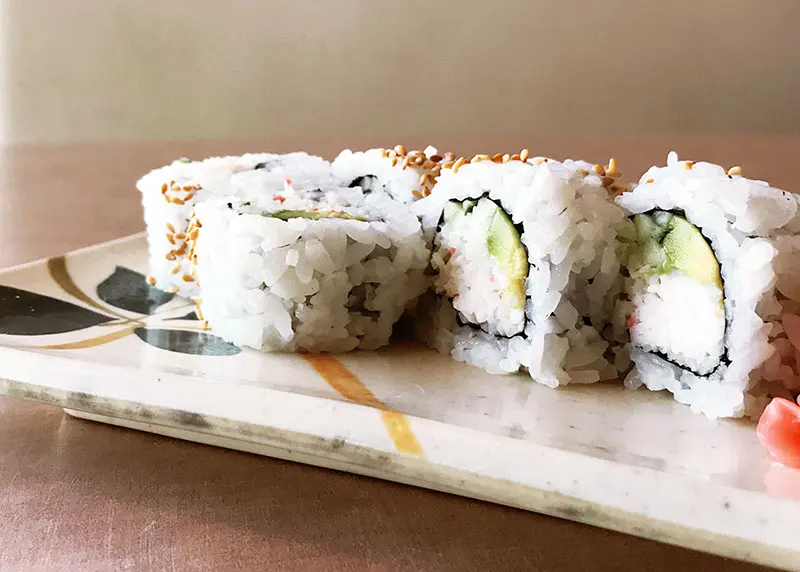
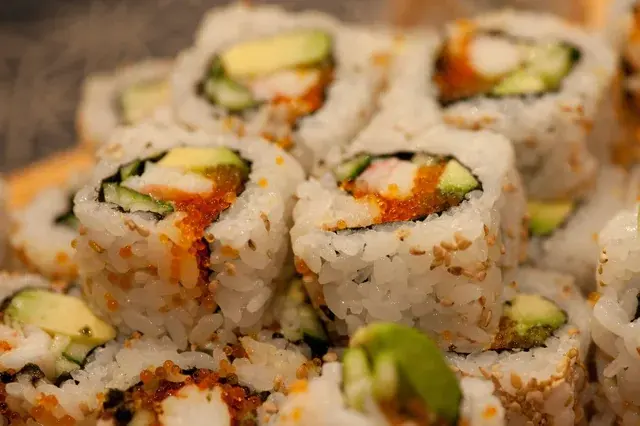
An authentic California roll is defined by a specific set of ingredients designed to mimic the richness of traditional Japanese sushi while catering to Western palates. The roll is prepared "inside-out," meaning the vinegared sushi rice is on the outside, wrapped around a sheet of nori (dried seaweed).
The standard components include:
- Imitation crab meat (surimi)
- Ripe avocado slices
- Thin strips of cucumber
- Toasted sesame seeds or tobiko (flying fish roe) on the exterior
The success of the roll relies on the balance between the creamy avocado and the crisp cucumber. Using high-quality, short-grain sushi rice is essential to ensure the roll holds its shape without falling apart during slicing. If the rice is too dry or overcooked, the texture of the roll will be compromised, detracting from the intended experience.
Why was the California roll created?
The California roll was born out of necessity rather than culinary tradition. In the 1960s and 1970s, many North American diners were unfamiliar with raw fish and intimidated by the dark, chewy texture of nori. Chefs needed a way to introduce sushi to a broader audience without alienating those who were hesitant about traditional ingredients.
By concealing the nori and using cooked crab instead of raw fish, chefs created a "gateway" sushi. This innovation allowed the dish to transcend cultural barriers and become a staple in grocery stores and restaurants across the continent. It shifted the perception of sushi from a niche, exotic meal to a convenient and accessible snack, effectively launching the global sushi boom that continues to influence modern dining habits today.
Common mistakes when making California rolls
Preparing a California roll at home is a popular culinary project, but beginners often struggle with the mechanics of the roll. The most frequent error is using too much rice, which makes the roll bulky and difficult to seal. A thin, even layer of rice is sufficient to cover the nori without overwhelming the delicate flavors of the filling.
Follow these steps to ensure a professional result:
- Lay a sheet of nori on a bamboo mat covered in plastic wrap to prevent sticking.
- Spread a thin layer of seasoned sushi rice across the entire surface of the nori.
- Sprinkle sesame seeds over the rice, then flip the nori over so the rice faces down.
- Place the crab, avocado, and cucumber in a straight line along the bottom edge.
- Roll the mat tightly, applying even pressure to create a firm cylinder.
Avoid overstuffing the roll, as this often leads to the seams bursting when you attempt to slice it. Always use a very sharp, slightly damp knife to cut the roll into eight even pieces, wiping the blade clean between each cut to ensure smooth edges.
Best ingredients for a perfect roll
Selecting the right ingredients is the difference between a mediocre roll and a restaurant-quality experience. For the crab component, high-grade surimi—made from white fish like pollock—is the industry standard. While some prefer real snow crab, surimi provides the specific texture and mild sweetness that define the classic California roll profile.
Avocado selection is equally critical; the fruit must be ripe but firm enough to hold its shape when sliced. If the avocado is too soft, it will turn into mush inside the roll, ruining the structural integrity. When selecting cucumbers, choose English or Persian varieties, as they have fewer seeds and thinner skins, providing a superior crunch without excess water. By focusing on these high-quality, fresh components, you can elevate the simple California roll into a sophisticated dish that honors its cross-cultural history while maintaining its status as a beloved modern classic.
Key facts
- The California roll was not invented in Vancouver, but rather in Los Angeles during the late 1960s or early 1970s.
- Chef Ichiro Mashita of the restaurant Tokyo Kaikan is widely credited with creating the roll to accommodate customers who were hesitant to eat raw fish.
- The roll traditionally features avocado, crab meat (or imitation crab), and cucumber, with the nori (seaweed) hidden on the inside.
- Using avocado was a practical substitution for toro (fatty tuna), as the texture provided a similarly creamy mouthfeel.
- To make a proper California roll, ensure the rice is seasoned with a mixture of rice vinegar, sugar, and salt while still warm.
- A common mistake is using too much rice, which makes the roll bulky and difficult to seal; use a thin, even layer across the nori sheet.
The bottom line
While Vancouver is famous for its vibrant sushi scene, the California roll originated in Los Angeles as a bridge for Western palates. By replacing raw fish with creamy avocado and hiding the seaweed, chefs successfully introduced sushi to a broader audience. Today, it remains a global staple, proving that culinary innovation often stems from the practical need to adapt traditional dishes for new, curious diners.
People also ask
Why is the seaweed on the inside of a California roll?
The style is known as uramaki, or inside-out roll, and was developed to hide the dark, chewy nori from diners unaccustomed to Japanese cuisine. Placing the rice on the outside makes the texture more approachable for beginners.
Is imitation crab actually crab meat?
Imitation crab, or surimi, is made from finely minced white fish, such as pollock, that is shaped and colored to resemble crab leg meat. It is used in California rolls because it is cost-effective and holds its shape well during slicing.
Can I use regular long-grain rice for sushi?
No, you must use short-grain Japanese sushi rice, which has a higher starch content that allows the grains to stick together. Long-grain rice will be too dry and will not hold the roll's shape.
What is the best way to slice a California roll?
Use a very sharp, slightly dampened knife to cut through the roll in one smooth motion. Wiping the blade with a wet cloth between cuts prevents the sticky rice from clumping on the knife.
Why do some California rolls have sesame seeds on the outside?
Toasted sesame seeds are added to provide a nutty flavor and a contrasting texture to the soft avocado and rice. They also help prevent the rice from sticking to your fingers or the bamboo rolling mat.
How long can I keep a California roll in the refrigerator?
It is best consumed immediately after preparation, as the rice will harden and the avocado will oxidize and turn brown within a few hours. If you must store it, wrap it tightly in plastic wrap for no more than 24 hours.
This answer was created with the help of AI research tools and reference sources. Spotted an error? Let us know — we correct mistakes quickly. See our editorial policy.