How do you make soup stock?
Short answer
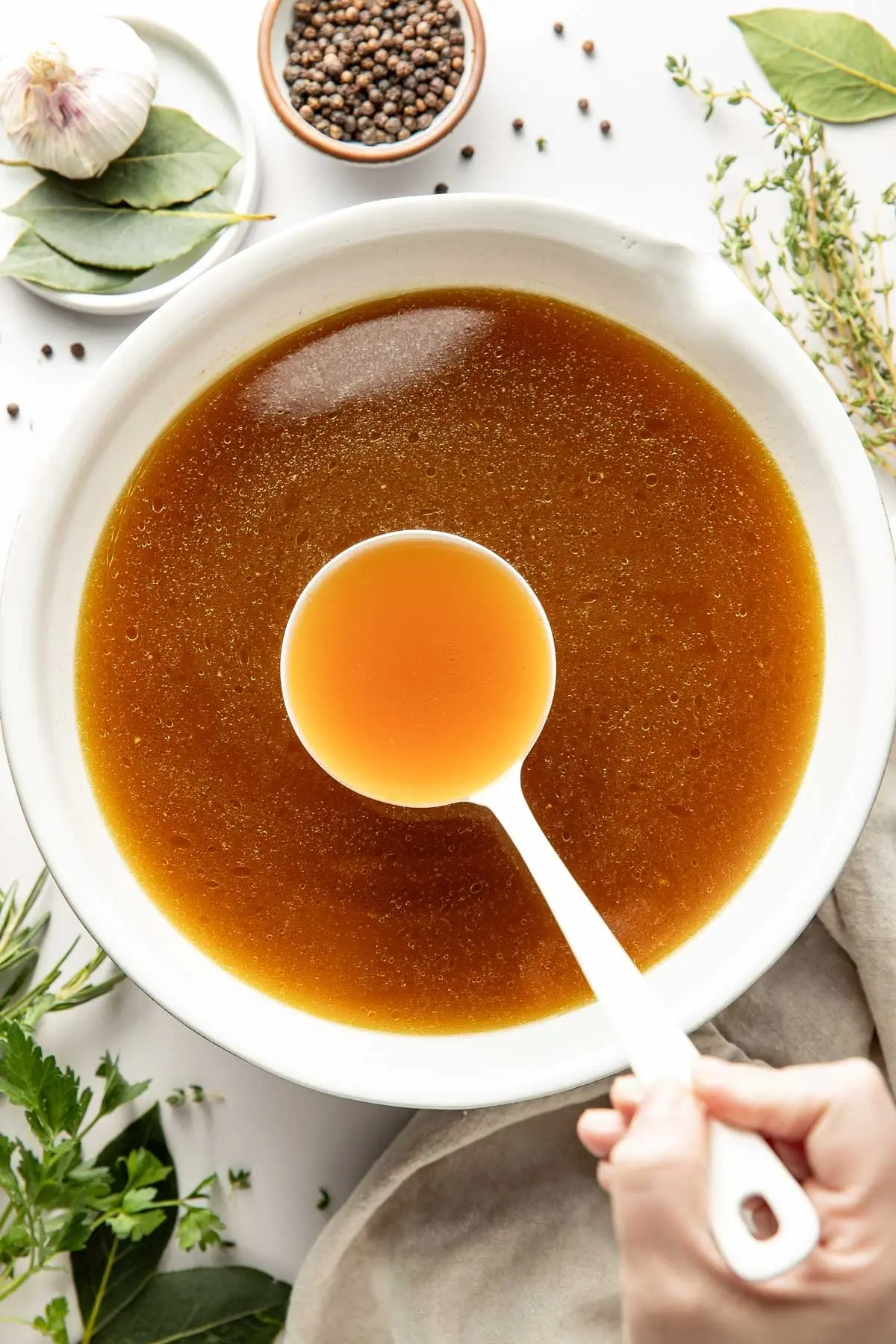
Making soup stock involves simmering animal bones or aromatic vegetables in water to extract flavor, collagen, and nutrients. You combine ingredients in a large pot, cover with cold water, and cook slowly for several hours. After straining the solids, you are left with a versatile, flavorful liquid base for various recipes.
On this page
How to prepare ingredients for stock
To create a high-quality stock, you must start with the right foundation. For meat-based stocks, use bones that contain connective tissue, such as knuckles, joints, or feet, as these provide the gelatin necessary for a rich mouthfeel. Roasted bones yield a darker, deeper flavor, while raw bones produce a lighter, clearer liquid. If making vegetable stock, focus on aromatic scraps like onion skins, carrot peels, celery ends, and mushroom stems. Avoid using brassicas like broccoli or cauliflower, as they can turn bitter during long simmering processes.
- Collect bones or vegetable scraps in a freezer-safe bag until you have enough to fill a large stockpot.
- If using meat, roast bones in an oven at 400°F (200°C) for 30 to 45 minutes until browned to enhance the depth of flavor.
- Chop large vegetables into uniform pieces to ensure even extraction of their aromatic compounds.
- Keep a small amount of fresh herbs, such as parsley stems, thyme, and bay leaves, ready to add during the final hour of cooking.
How long does it take to simmer stock
The duration of the simmering process depends entirely on the type of ingredients used. Chicken stock typically requires three to four hours to extract sufficient flavor and collagen from the bones. Beef or veal stock, which contains denser bones, benefits from a longer simmer of six to twelve hours. Vegetable stock is the fastest to prepare, usually requiring only 45 to 60 minutes. Cooking vegetables for too long can result in a muddy flavor profile, so timing is critical for maintaining a clean, bright taste in your finished product.
- Chicken stock: 3–4 hours.
- Beef or veal stock: 6–12 hours.
- Vegetable stock: 45–60 minutes.
- Fish stock: 30–45 minutes.
Monitor the liquid level throughout the process, adding small amounts of water if the ingredients become exposed. The goal is a gentle simmer where small bubbles occasionally break the surface, rather than a vigorous boil that can emulsify fats and cloud the stock.
Why stock becomes cloudy or bitter
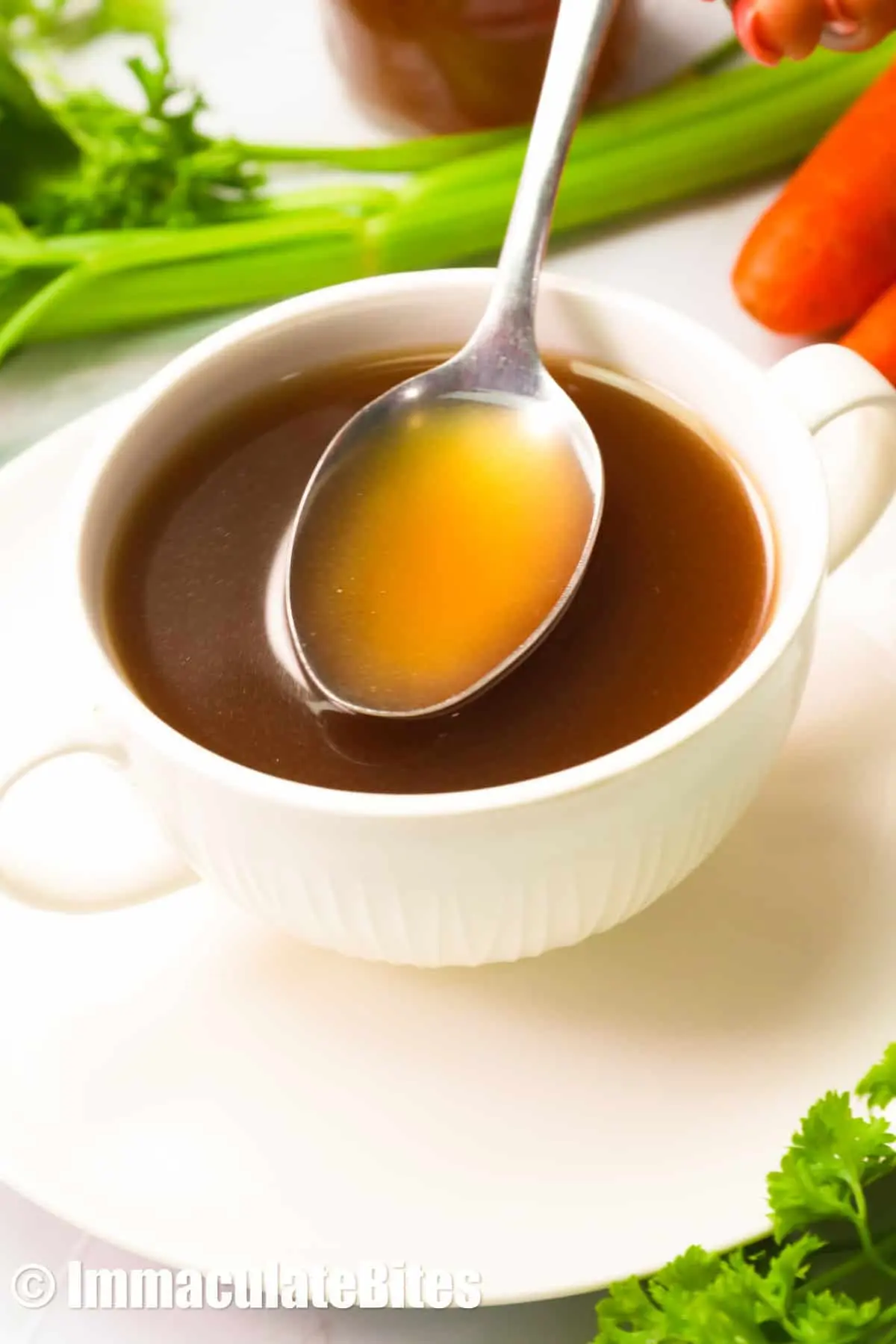
A cloudy stock is often the result of boiling the liquid too aggressively, which breaks down fats and proteins into tiny particles that remain suspended in the water. To maintain clarity, keep the heat low and skim the surface frequently to remove foam and impurities that rise to the top. Another common cause of cloudiness is failing to start with cold water; cold water allows proteins to dissolve slowly, which is essential for a clear extraction. If you notice a bitter taste, you likely included ingredients that do not hold up well to long cooking times.
- Avoid adding starchy vegetables like potatoes, which can thicken and cloud the stock.
- Remove the stock from heat immediately once the cooking time is finished to prevent over-extraction.
- Never add salt during the simmering process, as it concentrates as the liquid evaporates, potentially leading to an overly salty final product.
- Always strain the stock through a fine-mesh sieve or cheesecloth to remove fine particles and sediment.
Best practices for beginners
For those new to stock making, simplicity is the most reliable path to success. Start by mastering a basic chicken stock using a whole carcass or leftover bones from a roasted bird. Keep your aromatics consistent by using the classic mirepoix ratio of two parts onion, one part carrot, and one part celery. This combination provides a balanced, neutral base that works well in soups, risottos, and sauces. As you gain confidence, you can experiment with adding aromatics like garlic cloves, peppercorns, or even a splash of white wine to adjust the profile of your stock.
- Always use cold water to begin the process, as it helps extract the maximum amount of flavor and collagen.
- Skim the surface periodically during the first hour of cooking to remove impurities.
- Cool the finished stock rapidly by placing the pot in an ice bath before moving it to the refrigerator.
- Store the stock in airtight containers, leaving room at the top for expansion if you intend to freeze it for later use.
Common mistakes when making stock
Many home cooks mistakenly believe that stock requires expensive cuts of meat, but the best results actually come from connective tissue and scraps. Another frequent error is failing to degrease the stock after it has cooled. Once the liquid is chilled, a layer of fat will solidify on the surface, which you can easily lift off and discard to create a cleaner, leaner base. Additionally, some people forget to label their containers, leading to confusion about the age or type of stock in the freezer. Proper labeling ensures you know exactly when the stock was made and what ingredients it contains.
- Using too much water, which dilutes the flavor and results in a weak, watery stock.
- Adding bitter herbs like sage or rosemary too early, which can overwhelm the delicate balance of the liquid.
- Failing to strain the stock properly, which leaves behind small bits of bone or vegetable that can cause the stock to spoil faster.
- Keeping stock in the refrigerator for more than four days; if you cannot use it within that timeframe, move it to the freezer to maintain quality.
Key facts
- Use a ratio of one pound of bones to one quart of water for a balanced flavor.
- Always start with cold water to slowly draw out proteins and collagen from the ingredients.
- Simmer gently; a rolling boil emulsifies fat and makes the final stock cloudy.
- Skim the surface foam, known as scum, during the first 30 minutes of cooking for clarity.
- Roast bones and vegetables at 400°F (200°C) until browned to add depth and golden color.
- Cool finished stock quickly in an ice bath before refrigerating to prevent bacterial growth.
The bottom line
Making high-quality stock is a foundational culinary skill that relies on patience and temperature control. By roasting your ingredients, simmering gently, and skimming impurities, you create a versatile base that far exceeds store-bought alternatives. Remember to keep the liquid unsalted and cool it rapidly for food safety. With these simple techniques, you can transform basic kitchen scraps into a rich, flavorful liquid gold for any recipe.
People also ask
How long should I simmer stock?
Beef stock requires 6 to 12 hours to extract maximum gelatin, while chicken stock needs 3 to 4 hours. Vegetable stock is best after only 45 to 60 minutes to avoid bitterness.
Should I add salt during the cooking process?
It is best to leave stock unsalted. This allows you to control the final seasoning level when you eventually use the stock in soups or sauces.
Can I reuse the bones for a second batch?
Yes, you can perform a "remouillage," which means re-wetting the bones with fresh water. The second extraction will be thinner but still flavorful enough for braising liquids.
Why is my stock cloudy?
Cloudiness usually results from boiling the liquid too vigorously or failing to skim the impurities off the surface. Use a fine-mesh sieve or cheesecloth to strain it for a clearer result.
How should I store homemade stock?
Keep stock in the refrigerator for up to four days or freeze it in airtight containers for up to six months. Leaving an inch of headspace in containers accounts for liquid expansion.
What vegetables should I avoid putting in stock?
Avoid cruciferous vegetables like broccoli, cauliflower, and Brussels sprouts, as they turn bitter when boiled for long periods. Also, steer clear of starchy vegetables like potatoes, which make the stock murky.
This answer was created with the help of AI research tools and reference sources. Spotted an error? Let us know — we correct mistakes quickly. See our editorial policy.