How do you make guacamole?
Short answer
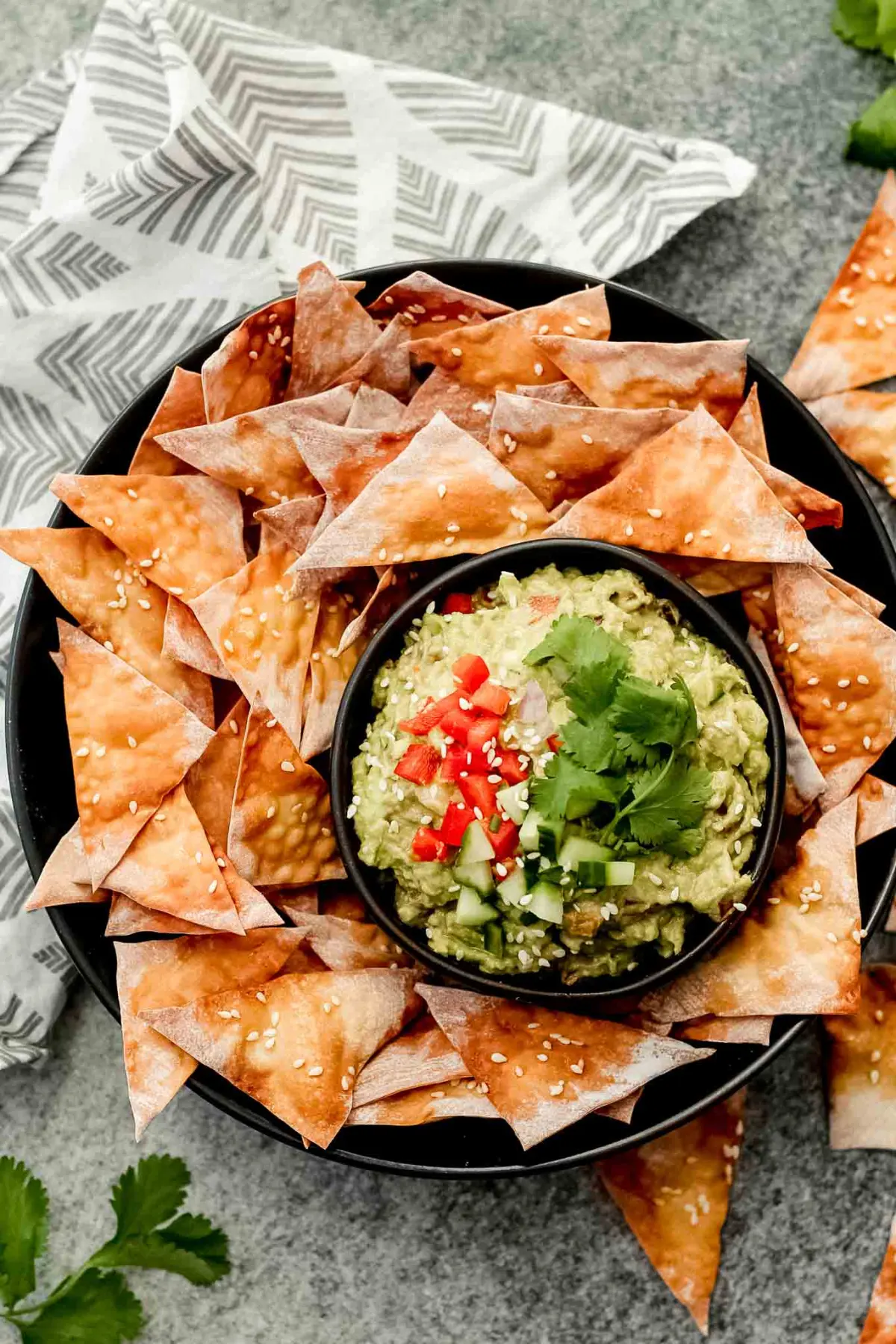
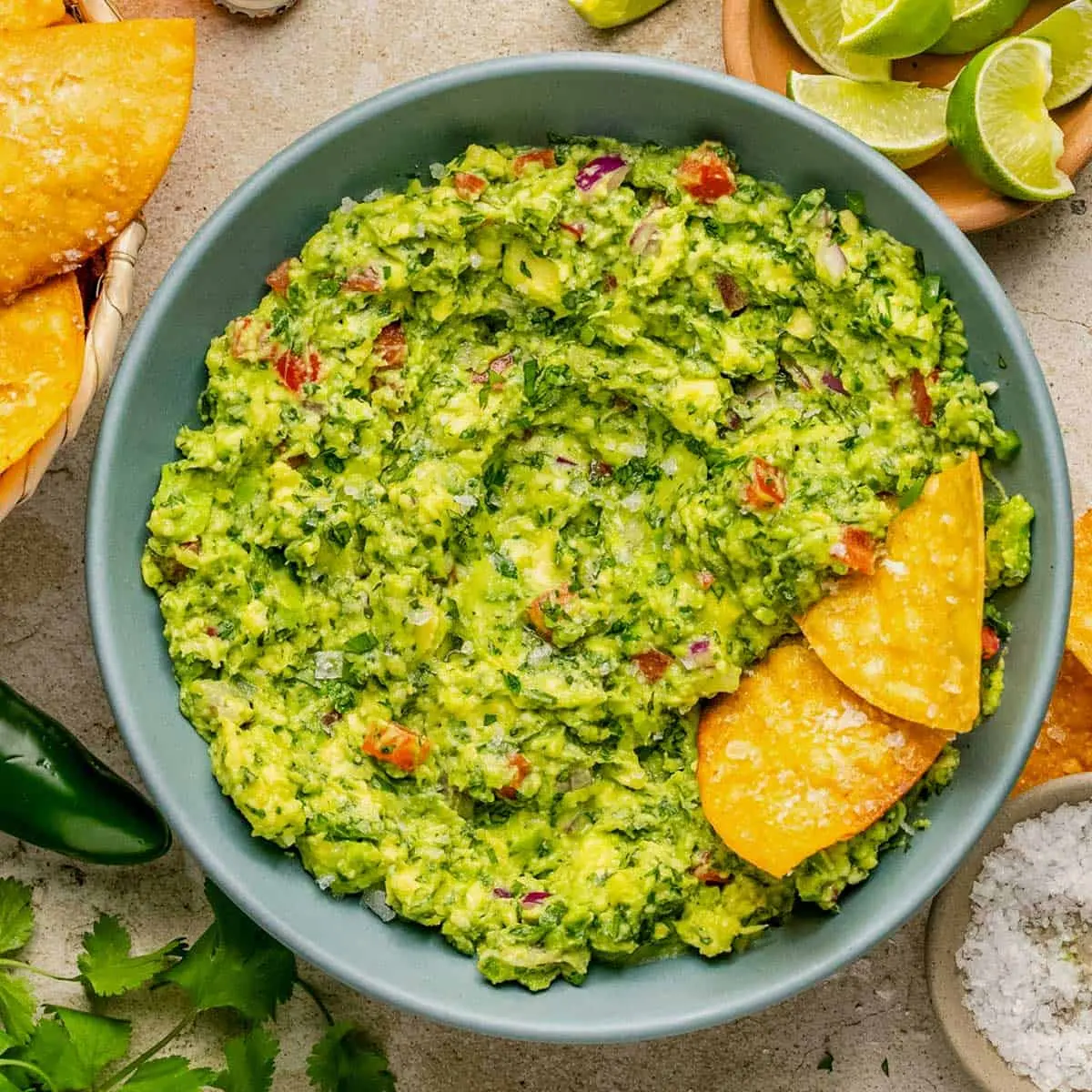
Guacamole is a traditional Mexican dip made by mashing ripe Hass avocados with lime juice, salt, and aromatics like cilantro, onions, and chili peppers. To prepare, combine the ingredients in a bowl, mashing to your preferred consistency. Serve immediately to prevent oxidation, which turns the bright green dip brown over time.
On this page
How to choose the best avocados for guacamole
The foundation of a perfect guacamole is selecting avocados at the peak of ripeness. Hass avocados are the industry standard due to their high oil content and creamy, buttery texture. When shopping, look for fruit that has a dark, pebbly skin rather than smooth, bright green skin. A ripe avocado should yield slightly to gentle pressure from your thumb, similar to the feel of a ripe peach or the tip of your nose. If the avocado feels mushy or leaves a permanent indentation, it is likely overripe and may have brown, stringy flesh inside.
If you purchase hard avocados, you can accelerate the ripening process at home. Place the fruit in a brown paper bag with an apple or a banana for one to two days. These fruits release ethylene gas, a natural plant hormone that triggers ripening. Avoid the common mistake of placing avocados in the refrigerator before they are ripe, as cold temperatures halt the ripening process and can result in rubbery, flavorless fruit. Always check the stem; if it pops off easily and reveals green underneath, the avocado is ready for immediate use.
How to prepare the ingredients
Once you have selected your produce, preparation is straightforward. You will need a base of three to four medium Hass avocados, one-quarter cup of finely diced white onion, one tablespoon of fresh lime juice, and a pinch of sea salt. For added complexity, many recipes include chopped cilantro, seeded serrano or jalapeño peppers, and diced Roma tomatoes. Using a mortar and pestle, known as a molcajete, is the traditional method for crushing the ingredients to release their essential oils and create a rustic, cohesive texture.
Follow these steps to prepare your ingredients efficiently:
- Slice the avocados in half lengthwise and remove the pits carefully with a chef's knife or spoon.
- Scoop the flesh into a mixing bowl and immediately drizzle with lime juice to slow oxidation.
- Mash the avocado with a fork or potato masher, leaving some chunks for texture.
- Fold in the diced onion, peppers, cilantro, and salt until evenly distributed.
- Taste the mixture and adjust the salt or lime juice as needed to balance the richness of the fat.
Why guacamole turns brown
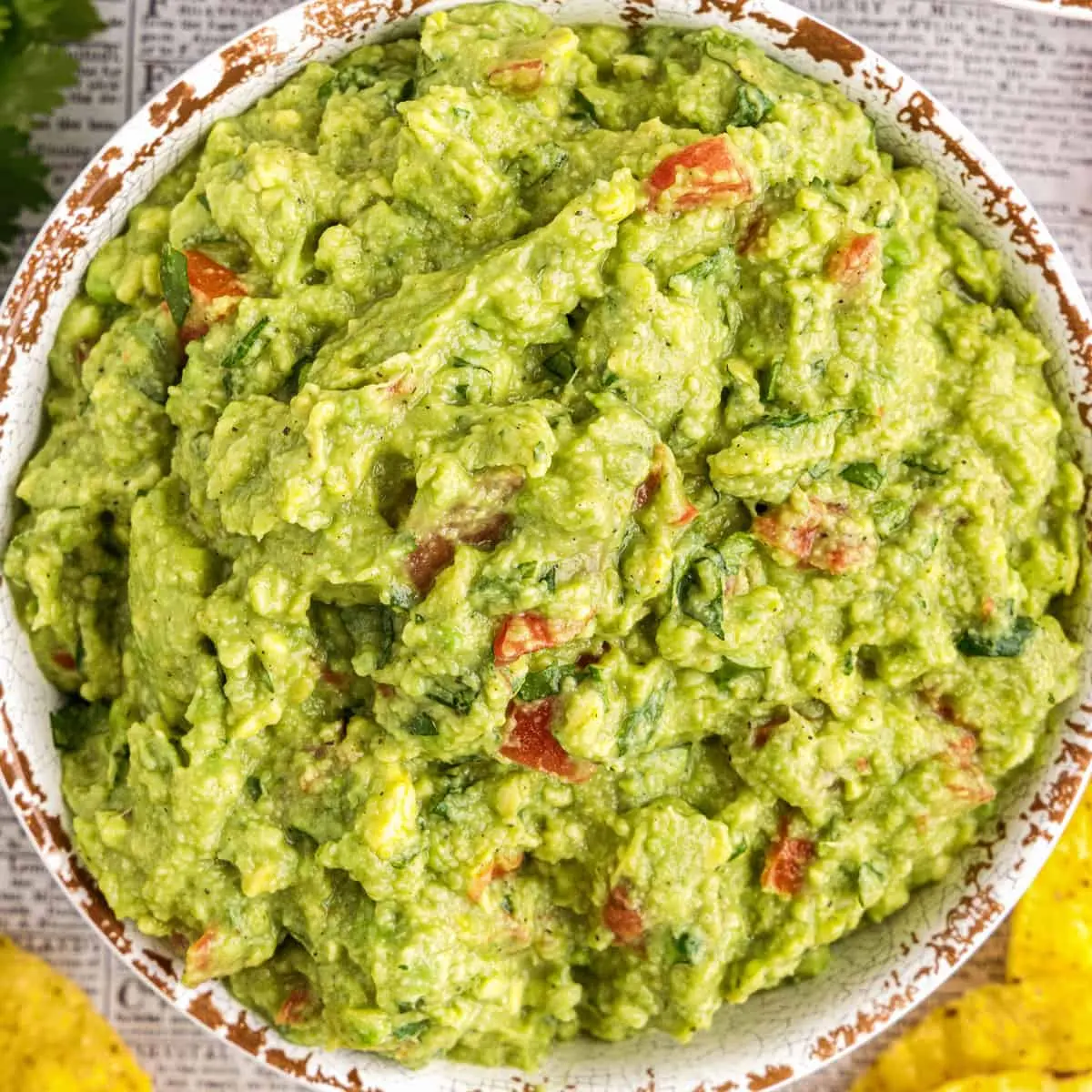
The browning of guacamole is a chemical reaction known as enzymatic browning. When the flesh of an avocado is exposed to oxygen, enzymes called polyphenol oxidases react with phenolic compounds in the fruit to produce melanin, the same pigment responsible for skin color. While this oxidation is harmless and does not significantly alter the flavor in the short term, it creates an unappealing aesthetic. The lime juice used in the recipe acts as an antioxidant, lowering the pH level and slowing down the enzymatic activity, but it cannot stop the process indefinitely.
To keep your guacamole vibrant for as long as possible, you must minimize the surface area exposed to air. If you are not serving the dip immediately, press a piece of plastic wrap directly onto the surface of the guacamole, ensuring there are no air bubbles trapped underneath. Another effective technique involves pouring a very thin layer of water or lime juice over the top before covering the container. When you are ready to serve, simply pour off the liquid or peel back the plastic wrap to reveal fresh, green dip underneath.
Common mistakes when making guacamole
The most frequent error in guacamole preparation is over-processing the avocado. While some prefer a completely smooth puree, most enthusiasts agree that a chunky texture provides a better mouthfeel and visual appeal. Using a food processor often results in a soupy, baby-food consistency that lacks the structural integrity of hand-mashed fruit. Always use a fork or a potato masher to maintain control over the final texture, stopping once you have achieved a balance between creaminess and visible pieces of avocado.
Other common pitfalls include:
- Using low-quality salt: Table salt can taste overly metallic; use sea salt or kosher salt for a cleaner, brighter flavor.
- Neglecting the heat: Forgetting to remove the seeds and membranes from your chili peppers can make the dip excessively spicy for some guests.
- Adding too many watery ingredients: Excess tomato juice or onion liquid can dilute the richness of the avocado, leading to a runny dip.
- Serving at the wrong temperature: Guacamole is best enjoyed at room temperature, as cold temperatures mute the delicate flavors of the avocado.
How to serve and store guacamole
Guacamole is best enjoyed within two hours of preparation to ensure the freshest flavor and texture. It serves as a versatile accompaniment to a variety of dishes, including corn tortilla chips, grilled meats, tacos, and huevos rancheros. When hosting, consider setting out a bowl of guacamole alongside a variety of textures, such as crunchy radishes or warm, toasted flour tortillas. If you must store leftovers, keep them in an airtight container in the refrigerator for no more than 24 hours, as the quality will decline rapidly after the first day.
If you find that your guacamole has developed a thin layer of brown on the surface after storage, you can simply scrape off the discolored portion. The layer underneath is typically still perfectly green and delicious. However, if the entire batch has turned dark brown or developed an off-putting, sour smell, it is best to discard it. By following these guidelines, you can ensure that your guacamole remains a highlight of your meal, providing a rich, creamy, and flavorful experience for your guests every single time you prepare it.
Key facts
- Choose avocados that yield slightly to gentle pressure, indicating they are perfectly ripe.
- Use a fork to mash the avocado, keeping some chunks for a desirable, rustic texture.
- Acid from lime or lemon juice is essential to prevent the avocado from oxidizing and turning brown.
- Authentic guacamole relies on fresh cilantro, diced white onion, and serrano or jalapeño peppers.
- Salt should be added incrementally, as it draws out the natural flavors of the produce.
- Serve the dip immediately, or press plastic wrap directly onto the surface to minimize air exposure.
The bottom line
The secret to exceptional guacamole lies in using perfectly ripe avocados and balancing the richness with fresh, acidic ingredients. By mashing the fruit by hand and incorporating lime, salt, and aromatics, you create a vibrant, textured dip. Always prepare it close to serving time to maintain its bright green color and fresh flavor, ensuring a simple yet impressive appetizer that highlights the quality of your produce.
People also ask
Why does my guacamole turn brown so quickly?
Oxidation occurs when the enzymes in avocado flesh are exposed to oxygen in the air. To slow this process, ensure the surface is tightly covered with plastic wrap or add an extra squeeze of citrus juice.
Can I use a food processor to make guacamole?
While a food processor is fast, it often over-processes the ingredients into a thin, watery puree. Mashing by hand with a fork or a traditional stone molcajete ensures the ideal chunky consistency.
What is the best way to ripen an avocado quickly?
Place the avocado in a brown paper bag with an apple or a banana for one to two days. These fruits release ethylene gas, which triggers the ripening process in the avocado.
Should I include tomatoes in my guacamole?
Adding tomatoes is a matter of personal preference, though it is common in many regional variations. If you use them, remove the watery seeds to prevent the dip from becoming too runny.
How can I tell if an avocado is overripe?
An overripe avocado will feel mushy or have large indentations when pressed. Once cut, the flesh may show dark brown or black streaks, which usually indicates the fruit has begun to spoil.
What are the best chips to serve with guacamole?
Sturdy, unsalted or lightly salted corn tortilla chips are the standard pairing. Their crunch provides a necessary contrast to the creamy texture of the avocado, and they are strong enough to scoop up heavy portions.
This answer was created with the help of AI research tools and reference sources. Spotted an error? Let us know — we correct mistakes quickly. See our editorial policy.