How do you start collecting stamps?
Short answer
Starting a stamp collection involves gathering stamps from mail, purchasing starter packets, or acquiring collections from dealers. Focus on a specific theme or country to maintain interest and organization. Use essential tools like tongs and a stockbook to preserve your stamps' condition, ensuring they remain valuable and aesthetically pleasing for years.
On this page
How to start a stamp collection for beginners
The most accessible way to begin philately is by saving stamps from your own incoming mail. Ask friends, family, and local businesses to set aside envelopes for you rather than discarding them. This method costs nothing and provides a diverse range of common, contemporary issues that serve as a foundation for your collection. Once you have accumulated a small pile, carefully trim the paper around the stamp, leaving a margin of about a quarter-inch to avoid damaging the perforations.
For those who want to expand beyond modern mail, purchasing a "kiloware" mixture—often sold by weight—is an excellent next step. These mixtures contain hundreds of unsorted stamps from various countries and eras. While you will find many duplicates, the process of sorting through them is a fundamental skill for any collector. As you identify stamps that interest you, consider focusing on a specific area, such as birds, space exploration, or the history of a single nation, to give your collection a sense of purpose.
What tools do you need for stamp collecting
Proper handling is the most important aspect of maintaining the value of your stamps. Never use your fingers to pick up stamps, as the oils and moisture from your skin can cause permanent staining and damage to the paper. Instead, invest in a pair of high-quality stamp tongs, which are specially designed with smooth, rounded tips to grip paper without tearing or creasing it. These tools are the single most essential piece of equipment for any serious hobbyist.
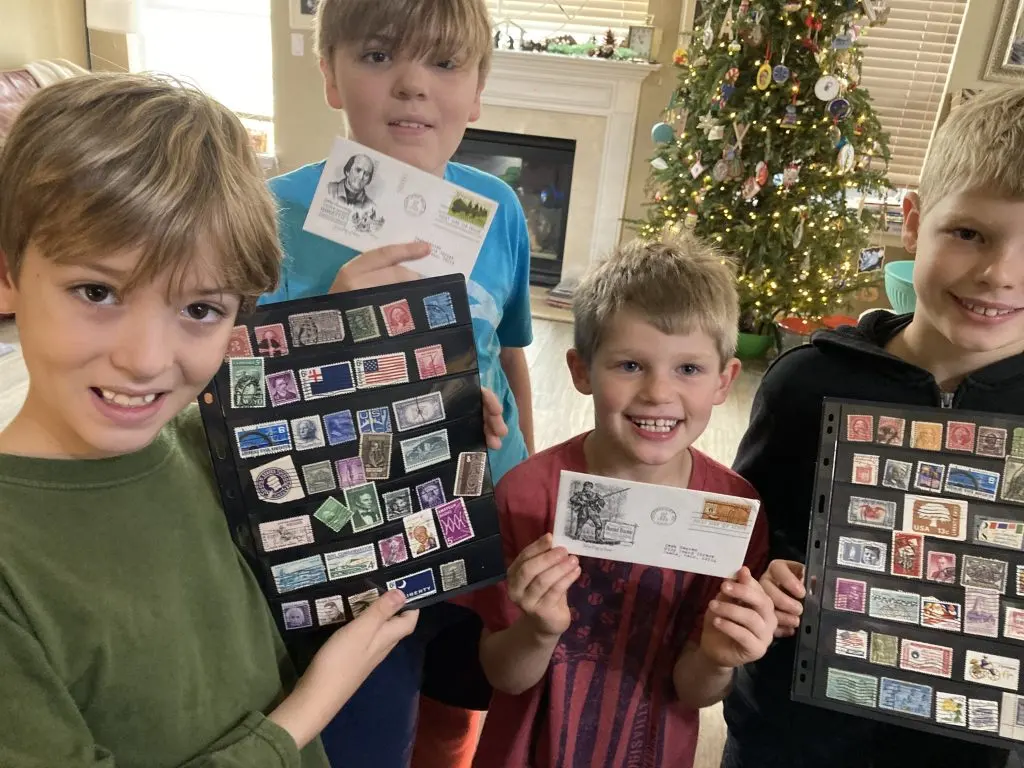
In addition to tongs, you will need a proper storage system to protect your collection from dust, light, and humidity. A stockbook is the best choice for beginners, as it features pre-cut pockets that hold stamps securely without the need for adhesives. Avoid using "magnetic" photo albums or plastic sleeves that are not archival-safe, as the chemicals in these materials can degrade stamps over time. To organize your collection effectively, follow these basic steps:
- Sort your stamps by country or thematic category.
- Use a magnifying glass to inspect the condition of the paper and the quality of the cancellation marks.
- Place the stamps into the stockbook pockets, ensuring they are not overlapping.
- Label your sections clearly to keep track of your growing inventory.
How to identify and value your stamps
Identifying stamps requires a basic understanding of their features, including the design, the country of origin, and the perforation count. The perforation—the small holes along the edges—is measured using a perforation gauge, which counts the number of holes within a two-centimeter span. This measurement is often the deciding factor in distinguishing between a common stamp and a rare, valuable variety. Reference books known as stamp catalogs, such as the Scott Catalogue, provide detailed images, historical context, and estimated market values for thousands of issues.
When determining value, keep in mind that most stamps are printed in the millions, making them worth very little in monetary terms. A stamp's value is primarily determined by its scarcity, its physical condition, and the presence of a clear, readable postmark. A stamp with a "centered" design—where the image is perfectly aligned within the margins—is generally more desirable than one that is off-center. Always look for signs of "hinge remnants" on the back, as original gum is highly prized by collectors and adds significantly to the item's overall grade.
Common mistakes when collecting stamps
One of the most frequent errors beginners make is using adhesive hinges or mounts incorrectly. If you choose to use hinges, use only those specifically designed for philately, as household tape or glue will permanently ruin the stamp and destroy its value. Many collectors now prefer mount sleeves, which hold the stamp behind a clear protective film, keeping the original gum intact. Never attempt to clean a stamp with water or chemicals, as this is a specialized process that, if done improperly, will cause irreversible damage.
Another common pitfall is the urge to buy expensive, rare stamps too early in your journey. It is easy to be tempted by high-priced items at auctions, but without the experience to verify authenticity, you risk purchasing forgeries or damaged goods. Focus on building your knowledge base first by studying common issues and understanding the market. Avoid these common blunders to ensure your collection grows in quality:
- Never store your collection in an attic or basement where temperature and humidity fluctuate.
- Do not trim the paper too close to the stamp, as you might accidentally cut into the perforations.
- Avoid buying "complete" collections from non-specialized sources, as they often contain low-quality, damaged items.
Where to find stamps for your collection
Beyond mail and bulk mixtures, there are several reliable sources for acquiring stamps as you advance. Local stamp clubs are perhaps the best resource, as they provide access to experienced mentors who can help you identify difficult items and offer advice on storage. Many clubs hold regular meetings where members trade, sell, or donate stamps to newcomers. Attending a regional stamp show is another excellent way to see thousands of items in person and speak directly with professional dealers about specific interests.
Online marketplaces and specialized auction houses are also viable, but they require a higher level of caution. When purchasing online, always check the seller's reputation and look for high-resolution images that clearly show both the front and back of the stamp. If you are interested in a specific country, consider joining a philatelic society dedicated to that region, as they often publish newsletters and offer exclusive access to member-only sales. By engaging with the broader community, you transform a solitary activity into a rewarding social pursuit.
Key facts
- Philately is the formal term for the study and collection of postage stamps and related postal materials.
- Start by collecting stamps from your own incoming mail to build a foundation without initial financial investment.
- Use specialized tongs, not your fingers, to handle stamps to prevent damage from skin oils and moisture.
- Store your collection in a dedicated stamp album with acid-free pages to prevent long-term paper deterioration.
- Never use adhesive tape or glue to mount stamps, as these materials permanently damage the paper and reduce value.
- Focus your collection on a specific theme, such as birds, space exploration, or a specific country, to make the process more manageable.
The bottom line
Starting a stamp collection is an accessible hobby that blends historical research with artistic appreciation. By prioritizing proper handling techniques and using archival-quality supplies, you ensure your collection remains preserved for years. Whether you focus on global variety or a narrow topical interest, stamp collecting rewards patience and attention to detail, turning everyday postal items into a meaningful, organized record of world history and design.
People also ask
How can I tell if a stamp is valuable?
Value is determined by rarity, condition, and historical demand rather than age alone. Consult a catalog like Scott or Stanley Gibbons to identify specific varieties and market trends.
Should I wash stamps off the envelopes I receive?
You can soak paper-backed stamps in clean, lukewarm water until they detach, then let them dry face down on a clean towel. Do not soak self-adhesive modern stamps, as they often do not separate easily and may be ruined by water.
What is a hinge and how do I use it?
A stamp hinge is a small, gummed strip of glassine paper used to mount stamps into an album. Fold the hinge, moisten the top section, and attach it to the back of the stamp before placing it on the album page.
Are first-day covers worth collecting?
First-day covers are envelopes with stamps postmarked on their official date of issue and are highly collectible. They often feature artistic cachets that provide historical context for the stamp’s subject matter.
How do I identify a watermark on a stamp?
Watermarks are faint designs pressed into the paper during manufacturing and are best viewed using a watermark fluid and a specialized black tray. This process requires caution to ensure the stamp is not damaged by the liquid.
Is it better to buy stamps individually or in packets?
Beginners often start with packets to see a wide variety of designs, but experienced collectors prefer purchasing individual stamps. Buying individually allows you to select specific items that fill gaps in your collection and ensures higher quality.
This answer was created with the help of AI research tools and reference sources. Spotted an error? Let us know — we correct mistakes quickly. See our editorial policy.