How long do guinea pigs live?
Short answer
Guinea pigs typically live between five and eight years when provided with proper care. While some individuals may reach ten years, the average lifespan generally falls within the five to seven-year range. Genetics, diet, and living conditions are the primary factors that determine how long your pet will remain healthy and active.
On this page
How long do guinea pigs live on average?
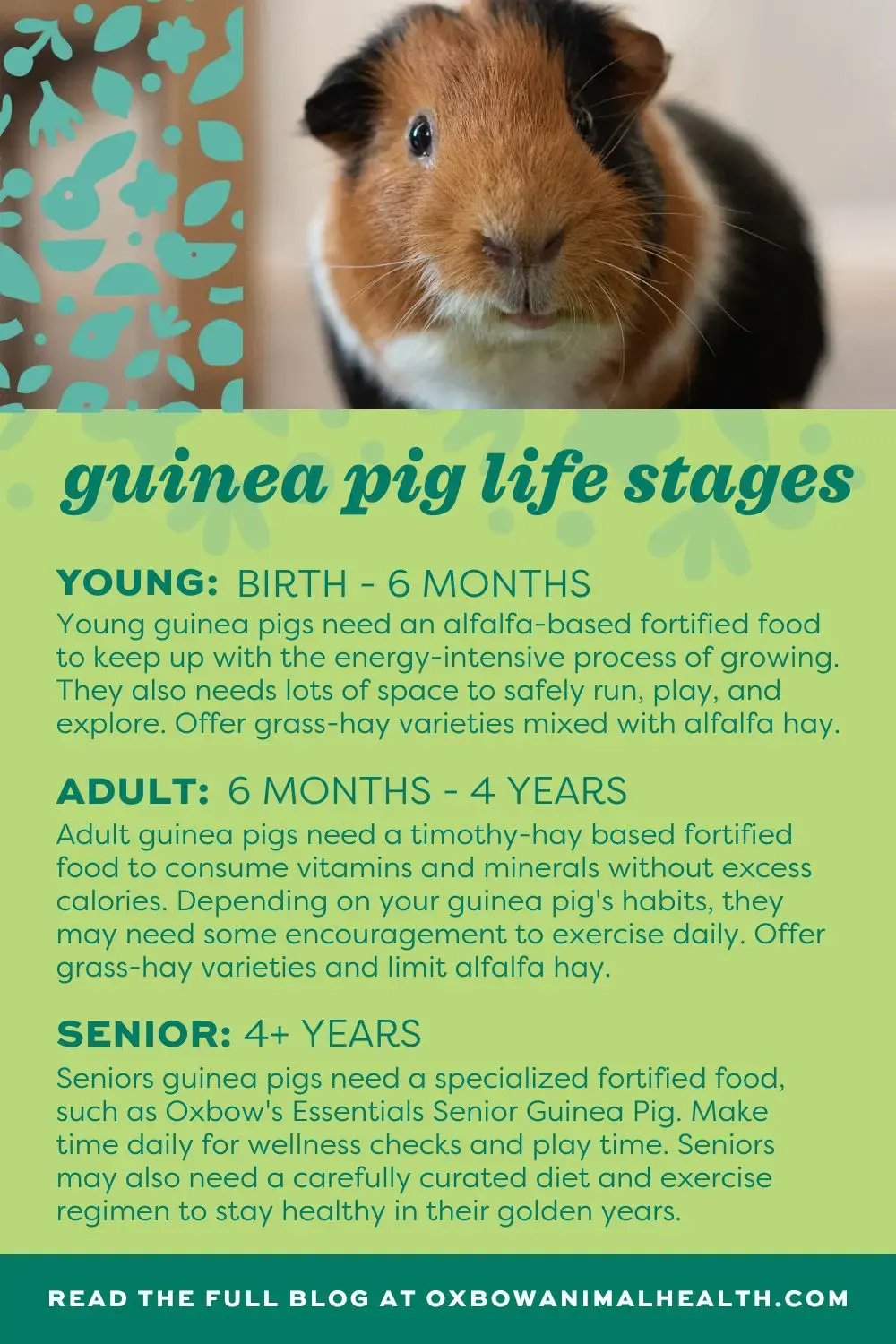
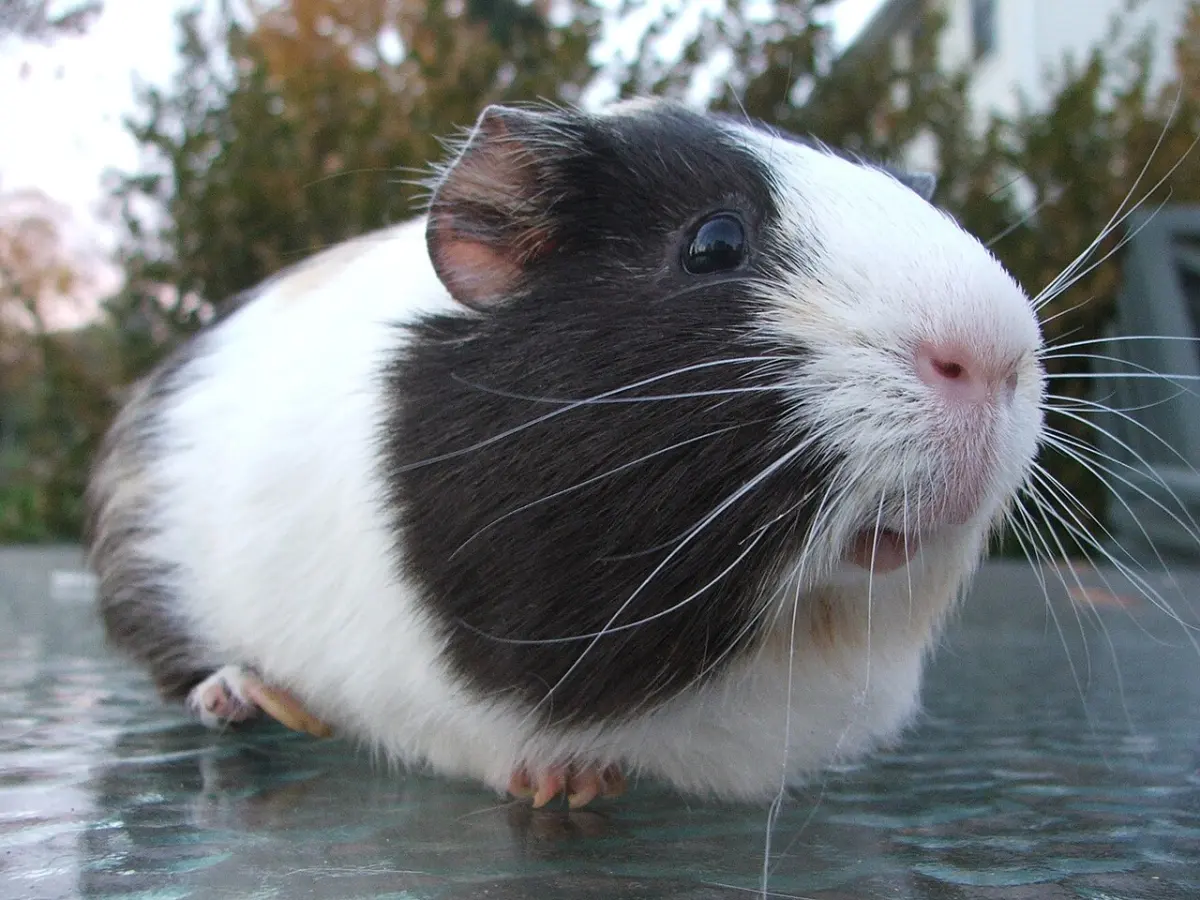
Most domestic guinea pigs, known scientifically as Cavia porcellus, have a life expectancy of five to eight years. While they are resilient animals, their longevity is heavily influenced by their breed and individual health history. Some specialized breeds, such as the hairless Skinny pig, may have slightly different health requirements compared to common shorthaired American guinea pigs.
Consistent veterinary care and a stable environment are the most significant predictors of a long life. Owners should expect to commit to at least half a decade of daily care, as these social creatures require consistent attention to thrive. By monitoring their weight and behavior regularly, you can often catch health issues early, which significantly improves their chances of reaching the upper end of their natural lifespan.
Best diet for guinea pig longevity
A high-quality diet is the cornerstone of a long, healthy life for a guinea pig. Because they cannot produce their own vitamin C, they must receive it through fresh vegetables and fortified pellets. Without adequate supplementation, they are highly susceptible to scurvy, which can rapidly shorten their lives.
To ensure your pet receives optimal nutrition, follow these daily guidelines:
- Provide unlimited access to fresh Timothy hay, which is essential for digestion and dental health.
- Offer a daily serving of vitamin C-rich vegetables such as bell peppers, parsley, or kale.
- Limit high-sugar fruits to occasional treats, as obesity can lead to heart disease and diabetes.
- Ensure fresh, clean water is always available in a drip-proof bottle or heavy ceramic bowl.
Avoid feeding your guinea pig muesli-style mixes that contain seeds, nuts, or colorful bits, as these are often high in sugar and pose a choking hazard. Stick to plain, high-quality Timothy-based pellets designed specifically for guinea pigs to maintain a healthy weight and prevent nutritional deficiencies.
Why do guinea pigs get sick?
Guinea pigs are prey animals, which means they are experts at hiding signs of illness until a condition becomes severe. Common health issues include respiratory infections, dental disease, and urinary tract problems. Because their teeth grow continuously throughout their lives, improper chewing surfaces can lead to painful malocclusion, preventing them from eating enough to sustain their weight.
Environmental stressors also play a major role in their physical health. Poor ventilation, damp bedding, or sudden temperature fluctuations can trigger respiratory distress. To keep your pet healthy, maintain a clean living space and watch for these warning signs:
- Sudden loss of appetite or refusal to drink water.
- Lethargy or sitting in a hunched, inactive position for long periods.
- Discharge from the eyes or nose, which may indicate a serious infection.
- Changes in the texture or frequency of droppings.
If you notice any of these symptoms, consult an exotic animal veterinarian immediately, as guinea pigs can decline very quickly once they stop eating.
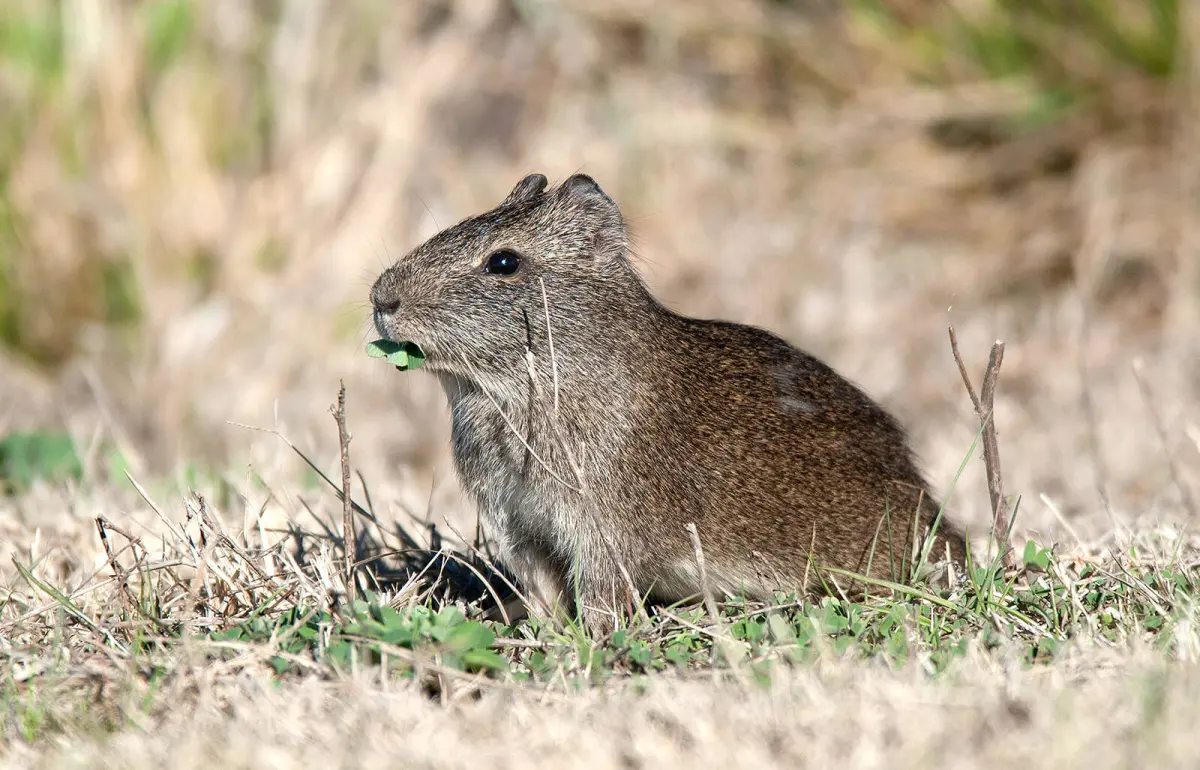
Common mistakes when caring for guinea pigs
Many owners inadvertently shorten their pet's life by failing to understand their social and environmental needs. One of the most frequent mistakes is keeping a guinea pig alone. They are highly social herd animals that suffer from extreme stress when isolated, which weakens their immune systems. Always house them in pairs or small groups of the same sex to prevent unwanted breeding.
Another common error involves cage size and sanitation. Cages that are too small prevent necessary exercise, leading to muscle atrophy and obesity. Furthermore, failing to spot-clean the cage daily allows ammonia from urine to build up, which causes severe respiratory issues. Avoid using cedar or pine shavings, as the aromatic oils in these woods can irritate their sensitive lungs. Instead, opt for paper-based bedding or fleece liners that are washed frequently to keep their environment hygienic and safe.
How to extend guinea pig lifespan
Maximizing the lifespan of your guinea pig requires a proactive approach to their daily routine. Beyond diet and housing, mental stimulation is vital. Provide tunnels, hideouts, and safe wooden chew toys to keep them active and engaged. A bored guinea pig is often a sedentary one, and regular movement helps maintain cardiovascular health and joint flexibility as they age.
Regular health checks at home are also essential for early detection. Once a week, perform a quick physical examination:
- Gently feel their body for any unusual lumps or bumps.
- Check their nails to ensure they are not overgrown or curling into the pads.
- Inspect the skin for signs of mites or fungal infections, which are common in domestic environments.
- Weigh your guinea pig weekly using a kitchen scale to track subtle changes in health.
By staying vigilant and providing a stable, loving environment, you give your guinea pig the best possible chance to live a full, happy life by your side.
Key facts
- The average lifespan of a healthy domestic guinea pig is between 5 and 8 years.
- Providing a diet rich in vitamin C is essential, as guinea pigs cannot synthesize it naturally.
- Regular veterinary checkups are critical because these animals are prey species that hide signs of illness.
- A spacious enclosure with at least 7.5 square feet of floor space promotes better physical health and longevity.
- Daily social interaction is vital, as guinea pigs are herd animals that experience stress when kept in isolation.
- Keeping the cage clean and dry prevents respiratory infections and foot problems like bumblefoot.
The bottom line
Providing a long, healthy life for a guinea pig requires a consistent commitment to high-quality nutrition, a spacious living environment, and regular social engagement. By focusing on a diet centered on timothy hay and vitamin C, maintaining a clean habitat, and monitoring for subtle signs of illness, most owners can expect their pets to thrive for several years, often reaching the upper end of their life expectancy.
People also ask
Do certain breeds live longer than others?
While genetics play a role, there is no significant evidence that one specific breed lives longer than another. Proper diet, environment, and genetics from a reputable breeder are more influential than coat length or texture.
How can I tell if my guinea pig is getting too old?
Senior guinea pigs often become less active, may develop cataracts, or experience changes in appetite. You might also notice stiffness in their joints or a thinning of their fur as they approach their later years.
Is it better to keep guinea pigs in pairs?
Yes, guinea pigs are highly social and thrive when kept in pairs or small groups. Living with a companion reduces stress and encourages movement, which can positively impact their overall health and lifespan.
What are the most common health issues that shorten their lives?
Respiratory infections, dental disease, and bladder stones are the most frequent health complications. Many of these issues are preventable through a high-quality diet of timothy hay, fresh vegetables, and clean water.
Do indoor guinea pigs live longer than outdoor ones?
Indoor guinea pigs generally live longer because they are protected from extreme temperatures, predators, and parasites. Outdoor environments pose significant risks that can lead to premature death or injury.
Should I supplement my guinea pig's diet with vitamins?
You should provide vitamin C through fresh vegetables like bell peppers rather than drops in water. Water-based supplements can degrade quickly and may cause your pet to avoid drinking if the taste is unpleasant.
This answer was created with the help of AI research tools and reference sources. Spotted an error? Let us know — we correct mistakes quickly. See our editorial policy.