What is the longest river in Canada?
Short answer
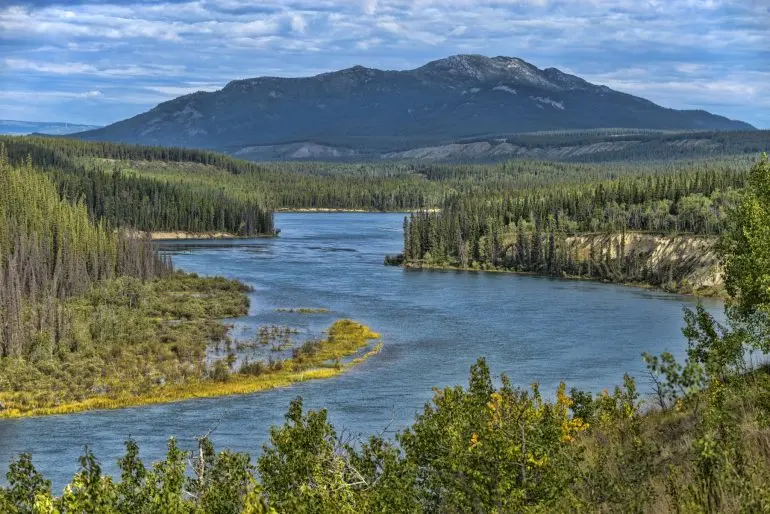
The Mackenzie River is the longest river in Canada, stretching approximately 4,241 kilometers from its furthest headwaters to the Arctic Ocean. Flowing through the Northwest Territories, it serves as a massive drainage basin. While the St. Lawrence River is historically significant, the Mackenzie remains the undisputed longest river system in the country.
On this page
How long is the Mackenzie River system?
The Mackenzie River system spans 4,241 kilometers, making it the second longest in North America, trailing only the Mississippi-Missouri system. It begins as the Finlay River in British Columbia, flows into Williston Lake, and continues through the Peace and Slave rivers before reaching Great Slave Lake. From there, the river officially becomes the Mackenzie, winding northward until it empties into the Beaufort Sea.
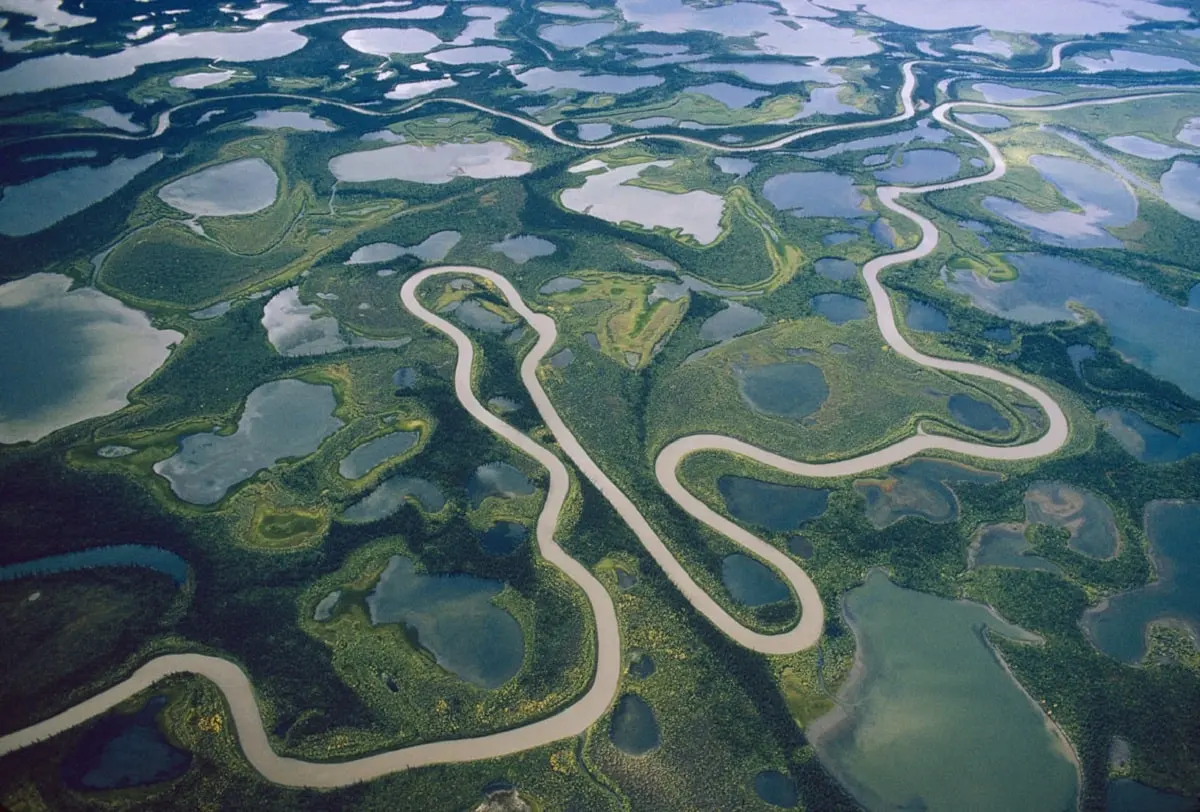
This vast waterway acts as a primary artery for Canada’s North, draining a basin that covers nearly 20 percent of the country’s landmass. Because the system includes several major tributaries and large lakes, measuring its exact length can be complex. Geographers calculate the total distance by tracing the path from the most distant headwaters of the Finlay River to the mouth of the Mackenzie Delta.
Why is the Mackenzie River important to Canada?
The Mackenzie River is vital for both ecological health and human transportation in the Northwest Territories. It serves as a primary shipping route for barges that deliver fuel, construction materials, and essential supplies to remote northern communities during the summer months. Without this seasonal waterway, the cost and logistical difficulty of supplying these isolated settlements would increase significantly.
Beyond logistics, the river supports a diverse array of wildlife and indigenous cultures that have relied on its resources for millennia. The delta is a critical habitat for migratory birds, beluga whales, and various fish species. Protecting this delicate ecosystem is a major focus for local governments and indigenous groups, especially as climate change alters ice patterns and water temperatures.
- The river provides a habitat for over 50 species of fish.
- It acts as a primary transportation corridor for northern supply chains.
- The basin contains some of the largest freshwater lakes in the world.
- It plays a significant role in the global carbon cycle due to its massive peatlands.
How do you measure a river's length?
Measuring a river’s length is not as simple as drawing a straight line on a map. Experts must determine the "true" source of the river, which is often the most distant point from which water flows year-round. In the case of the Mackenzie, this requires tracing the path through multiple lakes and tributaries, which can lead to slight variations in reported figures depending on the methodology used.
Technological advancements have improved the precision of these measurements over time. Modern satellite imagery and geographic information systems (GIS) allow researchers to map complex river bends and delta channels with high accuracy. However, human interpretation remains necessary to decide which tributary constitutes the main stem of the river versus a secondary branch.
- Identify the most distant headwater source.
- Trace the path through all major lakes and connecting channels.
- Account for seasonal changes in the river's path and delta expansion.
- Use satellite data to verify the total distance to the sea.
Common mistakes when identifying Canada's longest rivers
A frequent error is confusing the St. Lawrence River with the Mackenzie. While the St. Lawrence is arguably more famous due to its proximity to major cities like Montreal and Quebec City, it is significantly shorter at approximately 3,058 kilometers. People often assume the river that carries the most water or has the most historical trade is the longest, but length is strictly a measure of distance.
Another mistake involves failing to account for the entire river system. Some individuals only measure the portion of the river that bears the name "Mackenzie," ignoring the upstream segments like the Peace and Finlay rivers. To get an accurate measurement, you must include the entire continuous flow from the source to the ocean, regardless of the different names given to various sections of the river.
Best ways to explore the Mackenzie River region
Traveling to the Mackenzie River requires careful planning due to the remote nature of the Northwest Territories. The best way to experience the river is by visiting communities like Fort Simpson, Norman Wells, or Inuvik. These towns offer unique perspectives on how the river shapes daily life, from the reliance on ice roads in the winter to boat travel during the brief summer season.
If you are planning a trip, prioritize the summer months between June and August. During this time, the Midnight Sun provides nearly 24 hours of daylight, allowing for extended exploration of the riverbanks and the expansive delta. Always check local travel advisories and respect the traditional lands of the Dene and Inuvialuit peoples, as much of the river corridor is under indigenous stewardship and requires permission or local guidance to visit.
Key facts
- The Mackenzie River is the longest river in Canada, stretching approximately 4,241 kilometers from its furthest headwaters.
- It flows northward through the Northwest Territories, eventually emptying into the Beaufort Sea in the Arctic Ocean.
- The river system drains a massive basin covering about 1.8 million square kilometers, nearly 20 percent of Canada's total landmass.
- When measuring the length, geographers often include the Finlay and Peace rivers, which serve as the primary headwaters.
- The Mackenzie is a vital transportation artery, serving as a primary route for barges carrying supplies to remote northern communities.
- A common mistake is confusing the Mackenzie with the St. Lawrence River; while the St. Lawrence is historically significant, it is significantly shorter at 3,058 kilometers.
The bottom line
The Mackenzie River stands as Canada’s longest waterway, serving as a critical geographical and logistical spine for the Northwest Territories. Spanning over 4,000 kilometers, it drains a vast portion of the country into the Arctic Ocean. Understanding its role as a remote transportation corridor and an ecological powerhouse is essential for grasping the immense scale and environmental complexity of Canada’s northern wilderness regions and river systems.
People also ask
Does the Mackenzie River freeze over in the winter?
Yes, the river typically freezes from October or November until May or June. During this time, the ice is often thick enough to support winter roads that connect isolated northern settlements.
What is the discharge rate of the Mackenzie River?
The river has an average discharge of approximately 9,700 cubic meters per second at its mouth. This makes it the largest river flowing into the Arctic Ocean from North America.
Are there major cities located along the Mackenzie River?
The river basin is sparsely populated, with no major metropolitan areas along its banks. Notable communities include Fort Simpson, Norman Wells, and Inuvik, which rely on the river for logistics.
Is the Mackenzie River considered a navigable waterway?
It is navigable for most of its length during the short summer season. However, shifting sandbars and seasonal water level fluctuations require experienced pilots to navigate safely.
Why is the Mackenzie River important for the environment?
The river acts as a massive carbon sink and provides critical habitats for migratory birds, fish, and mammals. Its delta is one of the most productive ecosystems in the Canadian North.
Can tourists travel the length of the Mackenzie River?
While there is no standard passenger ferry service, some adventure tourism operators offer guided canoe or boat expeditions. Travelers must be highly experienced in wilderness survival and remote navigation.
This answer was created with the help of AI research tools and reference sources. Spotted an error? Let us know — we correct mistakes quickly. See our editorial policy.