What do iguanas eat?
Short answer
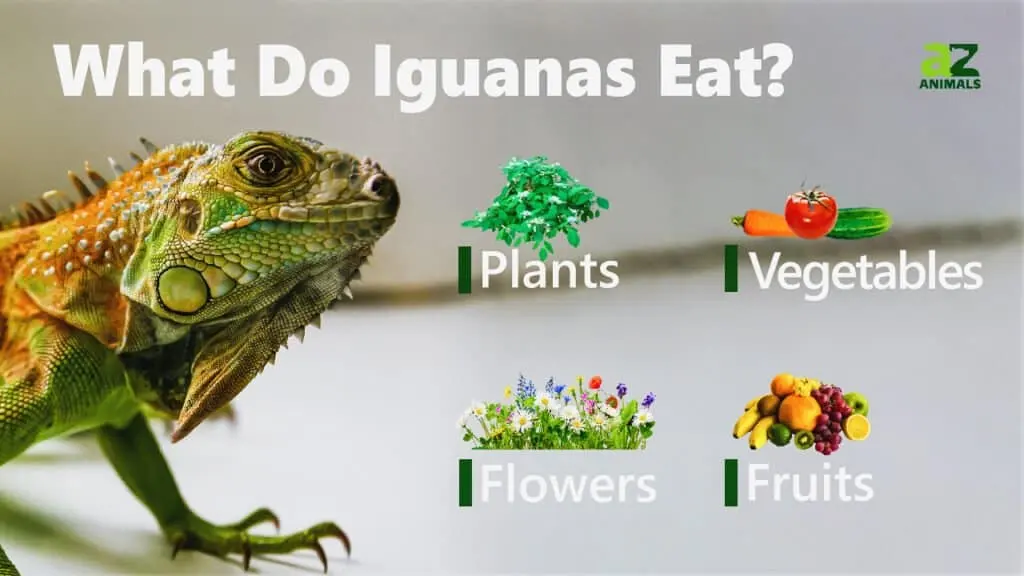
Iguanas are strict herbivores that require a diet consisting primarily of dark leafy greens, vegetables, and occasional fruits. In the wild, they consume foliage, flowers, and fruit from trees. Captive iguanas must follow a carefully balanced nutritional plan to avoid metabolic bone disease, which is caused by improper calcium-to-phosphorus ratios.
On this page
What should iguanas eat daily?
A healthy captive iguana diet should be composed of approximately 80 to 90 percent dark leafy greens. These greens provide the essential calcium and fiber required for proper digestion and skeletal health. The remaining portion of the diet should consist of other vegetables and a very small amount of fruit. It is vital to rotate the types of greens offered to ensure a broad spectrum of nutrients and to prevent the buildup of specific compounds like oxalates, which can interfere with calcium absorption.
When selecting greens, focus on those with a high calcium-to-phosphorus ratio. Collard greens, dandelion greens, turnip greens, and mustard greens are excellent staples. Avoid feeding your iguana iceberg lettuce, as it consists mostly of water and provides virtually no nutritional value. You can supplement their diet with shredded vegetables such as squash, green beans, or bell peppers to add texture and variety. Always wash all produce thoroughly to remove pesticides or chemical residues before serving.
How to prepare food for iguanas
Proper preparation is essential to ensure your iguana can digest its food safely and efficiently. Because iguanas do not chew their food, you must chop all ingredients into small, bite-sized pieces appropriate for the size of your lizard. Large chunks can pose a choking hazard or cause impaction in the digestive tract. Using a sharp knife or a food processor, mince the greens and vegetables into a fine salad mix that is easy for the animal to swallow.
- Wash all fresh produce under cool, running water to remove dirt.
- Remove any thick stems or tough fibrous parts that may be difficult to digest.
- Chop the greens and vegetables into small, uniform pieces.
- Mix the ingredients in a bowl to ensure the iguana receives a variety of nutrients in every bite.
- Serve the meal in a clean, shallow dish that allows the lizard easy access to the food.

Which foods should iguanas avoid?
Certain foods can be toxic or nutritionally harmful to iguanas if consumed in large quantities or on a regular basis. You must strictly avoid feeding your iguana animal proteins, such as insects, meat, or eggs. While some younger iguanas might show interest in bugs, their digestive systems are specifically evolved for plant matter, and high-protein diets can cause severe kidney damage. Additionally, avoid high-oxalate foods like spinach, beet greens, and Swiss chard, as these bind to calcium and prevent the body from utilizing it effectively.
Other items to exclude from the diet include:
- Rhubarb, which contains toxic levels of oxalic acid.
- Onions, garlic, and chives, which can cause blood disorders.
- Avocado, which is toxic to many reptiles.
- Processed human foods, including bread, pasta, or dairy products.
- Citrus fruits in large quantities, as the acidity can disrupt the delicate balance of the gut microbiome.

Why calcium supplements are necessary
Captive iguanas are highly susceptible to Metabolic Bone Disease (MBD), a condition where the body leaches calcium from the bones because dietary intake is insufficient. Even with a perfect diet, indoor lighting conditions often prevent the synthesis of Vitamin D3, which is required to absorb calcium. Therefore, you must provide a calcium supplement, usually in the form of a powder, to dust the food. This powder should be free of phosphorus to maintain the correct nutritional balance.
To support calcium absorption, you must also provide high-quality UVB lighting in the enclosure. Without this light, the iguana cannot process the calcium, regardless of how much is in the diet. You should dust the food with a calcium carbonate supplement approximately three to four times per week for adults, and more frequently for rapidly growing juveniles. Always consult with a veterinarian specializing in exotic animals to determine the specific dosage based on your iguana's age, weight, and overall health status.
Common mistakes when feeding iguanas
One of the most frequent errors owners make is overfeeding fruits, which are high in sugar. While iguanas enjoy the taste, excessive fruit consumption can lead to obesity, dental issues, and digestive fermentation. Fruit should be treated strictly as a rare treat, comprising no more than five percent of the total diet. Another mistake is failing to provide fresh water daily. Even though iguanas get much of their hydration from leafy greens, they need a clean water source to drink and soak in to stay properly hydrated.
- Do not rely on commercial "iguana pellets" as the sole food source, as these often lack proper nutritional balance.
- Avoid feeding the same type of green every day; variety is the key to long-term health.
- Never leave uneaten food in the cage for more than 24 hours, as it will spoil and attract bacteria.
- Monitor your iguana's weight and appetite closely, as sudden changes can indicate underlying health issues.
- Always ensure the food is served at room temperature, as cold food can be difficult for reptiles to digest properly.
Key facts
- Iguanas are strictly herbivores, meaning they require a plant-based diet to remain healthy.
- A balanced diet for a pet iguana should consist of 80-90% dark leafy greens like collard, mustard, and dandelion greens.
- Avoid feeding iguanas iceberg lettuce, as it lacks nutritional value and consists mostly of water.
- Calcium supplementation is critical; iguanas need a calcium-to-phosphorus ratio of 2:1 to prevent metabolic bone disease.
- Never feed an iguana animal proteins, such as insects, eggs, or meat, as their digestive tracts cannot process them.
- Always provide fresh, clean water in a shallow bowl that is large enough for the iguana to soak in if desired.
The bottom line
To keep an iguana healthy, focus on a diet primarily composed of dark, calcium-rich leafy greens supplemented with occasional vegetables and minimal fruit. Avoid all animal proteins and low-nutrient fillers like iceberg lettuce. By maintaining a proper calcium-to-phosphorus ratio and providing consistent UVB lighting, you can prevent common health issues like metabolic bone disease and ensure your pet thrives throughout its long, active life.
People also ask
Can iguanas eat fruit?
Fruit should be treated as a treat and limited to no more than 10-15% of their total diet. High-sugar fruits like mango, papaya, or berries can be offered occasionally, but excessive fruit consumption can lead to obesity and digestive issues.
Why is metabolic bone disease common in pet iguanas?
This condition occurs when an iguana does not receive enough calcium or lacks proper UVB lighting to synthesize Vitamin D3. Without these, the body leaches calcium from the bones, leading to skeletal deformities and potential paralysis.
How often should I feed my iguana?
Juvenile iguanas require daily feeding to support their rapid growth, while adults can typically be fed once a day or every other day. Always remove any uneaten food after a few hours to prevent spoilage and bacterial growth in the enclosure.
Should I cook the vegetables before feeding them to my iguana?
No, vegetables should always be served raw, washed, and chopped into bite-sized pieces. Cooking can destroy essential vitamins and enzymes that the iguana needs for optimal health.
Are there any toxic plants I should avoid?
Yes, avoid plants like azaleas, lilies, and oleander, which are poisonous to iguanas. Always verify that any plant you introduce to their habitat is non-toxic and free from pesticides or fertilizers.
Do iguanas need vitamin supplements?
Most captive iguanas benefit from a calcium powder supplement sprinkled over their greens several times a week. Consult with an exotic animal veterinarian to determine the specific dosage based on your iguana's age and weight.
This answer was created with the help of AI research tools and reference sources. Spotted an error? Let us know — we correct mistakes quickly. See our editorial policy.