What do geckos eat?
Short answer
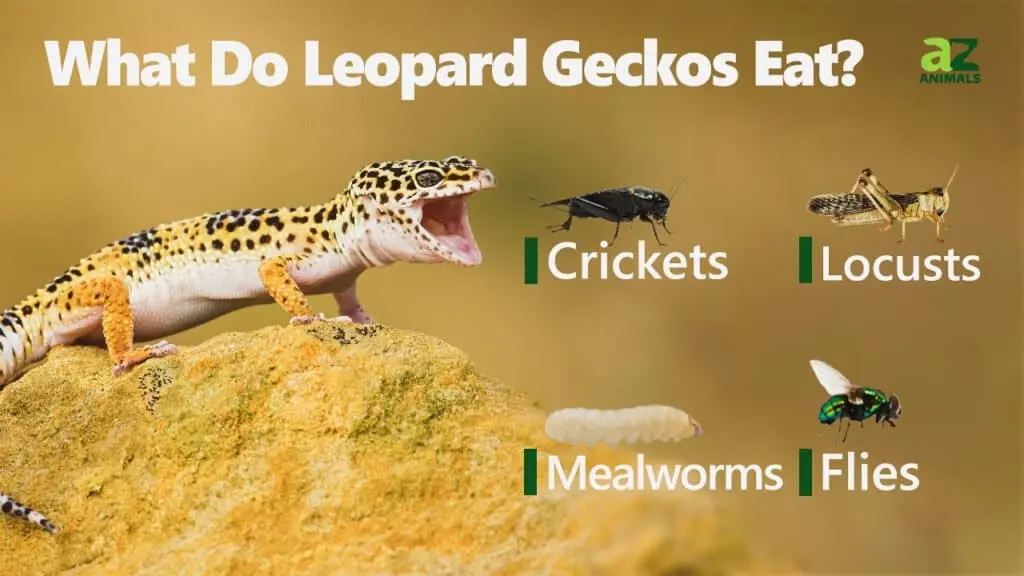
Geckos are primarily insectivores, though their diet varies by species. Most consume a wide range of crickets, roaches, and mealworms. Some species, like the crested gecko, also eat fruit and nectar. Providing a varied diet supplemented with calcium and vitamins is essential for maintaining their health and preventing metabolic bone disease.
On this page
What do geckos eat in the wild?
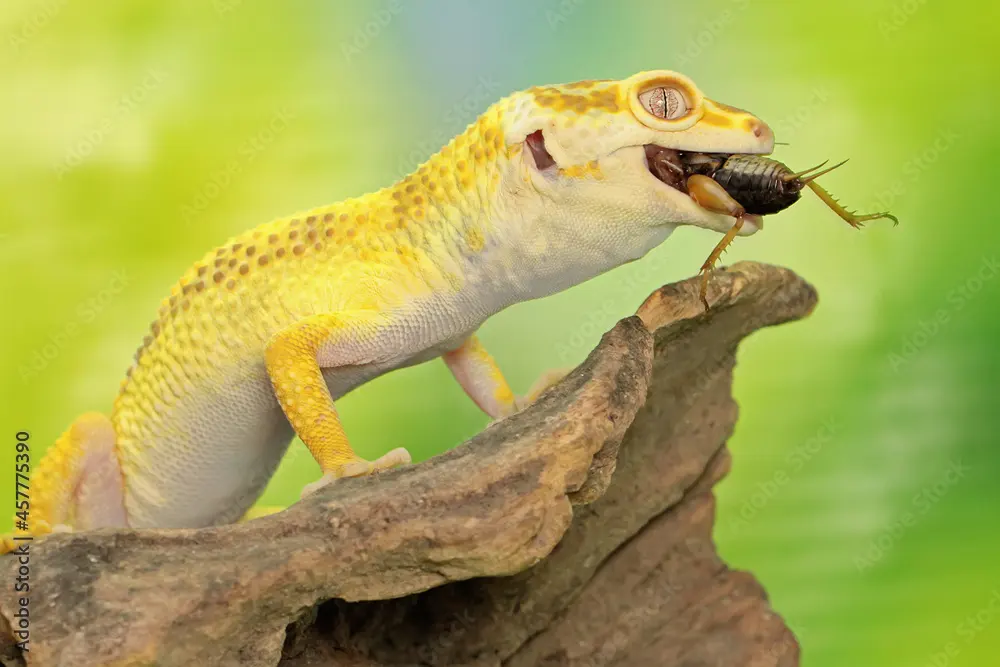
In their natural habitats, geckos are opportunistic feeders that hunt based on availability. The vast majority of species are insectivorous, meaning they rely on insects like crickets, moths, spiders, and beetles for their primary source of protein and moisture. These small predators use their acute vision and sticky toe pads to stalk and ambush prey in trees, on rocks, or within leaf litter. By consuming a wide variety of arthropods, wild geckos naturally acquire a balanced intake of nutrients, minerals, and hydration necessary for their survival.
Some gecko species, such as those in the Diplodactylidae family, have evolved to include plant matter in their diets. These geckos often supplement their insect intake with soft fruits, flower nectar, and pollen. This omnivorous behavior allows them to thrive in environments where insect populations may fluctuate seasonally. By foraging for sugar-rich fruits, these geckos gain energy for breeding and daily activity. Understanding these wild habits helps keepers replicate a more natural and nutritionally complete diet in captivity.
How to choose the best gecko food
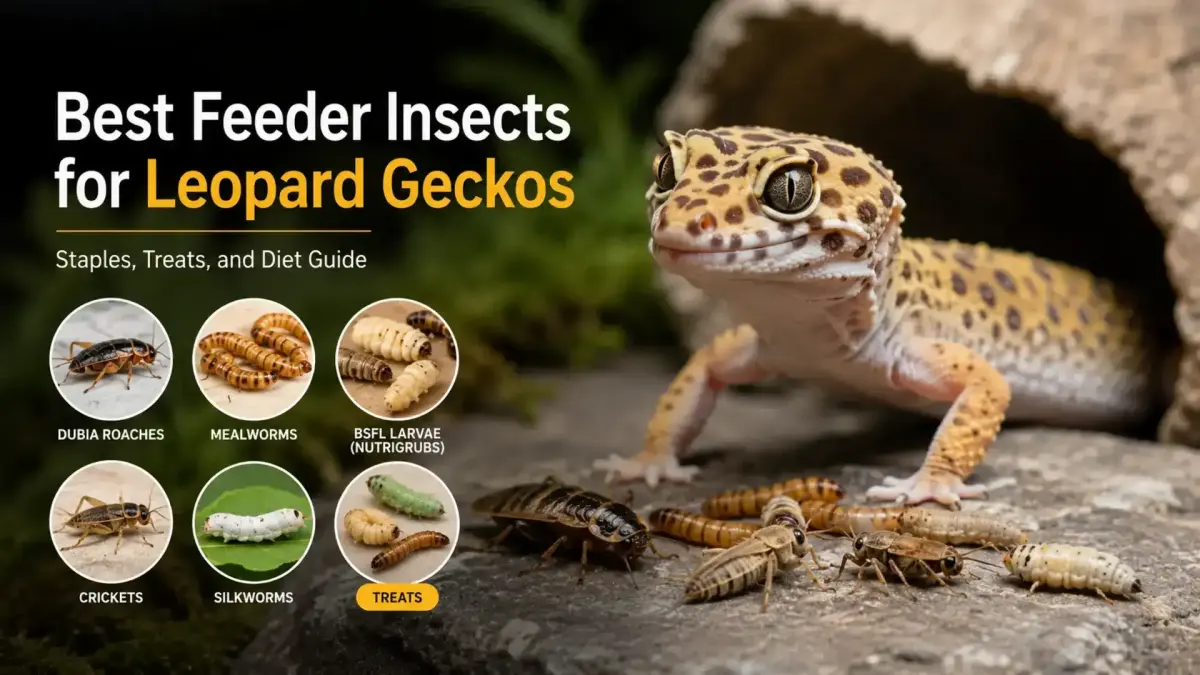
Selecting the right food depends entirely on the specific species of gecko you are keeping. Insect-only species, such as the leopard gecko, require live prey that is gut-loaded before feeding. Gut-loading involves feeding the insects high-quality vegetables like carrots or squash for 24 hours prior to offering them to the gecko, which ensures the prey is packed with nutrients. For species that consume fruit, high-quality commercial powdered diets are available that mimic the nutritional profile of natural nectars and mashed fruits.
When selecting food, prioritize quality and size to ensure your gecko can hunt and digest safely. Follow these guidelines for choosing appropriate feeders:
- Crickets: Ensure they are no longer than the width of the gecko’s head to prevent choking.
- Dubia roaches: These are often considered superior to crickets due to their higher protein and lower chitin content.
- Mealworms: Use these as a treat or secondary food source, as they are high in fat.
- Commercial powders: Look for brands that include balanced vitamins and minerals specifically formulated for your gecko's species.
Why do geckos need supplements?
Captive geckos often suffer from nutritional deficiencies because they cannot forage for the diverse range of prey items available in the wild. The most critical requirement is calcium, which is necessary to prevent metabolic bone disease, a condition that causes skeletal deformities and eventual death. Without access to natural sunlight, which provides UVB radiation for vitamin D3 synthesis, geckos cannot properly absorb calcium. Therefore, dusting insects with calcium and vitamin D3 powder is a mandatory practice for most captive reptiles.
To ensure your gecko receives adequate nutrition, follow this supplementation schedule:
- Dust insects with pure calcium powder at almost every feeding.
- Apply a multivitamin supplement containing vitamin D3 once or twice a week.
- Provide a small dish of calcium carbonate in the enclosure for the gecko to lick as needed.
- Replace supplements every six months, as these powders lose their potency over time.
Common mistakes when feeding geckos
One of the most frequent errors owners make is overfeeding, which can lead to obesity and liver issues. It is important to monitor your gecko’s body condition; the tail should be plump but not disproportionately large compared to the body. Another common mistake is feeding insects that are too large. If a prey item is too big, it can cause impaction, a dangerous blockage in the digestive tract. Always match the size of the insect to the size of the gecko’s head to avoid these serious health complications.
Another mistake is failing to remove uneaten insects from the enclosure. Crickets, in particular, can bite a sleeping gecko, causing stress and painful wounds. If you notice your gecko is not eating, do not force-feed unless directed by a veterinarian. Instead, evaluate the environmental temperature, as geckos require specific heat gradients to digest their food properly. If the enclosure is too cold, the gecko’s metabolism will slow down, leading to a loss of appetite and potential long-term health decline.
How to maintain a healthy feeding routine
Establishing a consistent feeding schedule helps regulate a gecko's metabolism and reduces stress. Most adult geckos thrive on a feeding schedule of three to four times per week, while juveniles require daily feedings to support their rapid growth. Always provide fresh, clean water in a shallow dish, even if your gecko appears to drink primarily from droplets on leaves. Hydration is vital for digestion, and a dehydrated gecko will often refuse food entirely, leading to a cycle of nutritional decline.
To maintain a healthy feeding routine, keep these final tips in mind:
- Keep a log of how much your gecko eats to track appetite changes.
- Ensure the enclosure temperature is appropriate for digestion immediately after feeding.
- Clean the feeding area regularly to prevent the buildup of bacteria from decaying food scraps.
- Observe your gecko for signs of lethargy or weight loss, which are early indicators of dietary issues.
By maintaining a clean environment and providing a varied, supplemented diet, you will ensure your gecko remains active and healthy for many years to come.
Key facts
- Most geckos are insectivores, meaning they rely on a diet of live insects like crickets, mealworms, and roaches.
- Some species, such as the Crested Gecko, are frugivores and primarily consume mashed fruit or specialized commercial powdered diets.
- Geckos require calcium and vitamin D3 supplements to prevent Metabolic Bone Disease, a common and often fatal skeletal condition.
- Fresh, clean water must be available at all times, usually provided through a shallow bowl or daily misting of the enclosure.
- Avoid feeding geckos insects caught in the wild, as these may carry pesticides, parasites, or harmful bacteria.
- Feed juvenile geckos daily to support rapid growth, while adult geckos typically only require feeding three to four times per week.
The bottom line
Providing a healthy diet for a gecko requires understanding its specific species, whether it is an insectivore or a fruit-eater. Success relies on high-quality feeder insects, proper calcium supplementation, and consistent feeding schedules. By avoiding wild-caught prey and monitoring body condition, owners can prevent common nutritional diseases. Always prioritize fresh, species-appropriate nutrition to ensure your gecko lives a long, active, and healthy life in captivity.
People also ask
Can geckos eat human food like vegetables or meat?
Most human foods are inappropriate for geckos and can cause severe digestive distress or nutritional imbalances. Stick to species-specific commercial diets and gut-loaded feeder insects to ensure your pet remains healthy.
How do I know if my gecko is eating enough?
Monitor your gecko’s weight and tail thickness, as many species store fat in their tails. If the tail becomes thin or the animal appears lethargic, consult a veterinarian specializing in exotic reptiles.
Should I leave food in the cage all day?
Live insects should be removed if not eaten within a few hours to prevent them from biting or stressing the gecko. Commercial powdered diets should be replaced every 24 to 48 hours to prevent spoilage.
Do geckos need a varied diet?
Providing a variety of insects helps ensure a broader range of nutrients and keeps the gecko mentally stimulated. Rotating between crickets, dubia roaches, and black soldier fly larvae is an excellent practice.
Why is my gecko refusing to eat?
Refusal to eat can be caused by improper cage temperatures, stress, shedding, or illness. Ensure your enclosure provides the correct thermal gradient and check that your gecko is not preparing to molt.
Are there any insects that are toxic to geckos?
Yes, avoid feeding fireflies, as they contain toxins that can be lethal to many lizard species. Always research the safety of any feeder insect before introducing it to your pet.
This answer was created with the help of AI research tools and reference sources. Spotted an error? Let us know — we correct mistakes quickly. See our editorial policy.